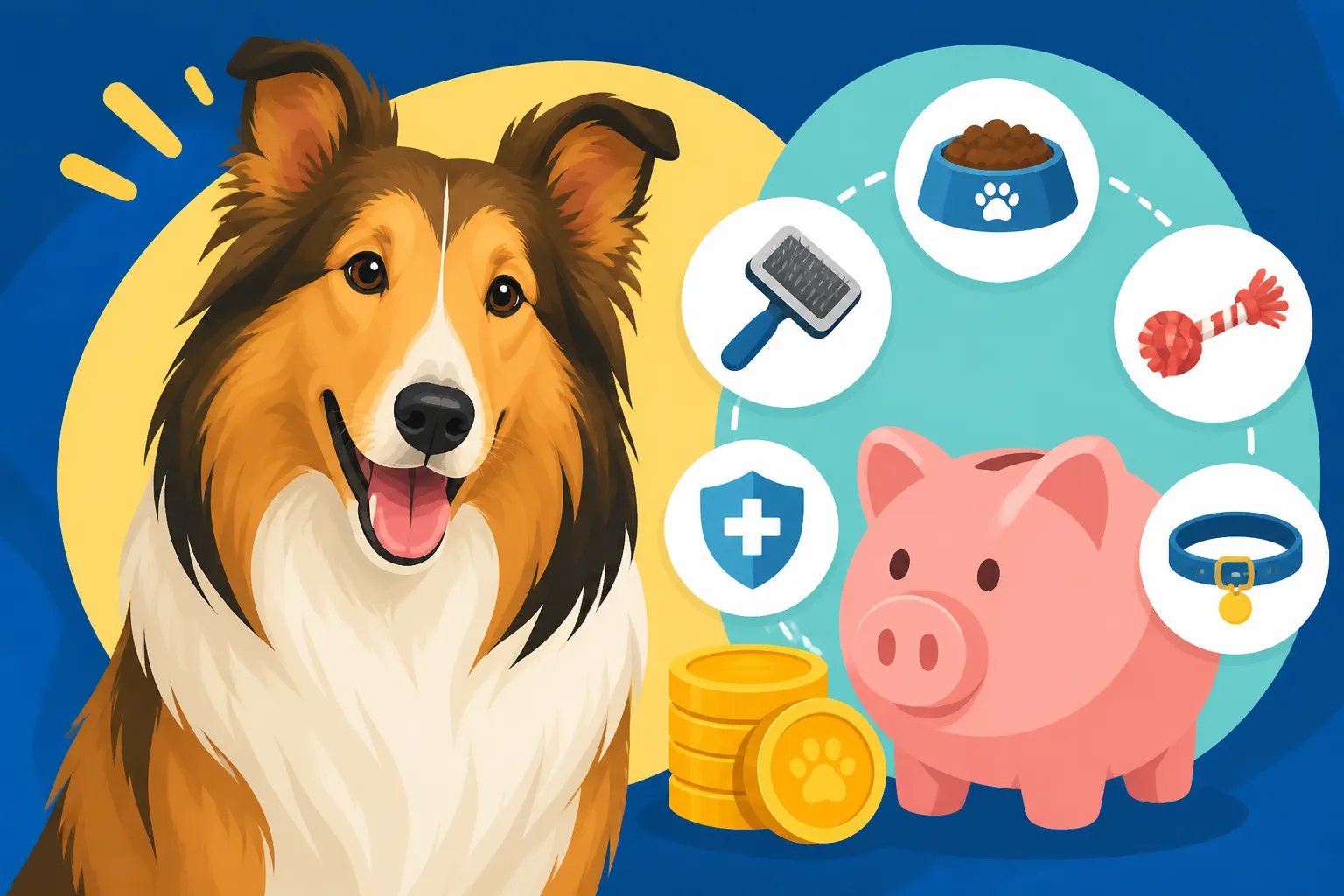
What a Collie’s First Year Costs
Bringing home a Collie puppy is an absolutely joyous, life-changing experience, full of soft fur and sweet puppy breath. But let's be realistic: that first year also comes with a host of expenses that can take even the most prepared owner by surprise. This guide aims to lay out the financial roadmap for your Collie's first year, helping you budget wisely and ensure your new best friend gets everything they need to thrive.
The Initial Investment: Bringing Your Collie Puppy Home
The moment you decide to welcome a Collie into your family is exciting, but it also kicks off the most financially intensive period. Those initial few weeks and months are packed with one-time, significant costs that set the foundation for your puppy's health and well-being.
Puppy Purchase Price and Breeder Due Diligence
The sticker price of a Collie puppy can vary quite a bit, but it's often one of the largest single expenses you'll encounter. It's really tempting to look for a bargain, but I've seen too many families regret going with the cheapest option when health problems start cropping up later. A responsible breeder invests a considerable amount in health testing their adult breeding dogs for conditions like MDR1, Collie Eye Anomaly (CEA), and sometimes even hip and thyroid issues. This isn't just a nicety; it's crucial for the future health of your puppy. When you pay a fair price for a well-bred puppy, you're not just paying for the puppy itself, but for the years of research, health clearances, proper nutrition, and early socialization the breeder has provided. Think of it as an upfront investment in fewer vet bills down the line. You can learn more about this in What a Health Tested Collie Puppy Costs and The Genetic Testing a Collie Breeder Has Already Paid For.
Beyond the purchase price, you might also have a deposit, travel costs if you're going out of state to a reputable breeder, and perhaps even some initial supplies like a carrier for the ride home. Some breeders might also include microchipping in their puppy price, which is a big help, but if not, that’s another early cost to factor in. Always ask what's included in the price and what you'll need to arrange yourself.
Initial Vet Visits and Puppy Vaccinations
Your Collie puppy will need a series of veterinary visits during their first year, usually starting shortly after you bring them home. These initial appointments are crucial for ensuring they're healthy, establishing a relationship with your vet, and getting them protected against common puppy diseases. The first visit typically involves a comprehensive physical exam, a fecal test for parasites, and the first round of vaccinations.
Over the next few months, your puppy will need booster shots for distemper, parvovirus, adenovirus, and parainfluenza, along with their rabies vaccination. These are usually spaced out over several weeks, meaning multiple trips to the vet. Each visit comes with an examination fee and the cost of the vaccines themselves. It's also likely your vet will recommend deworming treatments, even if your puppy came from a clean environment, as puppies are prone to parasites. You can get a better idea of these costs in What a Collie's Puppy Vaccinations Cost. Don't forget that initial microchipping and registration if your breeder didn't cover it – it's a small fee but vital for your puppy's safety. What a Collie's Microchip and Registration Cost goes into more detail.
Essential Puppy Supplies: Setting Up for Success
Before your Collie puppy even sets a paw in your home, you'll need to stock up on some essentials. This isn't just about fun toys; it's about providing a safe, comfortable, and stimulating environment. The list includes things like a appropriately sized crate (remember, Collies grow fast!), food and water bowls, a comfortable bed, a leash and collar, and chew toys to redirect that puppy nipping.
Think about safety too: puppy gates can be a lifesaver for confining your Collie to safe areas, especially during house training. You'll also need grooming tools, even for a young puppy, to get them accustomed to being brushed early. While it might seem like a lot to buy at once, many of these items, like a good quality crate or durable food bowls, are one-time purchases that will last for years. Shopping at retailers like Chewy can help you find everything you need in one place, often with convenient delivery.
Ongoing Care: Daily Needs and Preventative Health
Once the initial flurry of getting your puppy settled is over, the ongoing, day-to-day costs begin. These are the expenses that will be a regular part of your budget for the entirety of your Collie's life, though the first year can sometimes be pricier due to growth and learning.
Food, Glorious Food: Fueling Your Growing Collie
Collie puppies grow rapidly, and that means they need high-quality food to support their development. You'll want to choose a puppy formula specifically designed for large breeds to ensure proper bone and joint growth, which is particularly important for a breed like the Collie. The cost of food can vary wildly based on brand, ingredients, and where you buy it. While premium foods might seem more expensive upfront, they often offer better nutrition, which can contribute to fewer health issues later on.
A growing Collie puppy will eat more than you might expect, and their dietary needs will change as they mature. You'll likely transition them from puppy food to adult food around 12-18 months of age, depending on their growth rate and your vet's recommendation. Platforms like Chewy offer a wide selection of foods, and you can often set up auto-shipments to save money and ensure you never run out. You can also look into fresh food options like Ollie, which deliver pre-portioned, human-grade meals directly to your door, though these can be a more premium option. For more details on nutritional needs, read Whether a Collie Needs a Large Breed Puppy Food.
Routine Veterinary Care and Preventatives
Beyond the initial puppy vaccinations, your Collie will need ongoing preventative care throughout their first year. This includes monthly heartworm preventative medication, which is absolutely non-negotiable for protecting your dog from a potentially fatal disease. You'll also need flea and tick preventatives, especially if your Collie spends time outdoors or in areas with high pest populations. These medications are typically given monthly or every few months, depending on the product, and are an essential line item in your budget.
Annual wellness exams are crucial for catching any potential health issues early. While a puppy might not need a full annual exam until they're a year old, establishing a regular vet check-up schedule is vital. Don't forget the importance of dental care; while a puppy might not need professional cleaning, getting them used to tooth brushing early on can prevent costly dental problems in the future. Regular check-ups are also where you can discuss specific concerns, like if your vet flags Bloat in a Deep Chested Collie as a risk.
Grooming Essentials and Early Training
Even a smooth Collie will need regular grooming, and a rough Collie demands significant coat care. In the first year, it's less about extensive styling and more about getting your puppy accustomed to the process. You'll need brushes – a pin brush, a slicker brush, and a comb are a good start – nail clippers or a Dremel, and a good dog shampoo. Regular brushing not only keeps their coat healthy and tangle-free but also helps you bond with your puppy and allows you to check for any skin issues or parasites.
For rough Collies, those flowing coats start developing early, and regular brushing from puppyhood is key to preventing mats and making grooming a positive experience. While a full professional groom might not be necessary in the first year, establishing good habits at home is vital. If you do opt for professional help, even for a bath and tidy, those costs will add up. Early training is also a major cost, often in the form of puppy classes or basic obedience courses. These are an investment in a well-behaved dog and can prevent more expensive behavioral issues down the road. Consider joining a basic obedience class; it's a great way to bond with your pup and learn the ropes. What Obedience and Rally Classes Cost a Collie Owner can give you an idea of these expenses.
The Unexpected: Health Bumps and Behavioral Support
Even with the best intentions and preventative care, life with a puppy is full of surprises. Those unexpected vet visits or sudden behavioral issues can quickly add up, turning your carefully planned budget upside down. It’s important to have a financial buffer for these moments.
Handling Common Puppy Ailments and Emergencies
Puppies, much like human toddlers, are prone to getting into mischief and can sometimes experience sudden health issues. From eating something they shouldn't to developing a stomach upset, or even a minor injury during play, these unforeseen incidents can lead to emergency vet visits. The costs associated with diagnostics, medication, or even minor procedures can quickly accumulate. For Collies, specifically, there are genetic predispositions like the MDR1 mutation, which can make certain common medications dangerous. If your Collie puppy hasn't been tested, an emergency situation might require extra caution and potentially more expensive alternative drugs. Assume Your Collie Has the MDR1 Mutation is an excellent resource for understanding this.
Having an emergency fund or pet insurance is absolutely critical during this first year. Imagine a scenario where your puppy suddenly starts vomiting or has a mysterious limp. A visit to the emergency vet, especially after hours, can be hundreds, if not thousands, of dollars. It's not uncommon for puppies to pick up kennel cough or develop an allergy that requires a vet visit and medication. Being prepared for these "oops" moments will save you a lot of stress and ensure your puppy gets the care they need without delay. You can find more detail on this in What a Collie's Emergency Visit Costs.
Early Intervention for Training Challenges
Sometimes, even with consistent training, puppies develop habits that need a little extra help. Excessive barking, destructive chewing, or difficulty with house training are common challenges that can arise during the first year. While many can be managed with patience and consistent positive reinforcement, some may require professional intervention from a certified dog trainer or behaviorist.
Bringing in a professional for a few sessions can make a huge difference, offering personalized strategies tailored to your Collie's specific temperament and your family's lifestyle. These sessions, however, come at a cost. Investing in early intervention can prevent these issues from becoming ingrained habits that are much harder and more expensive to correct later on. Remember, a Collie reads people well, and sometimes they pick up on our inconsistencies, requiring a clear, consistent approach from a pro. Harsh Handling Breaks a Collie and It Does Not Come Back highlights the importance of positive training methods for this sensitive breed.
Considering Pet Insurance for Peace of Mind
Given the potential for unexpected health issues and the high costs of veterinary care, pet insurance becomes a really compelling option, especially during that first year. While it's an additional monthly expense, it can provide invaluable peace of mind when those unforeseen circumstances arise. You pay a monthly premium, and in return, the insurance company helps cover a percentage of your vet bills after you meet a deductible.
When choosing a policy, look for one that covers accidents, illnesses, and ideally, hereditary conditions relevant to Collies, such as Collie Eye Anomaly or potential issues related to the MDR1 gene. Providers like Healthy Paws are popular for their comprehensive coverage options. Enrolling your Collie puppy early, before any pre-existing conditions develop, is usually the best strategy to get the most out of your policy. It's worth comparing different plans to find the right balance of coverage and cost for your budget. For further reading, check out Insuring a Collie Against Inherited Disease.
Hidden Costs: Time, Training, and Socialization
Beyond the tangible expenses, the first year with a Collie puppy also demands significant investments of time and energy. These "hidden costs" are just as important as the financial ones, shaping your puppy into a well-adjusted adult dog.
The Value of Structured Training Classes
While some basic training can certainly be done at home, enrolling your Collie puppy in structured training classes offers benefits that extend far beyond simply learning commands. Puppy kindergarten and basic obedience classes provide a controlled environment for socialization with other dogs and people, helping your Collie develop good manners. Plus, they teach you, the owner, how to effectively communicate with and train your dog. This is especially vital for a sensitive and intelligent breed like the Collie.
These classes do come with a fee, often for a multi-week course. However, the return on investment is huge. A well-trained Collie is a joy to live with, and early training helps prevent common behavioral problems like excessive barking or pulling on the leash. It builds a strong foundation for future learning, whether that's advanced obedience, rally, or even herding sports, which Collies can excel at. You can explore this more in Herding, Rally and the Sports a Collie Was Made For.
Socialization Outings and Puppy Playdates
Socialization is arguably one of the most critical aspects of a Collie's first year. Exposing your puppy to a wide variety of sights, sounds, people, and friendly dogs in a positive way helps them grow into a confident, well-adjusted adult. This isn't just about walks around the block; it means purposeful outings. Trips to dog-friendly parks, pet stores, outdoor cafes, or even carefully supervised playdates with vaccinated, friendly dogs all contribute to this.
While many of these activities might seem free, they often involve indirect costs like gas for travel, occasional treats, or even entry fees for specific puppy play groups. The biggest cost here, however, is your time. Dedicating consistent time to these socialization experiences is crucial. A Collie who isn't properly socialized as a puppy can develop fear-based behaviors or reactivity later in life, which can be much more challenging and costly to address. The First Year With a Collie Puppy offers great insights into these developmental stages.
Unexpected Wear and Tear on Your Home
Let's face it: puppies are cute, but they can also be destructive. During that first year, especially during the teething phase, your Collie puppy might discover the irresistible chewiness of chair legs, baseboards, or even your favorite pair of shoes. Accidents, whether from incomplete house training or an upset stomach, can lead to soiled carpets, damaged flooring, or the need for specialized cleaning products.
While you can minimize this with supervision, appropriate chew toys, and consistent training, it's wise to factor in a small budget for minor repairs or deep cleaning. Investing in durable, puppy-proof items for your home, like washable rugs or protective covers for furniture, can also save you money in the long run. Even with the best intentions, a determined puppy can cause a surprising amount of wear and tear, and embracing a bit of realism about this can prevent frustration.
Budgeting for the Long Haul: Beyond the First Year
While the first year with a Collie puppy definitely has its unique set of costs, it's also important to understand how those expenses will evolve as your dog matures. Planning for a lifetime of care helps you be a responsible pet owner.
Annual Costs vs. Puppy Year Peaks
The first year with a Collie puppy is generally the most expensive. You have the initial purchase price, the full series of puppy vaccinations, spay/neuter surgery (if applicable), and all those one-time purchases like a crate and initial grooming tools. After this initial peak, your annual expenses will likely settle into a more predictable rhythm. While some items, like food and preventatives, will continue monthly, the need for multiple vet visits for vaccinations or extensive puppy-proofing might decrease.
However, don't get complacent! As your Collie enters adulthood, you'll still have annual wellness exams, dental cleanings (which can be costly), and ongoing preventative medications. Older Collies might start to require more specialized veterinary care, supplements, or specific diets as they age. So while the type of expenses might shift, the overall financial commitment remains constant throughout their lifespan.
Planning for Lifelong Collie Care
Responsible Collie ownership is a long-term commitment, often spanning 10-14 years. That means that the expenses you incur in the first year are just the beginning. It's helpful to project these costs over your Collie's entire life. Beyond food, vet visits, and grooming, consider potential future expenses such as boarding or pet-sitting if you travel, the cost of replacing worn-out beds or toys, and the inevitable "senior" vet visits.
One of the best ways to manage these long-term costs is through consistent preventative care and a healthy lifestyle. Regular exercise and a high-quality diet can help prevent certain health issues, potentially reducing veterinary expenses later on. Continuing your dog's training and mental stimulation can also keep them happier and healthier. Building an emergency fund or maintaining pet insurance for their entire life can provide a crucial safety net. The financial commitment is substantial, but the love and companionship a Collie brings are truly priceless.
First-Year Collie Expense Overview
To give you a clearer picture, here's a general overview of common first-year expenses for a Collie. Please remember these are estimates and can vary widely based on your location, chosen brands, and individual circumstances.
| Category | Description | Estimated Frequency | Notes |
|---|---|---|---|
| Initial Purchase | Puppy price, microchip, registration | One-time | Varies by breeder, includes health clearances. |
| Vet & Preventative | Puppy shots, deworming, heartworm, flea/tick meds, exam | Multiple visits/Monthly | Most intensive in the first 6 months. |
| Food & Treats | High-quality large breed puppy food, training treats | Monthly | Cost depends on brand (e.g., Ollie) and quantity. |
| Supplies | Crate, bed, bowls, collar, leash, toys, gates, cleaning | One-time / As needed | Many items last, some (toys) need frequent replacement. |
| Grooming | Brushes, shampoo, nail clippers, occasional professional bath | One-time / Monthly / As needed | More frequent for rough Collies. |
| Training | Puppy classes, basic obedience, any private sessions | One-time / Short-term | Investment in behavior, can prevent future issues. |
| Pet Insurance | Monthly premiums for accident/illness coverage | Monthly | Optional, but highly recommended for peace of mind. |
| Miscellaneous | Unexpected vet visits, repairs, treats, travel, sitter | Variable | Budget for surprises! |
This table isn't exhaustive, of course, but it gives you a framework for thinking about where your money will likely go. Being prepared helps ensure your Collie has the healthiest, happiest first year possible.
Disclaimer
This article is for general informational purposes only and does not constitute professional advice. Laws, prices and regulations vary by location and change over time. Consult a qualified professional for guidance on your specific situation.