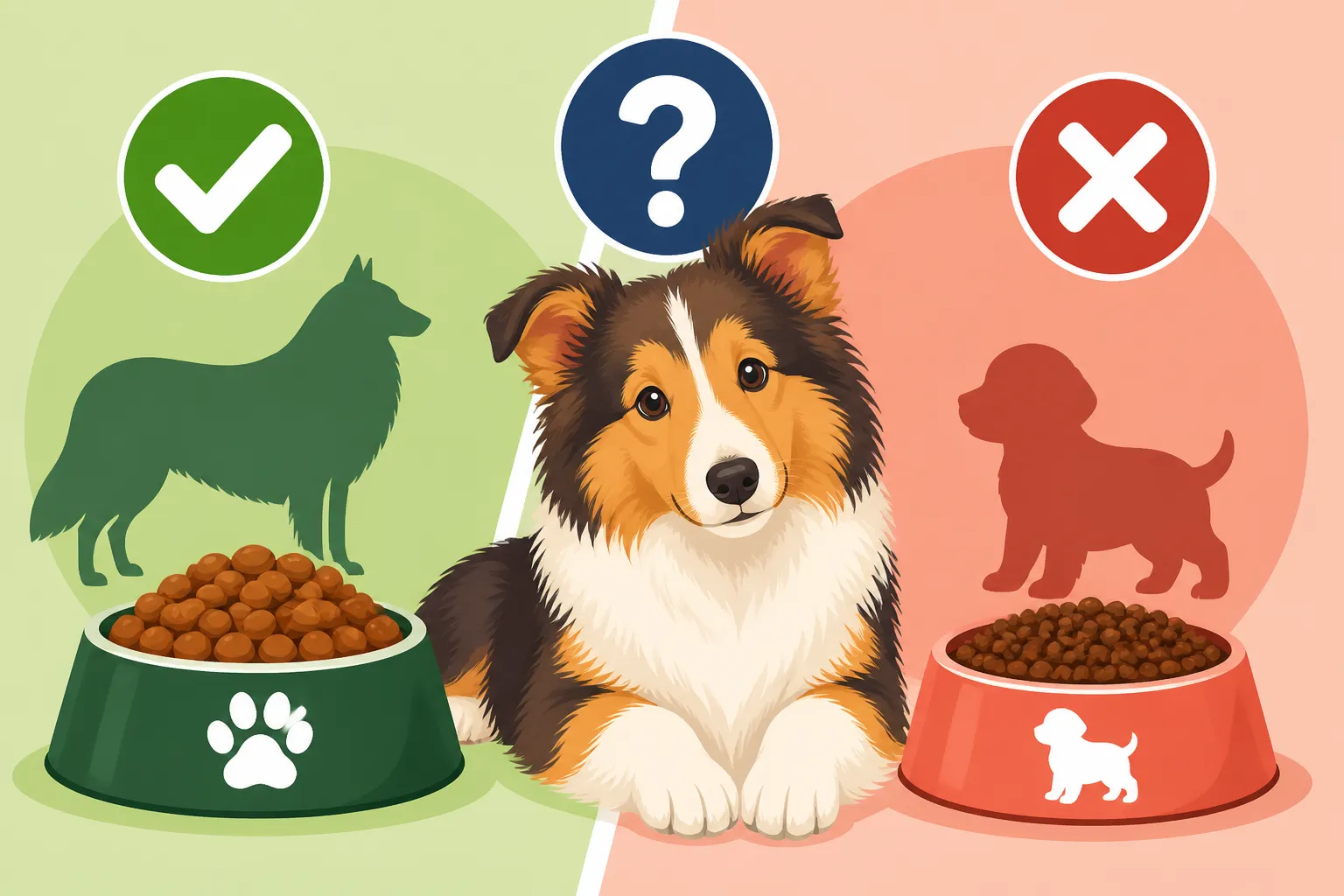
Whether a Collie Needs a Large Breed Puppy Food
Bringing home a Collie puppy is an incredibly exciting time, filled with dreams of long walks, happy barks, and that unmistakable gentle companionship. But then you start wading through the overwhelming sea of puppy food options, and a common question pops up: does my Collie, a relatively large dog, need a special "large breed" puppy food? It’s a completely valid concern, and one that often leaves new owners scratching their heads, wondering if they’re doing the right thing for their growing companion. This guide will walk you through the nuances of Collie puppy nutrition, helping you understand whether large breed formulas are truly necessary for their unique growth pattern.
Understanding Your Collie Puppy's Growth Trajectory
When you first bring home that fluffy bundle of joy, it's easy to imagine them ballooning into a massive canine in no time. While Collies certainly grow, their growth isn't quite the same as, say, a Great Dane or a Mastiff. Understanding their specific development is crucial for choosing the right diet to support healthy bones and joints.
The Myth of the "Giant" Collie
Let's be clear: Collies are undeniably beautiful, majestic dogs, but they are not giant breeds in the way a Saint Bernard or a Newfoundland is. They are considered a large breed, yes, but their bone structure is lighter, and their growth rate, while rapid in the first few months, isn't as explosive as those truly giant breeds. This distinction is vital because the nutritional recommendations for a giant breed puppy are often quite different from those for a large but more moderately framed dog like a Collie. Many new owners, especially if they've never had a Collie before, might see their puppy growing quickly and assume it falls into the "giant" category, leading them to misapply feeding guidelines. It's a common trap, born of love and wanting the best for your pup, but it can sometimes steer you wrong.
Key Growth Stages and Their Nutritional Demands
A Collie puppy goes through several distinct growth phases, each with its own energy and nutrient requirements. From the moment they leave their littermates, usually around 8 to 10 weeks, until they reach their full skeletal maturity, often between 12 and 18 months, their body is a whirlwind of development. In the initial months, their bones and muscles are forming rapidly. This is a critical window where balanced nutrition is paramount. Their demand for protein, fats, and specific minerals like calcium and phosphorus is high, but it needs to be delivered in a controlled way. As they move into adolescence, typically around 6 months, their growth might slow slightly in height but fill out in width and muscle mass. Their energy levels will also be peaking, requiring sustained fuel without overfeeding. Knowing these stages helps you understand why a consistent, appropriate diet is more important than simply offering the most nutrient-dense food available. For more details on their growth, you might find What a Collie Puppy Should Weigh by Month helpful.
Monitoring Healthy Weight Gain Without Undermining It
It's tempting to want your Collie puppy to grow as big and strong as possible, as fast as possible. However, with larger breeds like Collies, overly rapid growth can actually be detrimental. Pushing a puppy to grow too quickly, often through excessive calories, can put undue stress on their developing joints and bones. This isn't just about making them a bit chunky; it can contribute to orthopedic issues later in life, such as hip or elbow dysplasia. Instead, the goal is steady, healthy growth. This means regular weight checks, feeling their ribs (they should be easily palpable but not visible), and observing their overall body condition. Your vet is your best partner in this, helping you gauge if your puppy is on a healthy trajectory. Don't be afraid to ask for their professional assessment at every check-up.
What "Large Breed" Puppy Food Actually Means
The term "large breed puppy food" isn't just a marketing gimmick; it's a carefully formulated category designed to address specific concerns in very large dog breeds. Understanding these differences is key to making an informed choice for your Collie.
The Science Behind Large Breed Formulas
Large breed puppy formulas are primarily designed to control the rate of growth, rather than accelerate it. This might sound counterintuitive, but for breeds prone to orthopedic issues (like hip and elbow dysplasia), slower, steady growth is incredibly beneficial. These diets typically have a slightly lower fat content, which translates to fewer calories per serving, helping to prevent obesity and rapid weight gain. More importantly, they often feature carefully adjusted calcium and phosphorus levels. While both minerals are essential for bone development, too much calcium, especially in breeds genetically predisposed to certain joint conditions, can interfere with proper bone mineralization and cartilage formation. The ratios are critical. Many of these formulas also include joint-supporting ingredients like glucosamine and chondroitin, though the efficacy of these supplements in preventive puppy diets is still a topic of ongoing research.
The Dangers of Too-Rapid Growth in Large Breeds
As mentioned, pushing a large breed puppy to grow too fast is a genuine risk. The soft, developing cartilage in their joints can be damaged by excessive weight and strain, leading to improper formation of the hip and elbow joints. This is where conditions like Hip Dysplasia in a Collie can tragically develop, impacting their mobility and quality of life for years to come. It’s not just about inherited genetics; environmental factors, including diet and exercise, play a significant role. Imagine trying to build a skyscraper on a foundation that hasn't fully set – that's a bit like what happens when a puppy's bones are forced to bear too much weight too soon. The goal of a good diet for a growing Collie is to provide all the necessary nutrients for robust development without putting that developmental process into overdrive. This is why brands like Purina Pro Plan, Royal Canin, and Eukanuba have invested heavily in large breed-specific research.
Comparing Nutrient Profiles: Large Breed vs. Regular
Let's look at the actual numbers. While percentages can vary between brands, here's a general comparison to illustrate the differences you might see on food labels. Always remember to check the guaranteed analysis on the bag, as formulations can change.
| Nutrient Category | Standard Puppy Food (Approx.) | Large Breed Puppy Food (Approx.) | Why it Matters for Collies |
|---|---|---|---|
| Protein | 28-32% | 26-30% | Sufficient for muscle development, but not overly high. |
| Fat | 16-22% | 12-18% | Lower fat means fewer calories, preventing rapid weight gain. |
| Calcium | 1.2-1.8% | 0.9-1.5% | Controlled calcium prevents bone developmental issues. |
| Phosphorus | 1.0-1.4% | 0.7-1.2% | Balanced with calcium for optimal bone health. |
| Calories (Kcal/cup) | Higher | Slightly Lower | Prevents excessive energy intake leading to fast growth. |
As you can see, large breed formulas often aim for slightly lower percentages in certain areas, particularly fat, and a tighter, more controlled range for critical minerals like calcium. For a Collie, which isn't at the extreme end of the "large breed" spectrum in terms of eventual size, a regular quality puppy food might offer a calcium level on the higher side of acceptable for most medium-to-large breeds. However, if your Collie puppy is particularly quick to gain weight or has a known family history of joint issues, the more controlled calcium and calorie content of a large breed formula could be a safer bet. This is where consulting your breeder and veterinarian becomes invaluable, as they know your puppy’s specific lineage and individual growth pattern best.
Why a Collie's Unique Needs Matter
Collies occupy a unique space in the canine world – they are substantial dogs, but not built with the heavy, dense bone of some other large breeds. Their activity levels, temperament, and genetic predispositions all play a role in their dietary requirements.
The Collie's Moderate Size and Bone Structure
While a full-grown male Rough Collie can stand up to 26 inches tall and weigh anywhere from 60 to 75 pounds, and females slightly less, their build is often described as graceful and agile, rather than bulky. They have a medium-heavy bone structure, but it’s not as robust as a German Shepherd or a Rottweiler, breeds that are often the primary target for large breed puppy formulas due to their higher incidence of severe orthopedic problems exacerbated by rapid growth.
This difference in bone density and overall frame means that while a Collie benefits from a carefully managed growth rate, the absolute stringent controls on calcium and calories seen in diets for truly giant breeds might not be as critically necessary for every Collie. It's about finding the right balance. You want a diet that supports the healthy development of their elegant structure without overloading it. The goal is a sturdy, well-developed adult, not necessarily the heaviest or fastest-growing puppy in the litter. What an Adult Male Collie Weighs and What an Adult Female Collie Weighs can give you a better idea of their mature size.
Balancing Energy for Their Active Yet Sensitive Nature
Collies are known for their intelligence and often for their active, playful nature. They need appropriate exercise to thrive, both physically and mentally. This means their puppy food needs to provide enough energy to fuel their daily antics, training sessions, and those crucial socialization experiences. However, they are also a sensitive breed, both emotionally and sometimes physically. Over-exercising a young Collie puppy can be just as detrimental to their developing joints as overfeeding.
The right food will provide sustained energy without creating a hyperactive pup from a sugar rush or excessive carbohydrates. You’re looking for a diet that supports their brain development and their moderate, but consistent, energy output. Because of their intelligence, engaging their minds through training and puzzle toys is just as important as physical exercise, and a well-fueled body helps with that mental acuity. Many owners find their Collies do wonderfully in sports like obedience and rally, which require both physical and mental stamina. For more on this, consider Forty Five Minutes a Day, and Half of It in Its Head.
Avoiding Joint Stress in a Growing Collie
The biggest concern when feeding any larger breed puppy is preventing unnecessary stress on their developing joints. Collies, like many purebred dogs, can be susceptible to conditions like hip and elbow dysplasia. While genetics play a huge role, a puppy's diet and exercise regimen during their crucial growth period can significantly influence the expression of these conditions.
Choosing a diet that supports a gradual, steady rate of growth, rather than encouraging rapid gains, is a proactive step. This means avoiding high-calorie, high-fat foods that might make your puppy grow plump too quickly. It's a fine line to walk: you don't want to underfeed, but you definitely don't want to overfeed. A lean, healthy body condition throughout puppyhood is the best defense against putting undue strain on vulnerable joints. Regular veterinary check-ups are key to ensuring your Collie is maintaining a healthy growth curve. If your veterinarian notices a growth spurt that seems too rapid, they might recommend adjustments to their diet or exercise.
Deciding on the Right Food for Your Collie
With all this information, you're probably wondering how to make the best choice. It comes down to careful label reading, professional advice, and understanding your own puppy's specific situation.
Reading Labels and Understanding Key Nutrients
When you pick up a bag of puppy food, don't just look at the catchy marketing. Flip it over and dive into the guaranteed analysis and ingredient list.
- Protein Sources: Look for identifiable meat sources like "chicken meal," "lamb," or "salmon" as the first ingredients. Avoid vague terms like "meat byproduct" as a primary protein.
- Fat Content: As discussed, for Collies, a fat content in the lower-to-mid teens (12-18%) for a puppy food is generally a good range.
- Calcium and Phosphorus: This is crucial. Aim for calcium between 0.9% and 1.5% on a dry matter basis, with a calcium-to-phosphorus ratio between 1.1:1 and 1.4:1. Many large breed puppy foods will fall within these tighter ranges, which is why they are often recommended even for breeds that aren't truly giant.
- Digestible Carbohydrates: Look for whole grains like brown rice, oats, or barley, or digestible alternatives like sweet potatoes. Avoid excessive fillers.
- DHA: An omega-3 fatty acid important for brain and eye development. It’s a great addition for any growing puppy.
Remember, the absolute "best" food often depends on your individual dog. What works perfectly for one Collie might not suit another. Don't be afraid to compare several brands. You can often find detailed nutritional information and reviews on sites like Chewy or Amazon, helping you cross-reference what you see in stores with more in-depth data.
Consulting Your Veterinarian for Personalized Advice
This cannot be stressed enough: your veterinarian is your most valuable resource. They have a comprehensive understanding of your puppy's breed-specific needs, their individual health history, and can monitor their growth firsthand. Don't hesitate to ask them specific questions like:
- "Given my Collie's current weight and projected adult size, do you recommend a large breed puppy formula or a regular puppy formula?"
- "Are there any specific orthopedic concerns in Collies that influence your dietary recommendations?"
- "What signs should I look for that indicate my puppy is growing too fast or too slowly?"
They can provide tailored advice based on the genetic predispositions of the Collie breed, and potentially even your puppy's specific lineage if you've shared that information. If your breeder provided a specific food, discuss that with your vet too. A good breeder will also have valuable insights into the nutritional needs of their lines. Sometimes, owners feel pressured to stick to a breeder's recommendation or a particular brand, but an open discussion with your vet ensures you’re making the best decision for your dog.
Exploring Quality Brands and Where to Find Them
There are many reputable dog food brands on the market that produce high-quality puppy formulas, both regular and large breed specific. Some popular choices often recommended by veterinarians include Purina Pro Plan, Royal Canin, Eukanuba, Hills Science Diet, and Orijen. Each of these typically offers a range of options, including formulas specifically for large breed puppies.
When you're looking to purchase, you have plenty of options. Major pet supply retailers like Petco or PetSmart often carry a wide selection, allowing you to compare labels directly. Online retailers like Chewy are fantastic for convenience and often offer subscription services or bulk discounts, making it easier to stick to your chosen food. Many boutique pet stores also offer premium or specialized brands that might appeal to you. For those looking into more fresh or custom options, brands like Ollie offer tailored meal plans, and while not strictly "large breed puppy" in the traditional sense, their nutritional breakdowns can be very precise and worth investigating with your vet. Just be sure to verify their nutritional completeness for growing puppies. Always read reviews, but prioritize ingredient quality and veterinary recommendation above all.
Transitioning Your Collie Puppy to Adult Food
The journey of feeding your Collie puppy doesn't end with choosing the initial formula. Knowing when and how to transition them to adult food is just as important for their continued health and development.
When to Make the Switch
The general guideline for switching a large breed dog from puppy food to adult food is typically between 12 to 18 months of age. For Collies, who tend to reach their mature height around a year but continue to fill out in muscle and bone density until closer to 18 months, aiming for the later end of that spectrum, around 15-18 months, is often a good idea. However, it's not a hard and fast rule set in stone.
The key indicator is skeletal maturity. Once your Collie has stopped growing significantly in height and their growth plates have closed, they no longer need the higher calorie and specific mineral ratios of puppy food. Continuing to feed puppy food past this point can lead to excessive weight gain, as adult dogs require fewer calories per pound of body weight. Your veterinarian can assess your Collie's development at their routine check-ups and give you the green light for the transition. They might even recommend X-rays in some cases to confirm growth plate closure, especially if there are concerns about joint health. This decision is an important milestone in The First Year With a Collie Puppy.
How to Transition Smoothly
A sudden change in diet can upset your Collie's digestive system, leading to tummy troubles like diarrhea or vomiting. To avoid this, it's crucial to transition gradually over a period of 7-10 days. This allows their digestive system to adjust to the new food without shock.
Here's a typical schedule for a smooth transition:
- Days 1-2: 75% old food, 25% new food
- Days 3-4: 50% old food, 50% new food
- Days 5-6: 25% old food, 75% new food
- Days 7-10 (or until complete): 100% new food
Observe your Collie during this period. If they show any signs of digestive upset, slow down the transition. You might need to stretch each stage out for a few extra days. Remember that consistency is key, and this slow and steady approach minimizes stress for both you and your pup.
What an Adult Collie Eats
Once your Collie has transitioned to an adult formula, their dietary needs will shift. While still active, their caloric requirements will stabilize as their intense growth period ends. A good adult dog food for a Collie will provide balanced nutrition to maintain their lean body mass, support joint health, and keep their magnificent coat in top condition.
Look for a high-quality adult formula designed for medium to large breeds. These foods typically have moderate protein and fat levels appropriate for maintenance, and their calcium and phosphorus levels will be suitable for mature bones. You'll also want to consider ingredients that support their overall health, such as omega fatty acids for skin and coat, and perhaps joint support supplements, especially as they get older. What an Adult Collie Eats goes into more detail on this topic. Regular exercise, appropriate portion sizes, and consistent access to fresh water will complete their healthy adult lifestyle. Always monitor their weight and body condition throughout their adult life, adjusting food intake as needed to prevent obesity.
Disclaimer
This article is for general informational purposes only and does not constitute professional advice. Laws, prices and regulations vary by location and change over time. Consult a qualified professional for guidance on your specific situation.