Whether a Damp Collie Gets Hot Spots
It’s a frustrating scenario many Collie owners know all too well: your beautiful, fluffy companion gets a little damp, whether from a refreshing swim, an unexpected rain shower, or even just a less-than-thorough bath. Then, almost overnight, a nasty, painful hot spot erupts. This guide will walk you through why Collies are particularly prone to these irritating skin conditions when their gorgeous coats stay damp, and how you can prevent and manage them effectively.
The Anatomy of a Hot Spot and Why Collies Are Susceptible
It's not just an irritation; a hot spot can become a real ordeal for your Collie and a source of worry for you. Understanding what they are and why your specific breed is more prone can help you stay one step ahead.
What Exactly Is a Hot Spot?
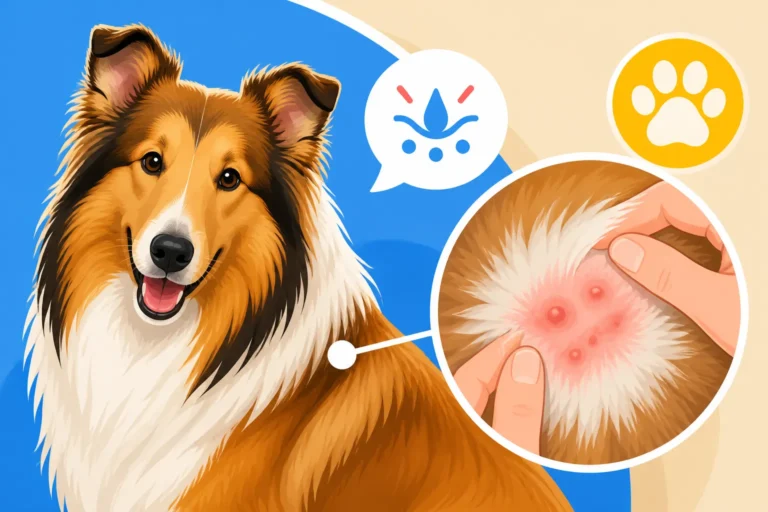
Let's get down to brass tacks: a hot spot, medically known as acute moist dermatitis, is essentially a rapidly developing skin infection that can appear out of nowhere. One minute, your Collie is fine; the next, you notice a patch of matted fur, maybe some redness, and a distinct odor. These lesions are typically red, inflamed, oozing patches of skin that are incredibly itchy and often painful for your dog. They usually start when something irritates the skin, causing your dog to lick, chew, or scratch persistently. This self-trauma breaks the skin barrier, allowing bacteria – often common skin bacteria that are usually harmless – to invade and multiply rapidly in the warm, moist environment.
Imagine a small itch from an insect bite or even just a tiny mat. Your Collie goes to scratch or lick it, and because it feels good, they keep going. This continuous action causes localized trauma, which then leads to an inflammatory response. The skin becomes red and moist, and the hair over the area usually mats together with the discharge. This creates a perfect little petri dish for bacteria to thrive, making the infection spiral out of control in a matter of hours. The speed at which these things can develop is truly astonishing and often catches owners by surprise.
Why a Collie's Coat Creates the Perfect Environment
Now, let's talk about that magnificent Collie coat. It's one of their most defining features, but it's also a double-edged sword when it comes to skin health. Collies boast a dense, luxurious double coat, consisting of a soft, insulating undercoat and longer, coarser guard hairs. This architecture is fantastic for protecting them from cold weather and even for shedding water to a certain extent. However, it’s also a master at trapping moisture.
When your Collie gets wet, water can penetrate deep into that undercoat, settling against the skin. Unlike breeds with single coats or less dense fur, the air circulation through a Collie's coat is severely restricted, especially when wet or matted. This trapped moisture, combined with the natural warmth of your dog's body, creates a warm, humid microclimate right next to their skin. It's the ideal breeding ground for bacteria and yeast, which are always present on a dog's skin but usually kept in check. Add in any minor skin irritation, and you have a recipe for a hot spot explosion. Trying to dry that deep undercoat can be a real challenge, leading to dampness lingering for hours, or even days, unnoticed. This is why understanding How Long a Collie Takes to Dry is so crucial.
Common Scenarios Leading to Dampness and Hot Spots in Collies
Life with a Collie means dealing with that impressive coat, and it inevitably means dealing with dampness. Recognizing the situations that put your dog at risk can help you be more vigilant.
Post-Bath Woes and Inadequate Drying
Ah, bath time! It's an essential part of keeping your Collie clean and healthy, but it's also a prime suspect for triggering hot spots if not handled correctly. The most common mistake isn't bathing too often; it's failing to dry your Collie thoroughly enough afterward. You might towel-dry them until their topcoat feels dry to the touch, and they might even look fluffy and presentable. But underneath that beautiful exterior, deep in the thick undercoat, moisture can still be clinging to the skin.
Think about it: that dense undercoat acts like a sponge. Even if the outer guard hairs are dry, the trapped water against the skin creates that perfect humid environment we discussed earlier. Without proper airflow and complete dryness, the stage is set for bacterial overgrowth. This is often where professional groomers shine, not just in their expertise but in their equipment, particularly high-velocity dryers, which are designed to blast air right down to the skin, separating the coat and pushing out moisture. At home, without such powerful tools, it’s easy to miss crucial damp spots, especially in areas like the neck ruff, armpits, and hindquarters, where the coat is particularly dense. Many owners don't realize that a seemingly dry Collie can still be dangerously damp at skin level, which highlights why investing in good drying methods is so important.
Swimming, Rain, and Humid Weather
Collies, like many dogs, often enjoy a good romp in the rain or a dip in a pond, if they're inclined. While these activities are wonderful for exercise and mental stimulation, they come with an elevated hot spot risk. A quick splash might not be an issue, but a prolonged swim or a thorough drenching from a heavy rainstorm can leave your Collie's coat saturated. Again, the problem isn't just the wetness, but the persistent dampness that follows. If you've ever had a Collie come in from the rain, you know how long it takes for them to air dry on their own.
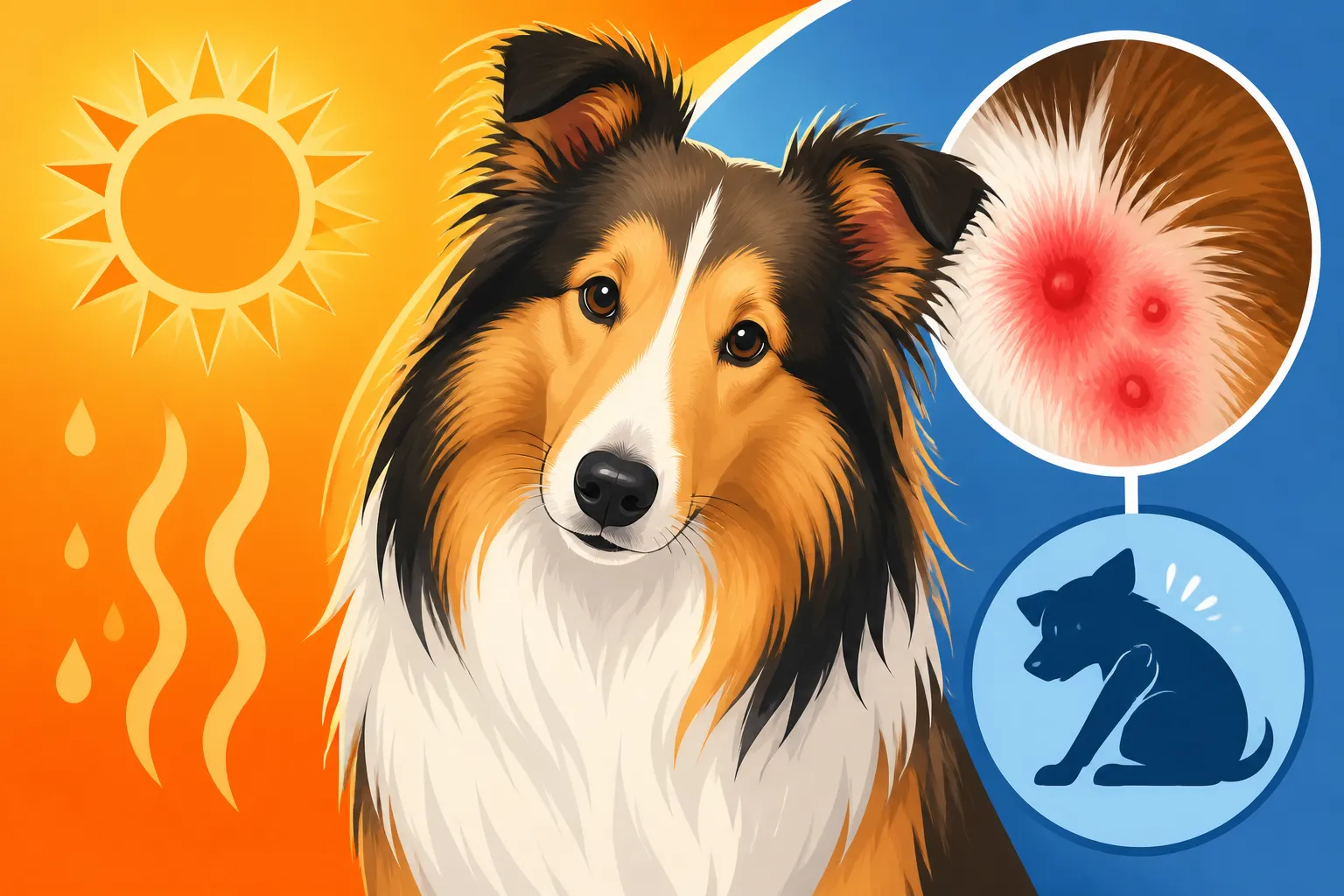
Even without direct water exposure, simply living in a humid climate can contribute to the problem. High humidity means that any moisture in the coat evaporates more slowly, and the air against the skin stays moist. This is particularly true in warmer months when your Collie's thick coat, while also protecting them from the sun, can also trap heat and humidity. Whether a Collie's Coat Protects It From Heat is a good question, but it's also true that it can create a localized sauna for bacteria. So, whether it's an adventurous dip in the lake, a soggy walk through a summer shower, or just a particularly muggy day, always be mindful of that damp undercoat. These external factors are often unavoidable parts of life with a dog, which makes proactive drying and coat care even more critical.
Practical Prevention Strategies for Collie Owners
Preventing hot spots is always easier than treating them. With a Collie, prevention largely revolves around meticulous drying and consistent coat maintenance.
Mastering the Art of Thorough Drying
This is perhaps the single most important step in preventing hot spots in your Collie. After any encounter with water – be it a bath, a swim, or a good soaking rain – you need to commit to drying your dog thoroughly. And by thoroughly, I mean down to the skin, not just the fluffy surface.
Here’s how to approach it:
- Towel Dry First, Vigorously: Start by using super-absorbent towels to blot and squeeze as much water out of the coat as possible. Don't just rub the surface; really try to work the towel into the undercoat.
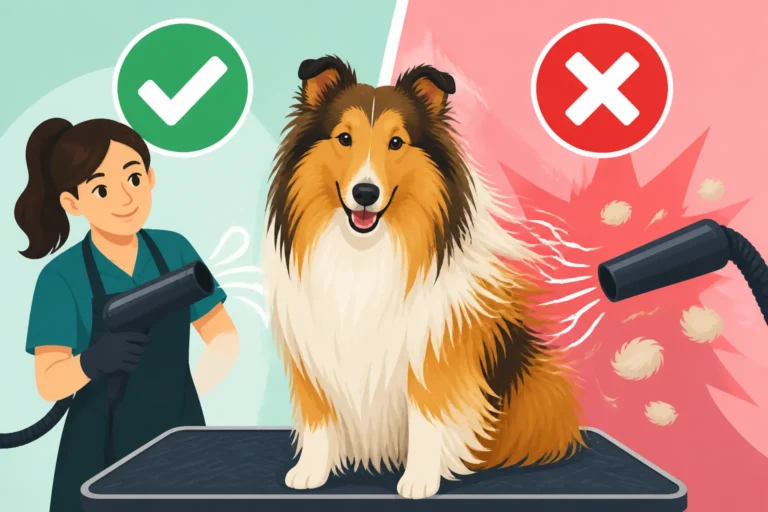
- Introduce the Force Dryer: If you don't already have one, a high-velocity force dryer (often available on Chewy or Amazon) is an absolute game-changer for Collie owners. These aren't like human hair dryers (which can burn your dog's skin); they use a powerful blast of unheated or low-heated air to push water out of the coat and separate the hairs. Work in sections, starting from the hindquarters and moving forward, lifting the hair against the natural growth direction to ensure the air reaches the skin. This also helps to blow out loose undercoat, which further improves air circulation. This is an essential step that dramatically cuts down How Long a Collie Takes to Dry.
- Brush While Drying: As you use the force dryer, use a slicker brush or a pin brush to help lift and separate the coat. This speeds up drying and prevents mats from forming as the hair dries. Pay extra attention to dense areas like the mane, the "pants" on the hind legs, and behind the ears, as these are common spots for moisture to linger.
- Check for Dampness: Once you think your Collie is dry, run your fingers deep into their coat, especially in those prone areas. Does their skin feel cool or clammy? If so, keep drying. A truly dry coat should feel light, airy, and warm to the touch right down to the skin.
This might sound like a lot of work, but trust me, it’s far less work and heartache than dealing with a full-blown hot spot. Many experienced Collie owners find that once they incorporate this routine, their dog's coat health, and comfort, improve dramatically.
Grooming and Coat Maintenance as Your First Defense
Regular, consistent grooming is your second major line of defense against hot spots. A well-maintained coat, free of mats and excessive undercoat, allows for much better air circulation and faster drying, even if it does get wet.
- Daily or Regular Brushing: Depending on your Collie's coat length and density, brushing several times a week, or even daily, is ideal. This removes dead undercoat, prevents tangles, and keeps the coat airy. Mats are hot spot magnets because they effectively seal off areas of skin, trapping moisture and preventing air from reaching it. Understanding How Often a Rough Collie Should Be Brushed is key. If you find mats, especially behind the ears or in the armpits, address them immediately. How to Work Out a Mat Behind a Collie's Ear is a useful skill to develop.
- Deshedding Routines: Collies blow coat twice a year, and during these periods, the amount of dead undercoat can be astounding. Regularly deshedding during these times with appropriate tools can make a huge difference in preventing hot spots, as it reduces the sheer volume of hair that can hold onto moisture.
- Trim Sanitary Areas: While you should never shave your Collie, gently trimming the hair around their sanitary areas and paws can help with cleanliness and reduce moisture retention in those spots. However, this is usually best left to a professional groomer to avoid accidental nicks.
- Invest in the Right Tools: A good slicker brush, a wide-toothed comb, and a force dryer are invaluable. You can find excellent quality brushes and combs on Chewy or Amazon. Having the right arsenal makes the job so much easier and more effective.
Consistent grooming ensures that when your Collie does get wet, the water has fewer places to get trapped and the coat can dry more efficiently.
Environmental Control and Quick Response
Beyond drying and grooming, there are a few other habits that can help mitigate the risk of hot spots.
- Limit Prolonged Dampness: If your Collie loves to swim, supervise them closely and make sure to start the drying process as soon as they're out of the water. Don't let them lounge around dripping wet for extended periods. If it's raining, a good brisk walk might be fine, but again, ensure a quick and thorough dry-off upon returning home.
- Manage Heat and Humidity: In very hot or humid weather, ensure your Collie has access to cool, dry areas. Air conditioning can be a blessing, and a cooling mat (found on Amazon) can offer them a comfortable spot to rest without overheating. Overheating can sometimes lead to skin irritation and excessive licking, which then contributes to hot spots. This is particularly relevant when considering Whether a Collie Needs a Cooling Mat in Summer.
- Regular Skin Checks: Make it a habit to regularly run your hands over your Collie's body, feeling through the coat to the skin. This allows you to catch any small irritations, bumps, or areas of dampness before they escalate into a full-blown hot spot. Pay close attention to areas that are hidden, like the armpits, groin, under the collar, and around the tail base. Whether a Collie Gets Skin Infections Under Its Coat can happen quickly if not monitored.
By being proactive in these areas, you can significantly reduce the chances of your beloved Collie developing those painful, unsightly hot spots.
Recognizing and Managing a Hot Spot Once It Appears
Even with the best preventative measures, sometimes a hot spot can still sneak through. Knowing how to spot one early and what steps to take is crucial for your Collie’s comfort and recovery.
Spotting the Signs Early
Hot spots are notorious for their rapid onset and progression. What might start as a tiny, innocuous itch can blossom into a sizable, painful lesion in a matter of hours. This is why early detection is absolutely key.
Look for these tell-tale signs:
- Matted, Gooey Fur: The most immediate visual cue is a patch of fur that looks matted, sticky, and possibly discolored (often yellowish or reddish-brown from the discharge). This discharge is the "moist" part of acute moist dermatitis.
- Red, Inflamed Skin: If you gently part the matted fur (be very careful, as the area will be tender), you'll see angry, red, and swollen skin underneath. It can often look like a raw, weeping wound.
- Hair Loss: The skin beneath the matted fur is usually devoid of hair, either because it's fallen out due to the inflammation or because your dog has licked and chewed it away.
- Odor: Hot spots often have a distinct, unpleasant smell due to the bacterial infection. This is different from the general damp dog smell, which can be addressed by making sure Whether a Collie Smells When Wet is only temporary, but an actual hot spot will have a more acrid, yeasty, or pus-like odor.
- Excessive Licking, Chewing, or Scratching: Your Collie will be intensely bothered by the area. You'll likely see them persistently licking, biting, or scratching at the spot, often in an almost obsessive manner. This is both a symptom and a perpetuating factor, as the self-trauma makes the hot spot worse.
- Pain and Sensitivity: Touch the area gently. Your Collie will likely react with pain, pulling away, yelping, or even snapping if the pain is severe. They might be reluctant to let you examine it closely.
The moment you notice any of these signs, don't delay. A hot spot can expand incredibly fast, growing from the size of a quarter to the size of a dinner plate in less than 24 hours. The quicker you act, the less extensive the damage and the faster the healing process.
Initial Home Care and When to See the Vet
Once you’ve identified a hot spot, immediate action is necessary. While some minor hot spots might be managed at home, most Collies will need veterinary intervention due to the density of their coat and the rapid spread of the infection.
Here’s what you can do at home, cautiously:
- Gently Clip the Area: The absolute first step is to carefully clip away the hair around and beyond the affected area. You need to expose the entire lesion to air and make sure there’s no matted fur trapping moisture. This can be challenging with a painful Collie, so use clippers with caution and ensure they are sharp to avoid pulling. You want a generous margin of clear skin around the hot spot. This helps dry out the area and allows any topical treatments to reach the skin.
- Cleanse the Area: Once clipped, gently clean the hot spot with a mild, non-stinging antiseptic solution designed for pets, such as chlorhexidine-based wipes or sprays. You can often find these at pet supply stores or online through retailers like Chewy or Amazon. Pat the area dry very carefully.
- Prevent Further Licking: This is critical. Your Collie's persistent licking is what makes the hot spot worse. An Elizabethan collar (e-collar or "cone of shame") or a comfortable recovery suit will be necessary to prevent them from reaching the area. This is not optional; without preventing self-trauma, the hot spot will not heal.
When to call the vet – which, for a Collie, is usually sooner rather than later:
- Rapid Growth or Severity: If the hot spot is large, growing quickly, deeply inflamed, or exceptionally painful, a vet visit is imperative.
- Lack of Improvement: If your initial home care doesn't show improvement within 12-24 hours, or if it worsens, it’s time for professional help.
- Recurrent Hot Spots: If your Collie frequently gets hot spots, there might be an underlying issue (allergies, parasites, etc.) that needs to be diagnosed and managed by a veterinarian.
Your vet will likely prescribe oral antibiotics to clear the bacterial infection, anti-inflammatory medications (like steroids) to reduce swelling and itchiness, and possibly stronger topical treatments. They can also properly clip and clean the area, which can be difficult for owners to do safely at home on a painful dog. Remember, hot spots are incredibly uncomfortable for your Collie, and prompt professional care can bring them immense relief. Early veterinary intervention can prevent a small problem from becoming a much larger, more expensive, and more painful ordeal.
Here’s a quick overview of hot spot prevention and management:
| Aspect | Prevention Strategies | Management Once Appears |
|---|---|---|
| Coat Drying | Use high-velocity dryer post-bath/swim. Thorough towel dry. | Expose entire lesion by clipping hair away. Keep area dry. |
| Grooming | Regular brushing to prevent mats. Deshedding undercoat. | Address mats around the hot spot carefully. |
| Environmental | Avoid prolonged dampness. Provide cool, dry resting spots. | Prevent self-licking (e-collar). Maintain clean, dry environment. |
| Early Detection | Daily skin checks, feeling through the coat. | Immediate action upon spotting redness, discharge, licking. |
| Veterinary Care | Routine check-ups to address underlying skin issues. | Prompt vet visit for severe/spreading hot spots; follow treatment plan. |
| Key Tools | Force dryer, slicker brush, absorbent towels. | Clippers (carefully!), antiseptic wash, e-collar/recovery suit. |
By taking a proactive stance, combining diligent drying with consistent grooming, and knowing when to seek professional help, you can keep your beautiful Collie comfortable and free from the misery of hot spots. It's an ongoing commitment, but one that every loving Collie owner knows is worth it for their loyal companion.
Disclaimer
This article is for general informational purposes only and does not constitute professional advice. Laws, prices and regulations vary by location and change over time. Consult a qualified professional for guidance on your specific situation.