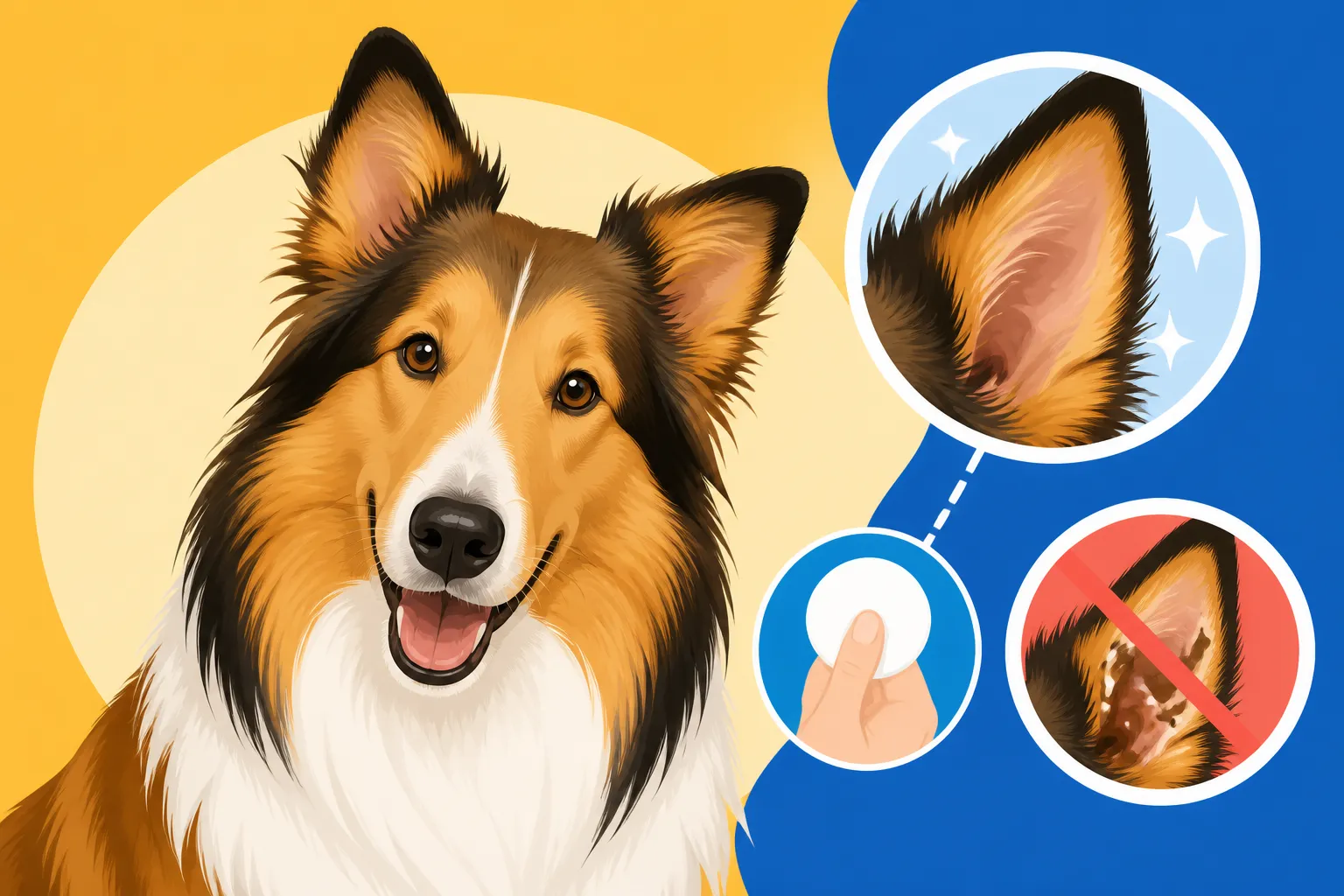
Whether a Collie’s Ears Need Cleaning
It's a common dilemma for Collie owners, isn't it? You want to do right by your beloved companion, but the thought of sticking anything into those delicate ears can be daunting. We often worry about causing more harm than good or missing a crucial sign that something is amiss. This comprehensive guide is here to demystify Collie ear care, helping you understand when and how to clean them safely, and more importantly, when to recognize that a trip to the vet is in order.
Understanding Your Collie's Ear Anatomy
Before we dive into cleaning, it’s really helpful to understand what you’re working with. A Collie’s ear, while beautiful and often tipped so perfectly, is a complex structure that serves many vital functions beyond just hearing. Knowing its basic layout helps you identify healthy signs and pinpoint potential issues.
The Unique Structure of a Collie's Ear
Collies typically have semi-prick ears, meaning they stand erect for about two-thirds of their length, with the tips folding forward. This unique carriage is a breed hallmark, but it also plays a role in ear health. Unlike dogs with fully dropped or heavily feathered ears, Collies generally benefit from better airflow, which can reduce the likelihood of moisture and heat building up inside the canal—a common breeding ground for bacteria and yeast.
However, even with good airflow, the ear canal itself can be quite deep and has a distinctive L-shape. This bend makes it challenging for debris or water to escape naturally and for owners to see deeply into the ear without proper tools. The inner surface of the ear, especially the pinna (the visible flap), is covered with fine hair, and sometimes this hair can extend down into the ear canal. While generally not problematic, in some individuals, excessive hair can trap wax and debris. Our Collies also have magnificent feathering around the base of their ears and along the edges, which, while beautiful, can sometimes harbor hidden issues like matted fur that pulls on the ear, or act as a catch-all for burrs and other outdoor detritus.
Natural Defenses and Self-Cleaning Mechanisms
Nature is pretty amazing, and our Collies' ears are equipped with their own ingenious self-cleaning system. The skin lining the ear canal produces cerumen, or ear wax, which isn't just a waste product. This wax actually has protective properties; it traps dust, dirt, and foreign particles, acting as a sticky barrier against invaders. As the skin cells lining the ear canal slowly migrate outwards, they carry this trapped wax and debris with them, effectively sweeping it out of the ear. It’s like a tiny, continuous conveyor belt.
Additionally, the ear canal is lined with fine hairs that help to filter out particles and also assist in moving wax outwards. The natural movement of your Collie’s head, their chewing motions, and even yawning can help facilitate this outward migration of debris. For a healthy Collie with no underlying issues, this natural mechanism is often all that's needed to keep their ears clean and free of problems. Interrupting this delicate balance with unnecessary cleaning can sometimes do more harm than good, inadvertently pushing debris deeper or stripping away the protective layer of wax.
When to Leave Well Enough Alone: The "No Cleaning" Approach
It might sound counter-intuitive, especially if you're used to grooming other breeds or thinking that "cleaner is better." But for many Collies, the best ear care routine involves very little, if any, direct cleaning. Understanding why and what a healthy ear looks and smells like can save you a lot of unnecessary worry and intervention.
The Risks of Over-Cleaning Your Collie's Ears
As we just discussed, your Collie's ears are pretty good at taking care of themselves. When we introduce cleaning solutions, cotton swabs, or even just too much manipulation into a perfectly healthy ear, we run the risk of disrupting this natural ecosystem. One major concern is altering the pH balance inside the ear canal. This can create an environment where yeast and bacteria, which are naturally present in small, harmless numbers, can proliferate and lead to an infection. It's like scrubbing your skin raw; you remove its protective barrier and make it more vulnerable.
Another significant risk is inadvertently pushing debris deeper into the ear canal, especially if you're using cotton swabs or a similar tool. That L-shaped bend means you can easily compact wax and dirt against the eardrum, leading to blockages or irritation. Over-cleaning can also irritate the delicate skin lining the canal, causing inflammation, redness, and discomfort, which can then trigger your Collie to scratch or shake their head, potentially leading to further injury. It's a vicious cycle that often starts with good intentions but ends with a trip to the vet for an avoidable issue. Skin infections under the coat (see Whether a Collie Gets Skin Infections Under Its Coat) are a concern, and similarly, internal ear irritation can quickly escalate.
Recognizing a Healthy Collie Ear
So, what should a healthy Collie ear look, feel, and smell like? This is your baseline, your normal. When you check your Collie's ears (which you should do regularly, not necessarily to clean, but to monitor), here's what you're looking for:
- Appearance: The visible part of the ear canal should be a pale pink color, similar to the inside of your own arm. There should be no redness, swelling, or crusting. The hair around and inside the ear should be clean and free of mats or excessive debris.
- Smell: A healthy ear should have no discernible odor, or at most, a very faint, "doggy" smell that isn't unpleasant. It absolutely should not smell yeasty, sour, sweet, or like anything that makes you wrinkle your nose.
- Discharge: There should be minimal, if any, discharge. A small amount of light brown or reddish-brown wax is normal, as it's part of the ear's self-cleaning process. This wax should not be excessive, dark brown, black, green, or yellow, and it should not look like pus.
- Behavior: Your Collie should not be scratching at their ears, shaking their head excessively, rubbing their ears on furniture or the ground, or showing any signs of pain or discomfort when you gently touch their ears. They should be happy for you to lift their ear flap and take a peek.
By familiarizing yourself with these healthy signs, you'll be much better equipped to notice subtle changes that might indicate a problem. Remember, prevention and early detection are key to avoiding more serious issues.
Warning Signs: When Your Collie's Ears Need Help
While many Collies go through life with naturally clean ears, sometimes circumstances conspire against them. Whether it's an underlying allergy, an unwelcome invader, or just a bit of bad luck, knowing the red flags that signal ear trouble is critical. Catching these issues early can prevent a minor irritation from escalating into a painful, costly infection.
Common Symptoms of Ear Infections
Ear infections are one of the most frequent reasons dogs end up at the vet, and Collies are no exception. They can be incredibly uncomfortable, even painful, for your dog. Here are the common symptoms to watch out for:
- Persistent Scratching or Rubbing: If your Collie is constantly scratching at one or both ears, rubbing their head along the carpet, or even against your leg, it's a huge sign of irritation. This isn't just a casual scratch; it's insistent, sometimes frantic, behavior.
- Head Shaking: Vigorous, repeated head shaking, especially if it seems involuntary or more intense than just a casual shake, is another strong indicator of discomfort within the ear canal.
- Redness and Swelling: When you lift your Collie's ear flap, examine the visible parts of the canal and the inner surface of the pinna. Is it redder than usual? Does it look puffy or swollen? These are clear signs of inflammation.
- Odor: As mentioned, a healthy ear shouldn't smell. A pungent, yeasty, sweet, or foul odor emanating from the ear is a classic symptom of bacterial or yeast overgrowth. Trust your nose on this one!
- Discharge: Any discharge that is dark brown, black, yellow, green, or that looks like pus, is definitely not normal. The quantity can also be telling; excessive waxy build-up that wasn't there before can also be a sign of infection.
- Pain or Sensitivity: If your Collie yelps, flinches, or pulls away when you touch their ear, it's a strong indicator of pain. They might also hold their head tilted to one side.
- Crusting or Scabs: Around the ear opening or on the inside of the flap, you might notice crusting, scabs, or hair loss if the scratching has been severe.
These symptoms often appear in combination, and if you notice any of them, it's time to investigate further, and usually, to call your vet.
Allergies, Parasites, and Foreign Bodies
Sometimes, an ear problem isn't just a simple infection; it's a symptom of a larger issue or an unwanted visitor.
- Allergies: This is a big one. Many ear infections in Collies (and other breeds) are secondary to underlying allergies – whether environmental (like pollen or dust mites) or food-related. If your Collie suffers from recurrent ear infections, especially accompanied by itchy skin elsewhere on their body, allergies should be high on your list of suspects. Just like us, dogs can get itchy skin reactions, and for them, the ears are a common target. You might find yourself scheduling a What a Collie's Dermatologist Referral Costs appointment if these issues become chronic. Diet can play a huge role, and considering specialized foods from brands like Ollie might be a conversation to have with your vet.
- Parasites: Ear mites are tiny little creatures that love to set up shop in ear canals. They cause intense itchiness and often produce a dark, crumbly, coffee-ground-like discharge. While less common in well-cared-for adult dogs, they're more frequently seen in puppies or dogs from shelters. Ticks can also attach inside or around the ear flap, causing localized irritation. If your Collie spends a lot of time outdoors, especially in tall grass, checking for ticks around the ears is just as important as checking the rest of their body.
- Foreign Bodies: Imagine a tiny blade of grass, a seed, or even a small burr making its way into that deep ear canal. These foreign bodies can cause immediate and intense irritation, often leading to a sudden onset of head shaking, pawing at the ear, and pain. They can also scratch the delicate lining, introducing bacteria and leading to infection. These are almost impossible for an owner to remove safely at home and require veterinary intervention.
Behavioral Clues of Ear Discomfort
Your Collie communicates with you in many ways, and subtle changes in their behavior can be early warnings of ear trouble before obvious physical signs appear. Beyond the obvious scratching and head shaking, pay attention to:
- Reluctance to Be Petted: If your normally affectionate Collie suddenly ducks away or becomes withdrawn when you reach for their head, especially around the ears, it could be a sign of pain or sensitivity.
- Changes in Demeanor: A generally happy and energetic Collie might become more lethargic, irritable, or even aggressive if they're in constant discomfort from an ear issue. Pain can make even the sweetest dog grumpy.
- Unusual Sleep Positions: Some dogs will try to alleviate pressure or pain by sleeping with their head at an odd angle or favoring one side.
- Difficulty Hearing: In advanced cases, or with significant blockage, you might notice a slight decrease in your Collie’s responsiveness to sounds, though this is often harder to detect and typically comes much later than other signs.
- Loss of Balance or Disorientation: This is a serious sign, indicating a possible middle or inner ear infection, which affects balance. If your Collie is stumbling, circling, or seems disoriented, seek immediate veterinary attention. This is a very different scenario from simply needing a routine ear cleaning.
Paying close attention to these cues, no matter how subtle, empowers you to act quickly, potentially preventing significant discomfort and more complex treatments for your beloved Collie.
Gentle Home Care: Cleaning Your Collie's Ears Safely
If your vet has recommended routine cleaning, or if you've noticed a mild amount of normal waxy build-up (not discharge indicating infection), then it's important to know how to clean your Collie's ears safely and effectively. The goal is to assist their natural mechanisms without causing irritation or pushing debris further in.
Choosing the Right Ear Cleaner and Tools
This isn't a job for hydrogen peroxide or rubbing alcohol! Those can be too harsh and irritating for a dog's delicate ear canal. Instead, you need a veterinarian-approved, pH-balanced ear cleaning solution designed specifically for dogs.
When you're looking for an ear cleaner, consider these points:
- Ingredients: Look for solutions that contain gentle ingredients like witch hazel, aloe vera, and mild antiseptics or drying agents. Some popular choices might contain salicylic acid for exfoliation or boric acid for drying, but always check with your vet first, especially if your Collie has sensitive skin or known allergies.
- Purpose: Some cleaners are designed for routine maintenance, while others might be prescribed for specific types of infections (e.g., solutions with antifungal properties). Make sure you're using the right one for your situation. You can often find good quality, vet-recommended ear cleaners on sites like Chewy or Amazon.
- Application: Most come with a nozzle designed to deliver the liquid into the ear canal without scratching.
Beyond the cleaner itself, you'll need:
- Cotton Balls or Gauze Pads: These are essential for wiping away excess solution and dislodged debris. Always use soft, absorbent materials.
- Treats: Lots and lots of high-value treats! Ear cleaning isn't usually a dog's favorite activity, so making it a positive experience with rewards is crucial, especially for a sensitive breed like the Collie.
- A Towel: To catch any splashes and to help you manage your Collie if they get a bit wiggly.
Step-by-Step Guide to Effective Ear Cleaning
Alright, you've got your supplies, your Collie is (hopefully) cooperative, and you're ready. Here’s how to do it:
- Gather Your Supplies: Have everything within arm's reach before you start. This includes the ear cleaner, cotton balls, a towel, and plenty of treats.
- Find a Quiet Spot: Choose a calm, well-lit area where both you and your Collie can be comfortable and focused.
- Position Your Collie: Have your Collie sit or lie down. You might need someone to gently hold them, offering praise and treats, especially if they’re new to ear cleaning.
- Lift the Ear Flap: Gently lift your Collie's ear flap (pinna) to expose the opening of the ear canal.
- Apply the Cleaner: Hold the ear cleaner bottle over the ear canal and squirt a generous amount of solution directly into the ear until the canal is full. Don't touch the nozzle to the ear to avoid contamination. You'll hear a sloshing sound, which is perfectly normal.
- Massage the Base of the Ear: This is a crucial step! Gently massage the base of your Collie's ear for about 20-30 seconds. You'll likely hear that satisfying squishy, squelching sound as the cleaner loosens wax and debris deep inside. Your Collie might really enjoy this part, or they might just tolerate it.
- Let Them Shake (and Praise!): Stand back and allow your Collie to shake their head vigorously. This action helps to dislodge and expel the loosened gunk from the deeper parts of the ear canal. Don't worry about the mess; that's what the towel is for! Praise them and give them a treat for shaking.
- Wipe the Visible Areas: Take a clean cotton ball or gauze pad and gently wipe away any visible solution, wax, or debris from the inner surface of the ear flap and the uppermost parts of the ear canal. Wipe only what you can see. Do not push anything down into the canal.
- Repeat if Necessary: If the ear is particularly dirty, you might need to repeat steps 5-8 with fresh cotton balls until the cotton comes out relatively clean.
- Reward, Reward, Reward: Finish the session with lots of praise, cuddles, and more treats. Make it a positive experience so your Collie associates ear checks and cleaning with good things.
Remember, if your Collie is showing signs of pain, severe redness, or excessive discharge, stop and contact your vet before attempting any cleaning at home.
What to Absolutely Avoid When Cleaning Collie Ears
Just as important as knowing what to do is knowing what not to do. Using the wrong tools or techniques can easily damage your Collie's sensitive ears.
- Cotton Swabs (Q-tips): This is perhaps the most common mistake. Cotton swabs are too small for a dog's ear canal, and their use almost guarantees that you will push wax and debris deeper into the ear, compacting it against the eardrum. They can also rupture the eardrum or cause injury to the delicate lining of the canal. Stick to cotton balls or gauze pads for wiping only the visible outer ear.
- Hydrogen Peroxide or Rubbing Alcohol: While these might be staples in your first aid kit, they are far too harsh for a dog's ears. Hydrogen peroxide can cause foaming and bubbling, which can be alarming and irritating, and it can also damage healthy tissue. Alcohol is extremely drying and can cause severe stinging and irritation, especially if the ear is already inflamed.
- Water Only: While some water getting in the ears during a bath isn't ideal but usually okay (if dried properly), using plain water as an ear cleaner is ineffective. It doesn't break down wax and can leave moisture trapped, potentially creating a damp environment conducive to infection.
- Fingers or Other Implements: Never stick your fingers, tweezers, or any other objects deep into your Collie's ear canal. You cannot see what you're doing, and you risk perforating the eardrum or causing significant trauma.
- Over-Cleaning: As we discussed, if your Collie's ears are healthy, leave them alone! Cleaning too frequently strips away natural protective waxes and can lead to irritation and infection. When you're brushing your Collie, you can lift the ear flap to check things over, but resist the urge to clean unless there's a good reason. How Often a Rough Collie Should Be Brushed focuses on coat, but it's a good time to do quick ear checks too.
By sticking to the recommended products and methods, you can help maintain your Collie's ear health without causing unintended harm.
Proactive Steps for Long-Term Ear Health
Maintaining your Collie's ear health isn't just about cleaning when there's a problem; it's about a holistic approach that includes diet, environment, and regular monitoring. Thinking preventatively can save you and your Collie a lot of discomfort and vet visits down the line.
The Role of Diet and Environment
You might not immediately connect diet with ear health, but they are often intrinsically linked, especially when it comes to allergies.
- Diet: A high-quality, balanced diet provides the essential nutrients needed for healthy skin and a robust immune system. If your Collie has food allergies or sensitivities, these often manifest as skin issues, including recurrent ear infections. Common culprits in some dogs can be certain proteins (like chicken or beef) or grains. Working with your vet to identify and eliminate dietary triggers can dramatically improve chronic ear problems. This might involve a prescription hydrolyzed protein diet or a limited ingredient diet. Brands like Ollie, known for fresh, human-grade ingredients, might offer options worth exploring with your vet if you suspect food sensitivities. Just like your skin can flare up from certain foods, your Collie's ears can too.
- Environmental Factors: Where your Collie lives and plays also impacts their ears.
- Swimming: Collies love to play, and some enjoy a dip in the water. However, prolonged moisture in the ear canal is a prime breeding ground for bacteria and yeast. If your Collie swims, or even gets a good bath, it's crucial to thoroughly dry their ears afterward. Gently wipe the visible part of the canal with a cotton ball and ensure good airflow. You can even use a small fan on a low, cool setting from a safe distance, if your Collie tolerates it.
- Dust and Pollen: Dogs, like people, can suffer from environmental allergies. Dust, pollen, and molds can trigger itchy skin and ears. Keeping your home clean, using air purifiers, and wiping your Collie down after outdoor adventures can help reduce exposure.
- Outdoor Activities: If your Collie loves to run through tall grass, be vigilant about checking their ears for grass seeds, burrs, or other plant material. These can easily work their way into the ear canal and cause severe irritation or infection. This is part of the broader care that helps ensure a healthy How Long a Collie Lives and What Ends It.
Routine Inspections: Your Collie's First Line of Defense
Perhaps the most important proactive step you can take is to make regular ear inspections a part of your routine. This isn't about cleaning every time, but simply looking and smelling.
- Weekly Checks: Aim for a quick peek and sniff at least once a week. This allows you to catch any changes early, before they become a major problem. Make it a positive experience with treats and praise, so your Collie learns to tolerate and even enjoy having their ears handled.
- After Outdoor Adventures: If your Collie has been romping in fields or swimming, a thorough ear check immediately afterward is a must.
- During Grooming: When you're brushing out that magnificent coat, take a moment to lift the ear flaps and inspect them. It’s a natural time to incorporate this quick check into your routine.
- What to Look For: Remember the signs of a healthy ear we discussed: pale pink color, no odor, minimal light-colored wax, and no signs of discomfort. Any deviation from this should prompt closer attention.
Think of these routine inspections as your early warning system. Many common ear problems, if caught early, are much easier and less expensive to treat than when they've been allowed to fester. A simple wipe with a dry cotton ball might be all that's needed for minor, normal wax, but those regular checks let you know when something more serious is brewing.
| Characteristic | Healthy Collie Ear | Unhealthy Collie Ear |
|---|---|---|
| Appearance | Pale pink, clean, no swelling or redness. | Red, swollen, crusty, discharge visible. |
| Odor | No discernible odor, or very faint "doggy" smell. | Yeasty, foul, sweet, or pungent odor. |
| Discharge | Minimal, light brown/reddish-brown wax. | Dark brown, black, yellow, green, or pus-like. |
| Behavior | No scratching, head shaking, or rubbing. Happy to be handled. | Persistent scratching, head shaking, rubbing, painful to touch. |
| Hair/Skin Around Ear | Clean, no mats, no hair loss, no scabs. | Matted fur from discharge, hair loss, scabs from scratching. |
Beyond Home Remedies: When to Consult Your Veterinarian
There are times when no amount of careful home cleaning or vigilant watching is enough. Ear problems can be complex, painful, and if left untreated, can lead to serious complications, including hearing loss or neurological issues. Knowing when to put down the ear cleaner and pick up the phone to call your vet is paramount.
Identifying Serious or Persistent Ear Problems
If you notice any of the severe symptoms mentioned earlier, or if mild symptoms persist despite gentle home care, it's time for professional help.
- Pain and Severe Redness: If your Collie cries out when you touch their ear, or if the ear is significantly red and swollen, there's likely an infection or injury that needs immediate medical attention. Trying to clean a painful ear at home will only cause more distress and potentially worsen the situation.
- Abnormal Discharge: Any discharge that is black, yellow, green, or resembles pus is a strong indicator of a bacterial or severe yeast infection. These require specific medications, often antibiotics or antifungals, which can only be prescribed by a vet.
- Foul Odor: A truly foul or strong odor is rarely normal and almost always signals an active infection.
- Persistent Head Shaking or Scratching: If your Collie is still shaking their head or scratching excessively after a day or two of monitoring, it's not going away on its own.
- Recurrent Infections: If your Collie seems to get ear infections frequently, this is a clear sign that there's an underlying cause, such as allergies (food or environmental), conformation issues, or even hypothyroidism Whether a Collie Gets Thyroid Disease, that needs to be diagnosed and managed by your vet. Just treating the symptoms will only offer temporary relief.
- Signs of Deeper Infection: If your Collie shows signs like head tilt, loss of balance, walking in circles, or unusual eye movements, these could indicate a middle or inner ear infection, which is a serious condition requiring urgent veterinary care.
Understanding Diagnostic Tests and Treatments
When you take your Collie to the vet for an ear issue, they won't just guess what's going on. They have a systematic approach to diagnosis and treatment:
- Physical Examination: The vet will thoroughly examine your Collie, including looking for any general signs of illness or allergies. They'll gently examine the external ear, looking for swelling, redness, or discharge.
- Otoscopic Examination: Using an otoscope (a handheld device with a light and magnifying lens), the vet will carefully look down into the ear canal to check for inflammation, foreign bodies, tumors, or damage to the eardrum. This tool is essential for navigating that L-shaped canal.
- Ear Swab and Cytology: This is a crucial diagnostic step. The vet will take a swab of the discharge from your Collie's ear and examine it under a microscope. This allows them to identify whether the infection is caused by yeast, bacteria (and what type), or ear mites. This determines the appropriate medication.
- Culture and Sensitivity Testing: In cases of severe or recurrent bacterial infections, the vet might send a sample to a lab for a culture. This test identifies the specific type of bacteria and determines which antibiotics will be most effective against it. This helps avoid using drugs that won't work, saving time and discomfort for your Collie.
- Treatment: Based on the diagnosis, your vet will prescribe appropriate medications, which could include:
- Topical Ear Drops: These are often a combination of antibiotics, antifungals, and anti-inflammatories. You'll typically need to administer these at home for a specified period.
- Oral Medications: For more severe infections, especially those affecting the middle or inner ear, oral antibiotics or anti-inflammatories might be necessary.
- Thorough Cleaning (at the clinic): In some cases, especially with a heavily blocked ear, the vet might perform a deep ear cleaning under sedation to ensure all debris is removed before medication can be effective.
- Addressing Underlying Causes: If allergies are suspected, your vet will work with you to develop a long-term management plan, which could include dietary changes, allergy medications, or immunotherapy. This is critical for preventing future flare-ups.
Remember, your Collie relies on you to recognize when they're in pain and to seek the right help. Don't hesitate to contact your veterinarian if you have any concerns about your Collie's ear health. They are your best resource for keeping your beloved companion happy and healthy.
Disclaimer
This article is for general informational purposes only and does not constitute professional advice. Laws, prices and regulations vary by location and change over time. Consult a qualified professional for guidance on your specific situation.