How Long a Collie Lives and What Ends It
It’s a thought every loving Collie owner eventually grapples with: how long will our beautiful, devoted companions be with us, and what are the common health challenges that might shorten their journey? Watching our dogs age, seeing those first specks of grey on their noble muzzles, can be heartbreakingly beautiful and a little scary all at once. This comprehensive guide is here to shed light on the typical lifespan of a Collie, the major health hurdles they often face, and how we can best support them through every stage of life, ensuring as many happy, healthy years as possible.
Understanding the Collie Lifespan
Bringing a Collie into your home means preparing for a decade or more of unwavering loyalty, clever antics, and that distinctive gentle presence. Knowing what to expect regarding their time with you is crucial for planning their care and savoring every moment.
Average Life Expectancy for Collies
Generally speaking, a well-cared-for Collie can be expected to live anywhere from 10 to 14 years. It’s a respectable run for a medium-to-large breed, but of course, this is just an average. Many Collies happily bound past that 14-year mark, while others, unfortunately, might leave us sooner due to unforeseen circumstances or specific health battles. Both Rough Collies, with their magnificent flowing coats, and Smooth Collies, with their sleeker, low-maintenance attire, typically share a similar lifespan, as they are essentially the same breed with a difference only in coat length.
Several interwoven factors play a significant role in determining an individual Collie's longevity. Genetics, of course, are paramount; a Collie from a lineage of long-lived dogs with sound health certifications often has a better head start. But equally vital is the daily care they receive: their diet, the quality of their veterinary attention, their activity levels, and even the emotional environment of their home. A Collie who receives regular exercise, a balanced diet, consistent preventive care, and an abundance of love and mental stimulation is inherently set up for a longer, healthier life. We all want to provide that perfect combination, don't we?
Age-Related Changes to Expect
Just like us, Collies don't wake up one morning suddenly "old." Aging is a gradual process, and recognizing its subtle signs early allows us to adapt their care and maintain their comfort. Usually, around The Age a Collie Is Considered Senior, which is often considered around 7-9 years old, you might start noticing these shifts.
Physically, one of the most visible signs is the salt-and-pepper dusting on their muzzle and around their eyes. Their gait might become a little stiffer, especially after lying down, or they might move with less youthful exuberance on walks. Perhaps they can't jump into the car with the same effortless grace they once did, or they take a bit longer to climb stairs. Their senses might also begin to dull; hearing can diminish, and vision might become less acute, making them more easily startled or hesitant in unfamiliar surroundings. You might also notice their coat, while still beautiful, becoming a bit coarser or thinner in places, particularly if they are a Rough Collie whose glorious mane was once their crowning glory.
Behavioral changes are also common and can sometimes be more concerning for owners. Your once highly active Collie might prefer more naps throughout the day, choosing a cozy spot over an extended play session. They might seem a little more confused at times, perhaps staring blankly at a wall or getting disoriented in a familiar room. Some Collies develop changes in their sleep-wake cycles, becoming restless at night. Others might seek more comfort and reassurance, following you from room to room more persistently than usual, almost as if they need to be reminded you're still there. Recognizing these shifts isn't about rushing to conclusions but about becoming more observant, allowing you to discuss them with your vet and make proactive changes to their routine or environment. It's about adjusting with them, not just for them.
Major Health Concerns Affecting Collie Longevity
While Collies are generally a robust breed, like all purebreds, they come with certain predispositions to health issues that can, unfortunately, cut their lives short. Being aware of these common problems is the first step in prevention and early intervention.
Cancer: A Leading Cause of Loss
Cancer is a cruel reality that touches many dog breeds, and Collies are no exception. It is, tragically, one of the leading causes of death in older Collies, much like it is in humans. The good news is that advancements in veterinary medicine mean that many forms of cancer are treatable, especially if caught early.
Collies can develop various types of cancer, but some are seen more frequently. Lymphoma, which affects the lymphatic system, is unfortunately quite common. Osteosarcoma, an aggressive bone cancer, can also occur, often presenting as lameness or swelling in a limb. Hemangiosarcoma, a particularly insidious cancer of the blood vessel lining, can affect organs like the spleen or heart and often progresses silently until it's very advanced. Other cancers like mast cell tumors, mammary tumors, and various carcinomas are also possible.
The signs of cancer can be subtle and easily overlooked in their early stages. A new lump or bump, a persistent cough, unexplained weight loss, changes in appetite, lethargy, or a non-healing sore should always prompt a visit to your veterinarian. Early detection truly is key for the best prognosis. This is where those routine vet visits become lifesavers. Your vet might recommend blood tests, X-rays, ultrasounds, or even biopsies if they find something suspicious. Treatment options vary widely depending on the type and stage of cancer, ranging from surgery and chemotherapy to radiation therapy, often involving a combination of approaches. It's a daunting diagnosis, but knowing that your Collie has the best chance with prompt and aggressive treatment can make all the difference. Whether a Collie Gets Cancer Often is a question many owners ponder, and unfortunately, the answer is often "yes," making vigilance incredibly important.
Heart Disease and Its Impact
Heart conditions can also significantly impact a Collie's quality of life and longevity. While not as universally prevalent as some other issues, cardiac disease can be a silent threat that progresses quietly until it reaches a critical stage.
Dilated Cardiomyopathy (DCM) is one form of heart disease that can affect larger breeds, including Collies. In DCM, the heart muscle becomes thin and weak, leading to an enlarged heart that struggles to pump blood effectively. This can lead to fluid buildup in the lungs (pulmonary edema) or abdomen (ascites), causing a range of symptoms. Valvular disease, where the heart valves don't close properly, is also a concern, leading to inefficient blood flow.
Symptoms of heart disease can include a persistent cough, especially after exercise or at night, fatigue, reluctance to exercise, increased breathing rate, fainting, or a distended abdomen due to fluid retention. If you notice any of these signs, it's crucial to seek veterinary attention immediately. Your vet will likely listen for a heart murmur, perform X-rays to check for an enlarged heart or fluid in the lungs, and may recommend an echocardiogram (an ultrasound of the heart) to get a definitive diagnosis. While heart disease can't often be cured, it can frequently be managed with a combination of medications, dietary changes (often low sodium), and careful monitoring, which can significantly improve a Collie's comfort and extend their life for months or even years.
Kidney Disease and Liver Failure
The kidneys and liver are vital organs for filtering toxins and maintaining overall body function, and unfortunately, these organs can also decline with age or due to other health issues in Collies.
Chronic Kidney Disease (CKD) is a progressive and irreversible condition commonly seen in older dogs of all breeds. The kidneys gradually lose their ability to filter waste products from the blood, leading to a buildup of toxins. Early signs are often subtle: increased thirst, more frequent urination, decreased appetite, weight loss, and lethargy. As the disease progresses, you might notice vomiting, diarrhea, and a dull coat. Diagnosing CKD usually involves blood and urine tests. While there is no cure, management focuses on supportive care, including special renal diets (low protein, low phosphorus), fluid therapy, and medications to manage symptoms and slow progression. With careful management, Collies with CKD can maintain a good quality of life for a considerable time.
Liver failure or disease can also occur in Collies. The liver is involved in countless bodily functions, from digestion to detoxification. Liver issues can stem from various causes, including infections, toxins, certain medications, or genetic predispositions. Some drug sensitivities in Collies, especially those with the MDR1 mutation, can indirectly affect liver function if incorrect medications are administered. Symptoms of liver disease can be vague, including vomiting, diarrhea, loss of appetite, weight loss, increased thirst, jaundice (yellowing of gums/eyes), and behavioral changes like disorientation. Diagnosis often involves blood tests, liver function panels, and sometimes ultrasound or biopsy. Treatment depends on the underlying cause but can involve dietary changes, medications, and supportive care. Just like with kidney disease, early detection and appropriate management are crucial for improving prognosis and maintaining comfort.
Genetic Predispositions That Can Shorten a Collie's Life
One of the unique aspects of owning a Collie is understanding their specific genetic heritage, which includes a few important health considerations. Being aware of these and taking proactive steps can literally save your Collie's life.
The MDR1 Mutation: A Critical Risk
Perhaps the most well-known and critical genetic issue in Collies is the Multidrug Resistance 1 (MDR1) gene mutation. This isn't just a minor quirk; it's a profound sensitivity to common medications that can be fatal if not properly managed. This mutation affects a protein called P-glycoprotein, which is responsible for pumping certain drugs out of the brain and other sensitive areas. Without a properly functioning P-glycoprotein, specific medications can cross the blood-brain barrier, accumulate to toxic levels, and cause severe neurological symptoms, including seizures, coma, and even death.
A long list of drugs can be dangerous for Collies carrying the MDR1 mutation. Some of the most critical include ivermectin (a common dewormer), loperamide (Imodium), acepromazine (a sedative), and certain chemotherapy drugs. Even routine medications or those given during anesthesia can pose a risk. It's not just the well-known ones; there's a comprehensive list that your vet needs to be aware of. To truly understand the full scope, you'll want to dive into What the MDR1 Mutation Actually Does to a Collie and The Drug List That Can Kill a Collie.
The absolute best way to manage this risk is through genetic testing. A simple cheek swab can determine if your Collie is "clear" (two normal copies of the gene), a "carrier" (one normal, one mutated copy), or "affected" (two mutated copies). Even carriers can have sensitivities, so knowing your dog's status is non-negotiable. Once you know, it's vital to inform every veterinarian, veterinary specialist, and emergency clinic that will ever treat your Collie. Consider getting a medical alert tag for your dog and keeping a laminated card in your wallet detailing their MDR1 status. This vigilance is a small price to pay for your Collie's safety.
Collie Eye Anomaly CEA and Related Eye Issues
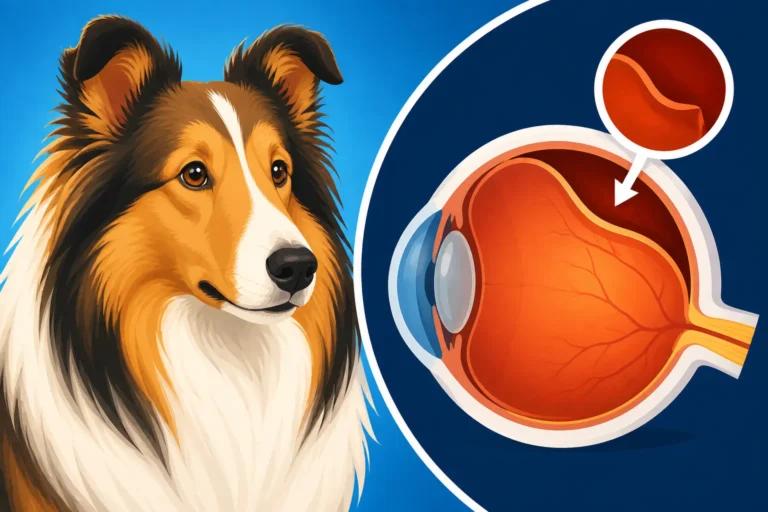
Collie Eye Anomaly (CEA), also known as Choroidal Hypoplasia (CH), is another significant genetic condition that affects the breed. This inherited developmental disorder affects the choroid, a layer of tissue beneath the retina that supplies blood and nutrients to the eye. While often not life-threatening in itself, severe forms can lead to blindness or retinal detachment, significantly impacting a Collie's quality of life.
CEA can manifest in varying degrees of severity. In its mildest form, choroidal hypoplasia, the choroid is underdeveloped, which may not noticeably affect vision. However, more severe forms can include colobomas, which are defects in the optic nerve or retina, creating a "hole" that can impair vision. The most serious complications arise from retinal detachment, where the retina separates from the back of the eye, often leading to partial or complete blindness, sometimes even hemorrhaging within the eye.
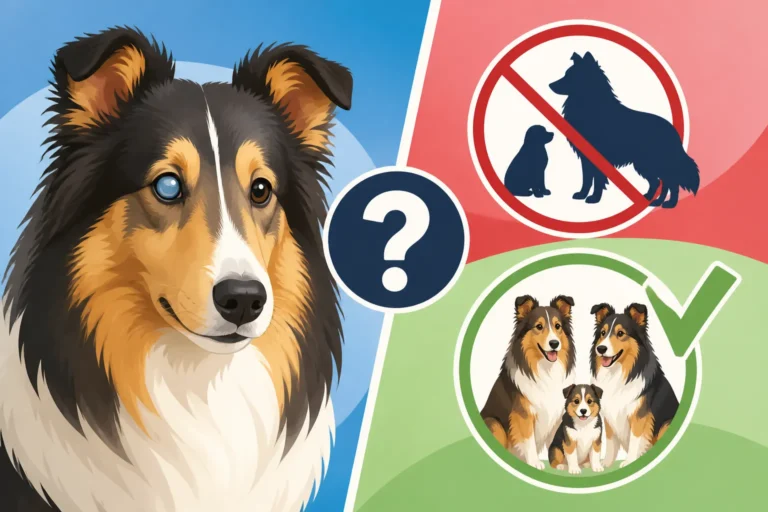
Puppies should be eye-checked by a board-certified veterinary ophthalmologist between five and eight weeks of age, before their adult coat fully develops, as this allows for clear examination of the fundus where CEA is detected. This early check is crucial because the signs can become masked by pigmentation changes as the dog matures, leading to what's known as "go normal" where the mildest cases become undetectable. Unfortunately, a mild case of CEA doesn't mean it won't be passed on, nor does it guarantee against more severe outcomes in offspring. It's a complex condition, and understanding it better is essential for responsible ownership and breeding. You can learn more by reading Collie Eye Anomaly Affects Most Collies, So Ask How Badly and What Collie Eye Anomaly Does to the Back of the Eye.
Bloat GDV: A Sudden and Deadly Threat
Gastric Dilatation-Volvulus (GDV), more commonly known as "bloat," is an acute, life-threatening condition that all owners of deep-chested breeds, including Collies, must be aware of. It's a medical emergency where the stomach fills with gas and then twists upon itself, cutting off blood supply to the stomach and often other organs. Without immediate veterinary intervention, it is almost always fatal.
Collies, with their characteristic deep chests, are statistically at a higher risk for bloat. The exact cause isn't fully understood, but factors contributing to its occurrence include eating one large meal a day, eating rapidly, vigorous exercise shortly before or after eating, stress, and a genetic predisposition.
The signs of bloat come on suddenly and progress rapidly. Your Collie might appear restless, pace, whine, or attempt to vomit but only bring up foam or saliva. They may have a distended or hard abdomen, act painfully when touched, and eventually collapse. This is not a "wait and see" situation; if you suspect bloat, you need to get your Collie to an emergency vet immediately. Time is absolutely critical, as every minute counts. For a more detailed understanding of the risks and symptoms, please read Bloat in a Deep Chested Collie and Signs a Collie Is Bloating.
Fortunately, there is a preventive surgical procedure called a gastropexy, where the stomach is surgically attached to the abdominal wall to prevent it from twisting. This can be done as a stand-alone procedure or, often, at the same time as a spay or neuter. Many owners of at-risk breeds choose this procedure for the peace of mind it offers, knowing they've drastically reduced the chance of this devastating condition.
Managing Age-Related Conditions for a Fuller Life
As our Collies move into their golden years, it's natural for them to start experiencing some wear and tear on their bodies. Proactive management of these age-related conditions is key to ensuring their comfort and maintaining their quality of life for as long as possible.
Arthritis and Joint Health
Arthritis, or osteoarthritis, is a degenerative joint disease that becomes increasingly common in older Collies. It's essentially the breakdown of cartilage within the joints, leading to bone-on-bone friction, inflammation, and pain. It can affect any joint, but the hips, elbows, knees, and spine are frequently impacted. This can be exacerbated if a Collie has underlying conditions like Hip Dysplasia in a Collie, a malformation of the hip joint.
Signs of arthritis are often gradual and might initially be mistaken for just "slowing down." You might notice your Collie is reluctant to jump, climb stairs, or even get up after resting. They might limp, favor a limb, or show stiffness, especially in the mornings or after a nap. Some Collies might whine when touched in certain areas or simply become less enthusiastic about their usual activities. Their once graceful movement might become a bit more awkward or choppy.
Managing arthritis is multifaceted. It often involves a combination of pain relief medications (NSAIDs), joint supplements (glucosamine, chondroitin, MSM, green-lipped mussel), and lifestyle adjustments. Keeping your Collie at a healthy weight is paramount to reduce strain on their joints. Regular, gentle exercise like short, controlled walks or swimming can help maintain muscle mass and joint flexibility without overstressing them. Ramps instead of stairs, orthopedic beds, and non-slip mats on slippery floors can also make a huge difference in their daily comfort. Regular discussions with your vet about their mobility and comfort levels will help you tailor the best plan for them.
Cognitive Decline Canine Cognitive Dysfunction
Just like humans, dogs can experience cognitive decline as they age, a condition often referred to as Canine Cognitive Dysfunction (CCD). It's essentially canine Alzheimer's and can be very disorienting and distressing for both the dog and their family.
Symptoms of CCD vary but often include disorientation (getting lost in familiar rooms, staring at walls), changes in social interactions (less greeting, more irritable, less responsive), alterations in sleep-wake cycles (pacing at night, sleeping more during the day), and house-soiling accidents in previously house-trained dogs. They might also forget learned commands or seem less engaged with their environment. It can be incredibly heartbreaking to see your intelligent, responsive Collie suddenly seem confused or withdrawn.
While there's no cure for CCD, there are ways to manage it and slow its progression. Environmental enrichment, like puzzle toys, gentle training sessions, and consistent routines, can help keep their minds active. A balanced diet, sometimes supplemented with antioxidants or medium-chain triglycerides (MCTs), can support brain health. Your veterinarian might also prescribe medications specifically designed to improve cognitive function, such as selegiline, or prescribe anti-anxiety medications if restlessness or agitation is a major symptom. Patience, empathy, and maintaining a predictable, safe environment are perhaps the most important tools an owner can provide.
Dental Disease and Its Systemic Effects
Dental disease is one of the most common, yet often overlooked, health issues in dogs, and Collies are no exception. It's not just about bad breath; poor oral hygiene can have far-reaching systemic effects that can significantly impact a Collie's overall health and even shorten their lifespan.
Plaque and tartar buildup can lead to gingivitis (inflammation of the gums) and periodontitis (infection and inflammation of the structures supporting the teeth). Left untreated, this can cause pain, tooth loss, and bacterial infections that can spread through the bloodstream to other organs. Bacteria from severe dental disease have been linked to heart disease, kidney disease, and liver problems, essentially putting a slow, insidious strain on your Collie's vital systems.
Regular dental care is paramount for prevention. This includes daily tooth brushing with dog-specific toothpaste, dental chews, and appropriate dental diets. However, even with diligent home care, most Collies will eventually need professional dental cleanings under anesthesia to remove stubborn tartar and address any issues below the gumline. Your vet will assess your Collie's dental health during routine exams and recommend professional cleanings as needed. While the thought of anesthesia can be daunting, the long-term benefits of a healthy mouth far outweigh the risks, especially when proper pre-anesthetic screening is performed. Don't underestimate the power of a healthy mouth in contributing to a long, comfortable life for your Collie.
Proactive Care for Extending a Collie's Healthspan
We all want our Collies to live long, vibrant lives. While we can't control everything, there's so much we can do proactively to extend their "healthspan" – the years they spend feeling healthy and happy, not just existing.
The Role of Regular Veterinary Check-ups
This cannot be stressed enough: routine veterinary check-ups are your first and best line of defense against disease. For adult Collies, an annual exam is typically recommended, but as they age, especially once they are considered senior (around 7-9 years old), semi-annual check-ups become incredibly important. Whether an Old Collie Needs Bloodwork Twice a Year is a question that vets often answer with a resounding "yes" for good reason.
During these visits, your veterinarian isn't just giving a quick once-over. They're performing a thorough physical examination, checking everything from nose to tail, listening to their heart and lungs, palpating their abdomen, and assessing their mobility. These exams are crucial for detecting subtle changes that might indicate an emerging health problem long before obvious symptoms appear. For instance, a slight change in a heart murmur, an early warning sign of kidney or liver issues in bloodwork, or a small, unnoticed lump might be caught.
Building a strong, trusting relationship with your veterinarian is invaluable. They get to know your Collie's baseline health, temperament, and unique needs, making it easier to spot deviations. These regular visits allow for essential preventive care, like vaccinations, parasite control, and dental assessments, all of which contribute significantly to long-term health. Consider discussing pet insurance with your vet or other Collie owners; plans from companies like Healthy Paws can often help cover the costs of these critical diagnostic tests and treatments, making comprehensive care more accessible when unexpected health issues arise.
Nutrition and Weight Management
What we feed our Collies and how much they eat directly impacts their health and longevity. Proper nutrition is the cornerstone of good health at every life stage.
For puppies, choosing a high-quality large breed puppy food is important to support their rapid growth without promoting overly fast development that can strain joints. As adults, a balanced, high-quality adult dog food appropriate for their activity level is essential. Not all dog foods are created equal, so understanding ingredients and choosing brands that meet AAFCO standards is crucial.
Weight management is critical, especially for a breed like the Collie, which can hide extra pounds under its abundant coat. Obesity puts undue stress on joints, exacerbates conditions like arthritis, increases the risk of heart disease and diabetes, and can shorten lifespan. It's easy to overfeed out of love, but sticking to recommended portion sizes, measuring food accurately, and limiting treats are vital. Don't forget that those treats still contribute to overall calorie intake! If you're unsure if your Collie is at an ideal weight, consult your vet; they can help you determine their body condition score and create a feeding plan. A lean Collie is a healthier, happier Collie, and maintaining a healthy weight is one of the easiest ways to prevent a host of age-related problems.
Exercise and Mental Stimulation
Collies are intelligent, active dogs, and providing appropriate physical exercise and mental stimulation throughout their lives is crucial for their well-being and, by extension, their longevity. A healthy body and a healthy mind go hand-in-hand.
For young and adult Collies, this means daily walks, playtime, and opportunities to run safely. They might not need the intense, non-stop activity of a Border Collie, but they do enjoy being active participants in family life. As they age, their exercise needs will naturally change. High-impact activities might need to be replaced with gentler alternatives like shorter, more frequent walks, swimming (if they enjoy it), or soft-surface play. The goal isn't to stop exercise but to adapt it to their physical capabilities, helping to maintain muscle tone and joint flexibility without causing pain or exhaustion. Regularly evaluating your Collie's comfort and energy levels is essential for keeping them active without overdoing it.
Mental stimulation is equally important. Collies are smart and thrive on having their minds engaged. Puzzle toys, scent work, learning new tricks, or even just regular training sessions (even simple recall practice) can keep their brains sharp and prevent boredom. A bored Collie can sometimes develop destructive behaviors or excessive barking, but a mentally tired Collie is often a contented one. As they get older and physical activity decreases, mental enrichment becomes even more vital for maintaining cognitive function and overall happiness. Finding ways to engage their minds without over-stressing their bodies, as discussed in Caring for a Collie Past Nine, will keep them thriving in their senior years.
Preparing for the Inevitable: End-of-Life Decisions
This is the hardest part of loving a dog: facing the reality that their time with us is finite. Preparing for and navigating the end-of-life journey is one of the most profound acts of love we can offer our Collies.
Recognizing Quality of Life
One of the most agonizing decisions a Collie owner will ever make is knowing when it's time to say goodbye. This decision hinges on evaluating your Collie's quality of life. It’s not about finding a single symptom but looking at the overall picture of their daily existence. Are they still finding joy in their favorite activities, even if those activities are modified? Are they eating and drinking adequately? Are they mostly comfortable, or are they experiencing chronic pain that can no longer be managed effectively?
Veterinarians often use a "Quality of Life Scale" to help owners objectively assess their pet's well-being. This might involve considering factors like their level of pain, appetite, hydration, hygiene, happiness, mobility, and how many "good days" they have compared to "bad days." It's an incredibly personal decision, often fraught with guilt and sadness, but discussing it openly and honestly with your veterinarian, who can offer an objective perspective, is crucial. They can help you understand the progression of your Collie's condition and guide you through what a humane, peaceful end looks like. Ultimately, we want to spare them suffering, even if it means unbearable pain for us.
Support Systems and Grieving
The bond we share with our Collies is deep and multifaceted, and their loss can feel as devastating as losing a human family member. The profound grief that follows can be overwhelming and often misunderstood by those who haven't experienced it. It’s important to remember that your feelings are valid, and you are not alone.
Finding support during this difficult time is crucial. This might come from understanding friends and family, online pet loss support groups, or even professional grief counseling. Many veterinary clinics also offer resources or can direct you to local support services. Allowing yourself to grieve, to feel the sadness, anger, or emptiness, is an essential part of the healing process. Honoring your Collie's memory through rituals, like planting a tree, creating a photo album, or donating to a Collie rescue in their name, can also provide comfort. Understanding What Most Collies Die Of can sometimes bring a small measure of understanding, but the emotional impact of their absence remains. Our Collies leave paw prints on our hearts that last forever, and remembering the joy they brought far outweighs the sorrow of their passing.
| Health Concern | Typical Age of Onset | Key Symptoms | Prognosis (with treatment) | Prevention/Management Strategies |
|---|---|---|---|---|
| Cancer | Senior (7+ years) | Lumps, weight loss, lethargy, coughing, lameness | Variable; early detection key | Regular vet checks, healthy diet, environmental toxin avoidance |
| Heart Disease | Mid-to-Senior (5+ years) | Cough, fatigue, difficulty breathing, fainting | Manageable; lifelong medication | Regular vet checks, weight management, appropriate exercise |
| Kidney Disease | Senior (8+ years) | Increased thirst/urination, appetite loss, lethargy | Manageable; dietary/fluid therapy | Regular vet checks, appropriate diet, adequate hydration |
| MDR1 Mutation | Any age | Neurological symptoms after certain drugs | Can be fatal if untreated | Genetic testing, strict avoidance of contraindicated drugs, informing all vets |
| Collie Eye Anomaly (CEA) | Puppyhood (diagnosis) | Vision impairment, blindness (severe cases) | Non-progressive; no cure | Puppy eye exams, responsible breeding practices |
| Bloat (GDV) | Any age | Retching, distended abdomen, restlessness, collapse | Life-threatening; emergency surgery | Gastropexy, smaller frequent meals, slow feeding bowls, rest after eating |
| Arthritis | Senior (7+ years) | Stiffness, lameness, reluctance to move, pain | Manageable; pain meds, supplements | Weight management, joint supplements, low-impact exercise, orthopedic bedding |
| Cognitive Decline (CCD) | Senior (8+ years) | Disorientation, altered sleep, house-soiling, anxiety | Manageable; meds, enrichment | Mental stimulation, consistent routine, special diets, medication |
| Dental Disease | Any age | Bad breath, inflamed gums, loose teeth, pain | Manageable; professional cleaning | Daily tooth brushing, dental chews, professional cleanings |
Disclaimer
This article is intended for informational purposes only and does not constitute veterinary advice. Always consult with a qualified veterinarian for any health concerns or before making any decisions about your Collie's medical care.