Whether a Collie’s Retina Can Detach Later
It's incredibly worrying when you think about your beloved Collie's health, especially when it comes to their eyes. We all know Collies can be prone to certain eye conditions, and the thought of something serious like a retinal detachment happening later in their life can keep any loving owner up at night. This guide aims to thoroughly explore whether retinal detachment is a risk for your Collie as they age, what factors contribute to it, and what you can do to be prepared.
Understanding the Collie Eye and Retinal Detachment Risk
For Collie owners, the term "Collie Eye Anomaly" or CEA is often one of the first things we learn about our breed's unique health profile. It’s a common genetic condition, and while many Collies have a mild form, some are more severely affected. The question of whether a Collie's retina can detach later in life is very much intertwined with this underlying genetic predisposition.
The Connection Between CEA and Retinal Detachment
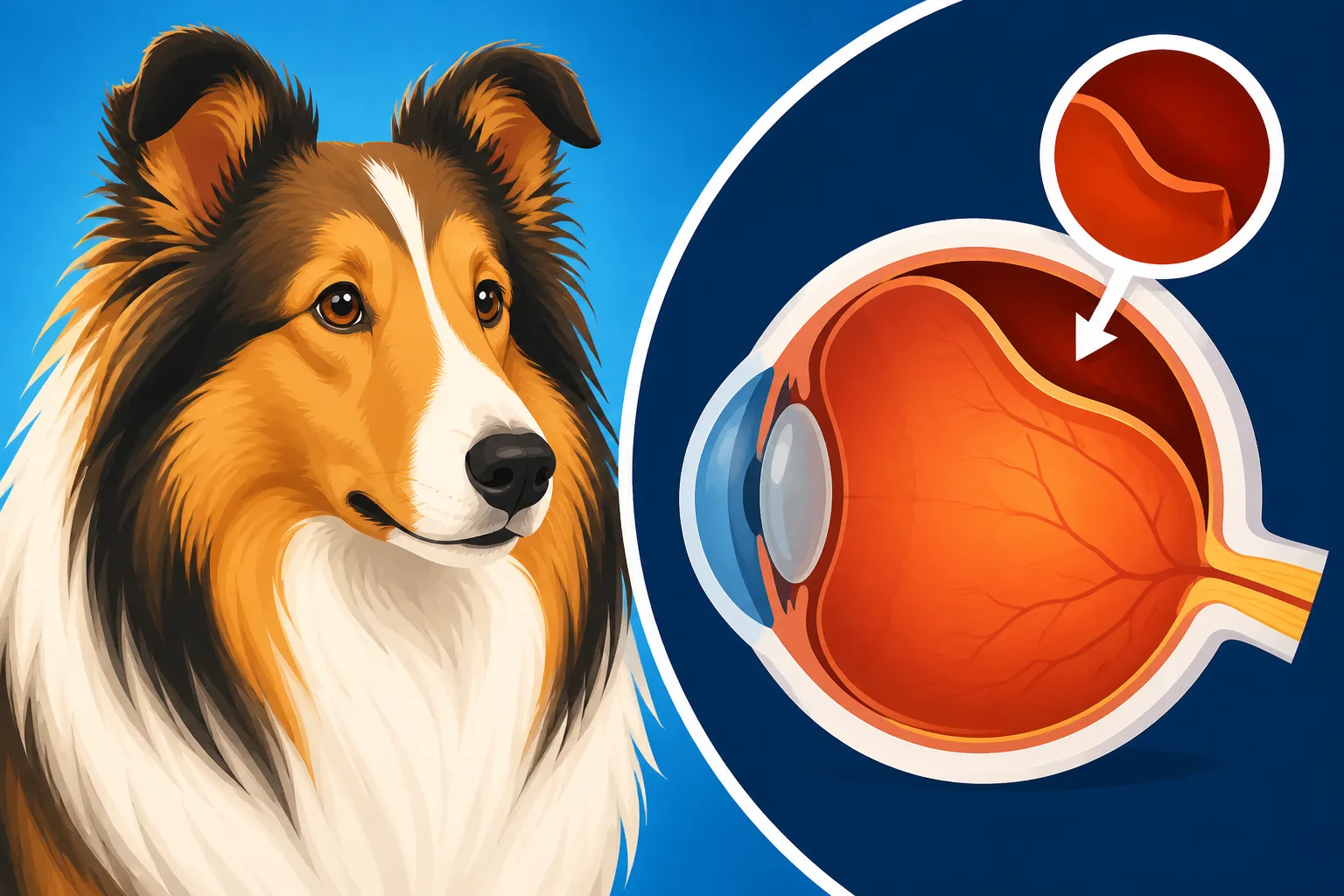
Collie Eye Anomaly, or CEA, is a congenital condition, meaning it's present from birth. It affects the development of the choroid, a layer of tissue beneath the retina that supplies it with blood and nutrients. While many cases are mild (choroidal hypoplasia, or CH), a more severe manifestation of CEA involves a coloboma. A coloboma is essentially a 'hole' or 'pit' in one of the eye's structures, often at the optic nerve head or adjacent retina. It's like a weakness in the eye's structure.
Now, here's where the risk of detachment comes in: these colobomas create a structural vulnerability. The thin or improperly formed tissue in a coloboma can, over time or with trauma, lead to fluid accumulation underneath the retina. This fluid can then cause the retina to separate from the underlying tissue. Imagine a wallpaper bubble – that's essentially what happens with a retinal detachment. Even if a Collie puppy's eye exam showed only a mild case of CEA, it's crucial to remember that a severe coloboma, which carries a higher risk of detachment, might not always be immediately apparent or could worsen. You can learn more about how common this condition is by reading Collie Eye Anomaly Affects Most Collies, So Ask How Badly.
How a Coloboma Increases Vulnerability
A coloboma isn't just a benign structural anomaly; it's a ticking time bomb for some Collies. The abnormal development means the layers of the eye aren't properly fused in that area. This weak point is susceptible to tears or detachments. When the vitreous (the jelly-like substance filling the eye) liquifies with age, or if there's any sudden jolt or pressure, that weakened area can give way.
While a vast majority of Collies with CEA will live their entire lives without experiencing a retinal detachment, those with significant colobomas are at a decidedly higher risk. This isn't usually something that happens in early puppyhood, either. Often, these detachments occur "later," as the question implies, ranging from young adulthood into middle age, though they can happen at any point. This is why understanding What Collie Eye Anomaly Does to the Back of the Eye is so important for all Collie owners.
Other Factors Contributing to Retinal Detachment
While CEA, particularly with colobomas, is a primary breed-specific concern for retinal detachment in Collies, it's not the only reason a retina can detach. Just like in humans, dogs can experience retinal detachment due to a variety of other health issues, some of which Collies are not immune to. Recognizing these non-CEA related causes is vital for comprehensive care.
Trauma and Inflammatory Conditions
Physical trauma to the head or eye can, unfortunately, lead to a retinal detachment in any dog, including a Collie. A sudden impact, a fall, or even a vigorous shake of the head can sometimes be enough to cause a tear in the retina, allowing fluid to seep underneath and initiate a detachment. While we try our best to protect our furry family members, accidents do happen, and it's important to be aware of this potential consequence.
Beyond trauma, various inflammatory conditions within the eye can also compromise the retina's integrity. Uveitis, an inflammation of the uvea (the middle layer of the eye), can cause fluid accumulation or direct damage that leads to detachment. Similarly, severe infections or systemic inflammatory diseases that affect the eye can weaken the retinal attachment points. These conditions, if left untreated, can create an environment where detachment becomes a significant risk over time.
Systemic Diseases and Their Ocular Impact
Several underlying systemic diseases that might affect a Collie later in life can also have secondary effects on their eyes, increasing the risk of retinal detachment. High blood pressure (hypertension) is a prime example. Chronically elevated blood pressure can cause blood vessels in the retina to leak fluid or even hemorrhage, pushing the retina away from its supportive layers. This is more common in older dogs and can be linked to conditions like kidney disease or an overactive thyroid.
Another concern is glaucoma, a condition characterized by increased pressure within the eye. While the primary damage from glaucoma is typically to the optic nerve, the sustained high pressure can also put immense strain on the retina, potentially leading to detachment. Certain types of cancer, particularly those that metastasize to the eye, can also cause fluid buildup or direct invasion that results in retinal detachment. Keeping up with regular veterinary check-ups and being proactive about monitoring your Collie's general health, especially as they enter their senior years, can help catch these underlying issues before they lead to severe ocular complications. Understanding Caring for a Collie Past Nine often involves monitoring for these kinds of age-related issues.
Summary of Retinal Detachment Causes in Collies
To make it a little easier to digest, here's a quick overview of the main reasons a Collie might experience a retinal detachment, particularly as they get older:
| Cause Category | Specific Conditions/Factors | Risk Level for Collies | Notes |
|---|---|---|---|
| Breed-Specific (CEA) | Colobomas (severe forms of CEA) | High | Present from birth, but detachment may occur later. |
| Trauma | Blunt force, falls, impacts to the head/eye | Moderate | Accidents can happen to any dog, regardless of breed. |
| Inflammatory Conditions | Uveitis, severe eye infections | Moderate | Can be caused by various factors, sometimes a symptom of systemic illness. |
| Systemic Diseases | Hypertension (high blood pressure), Glaucoma, Tumors/Cancers | Moderate to High | More common in older dogs; often linked to other health problems like kidney disease. |
| Vitreous Degeneration | Age-related liquefaction of the vitreous | Moderate | Natural aging process can weaken retinal attachment, especially with pre-existing weaknesses like colobomas. |
Recognizing the Signs and Seeking Help
Detecting a retinal detachment early can be challenging, but knowing what to look for and acting quickly is paramount to giving your Collie the best possible outcome, even if that outcome is managing vision loss effectively.
Subtle and Overt Symptoms to Watch For
The signs of retinal detachment can vary depending on whether it's a partial or complete detachment, and how quickly it progresses. In the very early stages, or with a small, localized detachment, you might notice very subtle changes. Your Collie might start bumping into furniture or objects on one side, or seem hesitant to navigate familiar spaces in dim lighting. They might also become more clingy or disoriented. Owners often describe their dog as "just not quite right" or a bit clumsier.
As the detachment progresses, the signs become much more obvious. You might notice a sudden, complete loss of vision in one or both eyes. This can manifest as your Collie constantly bumping into things, becoming very anxious or scared, or being unwilling to move. Their pupils might appear dilated and unresponsive to light. In some cases, if you look closely, you might even see a cloudy or opaque appearance within the eye, or a visible "curtain" or "veil" obscuring part of the eye. Some Collies might also exhibit redness, pain, or excessive tearing if the detachment is accompanied by inflammation or glaucoma. If your Collie already has a diagnosed eye condition, it’s particularly important to monitor for any changes. Whether a Collie's Retina Can Detach Later means that regular vigilance is key.
The Importance of Prompt Veterinary Care
If you suspect any changes in your Collie's vision or eye appearance, no matter how minor, it's absolutely crucial to contact your veterinarian immediately. Retinal detachment is considered a veterinary emergency. The faster it's diagnosed, the better the chances of potentially saving some vision, especially if surgical intervention is an option.
Your primary vet will likely perform a thorough eye exam, which might include an ophthalmoscopic examination (looking into the eye with a special light), checking pupillary responses, and potentially measuring intraocular pressure. If a detachment is suspected, they will often refer you to a veterinary ophthalmologist, a specialist in animal eye conditions. These specialists have advanced diagnostic equipment, such as ocular ultrasound, which can definitively diagnose a retinal detachment and assess its severity, extent, and whether the retina can be reattached. An ophthalmology exam can be costly, and it’s a good idea to understand What a Collie's Ophthalmology Exam Costs beforehand.
Treatment Options and Prognosis for Retinal Detachment
The news of a retinal detachment can be devastating for any pet parent. While the immediate goal is always to restore vision, the reality is that treatment options are complex and success is not guaranteed. Understanding what lies ahead can help you make informed decisions for your beloved Collie.
Surgical and Medical Interventions
When a retinal detachment is diagnosed, especially if it's recent and extensive, a veterinary ophthalmologist will assess if surgical reattachment is possible. This is a highly specialized procedure, often involving vitrectomy (removal of the vitreous humor) and laser retinopexy to reattach the retina. The success rate for these surgeries varies greatly depending on the cause of the detachment, its duration, and the extent of the damage. It's important to have realistic expectations; even with successful surgery, full vision may not be restored, and there can be complications.
In cases where surgery isn't an option, either due to the type of detachment, extensive damage, or financial constraints, medical management focuses on addressing any underlying causes (like high blood pressure or inflammation) and ensuring the dog's comfort. For some, if vision is completely lost and the eye is painful, enucleation (surgical removal of the eye) might be considered as a last resort to improve quality of life. This is a heartbreaking decision, but sometimes it's the kindest path.
Life with Vision Loss and Management
For many Collies who experience a complete or partial retinal detachment, irreversible vision loss becomes a reality. This is undoubtedly a challenge, but it's important to remember that dogs are incredibly adaptable. A blind or partially sighted Collie can still lead a happy and fulfilling life with a few adjustments from their family. This is where your deep bond with your Collie truly shines.
Start by maintaining a consistent home environment. Don't rearrange furniture, keep paths clear, and use distinct scents or textures to mark important areas like food bowls or steps. Verbal cues become even more important – use clear commands for "stop," "step up," or "careful." Many blind Collies thrive on mental stimulation through scent games and familiar routines. Harnesses and leashes are essential for walks, and it's wise to carry a "blind dog" tag to alert others. Consider resources like the Blind Dog Support group or your vet for tips on How a Blind Collie Learns a House. It's a journey, but one that many Collie owners navigate successfully. It might be worthwhile to consider pet insurance from providers like Healthy Paws when your Collie is young, as it can help with unexpected costs associated with severe eye conditions or surgeries later on.
Preparing for Potential Eye Health Challenges
As Collie owners, we naturally want to do everything we can to protect our dogs. While we can't prevent all health issues, proactive steps and being prepared can make a huge difference in managing potential eye health challenges, including the risk of retinal detachment.
Proactive Health Management and Regular Check-ups
One of the most powerful tools you have as a Collie owner is regular veterinary care. Annual check-ups, and more frequent visits as your Collie ages, allow your vet to monitor their overall health, including their eyes. They can check for signs of hypertension, glaucoma, or other systemic diseases that might indirectly affect eye health. Discussing your Collie's eye history, especially if they have a known CEA diagnosis, helps your vet keep an extra watchful eye.
Beyond routine exams, consider breed-specific screenings. Remember the importance of having your Collie puppy's eyes checked at five to seven weeks to catch early signs of CEA. Even if the initial exam yields a "go normal" result, it's still worth discussing any changes with your vet or a veterinary ophthalmologist as your dog matures. Staying informed about your Collie's genetic predispositions is key; for example, you might want to look into The Three Genetic Tests a Collie Breeder Owes You when considering a puppy. When accidents or sudden illnesses strike, having a robust pet insurance policy, such as one from Healthy Paws, can alleviate significant financial stress, allowing you to focus on your Collie's recovery without worrying about exorbitant vet bills.
Understanding Insurance and Financial Preparedness
Dealing with a serious health issue like retinal detachment often comes with significant veterinary expenses, especially if specialized diagnostics, surgical interventions, or ongoing management are required. This is where being financially prepared makes a real difference. Pet insurance can be a lifesaver for these unexpected, high-cost medical events. Policies from providers like Healthy Paws can cover a percentage of diagnostic tests, specialist consultations, surgeries, and even some medications, depending on your chosen plan.
It’s crucial to understand the terms of any pet insurance policy, particularly regarding pre-existing conditions. If your Collie is diagnosed with CEA at a young age, any complications stemming directly from it, such as retinal detachment, might be considered pre-existing and therefore excluded from coverage if you enroll in insurance after the initial diagnosis. This is why many owners choose to insure their puppies as early as possible. Even if you don't opt for insurance, maintaining an emergency savings fund specifically for veterinary care is a wise decision. Knowing you have a financial safety net allows you to make decisions based on your Collie's health needs, rather than solely on cost. Remember, unexpected events can quickly add up, so having a plan is always a good idea, and Whether Pet Insurance Is Worth It on a Collie is a question many owners consider.
Disclaimer
This article provides general information and is not a substitute for professional veterinary advice. Always consult with a qualified veterinarian or veterinary ophthalmologist regarding your Collie's specific health concerns, diagnosis, and treatment options.