Whether a Collie Bolts Its Food
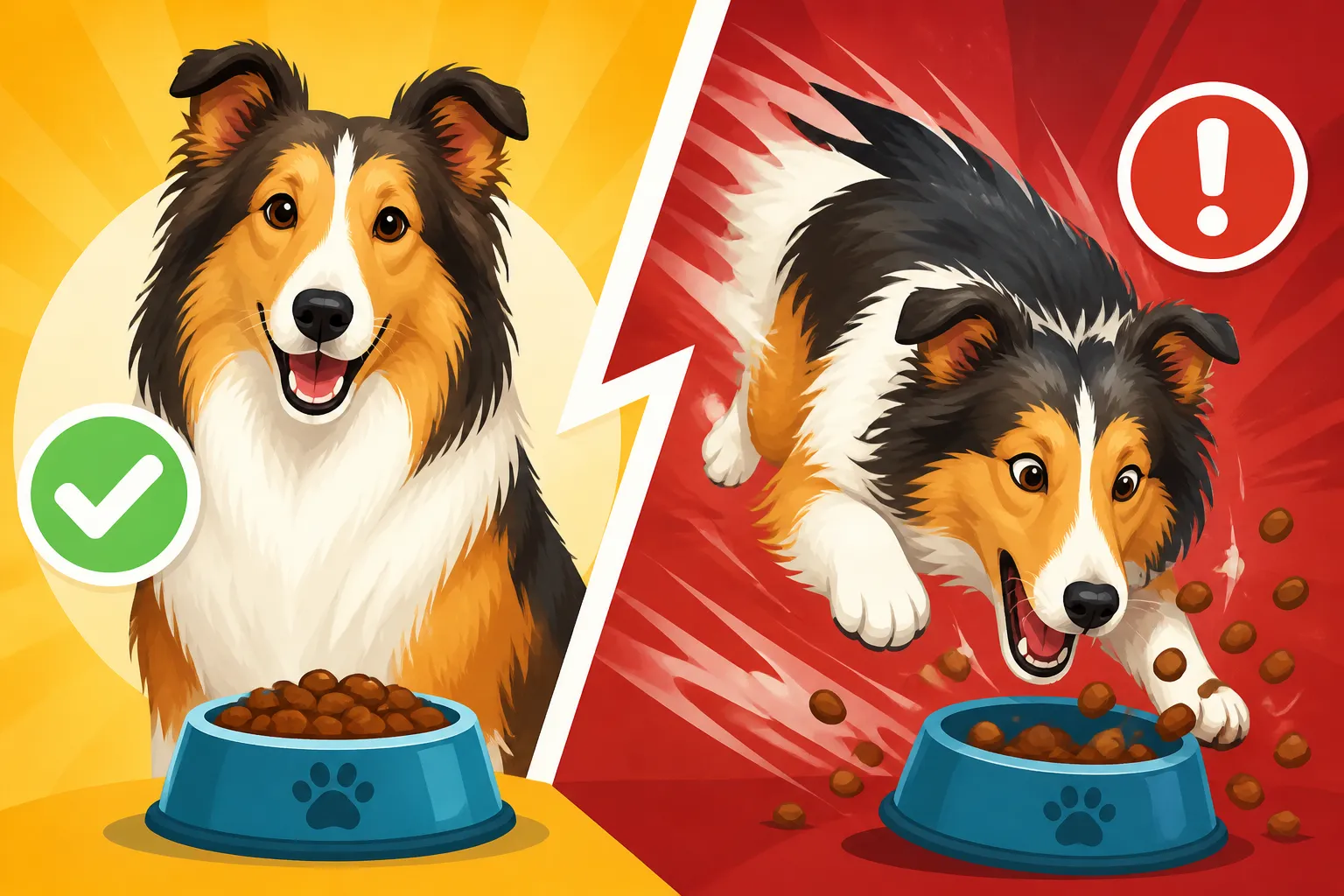
It's a scene many Collie owners know all too well: you put down a carefully measured bowl of delicious kibble, and before you can even turn around, your beautiful, dignified Collie has inhaled it like a vacuum cleaner. You might find yourself wondering, "Did they even taste it?" or worse, worrying if this speed eating is actually harmful. This guide is all about diving deep into why your Collie might be bolting their food and, more importantly, what practical steps you can take to slow them down for their health and your peace of mind.
Understanding Why Your Collie Eats So Fast
When you see your Collie scarfing down their dinner in mere seconds, it's easy to assume they're just super hungry or perhaps a bit rude. But the truth is, there's often more going on than meets the eye. This behavior, while common in many dog breeds, has roots in instinct, early experiences, and even some physical factors. It's not usually a sign they don't appreciate your culinary efforts, but rather a reflection of deeper drives.
The Instinctual Drive to Gulp and Guard
Think about dogs in the wild, or even just a few generations back. Food wasn't guaranteed. When a meal was available, the fastest eater got the most, and those who took their time risked losing their share to a more dominant pack member. This "eat it before it's gone" mentality is hardwired into our canine companions, even the ones living a pampered life on your sofa. Your Collie, despite their calm demeanor, carries millennia of this ancestral programming. They might not be fending off wolves for a deer carcass, but that quick-eating instinct still whispers in their ear at dinnertime. It’s an evolutionary trait that ensures survival, even when there's no real threat of food scarcity in your cozy kitchen.
Early Experiences and Learned Behaviors
A Collie's early life can significantly shape their eating habits. If they grew up in a large litter, they might have learned to eat quickly to compete with their siblings for resources. Imagine a dozen hungry Collie puppies all vying for the same food bowl – it’s a race to the finish! This competitive dynamic can stick with them into adulthood. Similarly, rescue dogs, especially those who may have experienced periods of food insecurity, often develop a habit of eating rapidly. For them, every meal could have been their last for a while, so gobbling it down was a survival mechanism. This learned behavior is incredibly strong, and it takes patience and consistent effort to help them unlearn it. Even if they're now in a loving home where food is plentiful, that past experience can heavily influence their current eating style.
Physical Factors and Underlying Hunger
Sometimes, fast eating can be a symptom of something more than just instinct or learned behavior. Certain medical conditions can increase a dog's appetite, leading them to eat more quickly than usual. For instance, some metabolic disorders or issues with nutrient absorption might make your Collie feel constantly hungry, even after a meal. This isn't common, but it's worth considering if your dog suddenly starts bolting food or seems insatiably hungry. Additionally, the type of food you're offering can play a role. If a food isn't nutritionally dense or doesn't agree with your Collie's digestive system, they might not feel satiated, prompting them to eat faster in an attempt to feel full. It's always a good idea to consider these factors, especially if the behavior is new or accompanied by other changes.
The Serious Risks of Fast Eating for Your Collie
While it might seem like a harmless quirk, a Collie who bolts their food faces several significant health risks. As a breed known for its deep chest, Collies are particularly susceptible to certain life-threatening conditions exacerbated by rapid eating. Understanding these dangers is crucial for motivating changes in their mealtime habits. It's not just about preventing an upset tummy; it's about safeguarding their overall well-being.
The Terrifying Threat of Bloat
This is arguably the most critical concern for any deep-chested breed like a Collie. Bloat, medically known as Gastric Dilatation-Volvulus (GDV), is a life-threatening condition where the stomach fills with gas and then twists. When a Collie eats too quickly, they often gulp down a lot of air along with their food. This excess air contributes to stomach distension, which can then lead to the stomach twisting. Bloat in a Deep Chested Collie is a terrifying emergency that can progress incredibly rapidly, often within hours. The symptoms can be subtle at first – restlessness, discomfort, pacing, and attempts to vomit without producing anything – but without immediate veterinary intervention, it's often fatal. The deep chest of a Collie creates more space for the stomach to expand and twist, making them inherently more prone to this condition than many other breeds. Understanding Why a Collie's Chest Shape Raises Bloat Risk is paramount for owners.
Choking and Digestive Distress
Beyond bloat, there are more immediate, albeit less fatal, risks associated with fast eating. When a dog gulps down large quantities of food without properly chewing, they are at a higher risk of choking. Pieces of kibble can become lodged in their throat, causing distress and a frantic coughing or gagging fit. Even if they don't choke, swallowing large, unchewed chunks of food puts extra strain on their digestive system. This can lead to indigestion, regurgitation (which is different from vomiting), and even painful gas. Imagine trying to digest a whole, unbroken meal yourself – it's just not efficient, and it can cause a lot of discomfort. These digestive upsets, while not as immediately life-threatening as bloat, certainly don't contribute to a happy, healthy Collie.
Poor Nutrient Absorption and Weight Management
When food is eaten too quickly, it doesn't spend enough time in the mouth for enzymes to begin the digestive process, nor does it allow the stomach to properly break down the nutrients. This can lead to inefficient digestion and absorption of essential vitamins and minerals. Your Collie might be eating a high-quality diet, but if they're not properly extracting the nutrients, they're not getting the full benefit. Over time, this could contribute to nutritional deficiencies, even if they appear to be eating plenty. Furthermore, rapid eating doesn't give the brain enough time to register satiety, meaning your Collie might still feel hungry even after consuming a full meal. This can lead to begging for more food, and potentially overfeeding, contributing to weight gain – another issue that can impact a Collie's long-term health and joint comfort. Whether a Collie's Weight Shortens Its Life is a legitimate concern for any attentive owner.
Effective Strategies to Slow Down Your Collie's Eating
Now that we understand the 'why' and the 'what if,' let's get to the 'how.' There are many effective, often simple, methods you can employ to encourage your Collie to eat more slowly. The goal isn't to make mealtime a chore, but rather a more relaxed, safer experience that benefits their digestion and overall health. Consistency is key here, and finding the right tool or technique for your individual Collie might involve a little trial and error.
Choosing the Right Feeding Tools
One of the most straightforward ways to slow down a fast eater is to change how they access their food. Traditional bowls are just too easy! Enter the world of slow feeder bowls and puzzle feeders. Slow feeder bowls come with various ridges, mazes, or pillars that force your Collie to navigate around obstacles to get each bite of food. This instantly turns mealtime into a mental exercise, slowing them down considerably. Brands available from retailers like Chewy or Amazon offer a huge variety of styles and materials, so you can find one that suits your Collie's size and chewing habits.
| Feeder Type | Description | Pros | Cons | Best For |
|---|---|---|---|---|
| Slow Feeder Bowl | Bowl with ridges, mazes, or compartments | Immediately slows eating, durable, easy to clean | Some dogs may still be able to get food quickly, can be bulky | Most fast eaters, minimal effort from owner |
| Puzzle Feeder | Interactive toy that dispenses kibble as dog solves a puzzle | Highly engaging, provides mental stimulation, very effective at slowing | Can be harder to clean, some dogs give up easily, may not hold a full meal | Dogs needing mental enrichment, those easily bored |
| Snuffle Mat | Fabric mat with fringes and pockets to hide kibble | Mimics natural foraging, soft on nose, good mental exercise | Can get messy, not as durable for strong chewers, harder to clean | Dogs who enjoy sniffing, those needing gentle introduction to slow feeding |
| Baking Sheet/Tray | Spreading kibble thinly across a large, flat surface | Inexpensive, simple, requires dog to pick up individual pieces | Can be messy, food can scatter, requires supervision | Occasional use, easy home solution, for dogs not prone to scatter |
Puzzle feeders take it a step further, requiring your Collie to manipulate a toy or solve a simple puzzle to release their kibble. These are fantastic for providing mental enrichment along with slowing down eating. You might also consider spreading their kibble across a wide, flat baking sheet or even scattering it across a clean patch of grass in the yard. This forces them to pick up individual pieces, turning mealtime into a foraging game. Some owners even use Kongs or other stuffable toys, packing kibble tightly inside to make them work for their meal.
Adjusting Feeding Routines and Environment
The 'how' and 'where' of feeding can also make a big difference. Instead of one large meal, consider splitting your Collie's daily food allowance into two or three smaller meals throughout the day. This reduces the sheer volume they have to get through at once and can lessen the urgency they feel. Whether a Collie's Meals Should Be Split is a valid question, and for a fast eater, the answer is usually yes.
If you have multiple pets, feed them separately to eliminate any perceived competition. Even if your Collie isn't fighting for food, the mere presence of another animal can trigger that "eat it before it's gone" instinct. A quiet, undisturbed feeding area can help them feel more relaxed. It's also wise to ensure your Collie has a calm, quiet period after eating, especially if you're concerned about bloat. Avoid strenuous exercise immediately before or after meals. Whether a Collie Should Rest After Eating is a definite yes, with at least an hour of calm time recommended on either side of eating.
Adding Enrichment and Engagement to Meals
Making mealtime a bit more interesting can naturally slow things down. Instead of just plopping a bowl down, think about ways to engage your Collie's brain and body. As mentioned, puzzle feeders are great, but you can also use simple DIY methods. Hiding small portions of kibble around the house, letting your Collie 'hunt' for their dinner, engages their natural sniffing abilities and makes eating a more active, thoughtful process. This isn't just about slowing them down; it's also a wonderful way to provide mental stimulation, which is crucial for intelligent breeds like Collies. Some owners even incorporate training into mealtime, asking for a "sit" or "stay" before each small portion is given. This helps build impulse control around food and makes them focus on you, not just the bowl.
For those interested in high-quality food options, services like Ollie provide fresh, human-grade meals that some owners find can also help with satiety and digestion, although the primary mechanism for slowing eating will still be the delivery method. The key is to make eating a process, not just an event.
When to Seek Veterinary Advice About Fast Eating
Most of the time, a Collie bolting their food is a behavioral issue that can be managed with the strategies we've discussed. However, there are instances when rapid eating could be a symptom of an underlying health concern that warrants a visit to your veterinarian. Knowing when to simply adjust your feeding routine and when to seek professional medical advice is essential for responsible pet ownership.
Sudden Changes in Appetite and Eating Habits
If your Collie has always been a relatively calm eater and suddenly starts wolfing down their food, this change in behavior should raise a flag. Any abrupt shift in appetite or eating speed, especially if it's sustained over a few days, can be an indicator that something internal is at play. It's not just about eating faster; it could also manifest as an increased interest in food, constant hunger cues, or even trying to steal food – behaviors they didn't exhibit before. A sudden change like this can sometimes point to metabolic changes, parasitic infections, or other health issues that a vet can diagnose and treat. Don't dismiss a sudden and drastic shift in habits; it's always better to be safe than sorry.
Accompanying Symptoms to Watch For
While fast eating on its own is often manageable, it becomes a greater concern if it's accompanied by other worrying symptoms. Keep an eye out for:
- Vomiting or Regurgitation: If your Collie frequently brings up their food, especially soon after eating, it could be a sign of digestive issues or simply that they're eating too fast for their system to handle.
- Diarrhea or Changes in Stool: Poor digestion from rapid eating can lead to gastrointestinal upset.
- Weight Loss or Gain: Despite eating quickly, if your Collie is losing weight, it could indicate nutrient malabsorption. Conversely, always feeling hungry might lead to overeating and weight gain. Signs a Collie Is Overweight Under All That Coat can be tricky to spot, so regular body condition checks are important.
- Lethargy or Behavioral Changes: If your normally energetic Collie seems unusually tired or withdrawn, alongside their changed eating habits, it’s definitely time for a vet visit.
- Excessive Thirst or Urination: These can be signs of underlying medical conditions that also affect appetite.
- Signs of Bloat: As mentioned, bloat is an emergency. Watch for restlessness, pacing, distended abdomen, unproductive retching, or signs of pain. Knowing Signs a Collie Is Bloating can literally save their life.
If you notice any combination of these symptoms with your Collie's fast eating, please don't hesitate. A quick phone call to your vet can provide peace of mind or prompt necessary diagnostic steps.
Discussing Diet, Medications, and Preventatives with Your Vet
Even without alarming symptoms, it's always a good idea to discuss your Collie's eating habits with your veterinarian during their regular check-ups. They can offer insights into whether their current diet is appropriate for their age, activity level, and breed-specific needs. Sometimes, simply adjusting the type of food or discussing portion sizes can make a difference. Your vet can also advise on the best preventative measures, especially concerning bloat, and assess your Collie's overall risk factors. For example, if your Collie is an MDR1 carrier, discussing all medications and preventatives is crucial. Your vet can also recommend specific slow feeder options or refer you to a veterinary nutritionist or behaviorist if the problem persists or seems particularly entrenched. They are your best resource for personalized advice to ensure your Collie's long, healthy, and happily fed life.
Disclaimer
This article is for general informational purposes only and does not constitute professional advice. Laws, prices and regulations vary by location and change over time. Consult a qualified professional for guidance on your specific situation.