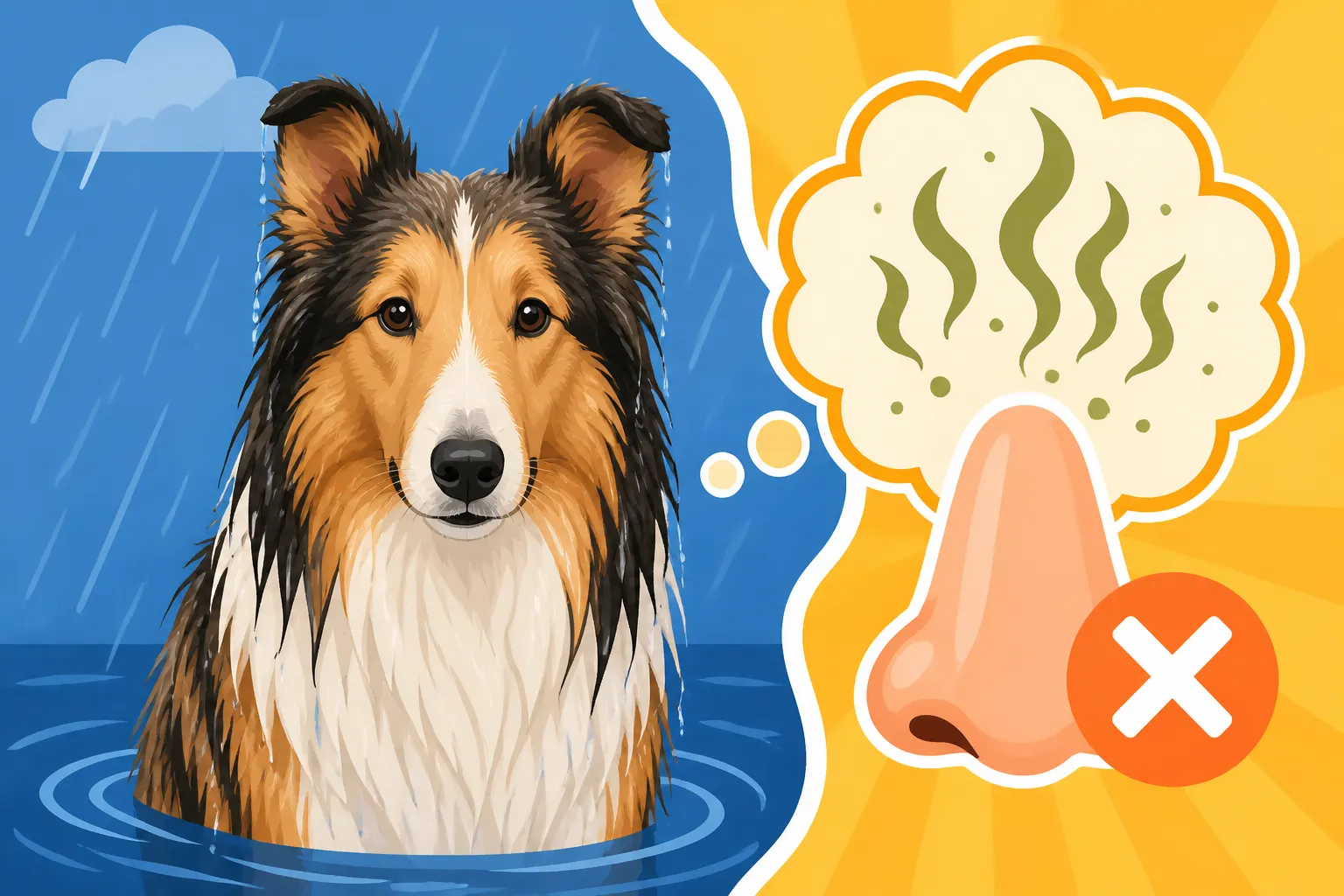
Whether a Collie Smells When Wet
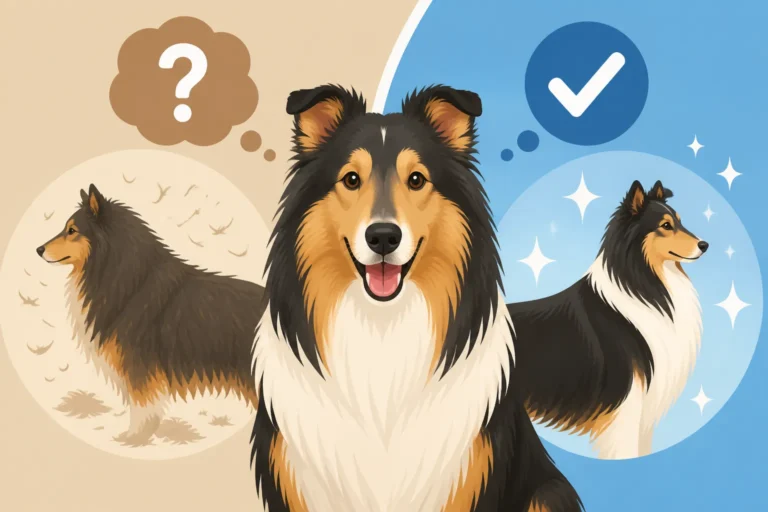
Ah, the distinct aroma of a wet dog! If you're a Collie owner, you've probably experienced it firsthand – that peculiar, earthy, sometimes slightly musky scent that seems to permeate every corner of your home after your beautiful dog has been caught in a sudden rain shower, enjoyed a splash in a muddy puddle, or even just emerged from a bath. It's a common frustration, and many of us wonder if our beloved Collies are just particularly prone to this phenomenon. This guide will dive deep into why this happens and what you can realistically do to manage it.
The Science Behind the Damp Dog Stink
Let's be honest, it’s not exactly the scent of roses. The "wet dog smell" isn't a myth, and it’s certainly not just imagination. It's a real, tangible odor that results from a fascinating, albeit sometimes unpleasant, combination of biology and physics. Many dog owners resign themselves to it, thinking it's just "how dogs are," but understanding the root cause can empower you to tackle it more effectively.
Not Just Water: The Microbial Ecosystem on Your Collie's Skin
When your Collie gets wet, it's not simply the water itself that produces that distinctive smell. Think about a damp towel left in a gym bag for a day or two—it develops a sour, musty odor, right? That’s not the towel; it's the microorganisms thriving on it. The same principle applies to your dog. Your Collie's skin and coat are home to a bustling, microscopic ecosystem of bacteria and yeasts, which are completely normal inhabitants. These tiny organisms produce waste products, including volatile organic compounds (VOCs). When your dog's coat is dry, these compounds are largely contained, and the smell is minimal or non-existent because the bacteria and yeast are less active and their byproducts aren't as easily released into the air.
However, add water into the mix, and things change dramatically. Water acts as a solvent, breaking down the chemical bonds that hold these VOCs in place. As the water evaporates, it carries these odor molecules into the air more efficiently, amplifying the smell. The humidity also creates an ideal breeding ground for these microbes, leading to an increase in their activity and, consequently, more odor-producing byproducts. It’s a bit like opening a Pandora’s box of smells, all thanks to a little bit of moisture.
The Double Coat Dilemma: Why Collies Are Particularly Affected
Collies, with their magnificent, flowing double coats, are often more susceptible to the wet dog smell than their short-haired counterparts. While their glorious fur is a hallmark of the breed, it also presents unique challenges when it comes to moisture and odor. This isn’t a flaw in the breed; it’s simply a characteristic that requires specific care and understanding from their human companions.
Their coat consists of two distinct layers: a soft, dense undercoat that provides insulation, and a longer, coarser outer coat (or guard hairs) that offers protection from elements like rain and snow. This double layer is incredibly efficient at trapping air, which helps keep them warm in winter and cool in summer. Unfortunately, it's also incredibly efficient at trapping moisture. When a Rough Collie gets thoroughly wet, the water penetrates both layers, becoming ensnared deep within the dense undercoat. This means it takes a considerably longer time for a Collie's coat to dry completely compared to a dog with a single, shorter coat. The longer the coat remains damp, the more time the bacteria and yeast have to feast and produce those strong-smelling VOCs, intensifying the odor. It also creates a more humid, warm environment close to the skin, which is exactly what these microbes love to thrive in. This is why a quick towel-off sometimes isn't enough; the dampness can linger for hours, or even days, deep within the fur. This is a common point of frustration for many owners, who find themselves dealing with persistent dampness and odor even after what they thought was a thorough drying session.
Common Culprits Behind a Stronger-Than-Normal Wet Smell
While a certain level of "wet dog smell" is almost unavoidable, there are definitely factors that can escalate it from a mild, fleeting aroma to a powerful, lingering stench that makes you want to open every window in the house. Understanding these common culprits can help you pinpoint if there’s more to your Collie’s wet-dog pong than just a normal post-bath dampness. Sometimes, what you're smelling is an indicator that something needs a little extra attention.
Diet and Skin Health
You know that old saying, "you are what you eat"? Well, it applies to our Collies too, perhaps more than we often realize, especially when it comes to their skin and coat health, and by extension, their overall scent. A high-quality, balanced diet plays a crucial role in maintaining a healthy skin barrier and a vibrant coat. If your Collie's diet is lacking in essential nutrients, particularly Omega fatty acids, or if they have sensitivities to certain ingredients, it can manifest in poor skin health. This can lead to dry, flaky skin, excessive oil production, or even mild inflammation, all of which create a less-than-ideal environment on the skin.
When the skin isn't healthy, the natural microbial population can become unbalanced. For instance, an overgrowth of yeast on the skin (which thrives on certain skin conditions) can produce a distinct "yeasty" or "corn chip" smell, especially when wet. If you notice your Collie developing a particularly strong, unusual odor when wet, it might be worth evaluating their food. Brands like Ollie, which focus on fresh, human-grade ingredients, aim to provide comprehensive nutrition that supports skin and coat health from the inside out. Sometimes, switching to a high-quality food or adding a supplement recommended by your vet can make a noticeable difference in their natural body odor, wet or dry. You might also want to look into Whether a Collie Needs a Grain Free Diet if you suspect food sensitivities.
The Neglected Coat: Mats and Trapped Debris
For a breed as gloriously coated as the Collie, regular and diligent grooming isn't just about aesthetics; it's absolutely vital for their health and smell. A neglected coat is a prime incubator for odors, and this becomes painfully apparent when moisture is introduced. When your Collie isn't brushed regularly, especially a Rough Collie, their dense undercoat can quickly form mats and tangles. These aren't just unsightly; they're problematic.
Mats trap dead hair, dirt, debris, moisture, and even environmental allergens and microscopic organisms close to the skin. This creates a miniature, unventilated ecosystem where bacteria and yeast can flourish unchecked. When this matted, dirty fur gets wet, the trapped moisture activates all those odor-producing compounds with a vengeance, leading to a much stronger and more unpleasant smell than you'd get from a clean, well-maintained coat. The longer the debris and dampness are held against the skin, the more intense the odor becomes. That's why what seems like a simple walk in the rain can turn your Collie into a walking funk bomb if their coat isn't in top condition. Neglecting the coat can also lead to skin irritation underneath the mats, further contributing to odor. Regular line brushing is essential, and understanding How to Line Brush a Collie can make a huge difference.
Underlying Health Conditions: When Smell Signals Trouble
While a degree of "wet dog smell" is normal, a truly foul, persistent, or unusual odor, especially if it doesn't dissipate after your Collie is completely dry, should never be ignored. Sometimes, a strong or strange smell is your Collie's way of telling you that something isn't quite right with their health.
Here are a few common health culprits that can contribute to a significantly worse wet dog smell:
- Skin Infections: Bacterial or yeast infections (like Malassezia dermatitis) on the skin are notorious for causing strong, unpleasant odors—often described as sweet, musty, or truly rancid. These infections can be hidden beneath the dense Collie coat and might flare up when moisture encourages microbial growth. You might notice your Collie scratching excessively, or there might be redness or greasy patches on the skin. A vet might suggest a skin biopsy to diagnose the specific issue, which can be useful if you're concerned about What a Collie's Skin Biopsy Costs.
- Allergies: Environmental or food allergies can lead to inflamed skin, hot spots, and secondary infections, all of which contribute to a stronger odor. An allergic Collie might constantly lick or chew at their paws or body, leading to further irritation.
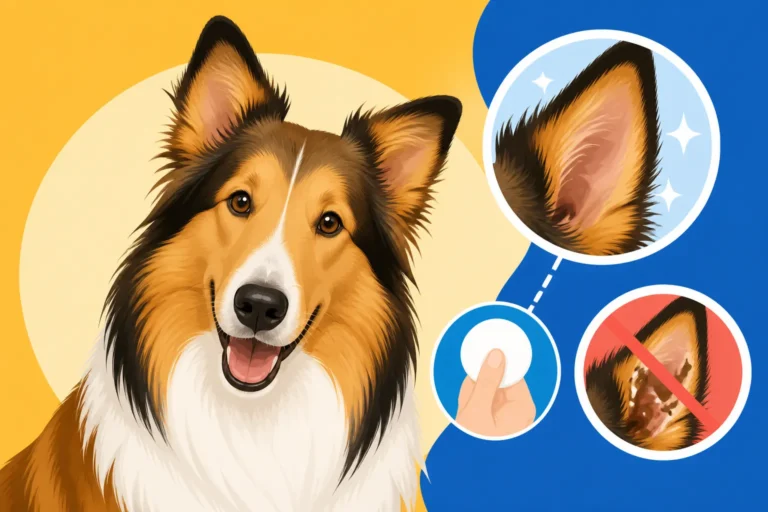
- Ear Infections: If the smell seems to be concentrated around the head, your Collie might have an ear infection. These are often yeasty or bacterial and can produce a very strong, unpleasant odor.
- Dental Disease: Bad breath from severe dental disease can sometimes contribute to a general "off" smell, especially if your Collie is older or has neglected oral hygiene.
- Anal Gland Issues: Impacted or infected anal glands can produce a truly noxious, fishy odor that can be overwhelming. While not always directly linked to getting wet, the dampness might make the smell more noticeable or easier to spread.
If you suspect any underlying health issue, it's crucial to consult your veterinarian. They can properly diagnose the problem and recommend appropriate treatment. Addressing the root cause will not only improve your Collie's comfort and health but will also significantly reduce any persistent, abnormal odors. Learning Whether a Collie Carries an Odor beyond the typical wet dog smell is important for recognizing these issues.
Strategies to Minimize the Wet Collie Aroma
Okay, so we understand why our Collies get that distinctive wet dog smell. The good news is, armed with this knowledge, there are plenty of proactive steps we can take to keep that aroma to a minimum, ensuring your home smells more like… well, just home, and less like a damp dog park. It's all about consistent care and smart choices.
Drying Thoroughly Is Key: Embrace the Power of the Blow Dryer
This is arguably the single most impactful step you can take. Given the Collie's dense double coat, simply letting them air dry, or giving them a quick rub with a towel, simply won’t cut it. That deep undercoat will remain damp for hours, or even days, allowing those odor-producing microbes to have a field day.
After a bath or a really soggy outdoor adventure, the goal is to get your Collie's coat bone dry as quickly and safely as possible.
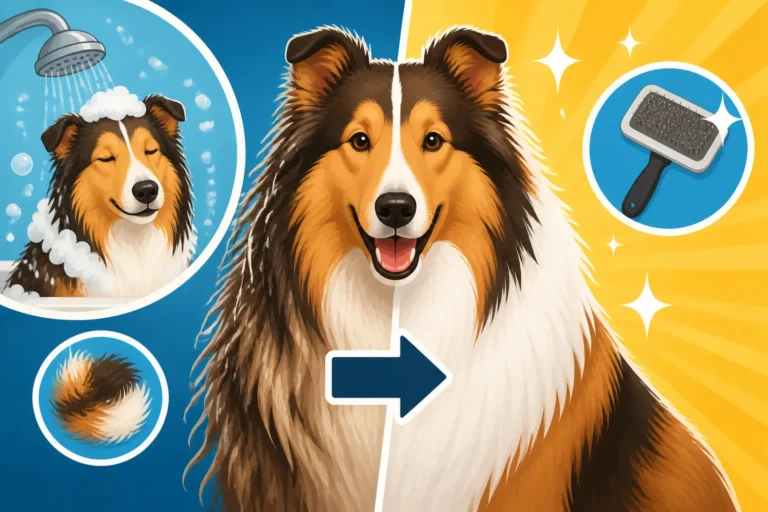
- Towel Dry Vigorously First: Start with absorbent microfibre towels. Really work them into the coat to wick away as much surface moisture as you can. Don’t just dab; gently squeeze and rub the coat.
- Invest in a High-Velocity Dryer: This is a game-changer for Collie owners. These aren't like human hair dryers; they blow cool or slightly warm air at a high velocity, effectively pushing water out of the coat rather than just evaporating it. They significantly cut down drying time and reach deep into the undercoat. While the initial investment might seem a bit steep, the time saved and the reduction in damp dog smell are well worth it. You can find excellent options on Amazon or Chewy.
- Brush While Drying: As you dry, use your pin brush and slicker brush (which you can find good quality versions of on Amazon) to line brush through the coat. This helps separate the hairs, allowing air to circulate and moisture to escape more efficiently. It also ensures you don’t miss any damp spots hidden beneath layers of fur. For more on proper drying, check out How to Dry a Collie Properly.
- Listen and Feel: Don't just rely on sight. Run your fingers deep into the coat, especially around the mane, ruff, and feathering on the legs. If it feels even slightly cool or damp, keep drying.
Regular Grooming and Product Choices: Prevention is Better Than Cure
A clean coat starts with a routine. Consistent grooming isn't just for show dogs; it's fundamental for every Collie's well-being and odor management.
- Consistent Brushing: Regular brushing, even when your Collie isn't wet, helps remove dead hair, dirt, and dander that can harbor odor-causing microbes. This also prevents matting, which, as we discussed, is a prime culprit for trapped moisture and smell. Aim for at least a few times a week, more if they've been particularly active outdoors. For tips, revisit How Often a Rough Collie Should Be Brushed.
- Appropriate Shampoos and Conditioners: Not all dog shampoos are created equal. Look for formulas specifically designed for double coats or those with deodorizing properties. Hypoallergenic shampoos are also great if your Collie has sensitive skin. Always follow up with a good conditioner to help maintain coat health and make subsequent brushing easier. You can browse a wide selection of suitable products on Chewy. Knowing Which Shampoo Suits a Collie's Coat can make a big difference.
- Don't Over-Bathe: While cleanliness is important, bathing too frequently can strip the natural oils from your Collie's skin and coat, potentially leading to dryness and irritation. This, in turn, can make their skin more susceptible to issues that cause odor. Most Collies do well with a bath every 4-6 weeks, or as needed when they get truly dirty. If you're managing a specific skin condition, your vet might recommend a more frequent bathing schedule with medicated shampoos.
- Consider Deodorizing Sprays: For quick refreshers between baths, there are many dog-safe deodorizing sprays available. These can help neutralize odors in the coat without needing a full bath. Just be sure to choose one that’s specifically formulated for dogs and doesn’t just mask scents with overwhelming perfumes.
Maintaining Overall Health: A Holistic Approach to Freshness
Remember how diet and underlying health issues can contribute to a stronger smell? Addressing these elements is part of a holistic approach to keeping your Collie smelling fresh, wet or dry.
- High-Quality Nutrition: Ensure your Collie is on a well-balanced, high-quality dog food. A healthy gut and optimal nutrition translate to healthier skin and coat. Some owners find that fresh food diets, like those offered by Ollie, lead to improved coat condition and reduced body odor. Discuss dietary changes with your vet to ensure they're appropriate for your individual Collie.
- Regular Vet Check-ups: Routine veterinary visits are essential for catching any underlying health issues, like skin allergies, ear infections, or even dental problems, before they become severe and lead to significant odor. Your vet can advise on preventive care and address any concerns you have about persistent smells or skin conditions.
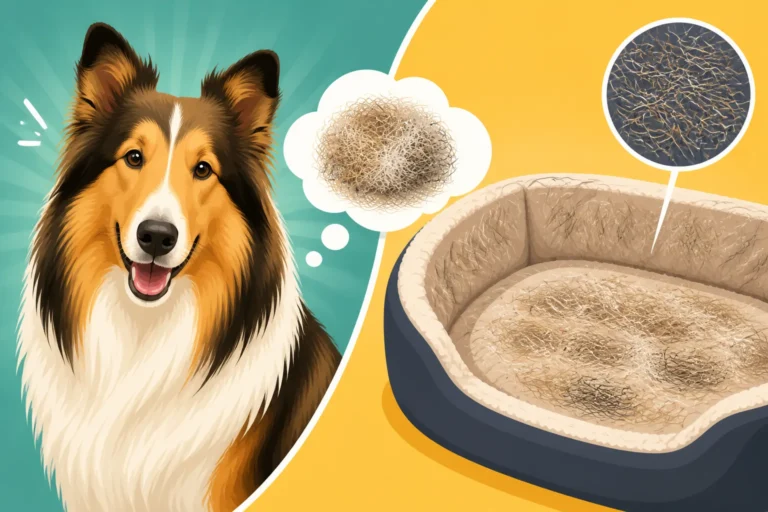
- Environmental Cleanliness: Keep your Collie's bedding, blankets, and grooming tools clean. These items can absorb odors and transfer them back to your dog. Regularly washing bedding and cleaning brushes can make a surprisingly big difference.
By implementing these strategies, you can significantly reduce the dreaded wet Collie smell and enjoy your beautiful companion more, rain or shine.
When a Wet Smell Is a Warning Sign: Distinguishing Normal From Nasty
It's one thing to have that familiar, earthy "wet dog" scent after a romp in the rain; it's quite another if your Collie consistently smells foul, even after drying, or if the odor is accompanied by other unsettling symptoms. Knowing the difference between a normal dampness aroma and a red flag for a health issue is crucial for every Collie owner. Your nose can be an early warning system!
Persistent Odor After Drying: A Sign to Investigate
If your Collie has been thoroughly dried – and we mean really dry, deep into that undercoat with a high-velocity dryer – yet a strong, unpleasant smell lingers, it's time to pay closer attention. A healthy, clean Collie, once dry, should typically not carry a strong, offensive odor. If you're still catching whiffs of something yeasty, fishy, sour, or generally "off" hours after they've dried out, it suggests an ongoing issue that the water simply made more apparent.
This persistent odor points towards an overgrowth of bacteria or yeast on the skin, or another internal problem. It's not just the water activating existing smells; it's a constant source of new smell being produced. This is a tell-tale sign that your Collie's skin microbiome is out of balance, or there's an infection brewing. Don't simply tolerate it or assume it's just "how they are."
Accompanying Symptoms: More Than Just a Smell
The smell itself is often just one piece of the puzzle. If a concerning odor is present, look for other symptoms that your Collie might be exhibiting. These can include:
- Excessive Itching or Licking: If your Collie is constantly scratching, biting, or licking at their paws, flanks, or around their ears, it's a strong indicator of skin irritation or an infection.
- Redness or Inflammation: Part the fur and look at the skin underneath. Do you see any red patches, inflamed areas, or tiny bumps? These are classic signs of dermatitis or infection.
- Flaky or Greasy Skin: Abnormal skin texture, such as excessive flakiness (dandruff) or a greasy, oily feel to the coat, can indicate skin issues.
- Hair Loss or Thinning: Localized hair loss, especially if accompanied by crusting or sores, is a serious sign of skin problems.
- Sores or Scabs: Open sores, scabs, or hot spots suggest an active infection or severe irritation.
- Changes in Ear Appearance: Redness, swelling, or discharge in the ears, combined with a foul smell, points to an ear infection.
- Behavioral Changes: Lethargy, loss of appetite, or general discomfort can sometimes accompany infections, making your Collie feel unwell.
If you observe any of these symptoms along with a persistent, abnormal odor, it’s a clear signal that your Collie needs professional attention. Don't wait for it to get worse.
Vet Consultation: When to Seek Professional Help
When in doubt, always consult your veterinarian. They are your best resource for accurately diagnosing and treating any health issues your Collie might be facing. Describe the smell you're noticing (e.g., yeasty, fishy, putrid), and detail any accompanying symptoms you've observed. Your vet will conduct a thorough examination, which may include:
- Skin Scrapes or Cytology: Taking samples from the skin to examine under a microscope for bacteria, yeast, or parasites.
- Blood Tests: To check for underlying systemic issues or allergies.
- Allergy Testing: If allergies are suspected as a root cause.
- Ear Swabs: To check for ear infections.
Treating the underlying condition will naturally alleviate the offensive odor. For example, if it's a yeast infection, your vet might prescribe medicated shampoos or oral antifungals. If it's a bacterial infection, antibiotics might be necessary. Addressing issues like Whether a Collie Gets Skin Infections Under Its Coat directly will not only make your Collie more comfortable but will also bring back that pleasant, clean dog smell (or lack thereof!). Remember, a Collie's health and happiness are paramount, and addressing these issues promptly is part of responsible pet ownership.
| Odor Type | Possible Cause | Accompanying Symptoms | Action to Take |
|---|---|---|---|
| Normal Wet Dog | Activated skin microbes, damp coat | No other symptoms, smell dissipates upon drying | Thorough drying, regular grooming |
| Yeasty/Sweet | Yeast overgrowth (Malassezia dermatitis), ear infections | Itching, redness, greasy skin, head shaking, ear discharge | Vet visit for diagnosis and antifungals/medicated shampoos |
| Fishy/Foul | Anal gland issues, bacterial skin infection | Scooting, licking hindquarters, redness, open sores, general malaise | Vet visit for anal gland expression/infection treatment, antibiotics for skin |
| Sour/Musty | Bacterial overgrowth, dirty coat, mats | Itching, skin irritation, mats, dull coat | Increased brushing, thorough drying, appropriate shampoo, vet check if persistent |
| Pungent/Rancid | Severe skin infection, allergies | Intense itching, redness, hair loss, hot spots, sores | Urgent vet visit for diagnosis and treatment, allergy management |
This table serves as a general guide. If you're ever concerned about your Collie's smell, a professional veterinary opinion is always the best course of action.
Disclaimer
This article is for general informational purposes only and does not constitute professional advice. Laws, prices and regulations vary by location and change over time. Consult a qualified professional for guidance on your specific situation.