Whether a Deshedding Bath Speeds a Collie’s Blow
That time of year when your beautiful Collie decides to redecorate your entire home with their luxurious coat can be incredibly frustrating. You’re vacuuming daily, brushing endlessly, and still finding tumbleweeds of fur in every corner. It makes you wonder if there’s anything you can do to shorten this hairy season, and a "deshedding bath" often comes up as a potential savior. But does it truly speed up your Collie's coat blow, or is it just another myth? This guide is here to shed some light on the subject, offering realistic expectations and practical advice for managing your Collie's epic shedding.
Understanding the Collie Coat Blow Phenomenon
Let's be honest, living with a Collie means living with hair. But then there are those specific times of year when it feels like your dog is actively trying to divest themselves of their entire wardrobe, all over your furniture and floors. This isn't just regular shedding; this is the full-blown "coat blow," and it's a completely different beast.
What Exactly Is a "Coat Blow"?
A coat blow, or "blowing coat," is when your Collie sheds an extraordinary amount of their undercoat over a relatively short period, usually a few weeks. It's a natural, seasonal cycle, often triggered by changes in temperature and daylight hours, typically happening in the spring to prepare for warmer weather and in the fall to make way for a thicker winter coat. However, it can also be influenced by hormonal changes, such as after spaying or neutering, or even after a litter of puppies.
Unlike regular, daily shedding where a steady amount of hair comes out, a coat blow sees massive clumps of soft, downy undercoat detaching from the skin. It feels like your dog is literally disintegrating into a pile of fluff. If you've ever thought your Collie could produce enough yarn to knit a sweater for a small horse, you're not wrong! This isn't just about surface hair; it's the deep, insulating layer coming out in droves.
The Anatomy of a Collie's Double Coat
To really understand why a coat blow is such a production, we need to talk about your Collie's incredible double coat. They aren't just fluffy; their coat is a marvel of natural engineering, designed to protect them from the harsh Scottish weather their ancestors endured.
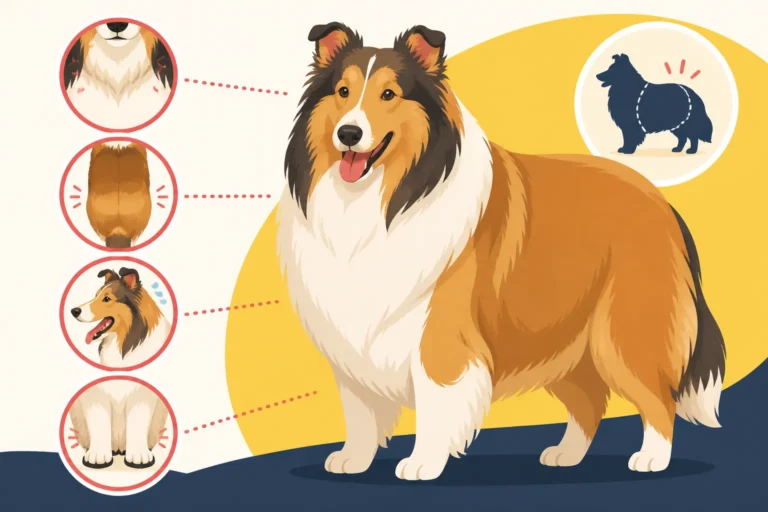
The Collie's coat consists of two distinct layers. First, there's the long, harsh, protective outer coat, known as the guard hairs. These are coarser, somewhat water-resistant, and give the Collie their classic silhouette. They don't shed as profusely, or as frequently, as the undercoat. Beneath this lies the dense, soft, and woolly undercoat. This layer acts as insulation, keeping them warm in winter and cool in summer by trapping air. It’s this undercoat that makes up the bulk of what comes out during a coat blow. When this undercoat is "blown," it means the individual hairs have reached the end of their life cycle and are ready to be released, often in a hurry.
The Frustration of Living with a Blowing Coat
Let's face it, living through a Collie's coat blow can test the patience of even the most devoted dog owner. You start to feel like you're fighting a losing battle against a never-ending blizzard of fur. That pristine black pair of trousers you just put on? Instantly covered. The fresh bedsheets? Not anymore. Every surface becomes a landing strip for Collie fluff.
Beyond the visible hair everywhere, there's the added stress of preventing mats. All that loose undercoat, especially around areas like behind the ears, armpits, and under the tail (the "petticoat" area), can quickly tangle into dense, painful mats if not addressed promptly. These mats can pull on the skin, cause discomfort, and even lead to skin irritation or infections if left unchecked. It's a constant cycle of brushing, vacuuming, and lint-rolling, making you wonder if you'll ever see the true color of your carpet again.
The Mechanics of a Deshedding Bath
So, if the coat blow is such a monumental event, can something as seemingly simple as a bath really make a difference? Yes, but not just any bath. A deshedding bath is a specific, multi-step process designed to tackle that stubborn undercoat.
What a Deshedding Bath Entails
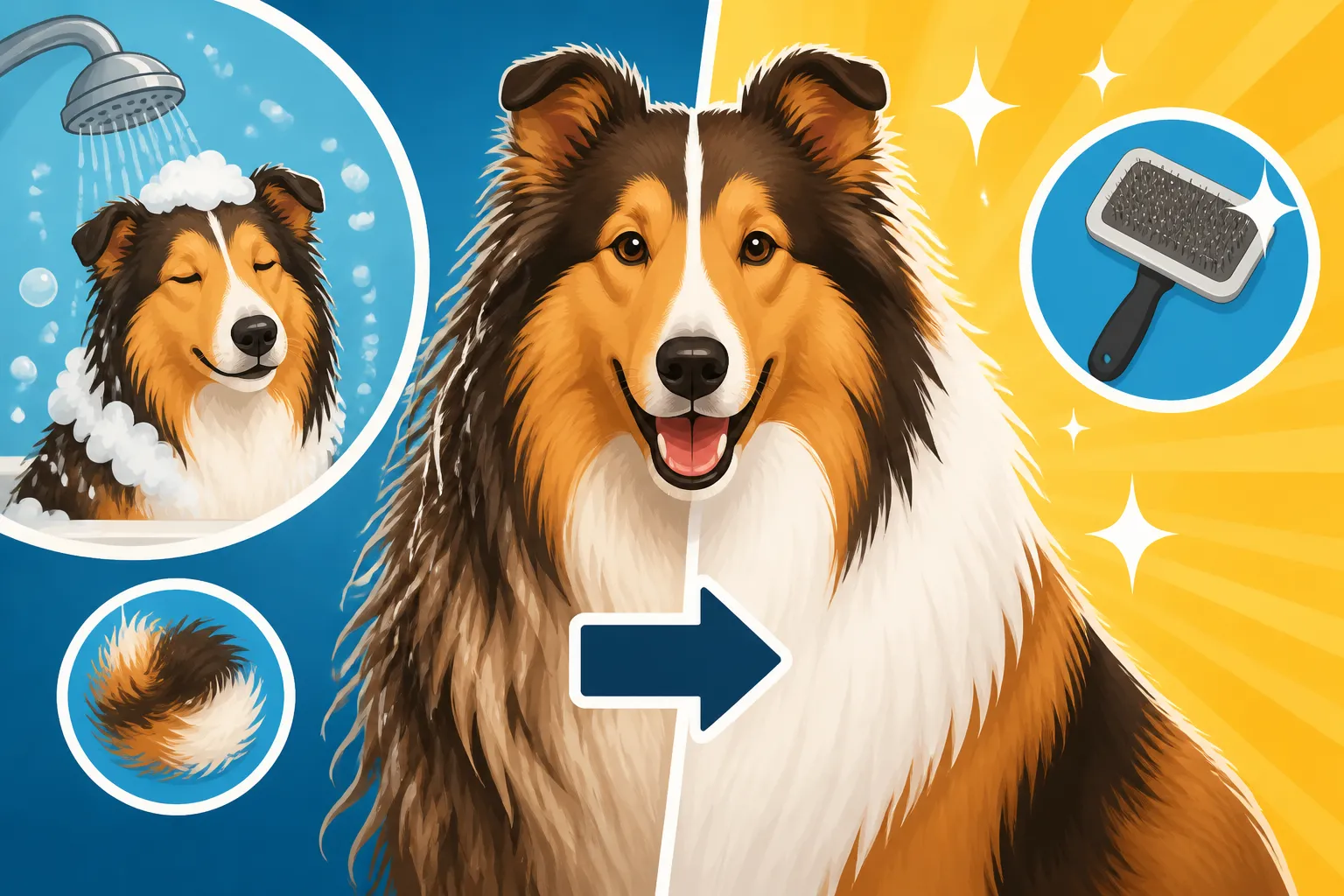
A proper deshedding bath is far more involved than simply getting your Collie wet and scrubbing them down with any old shampoo. It's a targeted attack on loose undercoat, utilizing specialized products and powerful tools. The process typically starts with a thorough brushing before the bath to remove as much dry, loose hair as possible, which helps the water penetrate better.
Then comes the washing phase, often involving a deshedding shampoo that's formulated to help release the dead undercoat by nourishing the skin and hair follicles. This is usually followed by a deshedding conditioner, which further lubricates the coat, making it easier for the loose hair to slide out. The products are typically left on for a few minutes to work their magic. The real game-changer, however, often happens during the drying process.
How Deshedding Products Work on a Collie's Coat
Deshedding shampoos and conditioners aren't just marketing hype; they contain ingredients designed to optimize the coat for shedding. Many of these products are enriched with omega fatty acids, vitamins, and moisturizing agents. Their purpose isn't to magically stop shedding (because that's impossible and unhealthy), but rather to strengthen the existing hair, reduce breakage, and — crucially during a coat blow — help loosen and release the dead undercoat that's already detached but still trapped within the coat.
Think of it like this: the shampoo cleanses the coat and skin, preparing it, while the conditioner provides slip and lubrication. This "slip" makes it much easier for the high-velocity dryer and subsequent brushing to effectively remove the tremendous volume of undercoat that's just sitting there, waiting to fall out. Products often marketed as "deshedding" aim to moisturize the hair follicle and skin, which can contribute to a healthier coat overall, meaning less breakage and perhaps a slightly less dramatic everyday shedding cycle outside of the main blow.
The Role of the High-Velocity Dryer
While the shampoos and conditioners are important, the unsung hero of the deshedding bath, especially for a double-coated breed like a Collie, is the high-velocity dryer. This isn't your average human hairdryer; these powerful machines blow air at incredible speeds, literally blasting out water and, more importantly, loose hair from deep within the coat.
After the shampoo and conditioner have done their work and your Collie is thoroughly rinsed, the high-velocity dryer is used methodically, section by section. The force of the air separates the guard hairs and penetrates the dense undercoat, dislodging and expelling vast quantities of dead fluff that brushing alone would struggle to reach. It’s like a wind tunnel for fur, and you'd be amazed at the sheer volume of hair that comes flying out. This process effectively does in one session what weeks of regular brushing might accomplish, consolidating the shedding process and significantly reducing the amount of hair still trapped in the coat. This is often the step that makes owners feel like the coat blow is being "sped up." If you're tackling this at home, it might be worth investigating Whether a High Velocity Dryer Is Worth It for a Collie.
Can a Deshedding Bath Truly Speed Up the Blow?
This is the million-dollar question for every Collie owner staring at a mountain of fur. The short answer is: yes, in a very practical sense, it can. But it's important to clarify what "speeding up" actually means here.
The Immediate Impact: Reducing Loose Hair Significantly
A deshedding bath, particularly when combined with a high-velocity dryer, doesn't magically alter your Collie's natural biological shedding cycle. Your dog will still produce the same amount of dead undercoat. What it does do, however, is remove a massive amount of that already-dead, detached undercoat in one concentrated session. Instead of that hair slowly falling out over weeks, scattering across your house and clinging to everything, a significant portion of it is extracted all at once.
This means that while the biological process of hair turnover isn't "sped up," the visible and tangible effects of the coat blow are dramatically compressed. You effectively front-load a lot of the shedding. So, instead of a drawn-out, three-week nightmare of fur, you might experience a couple of very intensive days or weeks following the bath where residual loose hair still emerges, but the bulk of it has already been dealt with. This can feel like a huge relief and certainly makes the overall shedding period feel shorter and more manageable.
Preventing Mats and Secondary Issues
One of the often-underestimated benefits of a deshedding bath during a coat blow is its effectiveness in preventing mats. As we've discussed, loose undercoat is the primary culprit behind painful tangles and mats, especially in the areas where movement and friction occur, such as behind the ears or in the "pants" of their hind legs. When you have a thick, woolly layer of dead hair trying to escape, it easily gets caught with live hair, forming dense knots.
By actively removing a significant portion of that loose undercoat, a deshedding bath drastically reduces the material available to form mats. This not only keeps your Collie more comfortable and pain-free but also prevents potential skin issues. Mats can trap moisture, dirt, and parasites against the skin, leading to hot spots, skin infections, or discomfort. A clean, de-shedded coat allows for better air circulation to the skin, promoting overall skin health during a time when their body is under a lot of stress from the coat turnover. Taking the time to prevent mats can save you a lot of headache and vet bills down the line. It's often debated Where a Collie Mats First, but a deshedding bath helps all those common areas.
Managing Expectations: It's Not a Magic Bullet
While a deshedding bath is incredibly effective, it's crucial to manage your expectations. It is not a "cure-all" that will stop your Collie from shedding entirely, nor will it eliminate the coat blow. Your Collie will still shed, and they will still blow their coat seasonally. The bath simply helps to manage the intensity and duration of the visible shedding period. You won't bathe your Collie and suddenly find zero hair in your house.
Instead, think of it as hitting the "fast forward" button on the most aggressive part of the shedding cycle. You're condensing weeks of frustrating, continuous hair loss into a much shorter, more concentrated period. You might find a noticeable reduction in the amount of hair floating around your home for several weeks post-bath, but the process will eventually restart. It's a tool in your grooming arsenal, not a magic wand. Regular maintenance, even after a deshedding bath, is still vital.
Practical Tips for Deshedding Baths at Home or Professionally
Deciding whether to tackle a deshedding bath yourself or head to a professional groomer can depend on your comfort level, your Collie's temperament, and the tools you have at hand. Both options have their merits.
DIY Deshedding at Home: The Essentials
If you're brave enough to attempt a deshedding bath at home, you'll need a few essential tools to make the process effective and as stress-free as possible for both you and your Collie.
First, invest in a good quality deshedding shampoo and conditioner specifically designed for double-coated breeds. Brands like Furminator offer popular lines, but many professional grooming brands also have excellent options you can find on Chewy or Amazon. Second, you'll need a strong bathing setup. A walk-in shower or a large tub with a handheld spray nozzle works best. Prepare plenty of towels, because Collies are champions at shaking water everywhere.
The most crucial piece of equipment, however, is a high-velocity dryer. Without it, you simply won't achieve the same level of undercoat removal. While they can be an investment, they are invaluable for a Collie owner. Ensure your Collie is comfortable with the noise and sensation before you start – positive reinforcement and gradual introduction are key. Start with an initial brush-out to remove as much loose hair as possible. Bathe thoroughly, working the deshedding products deep into the coat, and rinse meticulously until the water runs clear. Then, the real work begins with the high-velocity dryer, aiming to dry the coat completely while blasting out all that loose undercoat. Follow up with a good undercoat rake and a slicker brush.
When to Seek Professional Grooming
For many Collie owners, especially those with limited space, an uncooperative dog, or simply a lack of the right tools, a professional groomer is an absolute lifesaver during coat blow season. Professional groomers have specialized equipment that can make a huge difference. They typically have large, elevated tubs for easier handling, and powerful, industrial-strength high-velocity dryers that can dry a thick Collie coat much faster and more effectively than anything you'd use at home.
Beyond the equipment, groomers possess the expertise in proper bathing techniques, product application, and, most importantly, the skill to thoroughly de-shed a double coat without damaging it. They know how to identify and carefully work out mats that might otherwise become severe. A professional groomer can often complete the entire deshedding process in a fraction of the time it would take an inexperienced owner, and they can ensure your Collie's skin is healthy and coat is properly maintained. While it's an upfront cost, the time saved and the quality of the result can be well worth it, especially if you're struggling to manage How Much Hair Comes Off a Collie in a Session.
Frequency and Timing for Optimal Results
Timing is everything when it comes to maximizing the benefits of a deshedding bath for your Collie's coat blow. Ideally, you want to schedule the bath right when you notice the coat blow beginning, not when it's already a full-blown blizzard in your living room. Catching it early means you're proactively removing the undercoat before it has a chance to mat or spread throughout your home in extreme quantities.
For most Collies, this means a deshedding bath once or twice during their primary spring and fall coat blows. If your Collie is particularly prone to heavy shedding, or if you live in a climate with less distinct seasonal changes, you might find a professional deshedding treatment every 8-12 weeks helpful for year-round management. However, over-bathing with harsh deshedding shampoos can strip natural oils from the coat, so always follow product instructions and consult with your groomer. The goal is to assist the natural process, not to interfere with it to an unhealthy degree. Remember, even after a thorough deshedding bath, consistent daily or every-other-day brushing will still be necessary to maintain the coat and keep residual shedding under control.
Beyond the Bath: Complementary Grooming Strategies
While a deshedding bath is a powerful tool, it's just one part of a comprehensive grooming strategy for a Collie, especially during their coat blow. Think of it as a major offensive, but you still need ongoing maintenance to win the war on fur.
Regular Brushing Is Still Key
Even after the most thorough deshedding bath, regular brushing remains absolutely paramount for a Collie. A bath will remove a significant portion of loose undercoat, but it won't get every single hair, and new hairs will continually reach the end of their cycle. Daily or every-other-day brushing, particularly using a technique like line brushing, is essential to keep on top of the shedding and prevent new mats from forming.
Line brushing involves parting the coat and brushing in small sections, making sure to get right down to the skin to remove trapped undercoat. This methodical approach ensures that you're not just skimming the surface but truly de-shedding the entire coat. An undercoat rake and a slicker brush are indispensable tools for this. Regular brushing not only removes dead hair but also distributes natural skin oils, promoting a healthy, shiny coat. It also gives you a chance to bond with your Collie and check for any skin issues or parasites. For detailed guidance, you might find How to Line Brush a Collie extremely helpful.
Nutrition and Hydration's Role in Coat Health
What goes into your Collie's body has a direct impact on the health and quality of their coat, and by extension, their shedding patterns. A well-balanced diet, rich in high-quality protein and essential fatty acids (like Omega-3 and Omega-6), contributes to stronger, healthier hair follicles. Healthy hair is less prone to breakage and sheds more predictably when its time comes. Poor nutrition, on the other hand, can lead to a dull, brittle coat and excessive shedding.
Ensure your Collie has constant access to fresh, clean water. Proper hydration is vital for skin health, and healthy skin supports a healthy coat. Some owners find that adding a fish oil supplement to their Collie's diet can further enhance coat health and reduce excessive non-seasonal shedding. Considering premium food options like Ollie or other reputable brands can make a noticeable difference in your dog's overall coat condition. Always consult your vet before making significant changes to your dog's diet or adding supplements.
Monitoring for Skin Issues
During intense shedding periods, especially if the undercoat isn't being regularly removed, your Collie's skin can become vulnerable to various issues. Mats, as mentioned, can pull at the skin and create localized irritation. Trapped moisture and lack of air circulation under a dense, shedding coat can lead to hot spots (acute moist dermatitis), which are painful, rapidly spreading skin infections.
It's crucial to regularly inspect your Collie's skin during grooming sessions, especially in dense areas or where mats are common. Look for redness, irritation, sores, bumps, or any signs of discomfort. If you notice persistent scratching, licking, or any unusual skin conditions, it's important to consult your veterinarian promptly. Early intervention can prevent minor issues from escalating into more serious problems that might require extensive treatment. Your diligence during the coat blow period is not just about keeping your house clean, but about ensuring your beloved Collie's comfort and well-being.
Comparing Deshedding Approaches
To help you decide the best approach for managing your Collie's coat blow, here's a quick comparison of DIY deshedding at home versus opting for professional grooming services.
| Feature | DIY Deshedding at Home | Professional Grooming Service |
|---|---|---|
| Cost | Higher initial investment in tools (dryer, products), lower ongoing cost per session. | Higher cost per session, no initial tool investment. |
| Time Commitment | Significant time required for each session (2-4+ hours). | Drop-off and pick-up, actual grooming time handled by professional. |
| Required Tools | High-velocity dryer, deshedding shampoo/conditioner, pin brush, undercoat rake. | All specialized tools and products provided. |
| Skill/Effort | Requires learning proper techniques, patience, and physical effort. | Handled by experienced groomer, less effort for owner. |
| Effectiveness | Highly effective if done correctly with proper tools. | Generally more effective due to specialized equipment and expertise. |
| Convenience | Can be done on your schedule at home. | Requires scheduling appointments and travel. |
| Collie Comfort | Dependent on your dog's temperament and your skill. | Groomers are experienced in handling nervous dogs. |
| Risk of Mats | Reduced significantly if done thoroughly. | Excellent mat prevention due to thoroughness. |
Ultimately, whether you choose to brave the coat blow with a DIY deshedding bath or seek professional help, the key is consistency and a proactive approach. While a deshedding bath won't stop the natural cycle, it can certainly help you and your Collie navigate the furry storms with a little more sanity and a lot less loose hair scattered around your home. Your Collie's comfort and your peace of mind are absolutely worth the effort.
Disclaimer
This article is for general informational purposes only and does not constitute professional advice. Laws, prices and regulations vary by location and change over time. Consult a qualified professional for guidance on your specific situation.