How to Line Brush a Collie
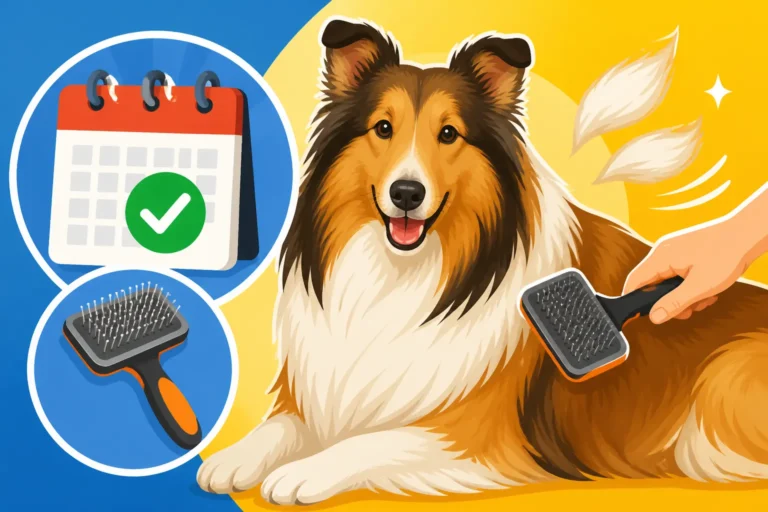
If you're a Collie owner, you know the immense pride that comes with their magnificent coats – and the equally immense frustration when you spend ages brushing, only to find mats still lurking deep within the undercoat. It feels like you're brushing for hours but never quite getting to the root of the problem, literally. This guide is here to walk you through line brushing, a game-changing technique that ensures you thoroughly tackle that dense double coat, preventing painful mats and keeping your beloved Collie looking their absolute best.
Understanding Your Collie's Coat and Why Line Brushing is Key
Owning a Collie, whether rough or smooth, means committing to their spectacular coat. It’s part of their iconic charm, but it's also a significant grooming challenge if not approached correctly. Many owners find themselves in a constant battle with tangles and shedding, often because they haven't quite mastered the technique that truly addresses the unique structure of a Collie's fur.
The Double-Coated Challenge: Rough vs. Smooth
Both Rough and Smooth Collies boast a double coat, although the length and density differ dramatically. The Rough Collie, of course, is the poster child for glorious flowing locks, with a long, harsh outer coat and a soft, dense undercoat. This combination acts like nature's insulation, protecting them from the elements. However, it's also a magnet for debris and, if neglected, a breeding ground for mats. The undercoat sheds extensively twice a year, during what we lovingly call "coat blows," but it's also constantly renewing itself. Even a Smooth Collie, despite its shorter, denser outer coat, still has that crucial undercoat. While they might seem less prone to major matting, their undercoat can still pack down and become uncomfortable if not managed. The fundamental challenge with both varieties is getting through the top layer to the fluffy, often tangled, undercoat beneath. It’s a bit like trying to comb through a thick, layered rug – you can't just skim the surface.
Why Surface Brushing Isn't Enough for a Collie
You might be diligently brushing your Collie every day, thinking you're doing a great job, only to run your fingers through their fur and feel those tell-tale lumps near the skin. This is the classic pitfall of surface brushing. When you simply brush over the top layer of fur, you're primarily removing loose guard hairs and smoothing the visible coat. What you're missing is the dense undercoat, especially around the "feathering" on their legs, the ruff around their neck, and the thick fur on their britches and tail. This undercoat can quickly become compacted, trapping shed hair and creating a felt-like mat right against your Collie’s skin. Not only is this uncomfortable and potentially painful for your dog, pulling at their skin with every movement, but it can also lead to skin irritation, hot spots, or even infections if moisture gets trapped underneath. It's a frustrating cycle where you put in effort but don't see the lasting results, and your dog still suffers from hidden tangles. This is where line brushing becomes absolutely indispensable, reaching those deep layers that regular brushing simply can't. You can learn more about managing this in How Often a Rough Collie Should Be Brushed.
Essential Tools for a Successful Line Brushing Session
Before you embark on your line brushing journey, gathering the right tools is paramount. Trying to line brush a Collie with just any old brush is like trying to paint a masterpiece with a toothbrush – you'll get somewhere, but it won't be pretty or efficient. The right equipment makes all the difference in achieving a thorough, comfortable, and effective grooming session for both you and your furry friend.
Gathering Your Grooming Arsenal
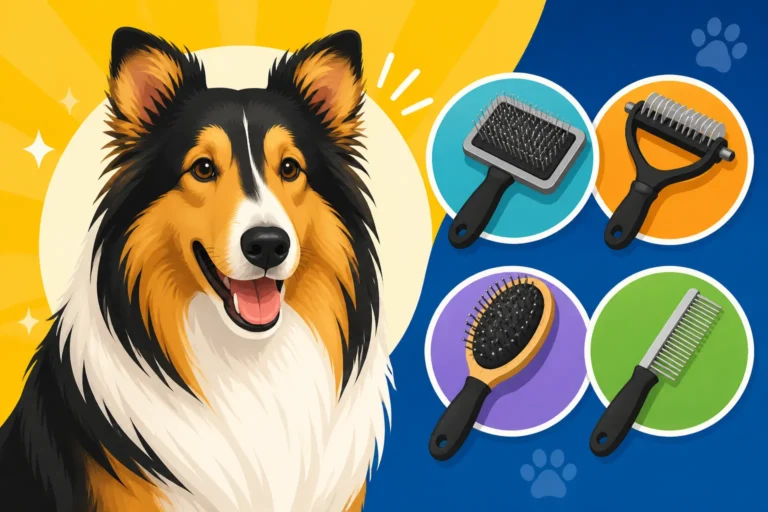
For line brushing, you'll need a few specific items to really get into that dense coat. First, a good quality pin brush is non-negotiable. Look for one with long, sturdy, but flexible pins, ideally with rounded tips to prevent scratching your dog's skin. This is your primary tool for separating and lifting the hair. Next, a slicker brush can be incredibly useful, particularly for removing loose undercoat and for detailing smaller areas, but choose one that is soft and flexible, not one with harsh, rigid pins. You don't want to irritate delicate skin. Many Collie owners swear by brands that focus on gentle yet effective grooming. You might find a great selection of these on sites like Amazon or Chewy, often with reviews from other long-coated breed owners.
Crucially, you'll also need a metal comb, often called a greyhound comb, with both wide and fine teeth. This isn't just for show; it's your mat-detection and verification tool. The wider teeth help untangle larger sections, and the finer teeth are essential for checking your work and ensuring no small tangles remain near the skin. Finally, a detangling spray or a light conditioning spray can be a lifesaver. Never brush a dry coat, especially when dealing with tangles, as this can cause breakage and static. A good spray lubricates the hair, making it easier to work through and less likely to break. Brands like Ollie might not offer grooming products directly, but the concept of specialized care extends to the grooming tools you choose. For a deeper dive into the specific types, check out Which Four Brushes a Collie Owner Needs.
Creating a Comfortable Grooming Environment
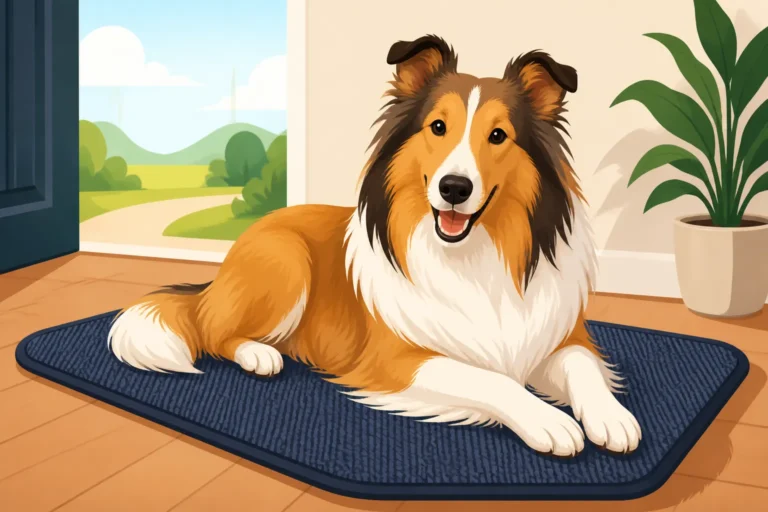
The right tools are only half the battle; the right environment is just as important. Think about where you'll be grooming your Collie. A sturdy, non-slip surface at a comfortable height for you is ideal. Many people opt for a dedicated grooming table, which prevents back strain and allows you to easily reach all parts of your dog. If you don't have a table, a non-slip bath mat on a stable surface can work. The key is to make it a positive experience for your Collie. Have plenty of high-value treats on hand to reward good behavior. Speak in a calm, soothing voice. If your Collie is new to extensive grooming, keep sessions short and positive, gradually increasing the duration as they become more comfortable. A stressed dog will make the process much harder and less effective for everyone involved. Remember, patience is your most important tool, even more than the brushes themselves. If you started this early, it helps with How to Teach a Collie Puppy to Lie Still for Grooming.
A Step-by-Step Guide to Line Brushing Your Collie
Now that you're armed with the right tools and a positive mindset, it's time to dive into the technique itself. Line brushing might sound complicated, but it's really about systematic, thorough work, section by section. Once you get the hang of it, you'll wonder how you ever managed without it.
Preparing the Coat and Setting the Foundation
Before you even pick up your main brush, give your Collie's coat a light spritz with your detangling or conditioning spray. This helps to reduce static, makes the hair more pliable, and protects it from damage. Then, use your pin brush or a gentle slicker brush to do a quick, superficial brush over the entire coat. This isn't line brushing yet; this step is just to remove any obvious loose hair, dirt, or surface debris. It gives you a cleaner slate to work with.
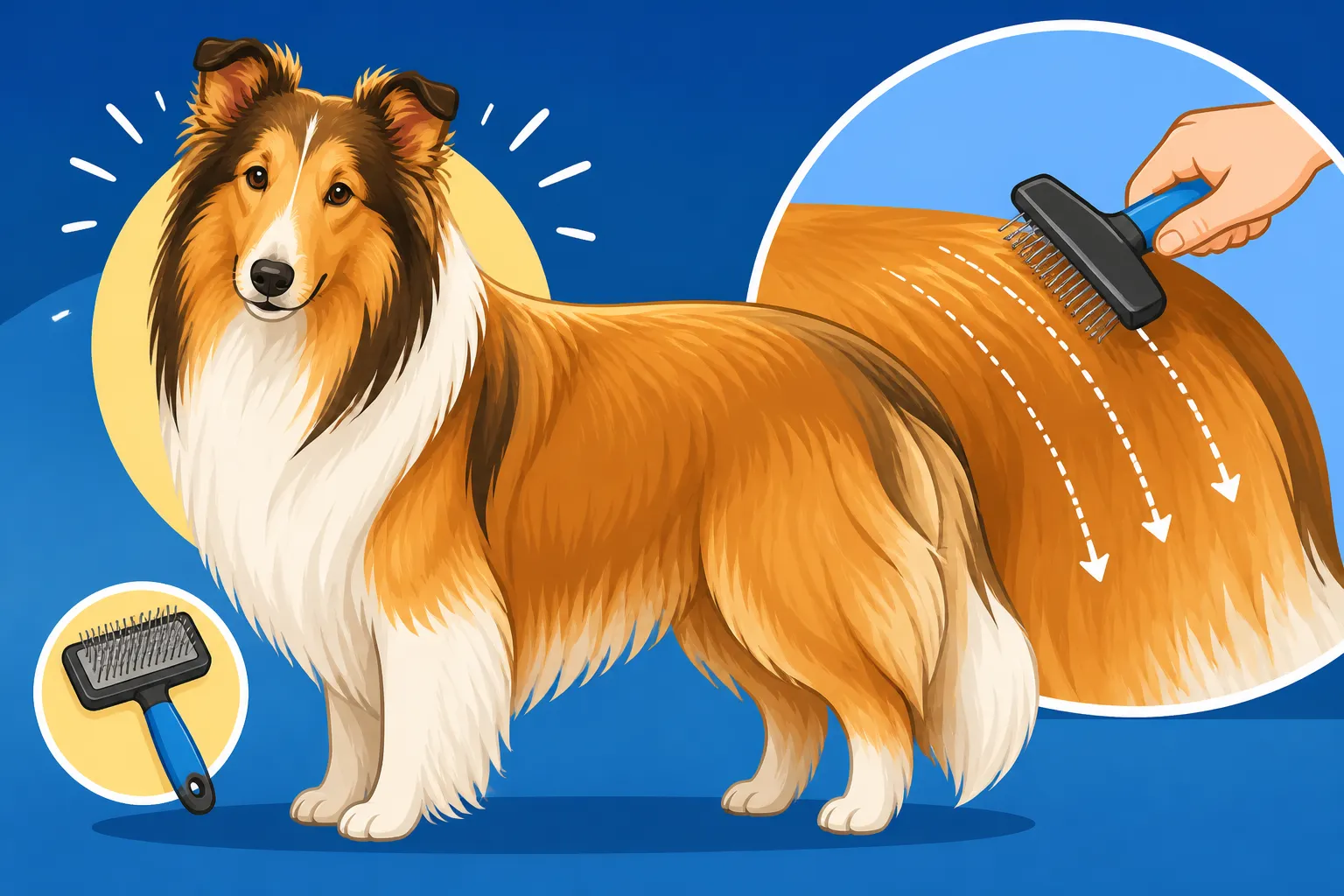
Now, here's where the "line" comes in. Imagine drawing an invisible line across your Collie's body, perhaps starting at their hindquarters or a leg, whichever is easiest for you to manage first. The goal is to lift all the hair above that line, exposing only a narrow strip of undercoat along the line itself. You can use your hand or the wide teeth of your metal comb to gently part the fur. This thin line of exposed coat is what you will focus on brushing first. It's about breaking down the overwhelming task of a full Collie coat into manageable, small sections. This careful preparation is essential to avoid missing spots, especially in dense areas like the mane or Where a Collie Mats First.
The Technique: Section by Section
With your narrow line of fur exposed, pick up your pin brush. Place the brush head on the skin, not just skimming the top of the hair. You want to feel the pins gently touching the skin. Then, brush downwards and outwards, thoroughly working through that small section of exposed fur. Your strokes should be firm but gentle, ensuring you're pulling out any shed undercoat and untangling any knots. Once you've brushed that first line completely, you'll then lift the next small section of hair above it, exposing another narrow line. Repeat the process: brush from the skin out, making sure every strand in that line is free of tangles and shed hair.
You'll systematically work your way across your Collie's body. If you start on one side of the hindquarters, move incrementally towards the tail, then up the back, over the shoulders, and down the legs. Pay special attention to high-friction areas where mats love to hide: behind the ears, in the armpits, on the insides of the legs, and the dense feathering on the tail. It’s a bit like meticulously tending a garden row by row – you don't move to the next row until the current one is perfectly weeded. This patient, methodical approach is what makes line brushing so incredibly effective. It ensures no section is missed, no tangle goes unnoticed, and your Collie receives a truly deep, thorough grooming.
The Comb Test: Your Mat-Free Seal of Approval
Once you believe you've thoroughly line brushed a section, it's time for the ultimate test: your metal comb. Take your comb and gently run the wide-toothed side through the freshly brushed section, from the skin all the way out to the tip of the fur. If the comb glides through without snagging or meeting resistance, congratulations! You've done a fantastic job, and that section is mat-free.
However, if the comb snags, don't despair – this is precisely why you're doing the comb test! It means there’s still a tangle or a patch of trapped undercoat that your brush didn't quite catch. Go back to that spot with your pin brush and detangling spray. Gently work the tangle out, perhaps using only the tips of the brush or the fine teeth of your comb to tease it apart. Never yank or pull, as this is painful for your dog and can cause coat damage. Once the comb glides freely through that area, you can move on to the next section of your Collie's coat, repeating the line brushing and comb test until you’ve covered their entire body. This final check is crucial for truly ensuring a mat-free coat and for the health and comfort of your Collie. It's an important part of knowing How Long Brushing a Collie in Full Coat Takes.
Common Line Brushing Mistakes and Troubleshooting
Even with the best intentions and the right tools, line brushing can present its challenges, especially when you're first learning the ropes. It’s easy to get frustrated or feel like you're missing something. But by understanding common pitfalls and how to address them, you can turn potential struggles into smooth, successful grooming sessions.
Overlooking Problem Areas and Stubborn Mats
One of the most frequent mistakes is rushing through or completely overlooking those notorious matting hot spots. We all know them: the fluffy "britches" on the back of their thighs, the delicate fur behind their ears, the tender skin in their armpits, and the majestic, but often tangled, tail. These areas accumulate friction and static, making them prime locations for mats to form, sometimes seemingly overnight. If you encounter a stubborn mat, resist the urge to pull or cut it out with scissors – especially if it’s close to the skin, which can easily lead to accidental nicks or cuts. Instead, apply a generous amount of detangling spray directly to the mat. Use your fingers to gently try and pull the mat apart into smaller sections. Then, starting from the very end of the mat, use the wide teeth of your metal comb or even just the very tips of your pin brush to gently tease out small strands, working your way slowly towards the skin. It’s a slow process, but patience here is truly a virtue. Sometimes, using a V-rake can also help break apart larger mats safely, but always proceed with extreme caution. For severely matted dogs, a professional groomer may be necessary to avoid pain and potential injury. Read up on How to Work Out a Mat Behind a Collie's Ear for more specific advice.
Patience and Consistency: The Long-Term Benefits
Line brushing is not a quick fix; it's a commitment. If you've just brought home a Collie puppy, starting with short, positive grooming sessions early on will make this routine much easier as they grow. For adult Collies, especially those not accustomed to thorough grooming, you might need to build up their tolerance over time. What matters most is consistency. Regular line brushing, even if it's not daily for every Collie, will prevent small tangles from escalating into painful, large mats.
Think of it this way: a little bit of effort consistently applied goes a long, long way in the long run. When you stay on top of the undercoat, you'll notice less shedding around your house, and your Collie's coat will look healthier, shinier, and feel incredibly soft. Moreover, these grooming sessions become bonding time. Your Collie learns to trust you and even enjoy the attention, making the whole experience a positive ritual. It’s an investment in their comfort, health, and your shared relationship, truly embodying the care you give them through their lifespan, as discussed in Caring for a Collie Past Nine.
| Tool | Primary Use | Key Feature | Where to Find |
|---|---|---|---|
| Pin Brush | Separating hair, lifting undercoat | Long, flexible pins with rounded tips | Amazon, Chewy |
| Slicker Brush | Removing loose undercoat, small tangles | Soft, flexible pins | Amazon, Chewy |
| Metal Comb | Detangling, checking for mats (comb test) | Wide & fine teeth, sturdy | Amazon, Chewy |
| Detangling Spray | Lubricating coat, preventing breakage, static | Conditioning, sometimes scented | Pet Stores |
| Grooming Table | Elevating dog, comfort for groomer | Non-slip surface, adjustable height (optional) | Amazon |
Disclaimer
This article is for general informational purposes only and does not constitute professional advice. Laws, prices and regulations vary by location and change over time. Consult a qualified professional for guidance on your specific situation.