Whether a Collie Needs Daily Brushing in Full Coat
It's a question many Collie owners wrestle with, especially those of us with a magnificent Rough Collie in their prime: does your beautiful, flowing-coated companion truly need daily brushing? The sheer volume of fur can feel overwhelming, and the thought of committing to a daily grooming session might deter even the most dedicated owner. This guide is here to shed some light on the reality of maintaining a Collie's glorious coat, what "full coat" truly entails, and whether daily brushing is a non-negotiable part of that routine or if there are smart alternatives to keep your Collie comfortable and mat-free.
Understanding the Collie's Coat Cycle and "Full Coat"
Let's be honest, a Collie's coat is what often draws us to them in the first place—it's undeniably stunning! But it's also a double-edged sword when it comes to grooming. Understanding how their coat works is the first step in figuring out your brushing strategy.
What "Full Coat" Actually Means
When we talk about a Collie in "full coat," we're not just talking about a fluffy dog. We're talking about a magnificent, dense double coat designed for insulation and protection. The outer coat, or guard hairs, are long, straight, and coarse, acting as a protective barrier against the elements. Beneath this lies the soft, thick, woolly undercoat, which is truly responsible for keeping your Collie warm in winter and insulated from heat in summer. It’s this undercoat that gives the Collie its characteristic volume and density, particularly around the mane, frill, and "petticoats" on the legs.
A Collie truly in full coat is a sight to behold, but it also means there’s a lot of hair to manage. The guard hairs can tangle, and the undercoat, if not properly maintained, can quickly become a dense, felted mess, especially in areas of friction. This beautiful coat isn't just for looks; it's a vital part of your Collie's natural protection system. Understanding its structure helps us appreciate why diligent grooming is so important, not just for aesthetics, but for their overall health and comfort.
Seasonal Shedding vs. Year-Round Maintenance
Collies are known for their seasonal "coat blows," typically happening twice a year, often in spring and fall. During these periods, they shed an astounding amount of undercoat to prepare for the changing seasons. If you've ever experienced a full coat blow, you know it feels like your house is suddenly made of Collie fluff! This is when grooming becomes absolutely critical, and yes, sometimes daily brushing (or even twice daily during peak shedding) is the only way to keep on top of the sheer volume of loose hair.
However, outside of these intense shedding seasons, Collies still shed year-round, just at a slower, more manageable pace. Environmental factors, indoor living, and even individual genetics can influence how much and how often your Collie sheds. An indoor Collie, kept at a consistent temperature, might shed a bit all the time rather than having distinct, massive coat blows. This constant shedding still requires regular attention to prevent the undercoat from packing in, which can lead to mats and skin issues. It's not a "set it and forget it" kind of coat. You can learn more about this by reading The Three Weeks Twice a Year When a Collie Buries Your House.
The Realities of Daily Brushing for a Collie
So, back to the big question: daily brushing. For some, it might sound like an impossible task, an additional chore in an already busy day. For others, it's a cherished bonding time. The reality lies somewhere in the middle, depending on your dog, their coat, and your lifestyle.
Time Commitment and What Happens If You Skip
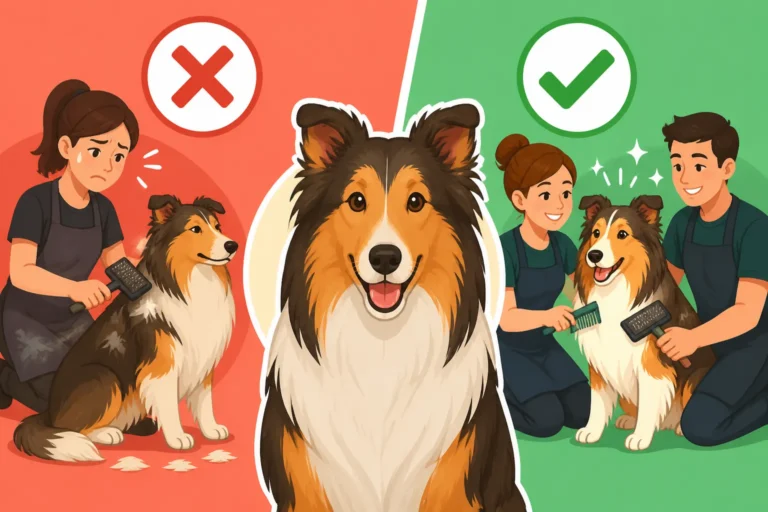
Let's be blunt: if your Collie is in a truly dense, full coat, and especially during a coat blow, daily brushing can easily take 20 to 45 minutes, sometimes more. This isn't just a quick once-over with a brush; it involves systematic line brushing to ensure you reach down to the skin, removing all the loose undercoat and preventing mats from forming. Skipping even a few days, particularly during heavy shedding, can mean double the work later. What might have been a minor tangle can quickly become a tight, painful mat that pulls on your dog's skin.
Imagine trying to brush out a knot the size of your fist when it could have been prevented with a few minutes of daily attention. It's frustrating for you and uncomfortable for your Collie. Those delicate areas behind the ears, under the "armpits," and on the "petticoats" are notorious for matting. If you let these go, they can become so tight they restrict movement and can even lead to skin infections underneath the matted fur. It’s a vicious cycle that’s far easier to prevent than to fix.
Impact on the Dog's Comfort and Skin Health
Beyond the aesthetics, the impact of proper (or improper) grooming on your Collie's comfort and health is profound. A matted coat doesn't just look bad; it can genuinely hurt your dog. Mats pull on the skin, causing pain and irritation. They can restrict blood flow, harbor moisture, and prevent air circulation, creating a breeding ground for bacteria and yeast, which can lead to skin infections and hot spots. Think about wearing a thick, itchy sweater that's too tight and constantly pulling at your skin – that's what a matted coat can feel like to your Collie.
Furthermore, a packed undercoat, even without obvious mats, can hinder your Collie's natural temperature regulation. That dense undercoat needs air to properly insulate. If it’s compacted with dead hair, it can trap heat, making your Collie uncomfortable, especially in warmer weather. It also means dirt, debris, and parasites can get trapped closer to the skin, leading to more potential problems. Regular brushing ensures their skin can breathe and that their coat can do its job effectively, keeping them comfortable year-round. You might be surprised to learn that Whether a Collie's Coat Protects It From Heat actually depends on proper air circulation!
Alternative Grooming Schedules and Tools
Alright, so daily brushing sounds like a lot, and it can be. But the good news is that "daily" isn't necessarily a hard and fast rule for every Collie, every single day of the year. The key is consistency and using the right techniques and tools.
Effective Brushing Techniques and Frequency
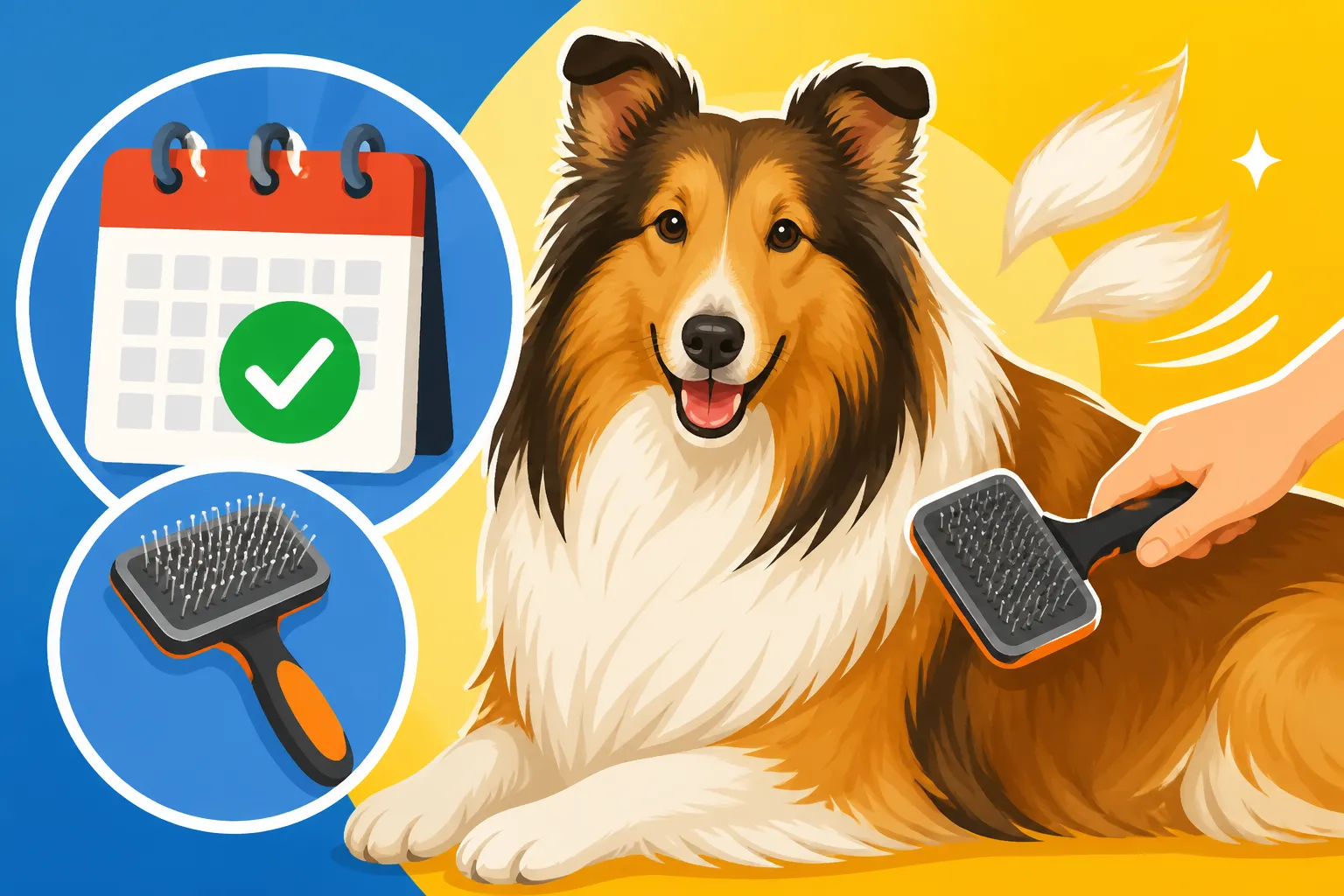
For a Collie in full coat, especially during peak shedding, a thorough line brushing session every other day might be sufficient for some, provided you're doing a really good job. For others, particularly those with very dense coats or prone to matting, daily attention to problem areas might be necessary, even if a full-body brush-out only happens every few days. The goal is to always get down to the skin and remove all loose undercoat.
Line brushing is your best friend here. You essentially part the coat in small sections, starting from the bottom of a leg or flank, and brush down and out, making sure your brush strokes reach the skin. Then you move up slightly and repeat. It's methodical, but it ensures no area is missed. This technique, combined with a weekly full-body deep brush, can often keep a full coat in fantastic condition. Pay special attention to the areas where mats love to hide: behind the ears, under the tail, in the "armpits," and the long feathering on the legs and britches. If your Collie is especially prone to these, a quick daily check and brush in those spots can save you a lot of headache. Understanding How to Line Brush a Collie can really make a difference.
Essential Tools for Collie Coat Care
Having the right arsenal of grooming tools is non-negotiable for a Collie owner. Skimping here will only lead to frustration for both you and your dog.
- Pin Brush: This is your go-to for daily or every-other-day general brushing, especially for the longer guard hairs. Look for one with smooth, untipped pins to avoid scratching the skin. You can find excellent quality pin brushes on sites like Amazon or Chewy.
- Slicker Brush: Fantastic for removing loose undercoat and small tangles. Be gentle, as the wire bristles can scratch the skin if used too aggressively. It's particularly useful during a coat blow.
- Undercoat Rake: Absolutely essential for getting deep into that dense undercoat. It helps pull out dead hair without damaging the topcoat. Choose one with rotating teeth to prevent snagging. This is what truly helps manage those massive shedding sessions.
- Metal Comb: A wide-toothed metal comb is crucial for checking your work and finding any missed tangles or mats after brushing. It should be able to glide through the coat from root to tip.
- Detangling Spray: A good quality detangling spray can make brushing much easier, especially when working through a stubborn knot. It lubricates the hair, reducing breakage and static.
When starting with a puppy, positive reinforcement is key. Teach them early to tolerate and even enjoy grooming sessions. Many owners find that a grooming table, even a small, portable one, helps immensely in establishing a routine and making the process easier on your back!
Maintaining the Coat Between Intensive Sessions
Beyond the heavy brushing, there are other small habits that contribute to good coat health. Regular baths, ideally with a high-quality shampoo and conditioner formulated for double coats, help loosen dead hair and maintain skin health. Just remember, drying a Collie properly after a bath is a monumental task in itself; a high-velocity dryer is a game-changer here to prevent damp undercoat from matting or developing skin issues. Read How to Dry a Collie Properly for more tips.
Keeping your Collie clean from burrs, sticks, and mud after outdoor adventures is also crucial. A quick check and removal of foreign objects before they can burrow deep into the coat will save you from major matting later. And don't forget the importance of good nutrition. A diet rich in essential fatty acids (like those found in some premium dog foods or supplements) can contribute to a healthy, strong coat that sheds less and is easier to maintain. Brands like Ollie, known for their fresh dog food, often emphasize nutrient-rich ingredients that can support overall coat health.
Here's a quick overview of brushing tools and their primary uses:
| Tool | Primary Use | Best For |
|---|---|---|
| Pin Brush | General brushing, surface tangles | Daily maintenance, spreading natural oils, gentle detangling |
| Slicker Brush | Removing loose undercoat, small mats | During shedding, smoothing topcoat, working out deeper tangles gently |
| Undercoat Rake | Deep undercoat removal, preventing matting | Seasonal coat blows, dense undercoat areas (mane, britches) |
| Metal Comb | Checking for missed tangles, finishing work | Identifying mats, finishing grooming, delicate areas (ears, tail) |
| Detangling Spray | Loosening mats, reducing static, protecting coat | Pre-brushing, particularly for matted areas, reducing hair breakage |
When to Seek Professional Help
Even with the best intentions and the right tools, there are times when a professional groomer is your absolute best friend. Don't feel like you've failed if you need to call in the cavalry.
Recognizing When Mats Are Too Much
Sometimes, despite your best efforts, mats happen. Life gets in the way, your Collie rolls in something unexpected, or a seasonal blow hits harder than you anticipated. If you find a mat that's tight against the skin, feels hard, or is causing your Collie discomfort, attempting to "cut it out" yourself can be dangerous. You risk cutting your dog's skin, which can lead to serious injury and a trip to the vet. If a mat is causing skin irritation, redness, or if your Collie is actively trying to chew or scratch at it, it's definitely time to get professional help.
Another sign that mats are getting out of hand is when they become numerous or cover large areas of the body. What might start as a few small tangles can quickly become a full-body challenge, making it impossible for you to brush through without causing pain. A professional groomer has specialized tools and experience to safely and humanely remove even the toughest mats.
The Role of a Professional Groomer
Think of your professional groomer as an essential partner in your Collie's health and wellness team. They aren't just there to make your dog look pretty; they play a crucial role in maintaining coat and skin health. A good groomer knows the Collie coat inside and out. They can identify potential skin issues hidden by the fur, properly deshed an impacted coat, and safely remove mats without causing pain or injury.
For many Collie owners, a regular professional grooming appointment every 6-8 weeks, with diligent home brushing in between, is the ideal schedule. During peak shedding seasons, you might opt for a professional deshedding treatment, which can significantly reduce the amount of loose hair in your home and make your life much easier. They often use specialized shampoos and high-velocity dryers to really blast out that undercoat. A professional groomer can also provide advice tailored to your specific Collie's coat type and lifestyle. Sometimes, the peace of mind and the saved time (and aching arms!) are well worth the investment in professional care. If you're struggling, don't hesitate to reach out to a local groomer or seek advice from online communities, or even check out grooming supplies on Chewy or Amazon to level up your home routine.
Disclaimer
This article is for general informational purposes only and does not constitute professional advice. Laws, prices and regulations vary by location and change over time. Consult a qualified professional for guidance on your specific situation.