Whether Brushing a Collie Once a Week Is Enough
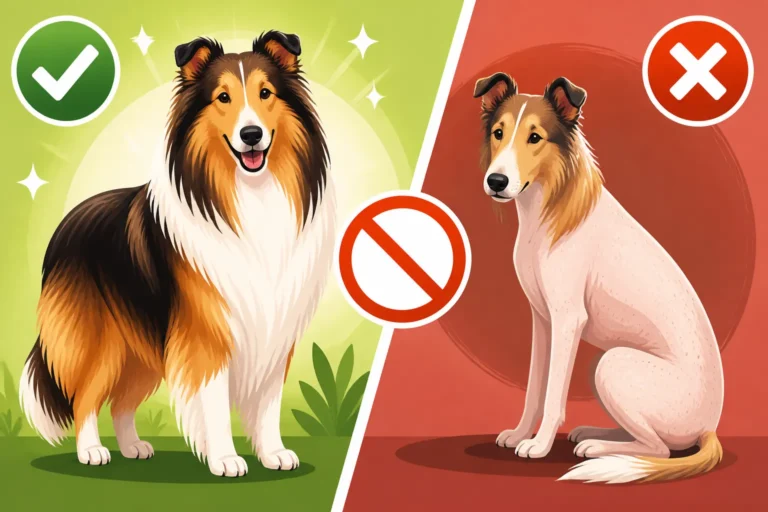
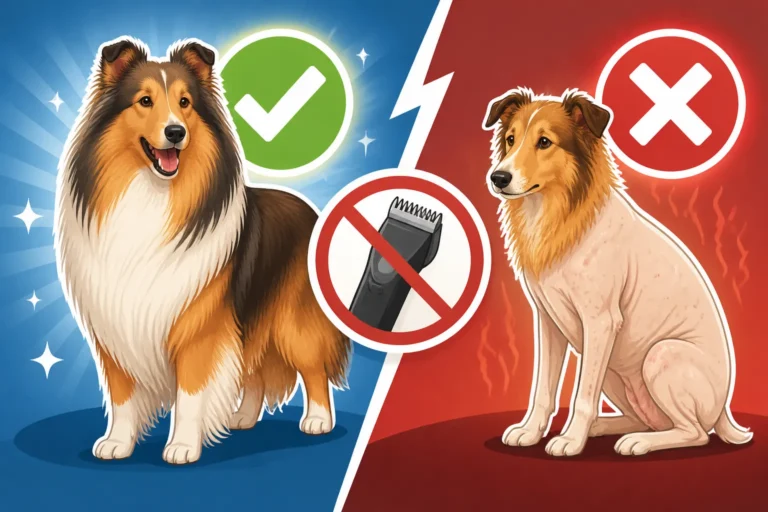
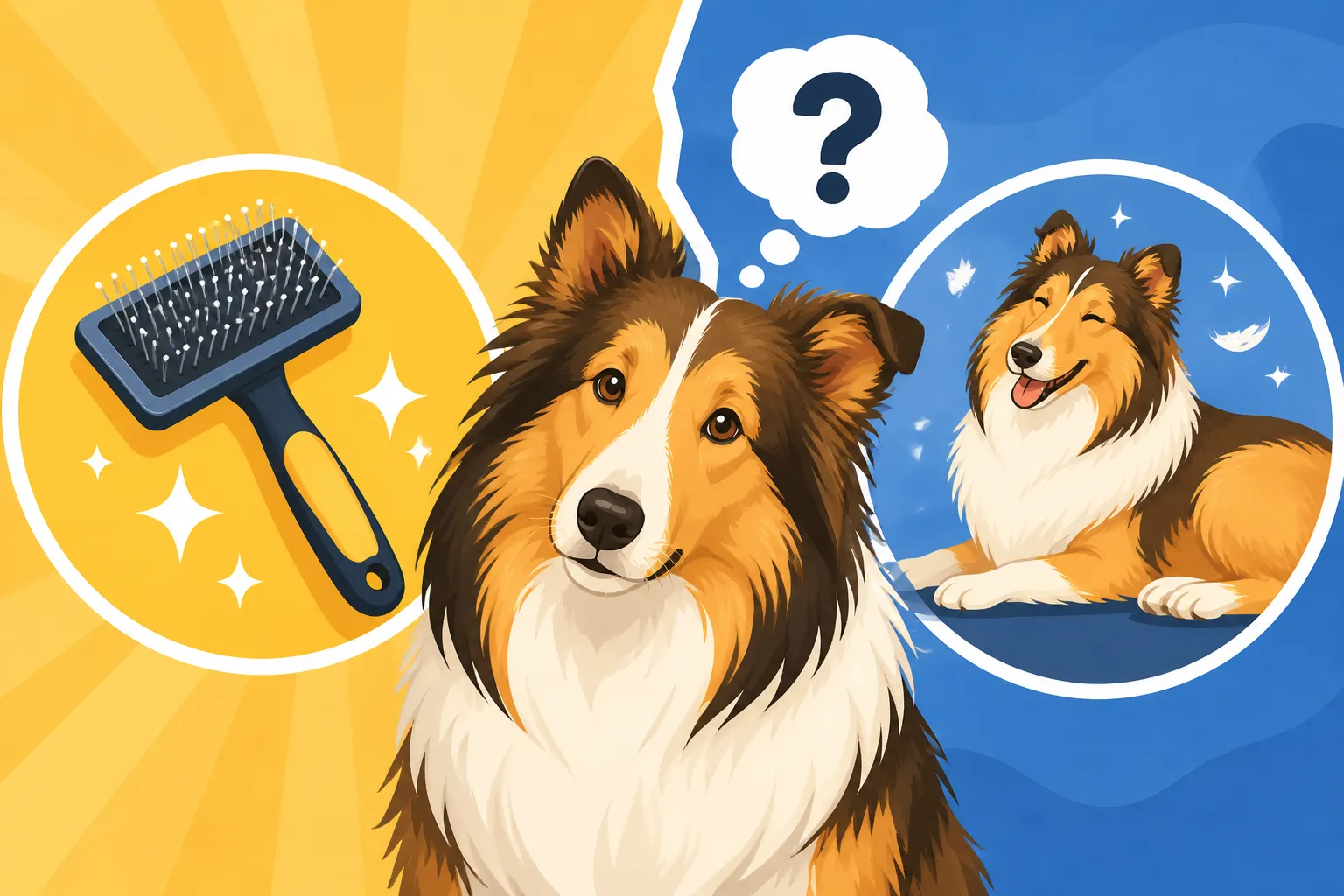
It's a common, and completely understandable, thought to wonder if a quick brush once a week is enough for your beautiful Collie. After all, they look so regal, and a weekly touch-up might seem like plenty. But anyone who lives with a Collie knows their magnificent double coat is far more complex than it appears, and skimping on grooming can lead to uncomfortable mats and underlying skin issues. This guide will dive deep into the realities of Collie coat care, explaining why a weekly brush often falls short and what a truly effective grooming routine looks like for these glorious dogs.
The Reality of the Collie Coat: It's Not Just a Pretty Face!
You glance at your Collie, perhaps admiring their flowing mane or the impressive "petticoat" of hair around their belly and hindquarters. It's stunning, yes, but it's also a highly functional, intricate piece of canine engineering. Understanding its structure is the first step to truly appreciating why weekly brushing just doesn't cut it.
Understanding the Double Coat
A Collie's coat isn't just one layer of hair; it's a sophisticated double coat, perfectly designed to protect them from the elements. Imagine a winter coat for yourself: you have the outer shell that repels wind and rain, and then a thick, insulating layer underneath to keep you warm. Your Collie has something similar.
The outer coat consists of long, coarse guard hairs. These are what give your Collie that beautiful sheen and protect them from dirt, moisture, and UV rays. They're relatively easy to brush through and tend to be quite resilient. However, beneath this lies the true secret (and often, the true challenge) of the Collie coat: the undercoat. This inner layer is incredibly dense, soft, and woolly. Its primary job is insulation, keeping your Collie warm in winter and surprisingly, helping to regulate their temperature in summer by trapping cooler air close to the skin. The problem arises when this undercoat sheds. Instead of falling out easily, it tends to get caught within the longer guard hairs, forming dense tangles if not regularly removed. This is why you need specific tools and techniques, which we’ll discuss later, to actually get down to where the work needs to be done.
Seasonal Shedding Cycles and the "Coat Blow"
If you've owned a Collie for more than a year, you know the term "blowing coat." It's not just a cute phrase; it's a dramatic, twice-yearly event where your Collie sheds an astonishing amount of that dense undercoat. Typically, this happens in spring as they prepare for warmer weather and again in the fall to make way for a fresh, thicker winter coat. During these periods, you might feel like you're living in a snow globe made of dog hair.
During a coat blow, the sheer volume of dead undercoat released can be overwhelming. If this dead hair isn't meticulously brushed out, it creates an impenetrable barrier that traps moisture, dirt, and can become a breeding ground for skin problems. It's during these times that weekly brushing moves from "not quite enough" to "woefully inadequate." Imagine trying to rake an entire autumn lawn with a teacup – that's what a weekly brush during a coat blow feels like. Even outside of these major shedding seasons, Collies do shed year-round, just in smaller, more manageable quantities. This constant, albeit lighter, shedding still contributes to undercoat accumulation and the potential for matting if not addressed regularly. You'll quickly learn that The Three Weeks Twice a Year When a Collie Buries Your House is no exaggeration!
Common Matting Areas: The Hidden Trouble Spots
Collies have specific areas where mats love to form, almost as if they're drawn to them. These are often high-friction areas or places where the fur is naturally longer and finer. Recognizing these hotspots is crucial for effective grooming.
The most notorious areas include:
- Behind the Ears: The fur here is often softer and finer, and movement of the head can easily tangle it. These mats can be incredibly tight and painful if left unattended.
- Armpits and Groin: Again, high-friction areas where the legs rub against the body. Mats here can restrict movement and cause chafing.
- The "Petticoat" and Britches: The long fur on the hindquarters and belly is prone to collecting debris and matting, especially if a Collie enjoys rolling in the yard or lying down.
- The Mane/Ruff: While beautiful, the thick fur around the neck can also mat, particularly if a collar or harness rubs against it consistently.
- Tail Feathering: The long, sweeping tail is majestic, but the fine hairs can tangle easily.
These mats don't just look bad; they pull on the skin, causing discomfort, pain, and even skin infections if moisture and debris get trapped underneath. A quick surface brush once a week will glide right over these nascent tangles, leaving them to grow into painful, solid clumps. This is a primary reason why Where a Collie Mats First is such a critical piece of knowledge for any Collie owner.
Why Weekly Brushing Falls Short for Most Collies
Given the complexity of a Collie's double coat, it becomes clear that a once-a-week brush is simply a surface-level ritual that doesn't address the fundamental needs of their fur. It's like sweeping dust into a corner without ever taking out the trash.
The Accumulation of Undercoat: A Silent Menace
The biggest culprit behind ineffective grooming is the accumulation of dead undercoat. As mentioned, this soft, woolly hair sheds, but rather than falling completely free, it often gets caught within the coarser guard hairs. If not systematically removed, this trapped undercoat forms a dense, felt-like layer close to the skin.
Imagine a thick blanket that's been wadded up and pressed against your skin. That's what trapped undercoat feels like to a Collie. This dense layer prevents air circulation, which is vital for skin health. It can also create "hot spots" where moisture gets trapped, leading to bacterial or fungal infections. Furthermore, this trapped undercoat becomes the foundation for painful mats. A regular pin brush, or even a slicker brush, if not used correctly with line brushing techniques, will only skim the surface, leaving the vast majority of this dead undercoat behind to continue its insidious work. You need to get down to the skin, section by section, to ensure you're actually removing the problem.
Matting is a Silent Killer of Coats (and Comfort)
Mats are more than just cosmetic imperfections; they are painful and can lead to serious health issues. When dead undercoat and shed guard hairs tangle together, they form clumps that, over time, become tighter and tighter, pulling on the Collie's sensitive skin. Think of wearing a hair tie too tight, but all over your body.
These mats can start small, perhaps a dime-sized knot behind an ear. But without regular, thorough brushing, they quickly grow, spreading and coalescing into larger, often pancake-flat, solid masses. These can cover significant areas, especially in those common trouble spots like the armpits, behind the ears, and the britches. Once a mat gets tight enough, it can restrict blood flow to the skin, impede movement, and even cause skin tears if the Collie tries to scratch or chew at them. In severe cases, mats can act like tourniquets, leading to swelling or pressure sores. The sad truth is that a weekly brush, especially if it's not a deep, line-brushing session, will simply glide over these forming mats, pushing them deeper and making them harder to detect until they're already a painful problem.
Impact on Skin Health: More Than Just an Itch
A matted coat, or one dense with trapped undercoat, directly impacts your Collie's skin health. This neglected fur creates an environment ripe for problems.
Firstly, the lack of air circulation underneath a thick, unmanaged coat leads to increased humidity. This warm, moist environment is ideal for the proliferation of bacteria and yeast, which can cause skin infections (pyoderma or dermatitis). You might notice a musty smell, redness, or your Collie scratching excessively. Secondly, mats can physically trap dirt, debris, and parasites like fleas and ticks against the skin. Imagine how uncomfortable it would be to have a clump of mud stuck to your skin for days, rubbing and irritating it. Fleas, in particular, are incredibly difficult to spot and treat in a dense, matted Collie coat, leading to persistent infestations and intense itching. Moreover, if your Collie has a pre-existing skin condition like allergies or Dermatomyositis and the Collie Risk Panel, a poorly maintained coat can exacerbate these issues, making diagnosis and treatment much harder for your veterinarian. A truly clean and healthy Collie coat allows the skin to breathe, making it easier to spot any issues early on and preventing many uncomfortable complications.
The Ideal Brushing Routine for a Collie
So, if weekly isn't enough, what is the ideal brushing routine for your Collie? It comes down to consistency, the right tools, and a proper technique that gets right down to the skin.
Frequency and Consistency: More is Definitely More
For most Collies, especially those in full coat or during shedding seasons, daily or every-other-day brushing is the true gold standard. I know, that sounds like a lot, but hear me out! These aren't necessarily hour-long sessions, but consistent, focused efforts.
- Daily "Spot Checks": A quick 5-10 minute session each day, focusing on those common matting areas like behind the ears, armpits, and britches, can prevent small tangles from becoming huge problems. This is especially important for dogs with very thick coats or those who play outdoors frequently.
- Every Other Day "Maintenance": If your Collie has a slightly less dense coat, or isn't currently blowing coat, a thorough brush every other day might suffice. This session should be a bit longer, perhaps 20-30 minutes, allowing you to systematically work through sections of their coat.
- Weekly "Deep Dive" (During Off-Season): Even with daily or every-other-day maintenance, a dedicated longer session once a week (30-45 minutes) is still beneficial to ensure you haven't missed anything and to give their entire coat a thorough going-over.
- During Coat Blow: This is when you must increase your efforts. Expect to brush daily, and for longer sessions (45-60 minutes), for several weeks. Investing in a High Velocity Dryer Is Worth It for a Collie during this time can also significantly aid in blowing out dead undercoat.
The key here is consistency. Little and often is far more effective than one long, infrequent, and ultimately overwhelming session. This routine will keep your Collie comfortable, prevent painful mats, and ensure their coat remains beautiful and healthy.
Essential Grooming Tools: Your Collie's Best Friends
You can't do battle with a Collie's undercoat armed only with a cheap bristly brush. You need a dedicated arsenal of grooming tools. Here’s what every Collie owner should have:
- Pin Brush: This is your primary tool for general brushing and working through longer guard hairs. Look for one with long, smooth pins. Many good options are available from brands on Chewy or Amazon.
- Slicker Brush: Ideal for removing dead undercoat and working out smaller tangles. Be gentle, as the wire bristles can scratch the skin if pressed too hard. A curved slicker can be particularly effective.
- Greyhound Comb (Metal Comb): Absolutely indispensable. This comb, with both wide and narrow-set teeth, is used for line brushing and for finding any mats you might have missed. It’s the "truth teller" of your grooming kit. Which Comb Reaches a Collie's Undercoat is essential for making sure you’re getting right down to the skin.
- Undercoat Rake/V-Rake: A specialized tool with long, widely spaced teeth designed to pull out loose undercoat without damaging the guard hairs. Use with caution and a light hand. This is particularly useful during coat blows. A good V Rake Does on a Collie is invaluable for tackling the thickest undercoat.
- Detangling Spray: Helps to lubricate the coat, making it easier to brush out tangles and prevent static. You can find these at most pet stores or online.
- Scissors (Blunt-Nosed): For carefully cutting out extremely tight mats that cannot be brushed out, or for tidying up feet and sanitary areas. Always use blunt-nosed safety scissors to prevent accidental injury.
Investing in quality tools, like those you might find on Amazon or Chewy, will make the grooming process much smoother for both you and your Collie.
Line Brushing Technique: Getting Down to Business
The secret to effective Collie grooming is "line brushing." This technique ensures you're reaching all the way down to the skin, not just brushing the top layer of fur.
Here’s how to do it:
- Prepare Your Collie: Have your Collie lie down or stand comfortably. Many owners find a grooming table helpful for this, as it saves your back and keeps your dog contained. Whether a Grooming Table Helps With a Collie is a valid question, and for many, the answer is a resounding yes.
- Section the Coat: Start with a small section of your Collie's coat, perhaps on a leg or flank. Part the hair with your hand, creating a horizontal "line" all the way down to the skin.
- Brush Below the Line: Using your pin brush or slicker brush (depending on density), brush the hair below that line, working in small strokes, gently but firmly. Make sure your brush is making contact with the skin.
- Work Upwards: Once that section is tangle-free, move your hand up slightly, creating another line just above the one you just brushed. Repeat the brushing process.
- Comb Through: After you've brushed a section, follow up with your greyhound comb. If the comb glides smoothly through the hair from root to tip, you've done a good job. If it snags, go back and brush that area again until the comb passes through easily.
- Systematic Approach: Work your way systematically across your Collie's body, section by section. Don't forget those high-traffic areas: behind the ears, armpits, and britches.
- Patience is Key: This process takes time, especially if your Collie has a thick coat or hasn't been brushed in a while. Be patient, offer praise and treats, and make it a positive experience for your dog.
This method, though time-consuming, is the most effective way to prevent mats and keep your Collie's coat in prime condition.
Beyond the Brush: Other Grooming Needs and Considerations
Grooming a Collie isn't just about brushing; it's a holistic approach that includes bathing, proper drying, and even nutrition.
Bathing and Drying: The Long, Wet Process
Bathing a Collie is an event, not just a quick splash. Their dense double coat means they get thoroughly soaked, and then take an age to dry properly.
- Frequency: Unless they've rolled in something truly disgusting, Collies don't need frequent baths. Every 4-8 weeks, or as needed, is generally sufficient. Too frequent bathing can strip natural oils from their skin and coat.
- Shampoo and Conditioner: Use a good quality dog shampoo, preferably one designed for double coats or for sensitive skin. Always follow up with a conditioner to help detangle and moisturize.
- Thorough Rinsing: This is critical! Any leftover shampoo or conditioner can irritate the skin and become a magnet for dirt, leading to skin issues. Rinse, rinse, and rinse again until the water runs clear and you feel no residue.
- The Drying Saga: This is where many owners falter. A Collie's coat MUST be thoroughly dried down to the skin. Air drying is an absolute no-go; it encourages matting and can lead to skin infections from trapped moisture. A high-velocity dog dryer is invaluable here. It blows out water and helps to straighten the coat, preventing tangles. If you don't have one, use a powerful human hairdryer on a cool setting, while brushing continuously. This is why How Long a Collie Takes to Dry is a whole topic in itself!
Nutrition's Role in Coat Health: Fueling the Fur
What goes into your Collie's body directly impacts the quality of their magnificent coat. A healthy coat starts from within.
- High-Quality Diet: Feed your Collie a balanced, high-quality dog food. Look for formulas with real meat as the first ingredient and a good balance of essential fatty acids (Omegas 3 and 6). These fats are crucial for skin and coat health, promoting a shiny coat and reducing dryness and shedding. Brands like Ollie offer customized, high-quality food options that can make a noticeable difference in coat luster.
- Supplements: Some owners find success adding certain supplements to their Collie's diet. Fish oil, rich in Omega-3s, is a popular choice for promoting healthy skin and a shiny coat. Biotin and other skin-and-coat supplements can also be beneficial. Always discuss any supplements with your veterinarian before adding them to your dog's routine. Many excellent supplements are available on Chewy or Amazon.
- Hydration: Ensure your Collie always has access to fresh, clean water. Good hydration is essential for overall health, including skin and coat quality.
Professional Grooming Support: When to Call in the Pros
Even with the best intentions and diligent home grooming, there are times when a professional groomer is your best friend.
- During Heavy Coat Blows: Professionals have industrial-strength dryers and specialized tools that can de-shed a Collie more effectively and efficiently than most home setups. If you feel overwhelmed during a coat blow, a professional groomer can be a lifesaver. What a Professional Groom Costs on a Rough Collie is an investment in your dog's comfort and health.
- Severely Matted Coats: If your Collie has developed extensive, tight matting, it's often best to let a professional handle it. They have the expertise to remove mats safely, often requiring a full shave-down underneath the matts, without injuring your dog's skin. Attempting to cut out severe mats at home can be dangerous.
- Routine Maintenance: Some owners opt for professional grooming every few months as part of their regular care routine, in addition to home brushing. This ensures a thorough deep clean and de-shedding that can be hard to replicate at home.
- Nail Trims and Ear Cleaning: While you can do these at home, many groomers offer these services and can do them quickly and expertly. This is particularly helpful if your Collie is nervous about nail trims.
| Grooming Task | Weekly Frequency (Minimum) | During Coat Blow (Recommended) | Why It Matters | Key Tools Needed |
|---|---|---|---|---|
| Full Body Brushing | 2-3 times | Daily | Prevents matting, removes dead undercoat, promotes air circulation. | Pin brush, slicker brush, greyhound comb, undercoat rake |
| Spot Brushing | Daily | Daily | Targets high-friction areas prone to matting (ears, armpits, britches). | Pin brush, greyhound comb |
| Mat Check | Daily | Daily | Early detection of small tangles before they become painful mats. | Greyhound comb, fingertips |
| Bathing & Drying | 0 (As needed, ~monthly) | 1 (if very dirty/shedding) | Cleans coat, removes excess dead hair (when combined with force drying), prevents skin issues. | Dog shampoo/conditioner, high-velocity dryer, towels |
| Nail Trimming | 1 time (or as needed) | 1 time (or as needed) | Prevents overgrown nails, which can cause discomfort and gait issues. | Nail clippers or Dremel |
| Ear Cleaning | 1 time (as needed) | 1 time (as needed) | Prevents wax buildup and ear infections. | Ear cleaner solution, cotton balls |
Disclaimer
This article is for general informational purposes only and does not constitute professional advice. Laws, prices and regulations vary by location and change over time. Consult a qualified professional for guidance on your specific situation.