How Often a Collie Needs a Bath
Oh, the age-old question for Collie owners: "How often should I bathe this magnificent fluffball?" It's a common struggle, isn't it? You want your beloved companion to smell fresh and look glorious, but you're also acutely aware of that incredible double coat and the sheer effort involved in getting it truly clean and, more importantly, dry. There's a real fear of doing it too often, ruining their coat, or just creating a matted disaster. This guide is here to cut through the confusion and help you understand the best approach to bathing your Collie, balancing cleanliness with coat health.
Understanding the Collie's Double Coat and Its Purpose
Before we even think about turning on the tap, it's essential to truly appreciate the engineering marvel that is a Collie's coat. It's not just hair; it's a sophisticated, multi-layered system designed by nature to protect them from a variety of environmental challenges. Understanding its structure is the first step in knowing how to care for it properly, especially when it comes to bathing.
The Insulating Power of the Undercoat
Beneath that flowing, luxurious outer layer lies a dense, soft, and remarkably insulating undercoat. Think of it as your Collie's built-in climate control system. In winter, this undercoat traps warm air close to their body, keeping them cozy even in frosty conditions. In summer, it actually helps to keep them cool by preventing heat from penetrating to their skin and allowing for air circulation. This incredible layer is rich in natural oils that are vital for its health and function. These oils not only contribute to its insulating properties but also help to repel water and dirt, acting as a natural barrier.
When we bathe a Collie, especially too frequently or with harsh shampoos, we risk stripping away these precious natural oils. This can leave the undercoat dry, brittle, and less effective at doing its job. A stripped coat is more susceptible to matting, less able to regulate temperature, and can even lead to skin irritation because the skin underneath is no longer adequately protected or moisturized. It’s a delicate balance; you want to clean, but not compromise.
The Protective Role of the Outer Coat
On top of the fluffy undercoat sits the outer coat, often called guard hairs. These hairs are longer, coarser, and generally straighter, giving the Collie its characteristic elegant silhouette. The outer coat acts as a shield, protecting the softer undercoat and the skin from physical damage, UV rays, and external moisture. When your Collie runs through damp grass or gets caught in a light shower, you'll notice how the water often beads up and rolls right off these guard hairs, much like water off a duck's back.
This protective quality means that a lot of surface dirt and debris doesn't actually penetrate deep into the coat. Instead, it sits on the outer layer, where it can often be brushed away effectively. This natural repellence is a key reason why Collies generally don't need extremely frequent bathing. Their coat is designed to be somewhat self-cleaning, shedding a good deal of dirt as they move and especially during a thorough brushing session. Understanding this helps manage expectations about how "dirty" your Collie actually is and whether a full bath is truly necessary, or if a good brushing will do the trick.
Factors Influencing Bathing Frequency
There's no single, one-size-fits-all answer to how often a Collie needs a bath, simply because every Collie's life is a little different! What works for one might be completely unsuitable for another. Several key factors play a role in determining the ideal bathing schedule for your individual dog. It’s all about tuning into your Collie's specific needs and environment.
Lifestyle and Environment
Consider your Collie's daily routine. Does your lovely Rough Collie spend most of their time lounging on the sofa, venturing out only for leashed walks on paved sidewalks? Or do they live for muddy adventures in the local park, chasing squirrels through dense undergrowth, or perhaps even playing in a pond? A Collie that enjoys splashing in puddles, exploring dusty trails, or has access to a sprawling, often damp yard will naturally get dirtier much faster than their more sedate counterpart.
Think about things like seasonal changes too. Spring often brings mud, pollen, and dampness. Summer might mean more swims or dusty romps. Winter can mean slush, road salt, or just a general griminess from shorter, wetter days. If your Collie is regularly exposed to allergens, such as pollen or certain grasses, a more frequent bath (with a gentle, hypoallergenic shampoo) might actually be beneficial to rinse these irritants off their coat and skin. However, for most Collies living a fairly clean indoor life with regular outdoor excursions, frequent deep cleaning is usually overkill.
Skin and Coat Health Conditions
Sometimes, your Collie's skin and coat might be telling you something specific. Dogs, just like people, can suffer from various skin conditions that directly impact how often they should be bathed. For instance, a Collie with environmental allergies might benefit from more frequent baths to remove pollen and other irritants from their coat, as mentioned. On the other hand, a Collie prone to dry skin or certain dermatological issues might need less frequent bathing, or at least baths with highly specialized, moisturizing shampoos prescribed by a vet.
You might also notice issues like excessive oiliness or a persistent odor that isn't just "dog smell." These could indicate underlying skin problems or yeast infections that require a different bathing approach, potentially with medicated shampoos. It's crucial to consult your veterinarian if you notice any unusual skin flakiness, redness, itching, or changes in coat texture that seem persistent. They can help diagnose any issues and recommend a bathing regimen that supports healing and comfort, rather than inadvertently making things worse. Remember, a healthy coat starts with healthy skin.
Seasonal Changes and Coat Blows
Anyone who owns a Collie knows about the "coat blow." This phenomenon occurs typically twice a year, usually in spring and fall, when your Collie sheds their entire undercoat to prepare for the upcoming season. During these times, the amount of hair that comes off your dog can be truly astounding – it might feel like your house is being buried in fluff! This intense shedding period is one of the primary reasons why The Three Weeks Twice a Year When a Collie Buries Your House is a very real experience for Collie owners.
During a coat blow, bathing can actually be a useful tool to help loosen and remove the dead undercoat. A thorough soak and rinse can encourage shedding, making subsequent brushing sessions more effective. However, it's a double-edged sword: if you don't brush out as much dead undercoat as possible before the bath, all that loose hair will become a dense, sodden mat when wet, making it incredibly difficult to dry and potentially creating serious tangles. Therefore, while bathing can assist in a coat blow, it must be done with meticulous pre-bath brushing and an understanding of the sheer drying effort required. Without proper drying, you risk skin issues and prolonged dampness, which is uncomfortable for your dog.
General Guidelines for Bathing a Collie
So, after considering all those factors, what's the general consensus on how often to bathe a Collie? It truly boils down to a flexible approach rather than a rigid schedule. Thinking about bathing your Collie might seem like a monumental task, but with the right mindset, it becomes a manageable part of their routine care.
The "As Needed" Rule vs. a Strict Schedule
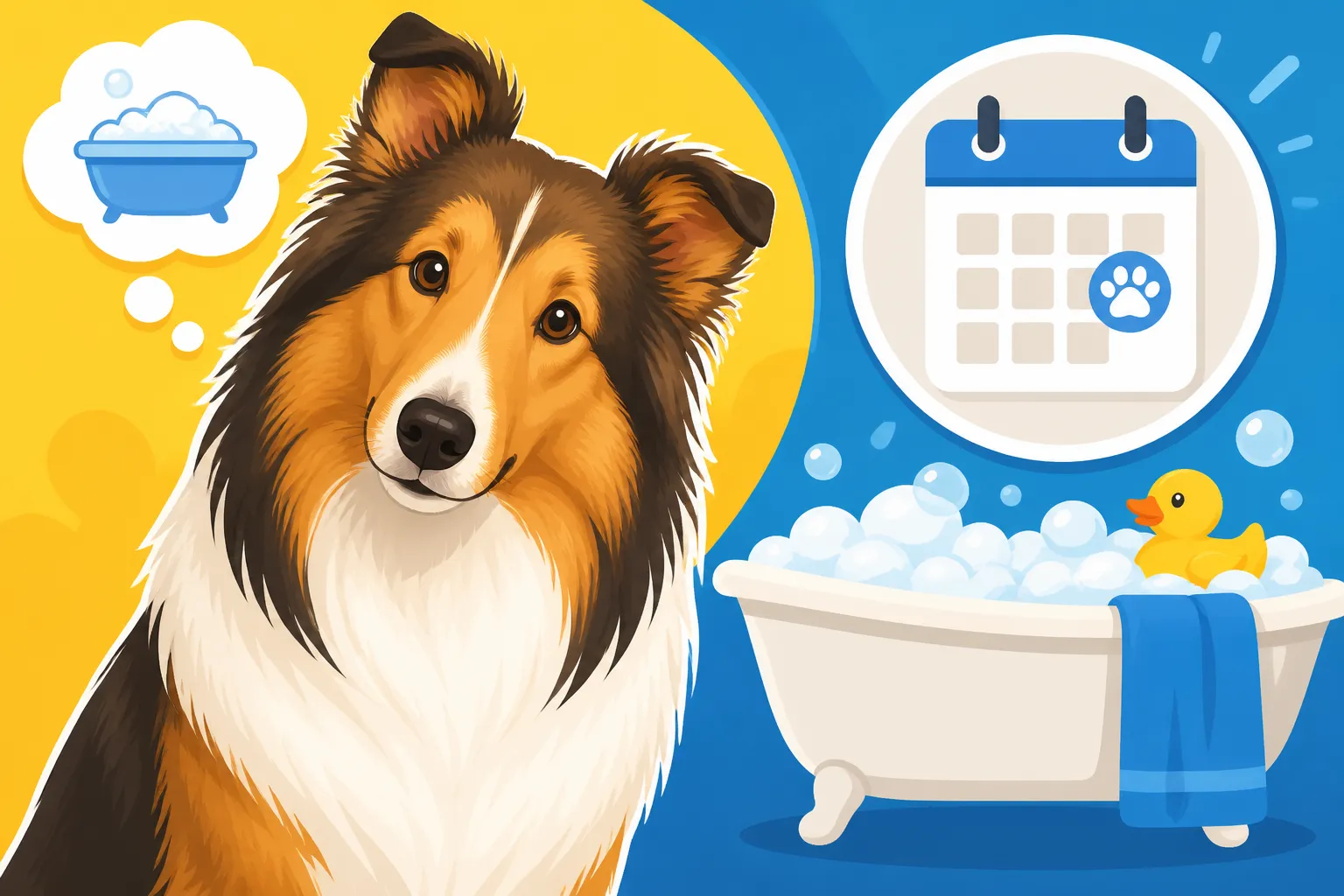
For most Collies, the "as needed" rule is truly the golden standard. Unlike some short-coated breeds that might benefit from a regular weekly or bi-weekly wash due to skin oiliness or shed control, a Collie's coat is designed to be maintained largely through brushing and its natural self-cleaning properties. For an average, healthy Collie living an indoor-outdoor life without extreme dirt exposure or skin conditions, a full bath every 6 to 12 weeks is often perfectly sufficient. Many owners go even longer, perhaps every 3-4 months, and find their Collies are perfectly clean and healthy, thanks to diligent brushing.
Trying to stick to a strict weekly or bi-weekly schedule can actually be detrimental to their coat and skin health. As we discussed, over-bathing strips those essential natural oils, leading to dry skin, irritation, and a compromised coat. Instead, focus on observing your individual dog. Are they visibly dirty? Do they have an unpleasant odor? Is their coat feeling greasy or dull? These are the cues to consider a bath, rather than simply marking a date on the calendar.
Recognizing When Your Collie Needs a Bath
Learning to "read" your Collie's coat and body language can help you determine when a bath is genuinely necessary. Here are some common indicators:
- The "Sniff Test": This is often the most straightforward and universally understood indicator. If your Collie simply doesn't smell fresh anymore, that's a pretty clear sign. This isn't just about their general "dog smell," but a distinctly unpleasant or overly strong odor that isn't dissipating with brushing.
- Visible Dirt and Grime: If your Collie has rolled in mud, found something questionable to investigate, or simply accumulated a visible layer of dirt, dust, or burrs that can't be brushed out, then a bath is in order. Think about the grubbiness that extends beyond surface dust.
- Greasy or Dull Coat: A healthy Collie coat should have a natural sheen and feel somewhat soft (for the undercoat) and clean (for the guard hairs). If their coat feels excessively greasy, heavy, or has lost its natural luster, it could be accumulating oils and dirt that require a wash.
- Skin Irritation or Allergens: As mentioned earlier, if your Collie is experiencing skin irritation, itching, or seasonal allergies, a vet-recommended bath (with appropriate shampoo) might be needed to soothe the skin and remove irritants. This is a therapeutic bath, not just a cosmetic one.
- Matting (that needs to be softened): While thorough brushing before a bath is paramount to prevent mats from cementing, sometimes a specific, stubborn mat might benefit from being softened during a bath (with careful handling and subsequent detangling after drying, never try to pull wet mats apart aggressively). However, bathing a severely matted dog without pre-brushing will only worsen the matting.
In essence, listen to your Collie and their coat. They'll tell you when it's time for a proper scrub.
| Factor | Recommended Bathing Frequency | Notes |
|---|---|---|
| Indoor, Low Activity | Every 8-12 weeks | Minimal exposure to dirt, regular brushing is key. |
| Indoor/Outdoor, Moderate Activity | Every 6-8 weeks | Occasional muddy walks, playtime in the yard. |
| Outdoor, High Activity | Every 4-6 weeks | Regular swimming, hiking, exposure to mud, dust, and burrs. May need more frequent spot cleaning. |
| Allergies/Skin Issues | As directed by vet | May require specific medicated shampoos and frequency. |
| Seasonal Coat Blow | During coat blow, as needed | Aids in removing dead undercoat, but requires extensive pre-brushing and thorough drying. |
| General "Sniff Test" | When your Collie smells bad | The most reliable indicator for most owners. |
The Risks of Over-Bathing a Collie
While a clean dog is a happy dog, there's such a thing as too much of a good thing, especially when it comes to bathing a Collie. Their magnificent coats, while beautiful, are also somewhat delicate in their ecological balance. Going overboard with the suds can unintentionally create more problems than it solves, leading to discomfort for your furry friend and potentially more work for you in the long run.
Stripping Natural Oils and Skin Irritation
A Collie's skin produces natural oils (sebum) that are absolutely essential for maintaining a healthy coat and a protective skin barrier. These oils keep the skin moisturized, preventing dryness and flakiness, and contribute to the coat's natural luster and water-repellent qualities. When you bathe your Collie too frequently, especially with harsh or incorrectly diluted shampoos, you effectively strip these vital oils away.
The immediate consequence of stripped oils is dry skin. This can manifest as flakiness, dandruff, or a dull, brittle-looking coat. More seriously, it can lead to intense itching. A dog constantly scratching can cause skin abrasions, which then become open invitations for bacterial or yeast infections. It's a vicious cycle: you bathe to "fix" a perceived problem, but the bathing itself creates a new skin problem. Always opt for gentle, pH-balanced dog shampoos that are specifically designed not to strip oils, and ensure you rinse thoroughly. Sometimes, even using good products too often can still be problematic.
Coat Damage and Matting
You might think that bathing frequently would keep mats at bay, but the opposite can often be true, especially if done incorrectly. When a Collie's coat is wet, any existing tangles or loose undercoat can become incredibly dense and "felted" together, forming solid mats that are excruciatingly difficult to remove once dry. This is why the pre-bath brushing is so non-negotiable for Collies; if you skip it, you're essentially cementing any tangles into major mats.
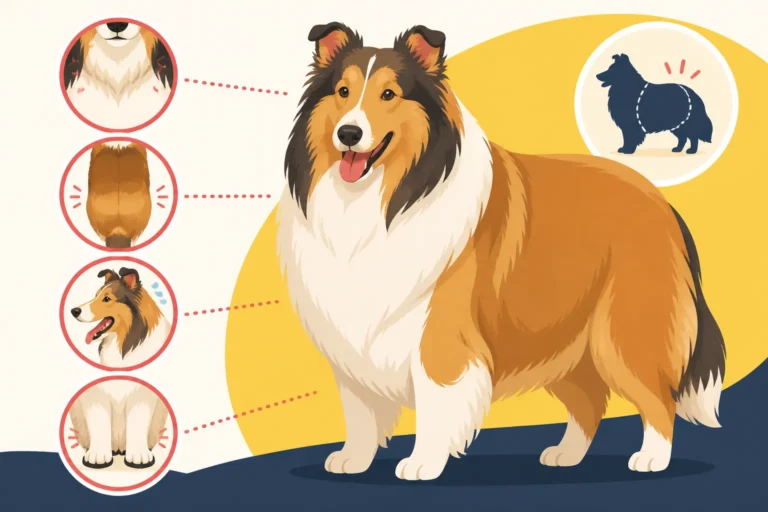
Beyond that, a coat that has been stripped of its natural oils through over-bathing can become dry, brittle, and more prone to breakage. This damaged hair doesn't lie as smoothly, making it more susceptible to tangling and matting during daily activity. The protective outer coat loses its ability to shed dirt and water effectively, allowing grime to penetrate deeper and potentially creating more work in the long term. This is particularly noticeable in areas like the mane, frill, and petticoat, which are already prone to knotting. You'll find that Mane, Frill and Petticoat: the Parts of a Collie That Mat are often the first to suffer from over-bathing and inadequate drying or brushing. A healthy, well-oiled coat is surprisingly resistant to matting, whereas a dry, damaged one invites trouble.
Best Practices for Bathing Your Collie Effectively
Okay, so we've established that bathing a Collie isn't something you do on a whim, but when it is time, you want to do it right. A proper bath isn't just about getting them wet and soapy; it's a multi-step process that, when done correctly, ensures cleanliness without compromising their beautiful, functional coat. This means preparation, careful product selection, and, perhaps most critically, thorough drying.
Pre-Bath Preparation
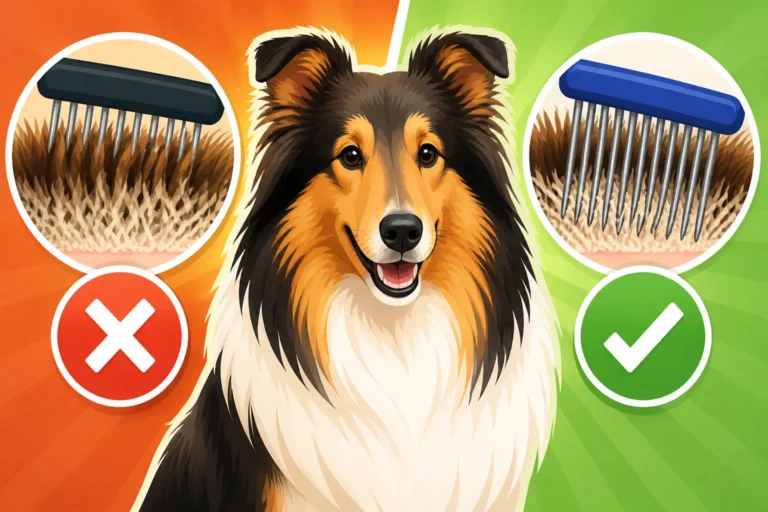
This step is arguably the most important one when bathing a Collie. You absolutely must brush your Collie thoroughly before they ever get near water. I cannot stress this enough! Any tangles or mats that are present in a dry coat will tighten and become virtually impossible to remove once wet, turning into concrete-like lumps that may require professional dematting or even shaving. A good line-brushing session will remove loose undercoat, separate guard hairs, and ensure that water and shampoo can penetrate effectively. It might take a while, especially if your Collie is in full coat, but it's essential. Make sure you have Four Tools and Twenty Minutes: Brushing a Rough Collie in mind, because you'll need all the right brushes and enough time to use them effectively.
Once brushing is complete, gather all your supplies. This includes several clean towels (and preferably a high-velocity force dryer if you have one), a gentle dog-specific shampoo and conditioner, a cup or pitcher for rinsing, and cotton balls to place in their ears to prevent water from entering the ear canal. Ensure your bathing area is safe, with non-slip mats if possible, and that the water temperature is comfortably lukewarm – not too hot, not too cold. Having everything within arm's reach before you get your Collie wet will make the process much smoother and less stressful for both of you.
Shampoo Selection and Application
Choosing the right shampoo and conditioner is vital for a Collie. Avoid human shampoos, as their pH levels are different from a dog's and can irritate their skin. Look for gentle, moisturizing, dog-specific formulas. Many excellent options are available from trusted brands on platforms like Chewy or Amazon. If your Collie has sensitive skin, opt for hypoallergenic or oatmeal-based shampoos. Always read the label for dilution instructions; many quality dog shampoos are concentrated and need to be diluted before application to ensure an even spread and thorough rinse.
Once you're ready, thoroughly wet your Collie's coat down to the skin. This can take longer than you expect with their dense double coat. Apply the diluted shampoo, working it gently into the coat. Focus on getting it through the guard hairs and into the undercoat, but avoid scrubbing vigorously, which can cause tangles. Pay special attention to areas that get particularly dirty, like the legs, belly, and hindquarters. Rinse, rinse, and rinse again! Residual shampoo can irritate the skin and leave the coat feeling sticky or dull, so be meticulous. Follow up with a good dog conditioner, which will help hydrate the coat and skin, making it softer and easier to brush post-bath. Again, rinse thoroughly until the water runs clear and the coat feels squeaky clean, not slick.
The Drying Process: Crucial for Collies
If pre-bath brushing is the most important step before the bath, then drying is unequivocally the most critical step after the bath. Seriously, I cannot overstate the importance of proper drying for a Collie. Their dense double coat can hold an astonishing amount of water, and if not dried completely, it can lead to a host of problems including skin infections, hot spots, mildew growth (which smells terrible!), and severe matting that forms as the damp undercoat dries and tightens. This is where you really need to follow How to Dry a Collie Properly.
Start by squeezing out as much water as you can by hand, then use several absorbent towels to blot and rub the coat vigorously. After towel drying, a high-velocity force dryer (often available on Amazon or Chewy) is an absolute game-changer for Collies. These dryers blow water out of the coat rather than just heating it, drastically reducing drying time and helping to separate the hairs, preventing mats. Work in sections, drying down to the skin. As you dry, continue to brush the coat gently to ensure all the undercoat is fluffed out and thoroughly dry. If you don't have a force dryer, prepare for a very long session with a regular hairdryer (on a cool or low-heat setting to avoid burning the skin) and lots of brushing, potentially over several hours, to ensure every layer of that coat is bone dry.
Alternatives to Full Baths for a Fresher Collie
Let's be realistic: a full bath for a Collie is a commitment. It's not something you can just whip out on a Tuesday afternoon when you have a spare ten minutes. So, for those times when a full soak isn't necessary or feasible, but your Collie could use a little sprucing up, there are fantastic alternatives. These methods can help keep your Collie looking and smelling fresh between those more intensive bathing sessions.
Spot Cleaning and Paw Washes
Not every speck of dirt or faint whiff requires a complete head-to-tail bathing extravaganza. Often, the problem areas are localized: muddy paws after a rainy walk, a dusty belly from rolling in the yard, or a dribble of food on their mane. This is where spot cleaning shines. You can simply wash the affected area using a small amount of diluted dog shampoo and a damp cloth or sponge. For muddy paws, a quick rinse in a shallow basin or utility sink is often all that's needed. Make sure to thoroughly dry the spot you've cleaned to prevent dampness from lingering, especially deep within the coat.
Dog-specific grooming wipes are also incredibly handy for quick clean-ups. Keep a pack by the door for post-walk paw wipes or to freshen up a dirty muzzle or underbelly. These are fantastic for a quick refresh without disturbing the entire coat's natural oils. They can tackle minor dirt and help reduce odors, making your Collie more pleasant to have around the house without the full drying ordeal.
Regular Brushing as a Dirt Remover
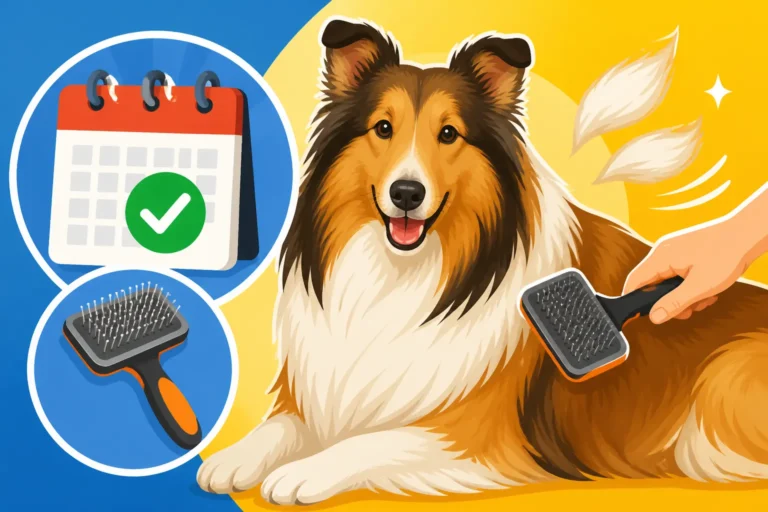
This cannot be emphasized enough: regular, thorough brushing is your absolute best friend when it comes to keeping a Collie clean and minimizing the need for full baths. A Collie's outer coat is surprisingly good at repelling surface dirt, and a lot of that dirt, dust, and even loose hair can be effectively removed with a good brush. By dedicating time each week (or even daily for Collies in full coat) to brushing, you're not just preventing mats; you're actively cleaning their coat.
Think of it as their natural dry-cleaning system. Brushing stimulates the skin, distributing those natural oils we talked about, which actually helps the coat shed dirt. It also removes dead skin cells and loose undercoat, both of which can contribute to a "doggy" smell. For a deeper dive into the specific tools and techniques, definitely check out How Often a Rough Collie Should Be Brushed. Consistent brushing will drastically extend the time between full baths, keeping your Collie looking pristine and their skin healthy.
Odor Control and Coat Fresheners
Sometimes, your Collie isn't truly dirty, but they might just have a bit of that lingering "dog smell" that builds up over time. In these cases, a full bath might be overkill. Dog-specific deodorizing sprays or coat fresheners can be a wonderful interim solution. These products are formulated to be safe for canine skin and coats and can neutralize odors, leaving a light, pleasant scent. Always ensure you're using a product designed specifically for dogs and test a small area first if your Collie has sensitive skin.
Beyond sprays, simply ensuring your Collie's bedding is clean can make a huge difference in their overall freshness. A clean bed means less accumulated odor transferring back to their coat. Regular professional grooming appointments, even if just for a tidy-up and de-shedding bath, can also help manage coat health and odor. Groomers often have specialized equipment like high-velocity dryers and professional-grade shampoos that can achieve a deeper clean and longer-lasting freshness than many owners can manage at home. While Ollie might be known for dog food, and Chewy and Amazon for supplies, a professional groomer is also a great resource for maintaining a Collie's coat between baths.
Disclaimer
This article is for general informational purposes only and does not constitute professional advice. Laws, prices and regulations vary by location and change over time. Consult a qualified professional for guidance on your specific situation.