Which Shampoo Suits a Collie’s Coat
Finding the right shampoo for your Collie can feel like navigating a dense forest, full of promises and potential pitfalls, especially when you’re worried about damaging that magnificent, voluminous coat. Many of us have stood in the pet aisle, completely overwhelmed by the sheer number of bottles, wondering which one won't strip their natural oils, cause matting, or irritate their sensitive skin. This guide is here to cut through the confusion and help you select the perfect shampoo to keep your Collie’s stunning double coat healthy, vibrant, and incredibly soft.
Understanding the Collie's Unique Coat
Before we even dive into specific shampoos, it's absolutely crucial to understand what makes a Collie's coat so special—and a bit challenging. This isn't just any dog fur; it's a masterpiece of nature designed for protection and insulation. Treating it like a short-haired terrier's coat would be a huge mistake, and trust me, your Collie would let you know with a dull, matted mess.
The Double Coat Dilemma
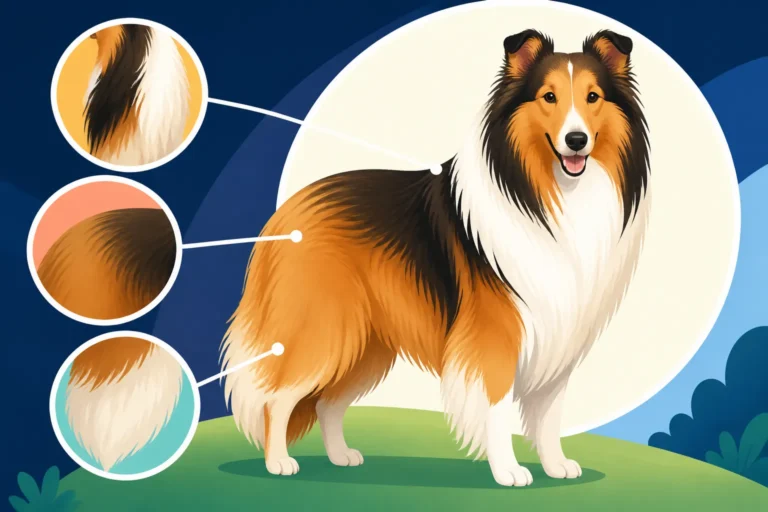
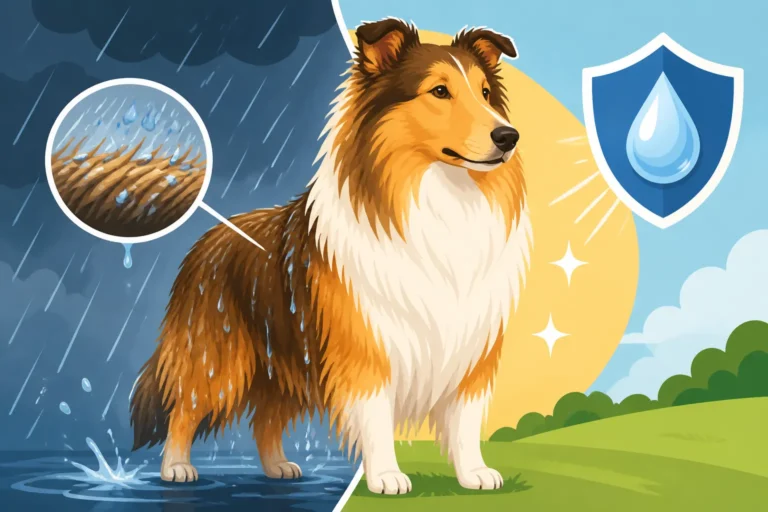
The hallmark of a Rough Collie, and even a Smooth Collie to a lesser extent, is its luxurious double coat. Think of it as having two distinct layers working in harmony. The outer layer consists of long, coarse, straight guard hairs. These are your Collie’s armor, repelling water, dirt, and protecting them from sun and thorns. Beneath this lies the real secret weapon: a soft, dense, and fluffy undercoat. This undercoat is what provides insulation, keeping them warm in winter and surprisingly cool in summer by trapping air.
This dual-layer system is why shampooing a Collie requires a thoughtful approach. You need a product that can penetrate the dense guard hairs to thoroughly clean the undercoat, but without stripping the natural oils that keep both layers healthy and functional. Stripping these oils can lead to dry, brittle guard hairs that break easily, and a compromised undercoat that doesn't insulate properly. It's a delicate balance, and getting it wrong can turn a beautiful coat into a frizzy, dull nightmare that takes ages to recover.
pH Balance and Canine Skin
One of the biggest mistakes many well-meaning owners make is using human shampoo on their dogs. We see a gentle, "baby" shampoo and think, "Surely this is good enough for my furry baby!" But here's the kicker: human skin and canine skin have vastly different pH levels. Our skin is more acidic, typically around 5.5-5.6 pH, while a dog's skin is more neutral, ranging from 6.2 to 7.4 pH.
Using human shampoo on a Collie can wreak havoc on their skin's natural protective barrier. It strips away the acid mantle, which is their first line of defense against bacteria, viruses, and environmental irritants. This disruption can lead to dry, itchy, flaky skin, rashes, and even secondary skin infections. A good dog shampoo is specifically formulated to match canine pH, ensuring it cleans effectively without causing irritation or undermining their skin's natural defenses. Always choose a product clearly labeled for dogs; it’s not just a marketing gimmick, it’s a health necessity.
Common Collie Coat Concerns
Collies are known for their magnificent coats, but with great beauty comes great responsibility, and sometimes, great concerns. Beyond just wanting a clean dog, many Collie owners are battling specific issues that the right shampoo can either help alleviate or, if chosen poorly, exacerbate.
Mats, for example, are a constant threat to the Collie owner. Their dense undercoat is prone to tangling, especially behind the ears, in the "frill" around their neck, and on their "petticoats"—the long feathering on their legs and britches. The wrong shampoo, or one not thoroughly rinsed, can leave residue that makes mats even worse, turning a simple tangle into a solid felt block. We need to prevent this, and choosing the right shampoo is a vital step in maintaining good coat health and manageability. How to Work Out a Mat Behind a Collie's Ear
Excessive shedding is another common complaint, particularly during the biannual "coat blow" when they shed huge amounts of undercoat. While no shampoo can stop shedding entirely, some are designed to help release the loose fur, making the process cleaner and more efficient. Then there are skin sensitivities. Some Collies can develop dry, flaky skin, or even hot spots, often triggered or worsened by harsh chemicals or artificial fragrances in shampoos. Identifying these concerns in your individual Collie will guide your shampoo choice towards relief and comfort rather than further irritation.
Types of Shampoos and What They Offer
The world of dog shampoos is vast, and it can be hard to know where to begin. It's not just about "dog shampoo" anymore; there are specialized formulas for every conceivable need. For a Collie, understanding these different types is key to making an informed decision that truly benefits their coat and skin.
General Purpose vs. Breed Specific Formulas
Let's start with the basics. General purpose shampoos are exactly what they sound like—they're designed for most dogs, providing a decent clean without targeting any specific issues. These can be a good starting point if your Collie has no particular skin or coat problems and you’re looking for a reliable, everyday cleaner. They're often readily available and more budget-friendly.
However, when you have a breed like a Collie with such a unique coat, you might find that breed-specific or long-coat formulas offer a noticeable advantage. These shampoos are often formulated with ingredients that cater to the needs of a double coat, aiming to clean deeply without stripping, and often including detangling or conditioning agents to help manage the volume. Look for descriptions like "for long-haired breeds," "double coat formula," or "shed control." While not strictly necessary, these specialized products can often make the grooming process easier and yield better results, particularly if your Collie's coat is especially dense or prone to matting. Always remember that even a breed-specific shampoo needs to be thoroughly rinsed.
Moisturizing and Conditioning Shampoos
For a Collie's long, flowing coat, hydration is not just a luxury; it's a necessity. Dry, brittle hair is prone to breakage, matting, and can look dull and lifeless. This is where moisturizing and conditioning shampoos truly shine. These formulas are packed with ingredients designed to replenish moisture, strengthen the hair shaft, and improve overall coat health.
Look for ingredients like oatmeal, aloe vera, and various natural oils such as coconut, argan, or jojoba. These ingredients work to soothe dry skin, add elasticity to the fur, and give that beautiful, healthy sheen we all adore in a Collie. Often, a good moisturizing shampoo will also have a conditioner built in, or you might follow up with a separate conditioner for maximum benefit. Conditioners are especially helpful for detangling, making brushing after the bath much smoother and reducing the risk of pulling and damaging the coat. They coat the hair shaft, making it slicker and less prone to knots. For optimal brushing between baths, especially for a Rough Collie, aim to brush them at least a few times a week, if not more frequently. How Often a Rough Collie Should Be Brushed
Deshedding and Dematting Shampoos
Ah, the "coat blow." Every Collie owner knows this season of fluffy tumbleweeds and constant brushing. During these periods, typically twice a year, a deshedding shampoo can be an absolute lifesaver. These products are formulated with special ingredients that help loosen the dead undercoat, allowing it to be more easily brushed out during and after the bath. They don't stop shedding, but they can significantly reduce the amount of loose hair that ends up on your furniture and floors by making the shedding process more efficient. When a Collie Blows Its Coat
Similarly, dematting shampoos and sprays can be incredibly useful for Collies prone to tangles. These formulas often contain silicone-based ingredients or very rich conditioners that lubricate the hair, making it easier to work out minor mats with a comb or brush. However, a word of caution: while helpful, these aren't magic bullets. Severe mats often need to be carefully cut out by a professional, and relying solely on a dematting shampoo for deeply felted areas isn't effective and can cause skin irritation. These products are best used as a preventative measure or for tackling small, newly formed tangles. When shopping for these specific types, you might find a good selection on platforms like Amazon, where reviews can also offer insights into their effectiveness for double-coated breeds.
Hypoallergenic and Medicated Options
Not all Collies have perfectly robust skin. Some can suffer from allergies, dry patches, or specific dermatological conditions that require a more gentle or targeted approach. For these sensitive souls, hypoallergenic shampoos are a blessing. These formulas are typically free from common irritants like artificial dyes, strong fragrances, parabens, and sulfates. They often feature soothing ingredients like colloidal oatmeal or aloe vera, which help to calm itchy, inflamed skin without stripping natural oils. If your Collie has unexplained itching, redness, or dandruff, a hypoallergenic option is a wise first step.
For more severe or diagnosed skin conditions, your veterinarian might recommend a medicated shampoo. These shampoos contain active pharmaceutical ingredients designed to treat specific issues like bacterial infections, yeast overgrowth, or seborrhea. They often include antifungal or antibacterial agents. It's incredibly important to use medicated shampoos only under the guidance of your vet, as improper use can be ineffective or even harmful. They will instruct you on the correct contact time (how long the shampoo needs to stay on the skin) and frequency of use. These aren't your everyday shampoos but powerful tools for therapeutic care.
Key Ingredients to Look For and Avoid
Just like reading the label on your own food, scrutinizing the ingredient list of your Collie's shampoo is paramount. What goes into that bottle can make all the difference between a healthy, shining coat and a dull, irritated one. Knowing what to seek out and what to steer clear of empowers you to make the best choice for your furry friend.
Beneficial Ingredients for a Collie's Coat
When you're scanning those shampoo labels, there are a few star ingredients that are particularly beneficial for a Collie's dense double coat and often sensitive skin. Natural oils, for instance, are fantastic for deep hydration and promoting a healthy sheen. Think coconut oil, argan oil, jojoba oil, or even neem oil. These penetrate the hair shaft, providing moisture and helping to keep the coat soft and pliable, which in turn reduces matting and breakage. They also contribute to the overall luster of that beautiful fur.
Beyond oils, ingredients like colloidal oatmeal and aloe vera are renowned for their soothing properties. If your Collie has itchy or dry skin, these can provide immense relief, calming irritation and reducing redness. Vitamin E and panthenol (a form of Vitamin B5) are also excellent for strengthening the hair and improving its elasticity. And for cleansers, look for gentle, naturally derived options, often coconut-derived, which lift dirt and grime without stripping essential natural oils. A good example might be cocamidopropyl betaine. These ingredients work harmoniously to support the Collie's coat, maintaining its natural beauty and protecting its underlying skin.
Ingredients to Steer Clear Of
Just as important as knowing what to look for is knowing what to avoid. Some common ingredients in shampoos, particularly those not specifically formulated for dogs, can be detrimental to your Collie's skin and coat health. Sulfates, such as Sodium Lauryl Sulfate (SLS) or Sodium Laureth Sulfate (SLES), are potent detergents that create a rich lather but are incredibly harsh and stripping. They can remove too many natural oils, leading to dry, brittle hair and irritated skin, which is the last thing you want for a double-coated breed.
Furthermore, artificial dyes and strong, synthetic fragrances can be major culprits for skin sensitivities and allergic reactions. While a shampoo that smells like a tropical paradise might appeal to us, it can cause itching and discomfort for your Collie. Parabens (preservatives) and phthalates (often found in fragrances) are also ingredients many pet owners prefer to avoid due to potential health concerns. And, as mentioned earlier, always avoid shampoos containing alcohol, as it's incredibly drying to both skin and hair. Being diligent about reading labels, perhaps when browsing for options on reputable pet supply sites like Chewy, ensures you're making the safest choice for your beloved companion.
Application Techniques and Aftercare for a Collie
You've chosen the perfect shampoo, but the job isn't done yet! The actual bathing and drying process for a Collie is just as critical as the product itself. Their dense coat requires specific techniques to ensure thorough cleaning, rinsing, and drying, preventing common problems like matting and skin irritation.
Pre-Bath Prep: The Golden Rule
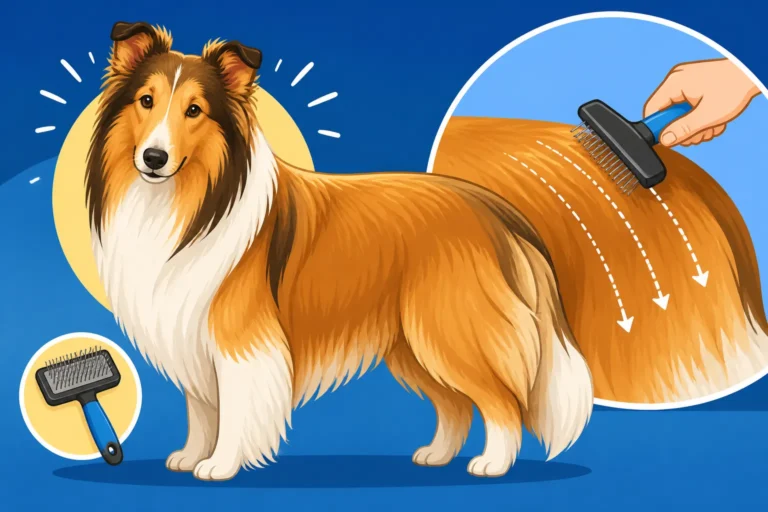
Before a single drop of water touches your Collie, you absolutely must follow the golden rule of bathing double-coated breeds: brush, brush, brush! A thorough pre-bath brushing session is non-negotiable. This isn't just a quick once-over; it's a deep dive into that magnificent fur to remove as much loose hair, dirt, and any existing mats as possible.
Why is this so critical? Water, shampoo, and scrubbing will inevitably tighten any existing mats, making them nearly impossible to remove after the fact without resorting to painful cutting or shaving. Imagine trying to comb through wet, matted hair—it's a nightmare for both you and your dog. By removing tangles and shedding hair beforehand, you allow the shampoo to penetrate properly, ensure a more effective clean, and significantly reduce drying time. So, grab your pin brush and undercoat rake, dedicate a good 20-30 minutes, and make sure their coat is as tangle-free as possible. It truly makes the rest of the bathing process so much smoother.
The Bathing Process Itself
Now for the main event! Once your Collie is brushed, it's time for the bath. First, always dilute your shampoo. For a dense coat like a Collie's, undiluted shampoo can be difficult to spread evenly and even harder to rinse out completely. A good ratio is often 1 part shampoo to 10-15 parts water, mixed in a separate bottle. Wet your Collie's coat thoroughly, making sure the water penetrates right down to the skin. This can take a surprisingly long time with a double coat.
Apply the diluted shampoo gently, working it into the coat, starting from the neck and moving down their body, paying extra attention to areas that get dirty or greasy. Avoid harsh scrubbing or circular motions, as this can easily create new tangles. Instead, use a squeezing or patting motion to work the shampoo through the fur. The absolute most important step? Rinsing. Rinse, rinse, and then rinse again. And when you think you've rinsed enough, rinse one more time. Shampoo residue left in the coat can lead to skin irritation, dryness, and can make the coat feel sticky and attract dirt faster. You'll literally want to feel the water running clear from their skin and hear their fur "squeak" when you run your fingers through it.
Drying Your Collie's Luxurious Locks
The drying process for a Collie is just as important as the washing and rinsing, if not more so. Air-drying is simply not an option for a double-coated breed; it's a recipe for disaster. A damp undercoat can lead to skin infections, hot spots, and severely matted fur that can be painful for your dog and costly to remove.
Start with vigorous towel drying to remove as much excess water as possible. Then, it's time for the secret weapon of most Collie owners and professional groomers: a high-velocity force dryer. This specialized dryer doesn't use heat, but rather powerful airflow to literally "blast" water out of the coat and, crucially, to help push out loose undercoat. As you dry, use a pin brush or slicker brush to line brush the coat. This technique involves parting the hair in small sections and drying/brushing downwards, ensuring that each layer and section is completely dry, right down to the skin. How Long a Collie Takes to Dry This also helps to untangle any small knots that formed during the bath and fluffs out the coat beautifully. A properly dried Collie will have a magnificent, bouncy, and tangle-free coat that is a joy to behold. Never skip this step or cut it short, as it can be detrimental to their coat health and comfort.
Frequency and Special Considerations
Bathing a Collie isn't just about the right products and techniques; it's also about timing and adapting to their specific needs throughout the year. Understanding when and how often to bathe, and considering unique aspects like coat color, can make a significant difference in maintaining their health and beauty.
How Often is Too Often?
This is a question every Collie owner grapples with. There's no single magic number, as it truly depends on your individual dog's lifestyle and coat condition. Generally speaking, bathing a Rough Collie every 4-8 weeks is a good baseline. If your Collie spends a lot of time outdoors, rolling in mud, or has skin issues, they might need more frequent baths. Conversely, a very clean indoor Collie with healthy skin might stretch it to 10-12 weeks.
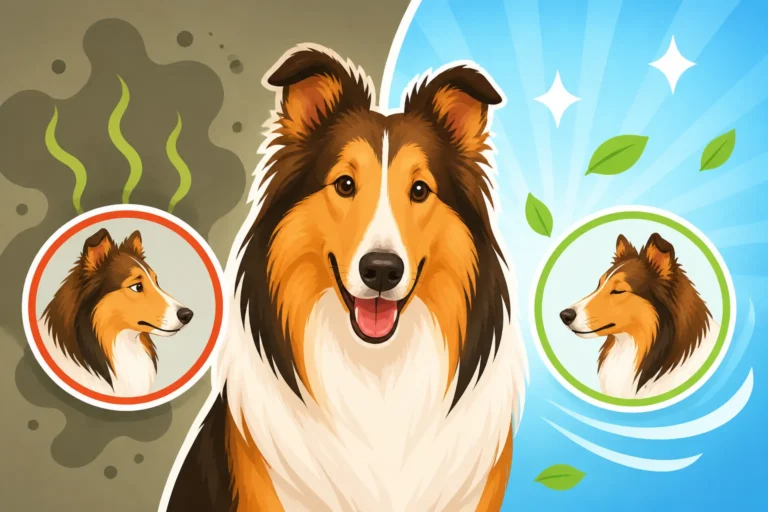
The risks of over-bathing are significant: stripping natural oils, leading to dry, itchy skin and a dull coat that mats more easily. This is why choosing a gentle, pH-balanced shampoo is so vital. On the other hand, under-bathing can lead to an accumulation of dirt, debris, and dead hair, which can cause skin irritation, matting, and an unpleasant odor. It also makes their coat less effective as insulation and protection. Pay attention to your Collie's coat and skin; they'll tell you when they need a bath. If they start to feel greasy, smell a bit "doggy," or develop dandruff, it's probably time. How Often a Collie Needs a Bath
Addressing Specific Coat Colors
While the basic principles of shampooing apply to all Collies, some coat colors might have unique considerations. White Collies, for example, especially those with large patches of white, can be prone to staining or yellowing. If you have a White Collie, you might consider a whitening shampoo specifically designed to brighten white fur and remove unsightly discoloration without harsh bleaches. These often contain optical brighteners or gentle bluing agents.
For blue merles, sables, and tricolors, the goal is to maintain the vibrancy and depth of their beautiful colors. Gentle, non-stripping shampoos are key to preventing fading or dullness. You might want to avoid harsh whitening shampoos on colored areas, as they can sometimes leave a purple tinge if not rinsed perfectly, or simply aren't necessary for maintaining the richness of their darker coats. The primary concern across all colors remains the health of the skin and the integrity of the double coat, ensuring it remains strong, soft, and free from mats.
Seasonal Coat Changes
Collies undergo significant seasonal coat changes, primarily during their biannual "coat blow," typically in spring and fall. During these periods, they shed vast amounts of undercoat, which can feel overwhelming. This is when deshedding shampoos become particularly valuable. Using one during a coat blow can help to loosen that dead undercoat, making it easier to brush out and reducing the amount of fur shed around your house. How Much Undercoat a Collie Drops
In winter, if your Collie spends time in dry, heated indoor environments, their skin might become drier, making moisturizing shampoos even more important. Conversely, during summer, outdoor activities might mean more dirt and grime, necessitating more frequent baths. It’s a balancing act: more outdoor adventures usually mean more baths. The key is to be adaptable and responsive to your Collie's current coat condition and seasonal needs. Their coat is designed to protect them from the elements, but a well-maintained coat, especially during extreme temperatures, performs its job much better. Remember, a Collie should never be shaved for summer heat, as their double coat actually helps insulate them. Why a Collie Should Never Be Shaved
Making the Right Choice for Your Collie
After exploring the intricacies of Collie coats, shampoo types, and bathing techniques, you're hopefully feeling much more confident about making a choice. But the sheer volume of products available can still be daunting. Let's talk about how to finalize your decision and ensure you're picking the absolute best for your furry family member.
Reading Labels and Researching Brands
This might sound obvious, but it's astonishing how many people skip this step. Become a detective when it comes to shampoo labels! Don't just look at the pretty picture or the marketing claims like "extra shiny." Turn the bottle around and read the ingredient list, just like you would for your own personal care products. Look for transparency from manufacturers; reputable brands are usually proud to list their ingredients clearly and explain what they do.
Researching brands goes beyond just the ingredients. Look up reviews from other Collie owners or owners of similar double-coated breeds. Do they rave about how easy it is to rinse? Do they mention lingering residues? Check if the brand has a good reputation for quality and safety. Your veterinarian or a professional groomer who works with Collies frequently can also be an invaluable resource, often having tried and tested various products specific to the breed's needs. Don't be afraid to ask for their recommendations; they've seen it all!
Patch Testing and Observation
Even with all the research in the world, every Collie is an individual. What works wonders for one might cause a mild reaction in another. This is why patch testing new products is a smart move, especially if your Collie has known sensitivities or you're trying a medicated shampoo. Apply a small amount of the shampoo (diluted, if that's how you'll use it) to a discreet area of their skin, perhaps on their belly or inner thigh. Rinse it off and wait 24-48 hours, observing for any redness, itching, or irritation.
After a full bath with a new shampoo, continue to observe your Collie's skin and coat. Does their skin look healthy, not red or flaky? Does their coat feel soft and clean, not greasy or sticky? Is there any excessive itching in the days following the bath? Trust your instincts as a Collie owner. You know your dog best. If something seems off, it's probably time to try a different product. The goal is always a healthy, happy Collie with a comfortable, beautiful coat that you both can be proud of.
Shampoo Type Comparison for Collies
To help you visualize the choices, here's a quick comparison of common shampoo types and their suitability for a Collie's unique coat:
| Shampoo Type | Best For | Pros | Cons |
|---|---|---|---|
| General Purpose | Routine cleaning for Collies with no issues | Affordable, widely available, decent clean | May not address specific coat needs, can be less moisturizing |
| Moisturizing/Conditioning | Dry skin, dull coat, preventing matting | Hydrates skin & fur, adds shine, detangles, reduces static | Can be heavier, requires thorough rinsing to avoid residue |
| Deshedding | During seasonal coat blows | Helps loosen and release dead undercoat, reduces household shedding | Not for everyday use, may be less moisturizing than other options |
| Dematting | Minor tangles, preventing new mats | Lubricates hair for easier brushing, helps work out small knots | Not a substitute for proper brushing, ineffective on severe mats |
| Hypoallergenic/Sensitive Skin | Itchy, red, or reactive skin, allergies | Gentle, free from common irritants, soothing ingredients | May not address deep cleaning needs, can be more expensive |
| Medicated | Specific skin conditions (vet prescribed) | Targets infections/issues, therapeutic properties | Must be used under vet guidance, not for general use, often expensive |
| Whitening/Brightening | White areas prone to yellowing or dullness | Enhances brightness, removes stains | Can be harsh, may leave purple tint if not rinsed completely |
This table serves as a quick reference, but always remember to read individual product labels and consider your Collie's specific needs and sensitivities.
Disclaimer
This article is for general informational purposes only and does not constitute professional advice. Laws, prices and regulations vary by location and change over time. Consult a qualified professional for guidance on your specific situation.