Whether Brushing a Dry Collie Damages the Coat
It’s a scenario many Collie owners know all too well: you look at your beautiful dog’s magnificent coat, grab a brush, and just start going at it, hoping to tackle those tangles and keep shedding at bay. But then you notice something unsettling—a static crackle, hairs flying everywhere, maybe even a little yelp from your Collie, and the brush doesn't seem to be gliding smoothly. You might be wondering if brushing your Collie’s coat when it’s completely dry is actually doing more harm than good, and the answer, my friend, is often a resounding yes. This guide will dive deep into why dry brushing can be detrimental to your Collie's luxurious fur and, more importantly, how to brush them correctly to maintain a healthy, beautiful coat.
The Delicate Nature of a Collie's Coat
A Collie’s coat is truly a marvel, whether you have a majestic Rough Collie with its flowing mane or a sleek, dignified Smooth Collie. It's a defining characteristic of the breed, but it's also surprisingly delicate and requires a thoughtful approach to care. Understanding its structure and what keeps it healthy is the first step in proper grooming.
Understanding the Double Coat Structure
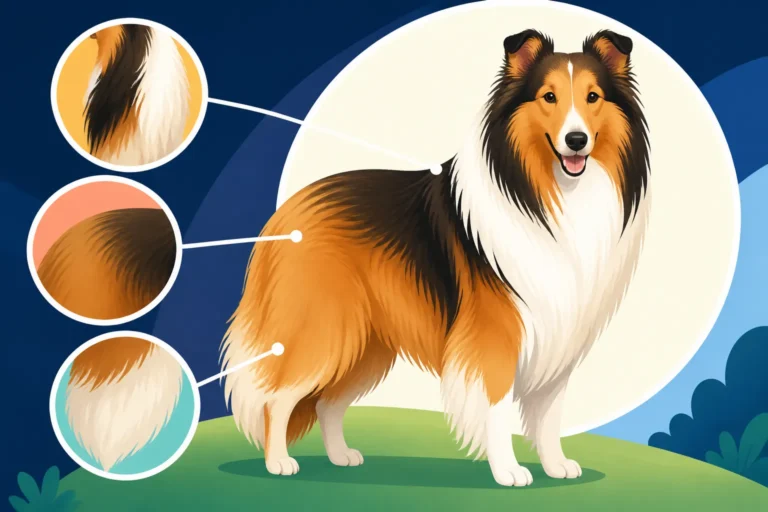
Both Rough and Smooth Collies possess a double coat, although the length and density differ significantly. The double coat consists of two distinct layers, each with a crucial role to play.
- The Outer Coat (Guard Hairs): These are the longer, coarser hairs that you see and feel on the surface. For a Rough Collie, these are the flowing strands that create their iconic silhouette – the ruff around the neck, the feathering on the legs, and the glorious plume of the tail. In a Smooth Collie, these guard hairs are much shorter and lie flat, giving them their sleek appearance. These outer hairs are designed to protect your Collie from the elements – rain, snow, sun, and minor abrasions. They are also the hairs that, when healthy, possess a beautiful sheen.
- The Undercoat: Tucked beneath the guard hairs is a soft, dense, and fluffy undercoat. This layer acts as insulation, keeping your Collie warm in cold weather and providing a protective barrier against heat in warmer climates by trapping air. It's this undercoat that "blows" twice a year, leading to those legendary shedding seasons where you feel like your house is made of Collie fluff.
The intertwining of these two layers, especially in a Rough Collie, creates a complex structure. When this coat is completely dry, especially if there's any pre-existing matting or tangling, the individual hairs lack elasticity and can become brittle. Brushing through dry, brittle hair is akin to trying to comb through your own dry, tangled hair without conditioner – it's painful, ineffective, and causes damage.
The Role of Natural Oils and Hydration
Just like human hair, a Collie's coat relies on natural oils produced by the skin to stay healthy, supple, and strong. These oils lubricate the hair shaft, giving it flexibility and a natural shine. They also help to repel dirt and water, keeping the coat cleaner and more protected.
When the coat is dry, these natural oils might not be evenly distributed, or the air itself might be dry, stripping moisture from the hair. Think about how your own skin and hair feel in a very dry environment; they can feel tight, itchy, and brittle. A Collie’s coat experiences a similar effect. Hydration, whether from the natural oils or from a conditioning spray, allows the hair shafts to be more pliable. This pliability is essential for the brush or comb to glide through the coat without snagging, breaking, or creating excessive static. Without proper moisture, the friction from brushing can strip these vital oils, leading to a duller, coarser coat over time. This is particularly important if you're battling those sneaky mats that seem to appear overnight in the mane or behind the ears.
Why Brushing a Dry Collie Can Be Problematic
While it might seem convenient to just grab a brush and go, especially with a busy schedule, brushing a Collie’s coat when it’s completely dry is a common pitfall that can lead to a host of problems. It’s not just about aesthetics; it impacts your dog's comfort and coat health.
Causing Static and Breakage
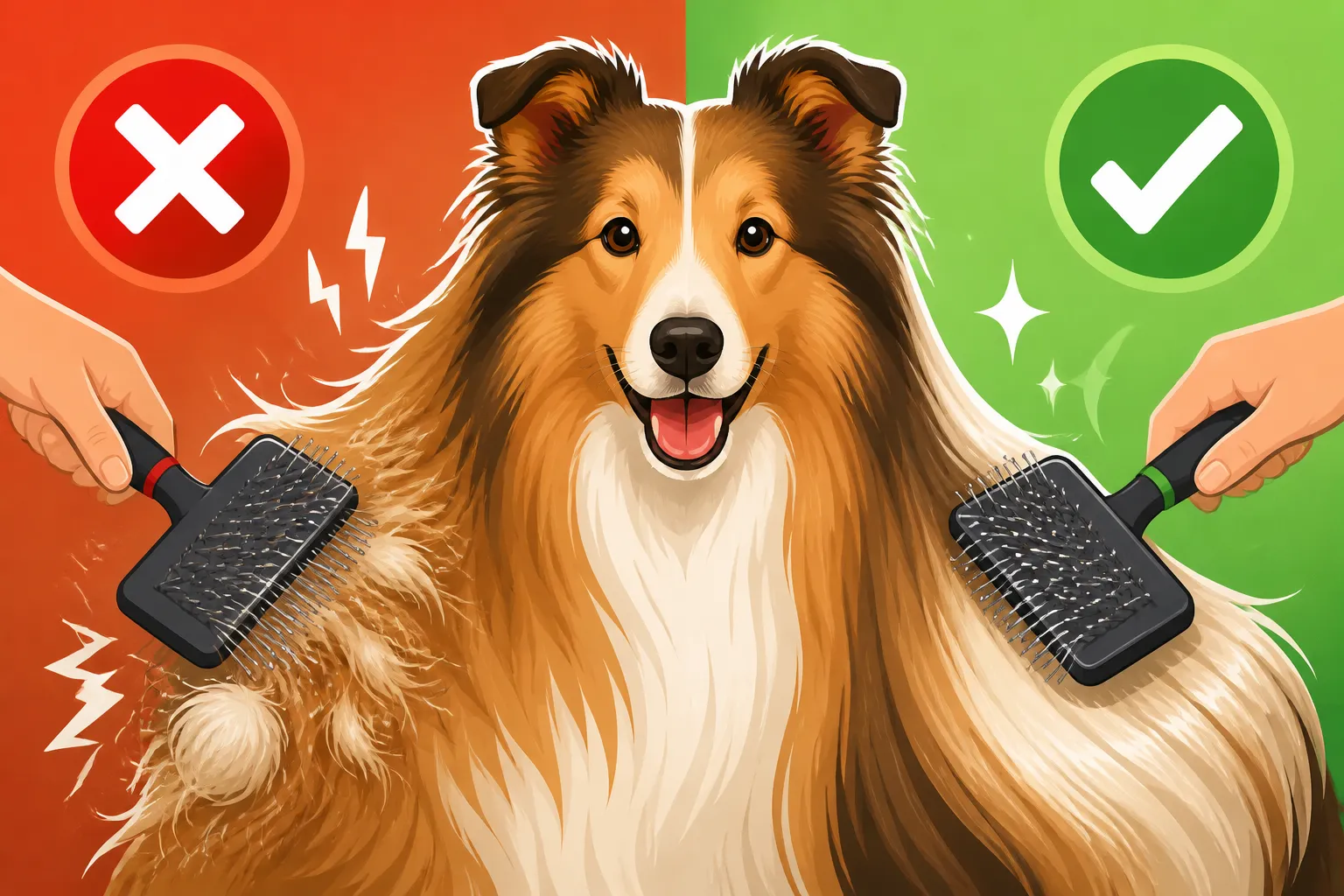
One of the most immediate and noticeable issues when brushing a dry Collie is the static electricity it generates. Have you ever seen your Collie's fur fly up and stick out like they've touched a plasma ball? That's static, and it's a clear sign of friction. This friction, while perhaps amusing for a moment, is actually damaging the individual hair shafts.
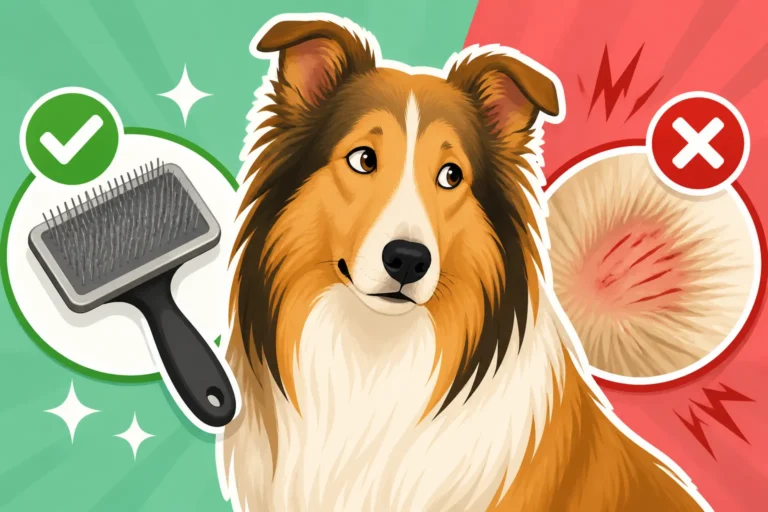
Each time a brush pulls through dry hair, it creates friction that can literally split and break the hair. This breakage results in frizz, a dull appearance, and a weakened coat that is more prone to tangling in the future. Imagine trying to detangle a knotted rope by just pulling harder; you'd only make the knots tighter and fray the fibers. The same principle applies here. Over time, consistent dry brushing can lead to a sparse, unhealthy-looking coat, particularly in areas of high friction like the legs, tail, and ruff. It essentially works against your goal of a beautiful, flowing coat by actively damaging the very hairs you're trying to maintain. You can read more about how often to brush and related issues in How Often a Rough Collie Should Be Brushed.
Pulling and Pain
Beyond cosmetic damage, dry brushing can be genuinely uncomfortable, even painful, for your Collie. When you brush through dry fur, especially if there are any snags or small tangles, the brush's bristles or teeth can pull harshly on the skin. Collies are sensitive dogs, and this pulling can cause them to yelp, shy away, or develop an aversion to grooming.
A single bad grooming experience can make future sessions a struggle. Your Collie might associate the brush with pain, making them anxious or resistant every time you bring it out. This can lead to a cycle where grooming becomes a battle, reducing the frequency of brushing and allowing mats to form even more easily. Furthermore, repeated pulling can irritate the skin, potentially leading to redness, flaking, or even minor abrasions that could become infected if not addressed. You want grooming to be a bonding experience, not a chore or a source of fear for your beloved companion. If you want to know more about how to make grooming a good experience for puppies, check out How to Teach a Collie Puppy to Lie Still for Grooming.
Ineffective Mat Removal
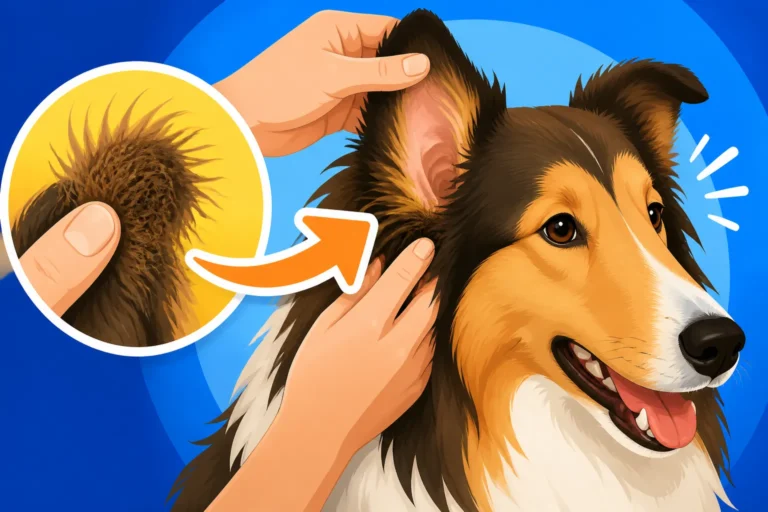
Let’s be honest, those mats in a Collie’s coat are often the primary reason we grab the brush in the first place. Whether it's the classic mat behind the ears, in the armpits, or under the tail, they are a constant challenge. However, attempting to brush out a mat when the coat is bone dry is perhaps the most frustrating and damaging approach you can take.
Dry mats are tight, dense clumps of fur where the undercoat and guard hairs have become hopelessly intertwined. Trying to force a brush or comb through a dry mat will achieve one of two things:
- You'll break off the healthy hair around the mat, making the mat smaller but creating a patch of broken, damaged fur that will re-mat faster.
- You'll pull painfully on your Collie’s skin, causing discomfort and further solidifying their negative association with grooming.
- You’ll simply reinforce the mat, making it tighter and harder to remove later.
Instead of breaking down the mat, dry brushing often makes it worse, driving the individual hairs deeper into the tangle and compacting it further. It's a bit like trying to untangle a sticky ball of yarn without any lubricant; you just make it tighter and more frustrating. The key to effective and humane mat removal lies in lubrication and patience, which dry brushing completely lacks.
The Art of Proper Collie Brushing: When and How to Dampen the Coat
So, if brushing a dry Collie is a no-go, what's the secret to maintaining that gorgeous coat without causing damage or discomfort? The answer lies in introducing a little moisture and using the right technique. This isn't about giving your dog a full bath every time, but rather creating the ideal conditions for the brush to work its magic safely and effectively.
The Magic of Misting
The simplest, most effective step to prevent damage during brushing is to lightly mist your Collie's coat before you start. This isn't about soaking them; it's about adding just enough moisture to condition the hair, reduce static, and allow your tools to glide smoothly.
- Water Mist: A spray bottle filled with plain water works wonders. A fine mist is all you need. You're aiming to lightly dampen the hair, not make it wet. This adds a little hydration, making the hair shafts more pliable and less prone to breaking.
- Conditioning Sprays: For an extra boost, consider a leave-in conditioning spray specifically designed for dogs. Many of these sprays contain ingredients that not only add moisture but also detangle, reduce static, and nourish the coat. Brands like TropiClean or Earthbath offer excellent options. You can often find these at your local pet supply store or through online retailers like Chewy or Amazon. A good conditioning spray can make a noticeable difference in how easily the brush moves through even the thickest Collie coat.
- Diluted Conditioner: Another option is to create your own detangling spray by diluting a small amount of dog-safe conditioner in water. Use about one part conditioner to ten parts water, shake well, and mist lightly. Always use a conditioner formulated for dogs, as human products can upset their skin pH.
The goal is to provide a thin layer of lubrication that reduces friction and static, making the grooming process much more comfortable for your Collie and more effective for you. This tiny step can prevent so much hair breakage and make mat removal significantly easier.
Choosing the Right Tools for the Job
Even with a damp coat, the wrong tools can still cause problems. Collies require a specific arsenal of brushes and combs to manage their double coat effectively. You don’t need a hundred tools, but having the right few makes all the difference. Which Four Brushes a Collie Owner Needs provides a deep dive into the essentials.
- Pin Brush: This is your primary tool for general brushing and working through the bulk of the coat. Look for one with long, smooth pins, ideally with rounded tips, to reach through the guard hairs to the undercoat without scratching the skin. The pins should be firm enough to penetrate the dense fur but flexible enough not to pull excessively.
- Slicker Brush: While useful for general dematting and removing loose undercoat, use a slicker brush with caution on a Collie, especially a Rough Collie. The fine, bent wires can be harsh if not used correctly, particularly on dry hair. If you do use one, use it gently and sparingly, focusing on areas prone to matting. On a damp, conditioned coat, it's less likely to cause damage.
- Metal Comb (Greyhound Comb): This is indispensable, especially for Rough Collies. A good quality metal comb will have both wide and fine teeth. The wide-toothed end is perfect for initially working through tangles and mats that have been loosened by the pin brush, while the finer end can be used for tidying up feathering and checking for missed tangles. This comb is crucial for line brushing and ensuring you’ve reached all the way to the skin.
- Undercoat Rake: During shedding season, an undercoat rake can be a lifesaver. This tool is designed to gently pull out loose undercoat without cutting the guard hairs. Use it carefully and only on a well-misted coat to avoid stripping healthy fur or irritating the skin.
Always ensure your grooming tools are clean and in good condition. Damaged brushes with bent or missing pins can snag and pull hair, undoing all your good work.
Step-by-Step Damp Brushing Technique
Once you have your misting spray and your chosen tools, you're ready to embark on a damage-free grooming session. Consistency and technique are far more important than brute force.
- Prepare Your Space: Find a comfortable, well-lit area where your Collie can relax. Having a grooming table can be incredibly helpful, saving your back and keeping your dog contained. Lay down a non-slip mat if you're working on a slick surface.
- Mist the Section: Before you even touch the brush to fur, lightly mist a small section of your Collie's coat. Don't try to mist the whole dog at once; work in manageable sections, typically 2-3 inches wide. This ensures the moisture has a chance to penetrate the fur right before you brush it.
- Line Brushing is Key: For Rough Collies, this technique is paramount. Part the fur against the grain with your hand, exposing the skin. Starting from the bottom (e.g., a leg or the belly), brush downwards, allowing the newly brushed hair to fall naturally back over the unbrushed section. Continue to work your way up, misting and brushing each small section, ensuring your brush reaches all the way to the skin. This ensures you're not just skimming the surface but truly getting out all the loose undercoat and preventing mats from forming deep within. How to Line Brush a Collie offers a complete tutorial.
- Gentle Strokes: Use gentle, even strokes. Don't press too hard with the brush, especially with a slicker. Let the tools do the work. If you encounter a tangle, don't yank. Stop, mist more if needed, and gently work it apart with your fingers or the wide-toothed end of your metal comb, working from the ends of the tangle towards the skin. Patience is your best friend here.
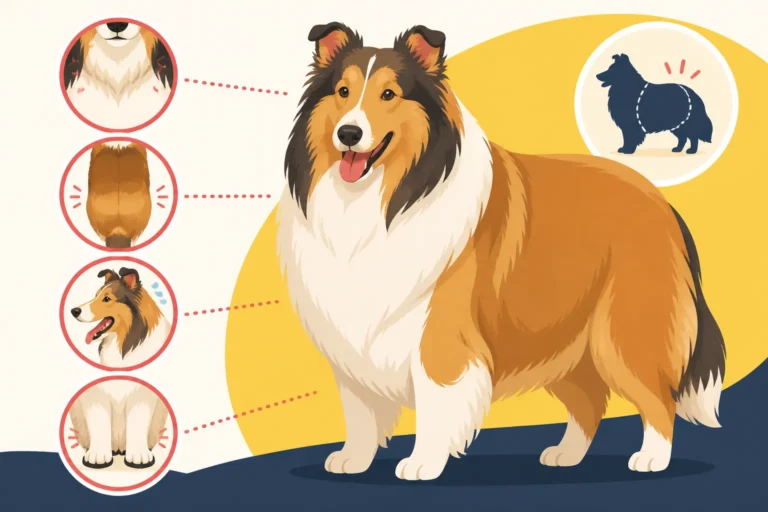
- Focus on Mat-Prone Areas: Pay extra attention to common trouble spots: behind the ears, in the armpits, under the tail, and the "petticoat" area on the hind legs. These areas often develop mats first due to friction and movement. A regular schedule here can prevent minor tangles from becoming painful, dense mats.
- Finishing with a Comb: Once you’ve brushed an entire section or the whole dog with your pin brush, go back over it with your metal comb. This is your final check. The comb should glide through the fur smoothly from skin to tip without resistance. If it snags, you've missed a tangle, and you need to go back with the brush.
- Positive Reinforcement: Keep the experience positive with praise, gentle words, and occasional treats. This reinforces that grooming is a pleasant activity, making your Collie more cooperative for future sessions.
By following this damp brushing method, you'll protect your Collie's beautiful coat, reduce shedding, and prevent painful mats, all while strengthening the bond you share.
Beyond Brushing: Comprehensive Coat Care for Your Collie
Brushing is a cornerstone of Collie coat care, but it's part of a larger picture. A truly healthy, vibrant coat is a reflection of overall well-being and a comprehensive grooming routine. Thinking about your Collie's coat holistically ensures its beauty and health from the inside out.
Regular Baths and Conditioning
While daily or even weekly full baths are not necessary for most Collies, regular bathing is crucial for maintaining coat hygiene and health. The frequency will depend on your Collie's lifestyle, but typically a bath every 4-8 weeks is sufficient.
- Proper Shampoo and Conditioner: Always use a high-quality shampoo and conditioner formulated specifically for dogs. Human products can be too harsh or disrupt the natural pH balance of their skin, leading to dryness and irritation. Look for conditioning shampoos or follow up with a separate dog conditioner to help hydrate the coat and make it easier to brush. You can find excellent options on Chewy or at your local pet store.
- Thorough Rinsing: This is perhaps the most critical step. Any shampoo or conditioner residue left in the dense double coat can irritate the skin and actually attract dirt, leading to dullness and matting. Rinse, rinse, and rinse again until the water runs clear and you can feel no slickness on the fur.
- Drying is Key: For Rough Collies especially, proper drying is non-negotiable. Air drying can lead to hot spots, skin infections, and severe matting deep in the undercoat. A high-velocity dryer is a fantastic investment, as it blasts water out of the coat and helps to straighten the hairs, reducing drying time and preventing tangles. If you don't have one, towel dry thoroughly and then use a cool setting on a human hairdryer, brushing constantly as you dry to prevent matting. Bathing a Collie Without Wrecking the Coat provides more details on the process.
Nutritional Support for a Healthy Coat
What goes into your Collie's bowl has a direct impact on the quality of their coat. A diet rich in essential nutrients supports healthy skin and hair growth, making grooming easier and the coat more resilient.
- High-Quality Dog Food: Start with a premium dog food that lists real meat as the first ingredient. Avoid foods with excessive fillers, artificial colors, or by-products. A balanced diet provides the building blocks for strong, healthy hair. Brands like Ollie, known for their fresh, human-grade ingredients, or other reputable kibble brands available on Chewy, prioritize high-quality protein and fats.
- Omega Fatty Acids: Omega-3 and Omega-6 fatty acids are particularly beneficial for skin and coat health. They help reduce inflammation, improve skin hydration, and promote a shiny, healthy coat. Many high-quality dog foods include these, but you can also supplement with fish oil. Always consult your vet before adding supplements to your dog's diet. Whether a Collie Needs Supplements for Its Coat delves into this further.
- Hydration: Don't forget the importance of fresh water! Adequate hydration is vital for every bodily function, including skin and coat health. Ensure your Collie always has access to clean, fresh water.
If you notice your Collie's coat becoming dull, dry, or excessively shedding outside of normal seasonal blows, it might be worth reviewing their diet with your veterinarian.
Professional Grooming Wisdom
While many Collie owners can manage routine brushing at home, there are times when a professional groomer is invaluable. They possess specialized tools, techniques, and experience that can make a huge difference.
- Dealing with Severe Matting: If your Collie has developed severe, tight mats that you cannot safely or comfortably remove at home, a professional groomer is the best option. They can often work out mats that seem impossible, or, if necessary, humanely shave the affected areas to prevent pain and skin damage. Never attempt to cut out mats with scissors close to the skin yourself, as this can lead to serious injury.
- Seasonal Coat Blows: Twice a year, Collies "blow" their undercoat, shedding massive amounts of fur. A professional groomer can provide a specialized de-shedding treatment that dramatically reduces the amount of loose hair in your home and helps the new coat come in healthier. This often involves specific shampoos, conditioners, and high-velocity drying techniques.
- Maintaining a Show Coat: If you show your Collie, a professional groomer or handler who specializes in the breed can help maintain the coat to breed standards, ensuring it's in pristine condition.
- Learning Techniques: Even if you plan to do most of the grooming yourself, a professional groomer can offer invaluable advice and even demonstrate proper techniques for your specific Collie’s coat type. Don't be afraid to ask questions or watch them work.
Remember, a professional groomer should understand the Collie coat and never recommend shaving a Rough Collie for general maintenance, as this can permanently damage their double coat. If you're struggling to keep up with your Collie's coat, budgeting for occasional professional visits can be a huge relief and a wise investment in your dog's health and comfort.
By embracing a comprehensive approach that includes thoughtful brushing, regular bathing, quality nutrition, and knowing when to call in the pros, you'll ensure your Collie's coat remains as stunning and healthy as the dog wearing it.
| Feature | Brushing a Dry Collie | Brushing a Damp/Conditioned Collie |
|---|---|---|
| Static | High friction, significant static electricity. | Reduced friction, minimal static electricity. |
| Hair Breakage | High risk of splitting and breaking individual hairs. | Low risk of hair breakage; hairs are more pliable. |
| Comfort | Can be painful due to pulling on dry, snagged hairs. | More comfortable for the dog; brush glides smoothly. |
| Mat Removal | Ineffective, can tighten mats, causes pain and damage. | Easier and safer; moisture helps loosen tangles and mats. |
| Coat Health | Can strip natural oils, leading to dull, brittle fur. | Preserves natural oils, promotes a shiny, healthy coat. |
| Grooming Time | Can be longer and more frustrating due to snags. | Often quicker and more efficient. |
| Long-Term Effect | Leads to damaged, less resilient coat over time. | Contributes to a strong, well-maintained, beautiful coat. |
Disclaimer
This article is for general informational purposes only and does not constitute professional advice. Laws, prices and regulations vary by location and change over time. Consult a qualified professional for guidance on your specific situation.