What a Collie’s Skin Biopsy Costs
Finding a skin problem on your beloved Collie can be incredibly worrying, and the thought of medical procedures like a biopsy often brings a wave of financial anxiety right alongside the health concerns. Many of us automatically brace for the worst when the vet mentions anything beyond a routine check-up, and understanding what a skin biopsy involves, both medically and monetarily, can help ease some of that stress. This guide will walk you through the typical costs associated with a Collie's skin biopsy, explaining what factors influence the final bill and how you can prepare.
Why Your Collie Might Need a Skin Biopsy
It's heartbreaking to see your Collie scratching relentlessly, developing patches of hair loss, or sporting angry-looking skin lesions. Their magnificent double coat, while beautiful, can also be a master at hiding underlying issues until they become quite advanced. You might have tried various shampoos, dietary changes, or even over-the-counter remedies, only to find the problem persists or worsens. This is often the point where your veterinarian suggests a skin biopsy.
A skin biopsy isn't just about pinpointing the problem; it's about getting a definitive diagnosis that guides effective treatment. Unlike a simple skin scrape, which primarily looks for parasites, a biopsy takes a small piece of tissue for microscopic examination by a veterinary pathologist. This deeper dive can reveal everything from autoimmune diseases, certain infections that don't show up on surface tests, or even various types of skin cancer. For a breed like the Collie, known for conditions like Dermatomyositis and the Collie Risk Panel, a precise diagnosis is crucial for their long-term well-being and managing their unique sensitivities.
Imagine your Collie, a usually stoic companion, constantly agitated, rubbing against furniture, and looking miserable. It’s hard to ignore. When topical treatments or antibiotics haven't resolved the issue, a biopsy becomes a necessary step to stop the guessing game. It provides the veterinary team with the information needed to formulate a targeted treatment plan, potentially saving your Collie from prolonged discomfort and you from repeated, ineffective treatments. Without it, you could be spending money on interventions that don't address the root cause, leading to endless frustration and continued suffering for your dog.
Understanding the Components of a Skin Biopsy Cost
When your vet first mentions a skin biopsy, it's easy to picture just one single fee. However, a biopsy is a multi-step procedure, and the final cost is a summation of several different services and professional fees. These can vary significantly depending on your geographic location, the specific veterinary clinic, the complexity of your Collie's case, and whether a specialist is involved.
Initial Consultation and Diagnostics
Before any biopsy takes place, there's usually an initial consultation, or perhaps several, where your vet assesses the skin condition. This might involve looking at the affected areas, discussing your Collie's history, and running preliminary tests. These tests could include skin scrapes to rule out mites, fungal cultures, or even blood work to check for systemic issues. Each of these diagnostic steps adds to the overall cost, but they are vital for narrowing down possibilities and determining if a biopsy is indeed the most appropriate next step. Think of it as detective work, where each clue costs a bit, but gets you closer to the truth.
If your general practice vet feels the case is particularly challenging, they might recommend a referral to a veterinary dermatologist. A specialist consultation alone will come with its own fee, which is often higher than a general vet visit due to their specialized expertise and equipment. What a Collie's Dermatologist Referral Costs can add a significant initial layer to your expenses, but their experience with complex skin conditions, especially those common in Collies, can be invaluable for an accurate diagnosis. This specialist might then perform the biopsy themselves or guide your regular vet on the best approach.
The Biopsy Procedure Itself
The core of the cost associated with a skin biopsy stems from the procedure to collect the tissue samples. This isn't just a quick clip; it involves careful planning and execution. Most skin biopsies require sedation or light anesthesia to ensure your Collie is comfortable and still, allowing the vet to obtain clean, representative samples. The cost of anesthesia includes the medications used, the monitoring equipment, and the staff time dedicated to keeping your Collie safe during the process. For Collies, particular attention is paid to anesthesia protocols, especially if they have the [MDR1 Mutation], which can affect how they metabolize certain drugs. This extra caution and specialized drug selection can sometimes influence costs.
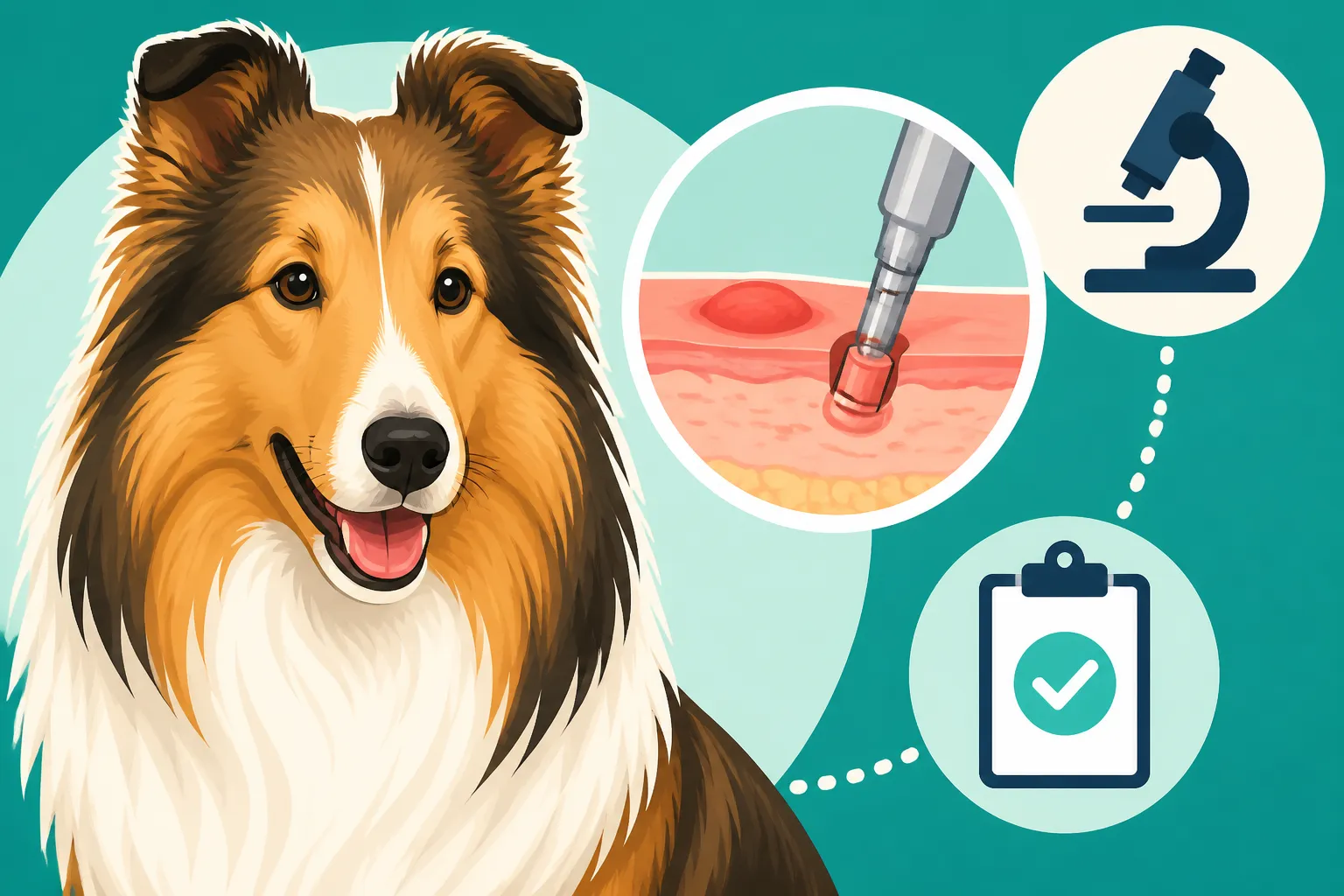
There are different methods for taking a biopsy, primarily punch biopsies (where a circular tool removes a small core of skin) or excisional biopsies (where a small wedge or ellipse of tissue is cut out). The number of samples taken and the method used will factor into the procedure's cost. Sometimes, sutures are needed to close the biopsy site, which adds another small component. The veterinary staff's time for preparing your Collie, performing the biopsy, and monitoring them post-procedure is also included in this segment of the bill.
Laboratory Analysis and Pathologist Fees
Once the tissue samples are collected, they are sent off to a specialized veterinary pathology laboratory. This is where the real diagnostic magic happens. A board-certified veterinary pathologist, a doctor specializing in diagnosing disease by examining tissues, will prepare the samples, stain them, and meticulously examine them under a microscope. Their expertise is what truly interprets what the cells and tissue structures are telling them.
The lab fees cover the processing of the samples, the staining, and the pathologist's professional interpretation. These fees can vary widely among labs and may be influenced by the complexity of the case or if special stains or additional analyses are required. You're not just paying for a lab test; you're investing in the specialized knowledge and experience of a pathologist who can identify subtle cellular changes that lead to an accurate diagnosis. This often represents one of the more substantial portions of the biopsy cost, as it's the critical step that provides the definitive answer.
Navigating the Financials: Insurance, Payment Plans, and Savings
Let's be real, unexpected vet bills can hit hard, and a skin biopsy for your Collie is no small expense. It's completely understandable to feel overwhelmed, but there are definitely ways to manage these costs and ensure your furry friend gets the care they need.
Pet Insurance Can Be a Lifesaver
If you've had pet insurance for your Collie, now is precisely the time it shines. Many comprehensive pet insurance policies, like those offered by Healthy Paws, cover diagnostic procedures such as skin biopsies, especially when they're recommended to diagnose an unexpected illness. If your Collie developed the skin condition after your policy was in force, it typically wouldn't be considered a pre-existing condition, and your insurer would likely cover a significant portion of the costs after your deductible and co-pay are met. It's truly a safety net for those moments when you just want to focus on your dog's health without the added stress of a huge bill. Always check your policy details thoroughly, as coverage can vary. Whether Pet Insurance Is Worth It on a Collie is a question many owners ponder, and situations like unexpected biopsies often highlight its value.
However, if your Collie's skin issue developed before you had insurance, or if it's deemed a pre-existing condition, most policies won't cover it. This is why getting insurance when your Collie is a healthy puppy or young adult is often recommended. For those without current coverage, some plans might offer accident-only policies, but these typically wouldn't cover a diagnostic biopsy for a developing skin condition. It’s always worth reaching out to different providers and understanding their terms.
Exploring Payment Options and Financial Assistance
For those without pet insurance, or facing a condition that isn't covered, discussing payment options with your veterinary clinic is a crucial first step. Many clinics understand that pet care can be expensive and offer solutions like staggered payment plans, allowing you to pay the bill over several weeks or months. Some clinics also work with third-party medical credit providers, which function similarly to a credit card but are specifically for healthcare expenses, often offering deferred interest periods.
It's also worth investigating if there are any breed-specific or general animal welfare organizations that offer financial aid for diagnostic procedures. Foundations dedicated to Collie health, for example, might have programs to assist owners with certain conditions, especially genetic ones. While not always common for every situation, it's worth a few phone calls or online searches. Resources are out there, but they often require some digging to find.
Here's a simplified breakdown of potential cost components for a Collie's skin biopsy:
| Cost Component | Description | Typical Contribution to Total Cost |
|---|---|---|
| Initial Vet Visit/Consultation | Examination, history taking, initial assessment. | Moderate |
| Preliminary Diagnostic Tests | Skin scrapes, fungal cultures, blood work to rule out other issues. | Moderate to High |
| Specialist Referral (Optional) | Consultation with a veterinary dermatologist. | High |
| Sedation/Anesthesia | Medications, monitoring, staff time for safe procedure. | Moderate to High |
| Biopsy Collection (Vet Fee) | Actual taking of tissue samples (punch, excisional), sutures. | Moderate |
| Pathology Lab Fees | Processing, staining, microscopic examination of samples. | High |
| Pathologist Interpretation | Professional diagnosis and report by a board-certified pathologist. | High |
| Follow-up Consultation | Discussion of results, development of treatment plan. | Moderate |
| Medications/Post-Care | Pain relief, antibiotics, wound care, specialized diet. | Varies |
Note: "Typical Contribution" is a general guide and actual costs will fluctuate significantly.
After the Biopsy: Understanding the Results and Follow-Up Care
The waiting period for biopsy results can feel like an eternity, but once they arrive, it's a critical moment for your Collie's health. The cost of a skin biopsy doesn't end when the procedure is done; the journey continues with interpreting those results and implementing a long-term care plan. This follow-up care is where the real long-term financial commitment, and relief, often begin.
Interpreting the Diagnosis and Treatment Planning
Once the pathologist's report comes back, your vet or specialist will schedule a follow-up consultation to discuss the findings. This is where you'll get the definitive diagnosis and an explanation of what it means for your Collie. This might be a relatively simple bacterial infection that requires a specific antibiotic, or it could be something more complex like an autoimmune disease such as pemphigus or even a specific type of skin cancer. Understanding the nuances of the diagnosis is key, and your vet will explain the recommended treatment protocols. This follow-up visit itself will incur a consultation fee.
The recommended treatment plan is where further costs come into play. If it's a bacterial or fungal infection, your Collie might need weeks of specific oral medications and medicated shampoos. If it's an autoimmune condition, lifelong medications such as corticosteroids or other immunosuppressants might be necessary. Some conditions, like certain benign growths, might just require monitoring, while others, like aggressive skin cancers, could necessitate further surgery or even chemotherapy. What Treating a Collie's Skin Flare Costs can add up over time, especially with chronic conditions that require ongoing medication and frequent re-evaluations.
Ongoing Management and Lifestyle Adjustments
Beyond immediate medication, a skin biopsy diagnosis often leads to long-term management strategies. For some Collies, this might mean a specific diet. Perhaps a limited ingredient diet to manage allergies, or a prescription food designed to support skin health. Companies like Chewy and Ollie offer a wide range of specialized diets, and while premium foods or prescription formulas might be pricier than your standard kibble, they can be essential for managing a chronic skin condition. Your vet might also recommend specific supplements, special grooming routines, or even lifestyle changes to minimize triggers for your Collie's skin.
For example, if the diagnosis points to a condition aggravated by sun exposure, you might need to adjust your Collie's exercise schedule to avoid peak sun hours, or consider dog-safe sunscreen for their nose. Whether a Collie Needs Sunscreen on Its Muzzle is a question many owners face, especially if their Collie has conditions like Collie Nose (nasal solar dermatitis) or other light-sensitive skin issues. Managing a chronic condition means budgeting for these ongoing costs, which include not only medications but also potential dietary changes, special shampoos, and regular recheck appointments to monitor their progress and adjust treatment as needed. It's a journey, not a destination, and preparing for those continuing expenses is a crucial part of responsible Collie ownership.
Disclaimer
This article is for general informational purposes only and does not constitute professional advice. Laws, prices and regulations vary by location and change over time. Consult a qualified professional for guidance on your specific situation.