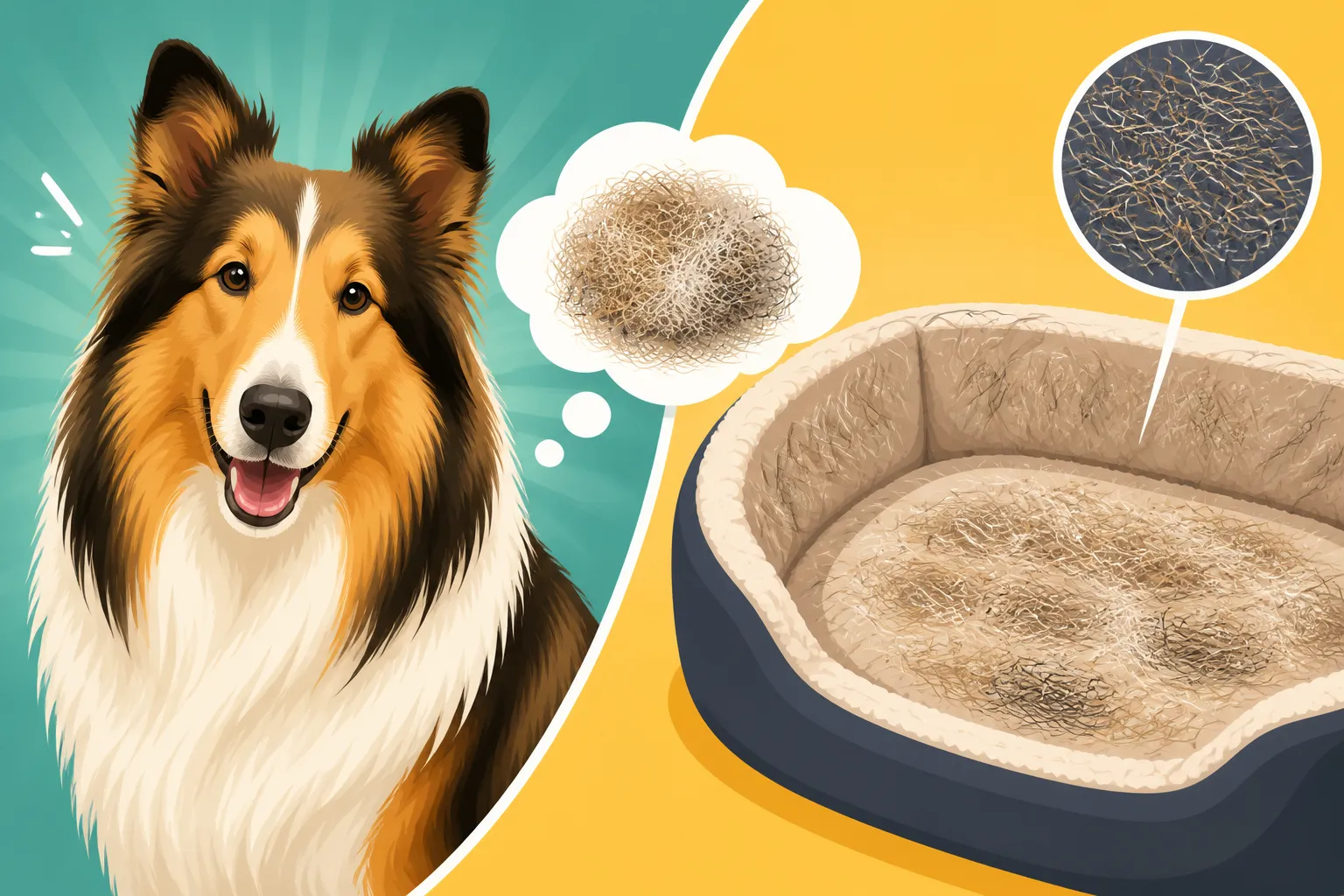
Whether a Collie’s Bedding Fills With Hair
If you're a Collie owner, you know the struggle is real: your home often feels like a monument to dog hair, and nowhere is this more evident than your beloved Collie's bed. It’s not just a cozy spot for them; it’s a furry ecosystem, a prime collection point for all that glorious, abundant coat. We're going to dive into exactly why this happens and, more importantly, what you can realistically do about it.
The Unavoidable Truth: Collie Hair and Their Beds
Let's face it, owning a Collie means embracing the fur. It's part of their charm, that magnificent mane and flowing tail, but it also means a constant battle against shedding. Your Collie's bed, unfortunately, is ground zero for this fluffy invasion, transforming from a soft haven into a veritable fur sculpture.
Understanding the Collie Coat
Collies, both Rough and Smooth, boast a double coat that is nothing short of spectacular, but it's also the root cause of all that hair. They have a dense, soft undercoat designed for insulation against cold weather, and longer, coarser guard hairs that protect against moisture and dirt. This combination is what gives them their majestic appearance and, yes, their prodigious shedding capacity. Every strand of hair, once it reaches the end of its growth cycle, will eventually detach and seek new residence, often in the nearest soft, inviting surface – like their bed.
This isn't a flaw; it's a feature, an evolutionary marvel that kept their ancestors comfortable while herding sheep across the Scottish Highlands. But for us modern Collie owners, it translates to a daily ritual of brushing and cleaning, particularly when it comes to their favorite sleeping spots.
The "Coat Blow" Phenomenon
Beyond the regular, year-round shedding, Collies experience what's known as a "coat blow" or "blowing their coat" typically twice a year, usually in spring and autumn. During these periods, the undercoat sheds out in massive quantities to make way for a new, seasonally appropriate layer. This isn't just a little extra hair; it's an absolute explosion of fluff that can make your home feel like a snowglobe filled with dog fur. If you've ever wondered The Three Weeks Twice a Year When a Collie Buries Your House, you know exactly what I'm talking about.
When a Collie is blowing coat, their bed becomes an unparalleled fur collection device. They spend a significant amount of time sleeping, resting, and simply existing in their bed, allowing the loosening undercoat to detach and embed itself deep within the fabric. It’s during these times that a simple shake-out often isn't enough, and you might find yourself needing industrial-strength cleaning methods just to make a dent.
The Everyday Reality of Shedding
Even outside of the dramatic coat blow seasons, Collies are consistent shedders. Their hair has a natural lifecycle, and individual hairs are constantly being replaced. While it might not be the voluminous snowfall of a coat blow, it's a steady, persistent rain of fur that accumulates everywhere. For many indoor Collies, the shedding can feel like a year-round event without distinct seasonal peaks, as their indoor environment minimizes temperature fluctuations. This phenomenon is often discussed in detail when people ask Whether an Indoor Collie Sheds Year Round Instead.
This continuous shedding means that your Collie's bed is never truly hair-free for long. Even after a thorough cleaning, a few hours of napping or lounging can see a fresh layer of fur begin to settle. It's a testament to their dedication to comfort – and perhaps, a quiet challenge to our cleaning routines!
Why Bedding Becomes a Fur Magnet
It’s not just that Collies shed a lot; it’s how their hair interacts with fabrics that makes their beds such formidable fur magnets. Understanding this interaction can help us strategize better cleaning and management.
Static Cling and Fabric Traps
Collie hair, especially the fine undercoat, is prone to static electricity, particularly in dry indoor environments. This static acts like a natural adhesive, causing the hair to cling stubbornly to bedding fabrics. Moreover, many common bedding materials, especially those with a slightly textured or woven surface, create tiny nooks and crannies where individual hairs can embed themselves. Think of fleece or plush fabrics – they are incredibly soft and inviting, but they are also exceptionally good at trapping fur.
Once embedded, these hairs become intertwined with the fabric fibers, making them incredibly difficult to remove with a simple shake or even a standard vacuum cleaner attachment. It’s not just lying on the surface; it’s becoming one with the bed, creating that distinct furry texture we Collie owners know so well. This is why even a casual glance at a Collie's bed often reveals a dense, matted layer of fur rather than loose strands.
Hygiene and Comfort for Your Collie
While a furry bed is an aesthetic issue for us, it can become a hygiene and comfort concern for your Collie. A bed packed with shed hair can trap dander, dust mites, and outdoor allergens, potentially exacerbating allergies in both your dog and your family. Over time, the accumulated hair can also compact, reducing the loft and cushioning of the bed, making it less comfortable and supportive for your dog's joints. After all, a bed's purpose is to provide a clean, soft, supportive space.
Furthermore, a heavily furred bed can retain odors, even if your Collie is impeccably groomed. The natural oils from their coat, combined with dirt and dander, can lead to a less-than-fresh scent permeating their sleeping area and, by extension, your home. Keeping their bed relatively free of excessive hair is therefore not just about tidiness but also about maintaining a healthy and comfortable environment for your furry companion.
The Spread Beyond the Bed
The hair on your Collie's bed doesn't stay confined to the bed itself. It's a launching pad for fur dissemination. When your Collie gets up, rolls around, or even just moves in their sleep, loose hairs become airborne, settling on nearby furniture, carpets, and even your clothes. We all know how easily Collie hair seems to weave itself into fabrics, making it a challenge for even the most powerful vacuum cleaners. If you've ever observed What a Collie's Undercoat Does to a Carpet, you'll recognize this migratory pattern.
This means that diligently cleaning your Collie's bed isn't just about the bed itself; it's a crucial step in managing the overall amount of dog hair circulating in your home. By tackling the hair where it accumulates most intensely, you can significantly reduce its spread to other areas, making your entire living space feel a little cleaner and more manageable.
Tackling the Fur Overload: Cleaning Strategies
So, what’s a devoted Collie owner to do when the bed threatens to become a second Collie made entirely of shed fur? The good news is, with the right approach and a bit of routine, you can keep the fur under control.
Daily Maintenance Habits
Preventative measures are your best friend here. The most effective way to keep your Collie's bed from becoming a fur monster is to reduce the amount of hair available to shed onto the bed. This starts with regular, thorough brushing. Brushing your Collie daily, or at least every other day, especially during coat blows, will capture a significant amount of loose hair before it has a chance to settle elsewhere. Many owners wonder How Often a Rough Collie Should Be Brushed to truly make a difference. Focusing on areas prone to matting and heavy shedding, like the "petticoat" and "mane," can be particularly impactful.
Beyond brushing, a quick daily or every-other-day pass with a handheld vacuum specifically designed for pet hair, or even a lint roller, can pick up surface hair from the bed. This prevents it from embedding deeply into the fabric and becoming harder to remove later. Think of it as skimming the top of the fur ocean before it sinks. For quick touch-ups, some swear by rubber gloves or specialized pet hair removal sponges you can find on Amazon, which use friction to gather hair into clumps.
Deep Cleaning Your Collie's Bed
While daily maintenance is great, deep cleaning is essential. For beds with removable covers, aim to wash them weekly, or at least bi-weekly. Always check the care label, but most modern dog bed covers are machine washable. Before throwing it in the washing machine, give the cover a vigorous shake outdoors to dislodge as much loose hair as possible. Running it through a dryer without heat for 10-15 minutes first can also help loosen and collect a surprising amount of fur in your dryer's lint trap. Then, wash on a gentle cycle with an enzymatic pet odor remover or a cup of white vinegar to neutralize odors and ensure freshness.
For beds without removable covers, or the inner cushions, vacuuming thoroughly with a powerful pet hair attachment is key. Follow up with a damp cloth or rubber brush to pull out embedded hairs. If possible, consider steam cleaning periodically, especially if your Collie has allergies. Remember that keeping the bed clean is also part of general pet care, much like understanding How Much Hair Comes Off a Collie in a Session and how to deal with it.
Essential Cleaning Tools and Products
Having the right arsenal of tools makes all the difference. Here’s a quick rundown of what many Collie owners find indispensable:
| Tool/Product | Best Use | Why It Helps Collie Owners |
|---|---|---|
| High-Quality Pet Vacuum | Regular cleaning of beds, carpets, furniture | Strong suction and specialized attachments for embedded fur. |
| Rubber Brush/Glove | Lifting embedded hair from fabric, pre-washing | Creates static and friction to clump hair for easy removal. |
| Lint Rollers | Quick touch-ups, clothes, surface hair | Instantly picks up loose hair from surfaces. |
| Washing Machine/Dryer | Deep cleaning removable covers | Essential for sanitizing and removing deep-seated fur (pre-shake!). |
| Enzymatic Cleaner/Vinegar | Odor removal during washing | Breaks down organic matter causing odors, leaving beds fresh. |
| High-Velocity Dryer | Drying dog after bath, fluffing beds | Speeds up drying process, can help "blow" loose fur from fabric. |
You can find excellent pet-specific vacuums and rubber brushes on Amazon or Chewy. Some dedicated pet product brands also offer special laundry additives designed to help release pet hair in the wash. Considering Whether a Collie Owner Needs a High Velocity Dryer might seem extreme for just bedding, but it’s a versatile tool that helps in dog grooming and even drying large bed covers quickly.
Choosing Bedding to Minimize Hair Hassles
While no bed will magically repel Collie hair, some designs and materials are far more forgiving than others when it comes to cleaning and maintenance. Investing in the right kind of bed can significantly ease your fur-management burden.
Fabric Choices That Deter Hair
When selecting new bedding for your Collie, pay close attention to the fabric. Smooth, tightly woven materials tend to attract and hold less hair than plush, textured, or loosely woven fabrics. Consider options like:
- Ripstop Nylon or Canvas: These industrial-strength fabrics are incredibly durable and have a smooth surface that hair struggles to cling to. They're often used for outdoor dog beds or crate mats and can be easily wiped down or vacuumed.
- Microfiber (certain types): While some microfiber can be a fur magnet, others are designed to repel hair. Look for tightly woven, smooth microfiber that feels slightly slick to the touch. These can often be quickly wiped clean.
- Denim or Twill: These sturdy cotton blends offer a good balance of comfort and hair resistance. They're also typically very durable and machine washable.
Avoid anything with deep pile, faux fur, or very soft, fluffy textures unless you're committed to frequent, intensive cleaning. While those beds might look incredibly cozy, they act like Velcro for Collie undercoat.
Practical Bed Designs
The design of the bed itself can make a world of difference. The gold standard for Collie owners is a bed with removable, washable covers. This design allows you to easily strip off the outer layer for washing, keeping the inner cushion cleaner for longer. Brands like Chewy often feature a wide selection of these types of beds. When the entire bed needs a deep clean, a removable cover simplifies the process immensely. Look for sturdy zippers and durable stitching on the covers.
Another practical consideration is the bed's shape and weight. A heavier, more structured bed is less likely to shift and spill its furry contents than a lightweight, flimsy one. Orthopedic beds, while an investment, often come with durable, easy-to-clean covers and provide excellent support for your Collie, especially as they age. This relates to the broader question of Caring for a Collie Past Nine.
Adding Protective Layers
Sometimes, the simplest solution is the best: add a protective layer. Covering your Collie’s bed with a designated blanket or throw offers an additional barrier against hair accumulation. These covers are typically lighter and easier to wash frequently than the entire bed cover.
Here’s how to make it effective:
- Choose the Right Material: Opt for blankets made from hair-repelling fabrics like smooth fleece, thin nylon, or a tightly woven cotton blend. Avoid fuzzy throws that might just add to the fur problem.
- Wash Frequently: These sacrificial blankets should be washed every few days, or even daily during peak shedding season. This means less fur gets down to the actual bed.
- Dedicated "Dog Blankets": Keep a stash of these blankets handy. When one is in the wash, you can simply swap it out for a clean one. You can often find affordable, large fleece throws on Amazon that work perfectly for this purpose.
Taking steps like choosing a bed with a removable cover and implementing washable throws can drastically cut down on the frustration of cleaning your Collie's bedding. It's an investment in your peace of mind and your Collie's comfort. Considering Whether a Collie Owner Should Buy Washable Covers is really a no-brainer for managing all that fur.
Disclaimer
This article is for general informational purposes only and does not constitute professional advice. Laws, prices and regulations vary by location and change over time. Consult a qualified professional for guidance on your specific situation.