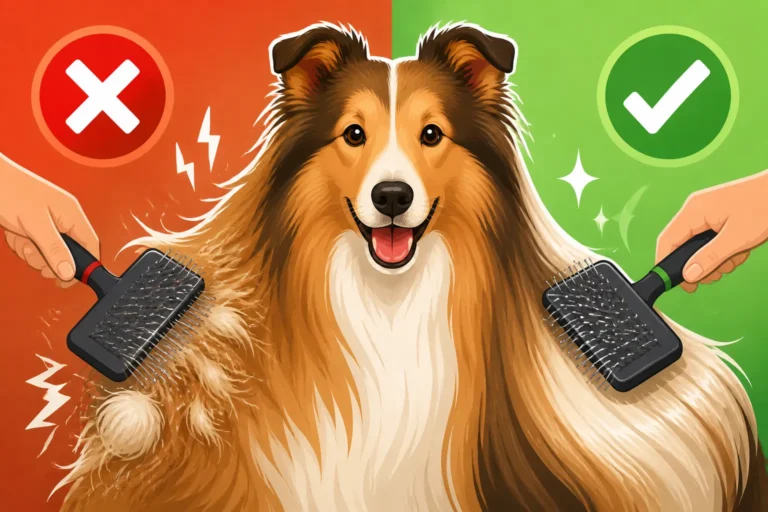
How to Feel a Collie’s Ribs Through the Coat
One of the biggest head-scratchers for Collie owners, especially those new to the breed, is figuring out if their beloved dog is at a healthy weight. That magnificent, abundant coat, whether it's the flowing mane of a Rough Collie or the dense, plush fur of a Smooth, does an incredible job of hiding what's underneath. You might look at your Collie and think they're perfect, only to realize at the vet's office that you've been entirely off-base. This guide is here to walk you through exactly how to get past that beautiful fur and truly assess your Collie's body condition, helping you keep them healthy and happy.
The Great Camouflage: Why a Collie's Coat Hides So Much
Let's face it, a Collie's coat is designed for protection and warmth, not for making weight assessment easy for us humans. This breed evolved in the chilly, rugged Scottish Highlands, and that dense double coat was essential for surviving the elements while herding sheep. It's a marvel of canine engineering, but it's also a master of disguise.
The Deception of the Double Coat
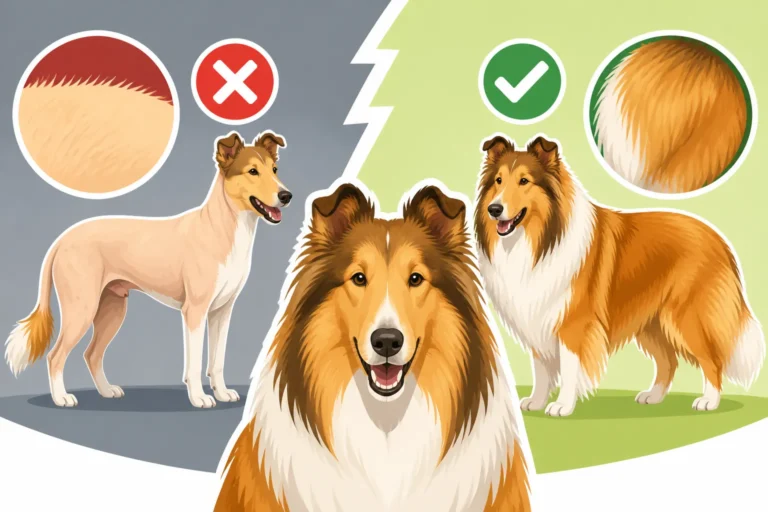
Both Rough and Smooth Collies possess a double coat, which means they have a soft, thick undercoat beneath a coarser, longer outer coat. For the Rough Collie, this outer coat is long and flowing, creating the iconic ruff, mane, and profuse feathering that we all adore. For the Smooth Collie, while shorter, the coat is still incredibly dense and plush. This combination creates a significant buffer between your hand and your dog's actual body shape.
You might glance at your Collie from across the room and see a perfectly proportioned dog. That illusion is particularly strong when they're standing in motion, with their coat fanning out. But what often looks like a solid, well-built frame could actually be a dog carrying a few extra pounds, or even one that's a bit too lean, simply masked by the sheer volume of fur. It's like trying to judge a person's physique while they're wearing a bulky winter coat; it's nearly impossible to tell what's going on underneath without a direct feel. This is a common frustration for Collie owners, and it's why visual checks alone are simply not enough.
Why Visual Cues Are Often Misleading
Relying solely on your eyes to determine your Collie's weight is a recipe for misunderstanding. You might be looking for a distinct waistline or visible ribs, which are common indicators in breeds with shorter, single coats. However, with a Collie, these visual cues are almost entirely obscured.
Imagine trying to see the subtle curve of a waist on a Rough Collie with its flowing hair or the defined tuck-up that we usually look for in other breeds. It's just not going to happen. The same goes for seeing ribs or hip bones; unless your Collie is severely underweight, its coat will completely hide any bony prominences. This isn't a fault of your observation skills; it's simply the nature of the breed's magnificent coat. Because of this, many owners don't realize their Collie is creeping into an unhealthy weight range until a vet points it out during an examination, which can be disheartening. It emphasizes the need for a tactile, hands-on approach, rather than just a quick glance.
The Hands-On Approach: Finding Those Ribs
Alright, so if looking isn't enough, what do we do? We get hands-on! This is where you become a detective, using your sense of touch to uncover the truth beneath that beautiful Collie coat. Don't worry, your Collie will probably love the extra attention and petting.
The Palpation Method: Step-by-Step
The key to assessing your Collie's body condition lies in palpation – gently feeling the bony structures through the fur. This method allows you to bypass the insulating layers of coat and directly interact with your dog's physique.
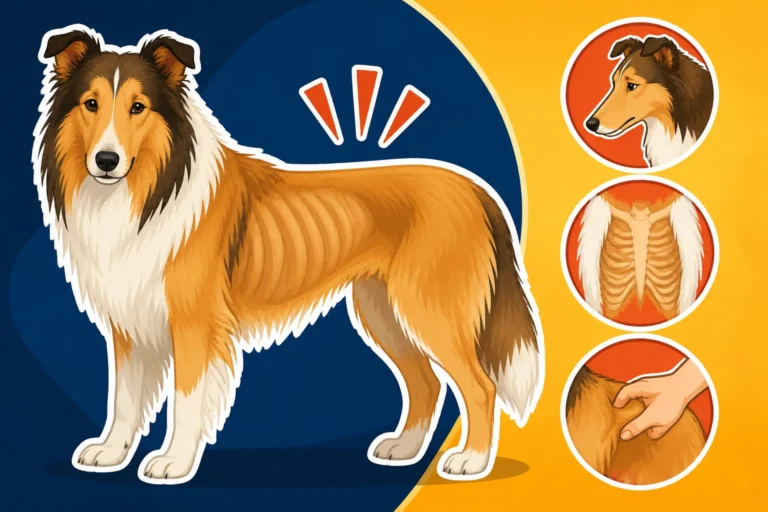
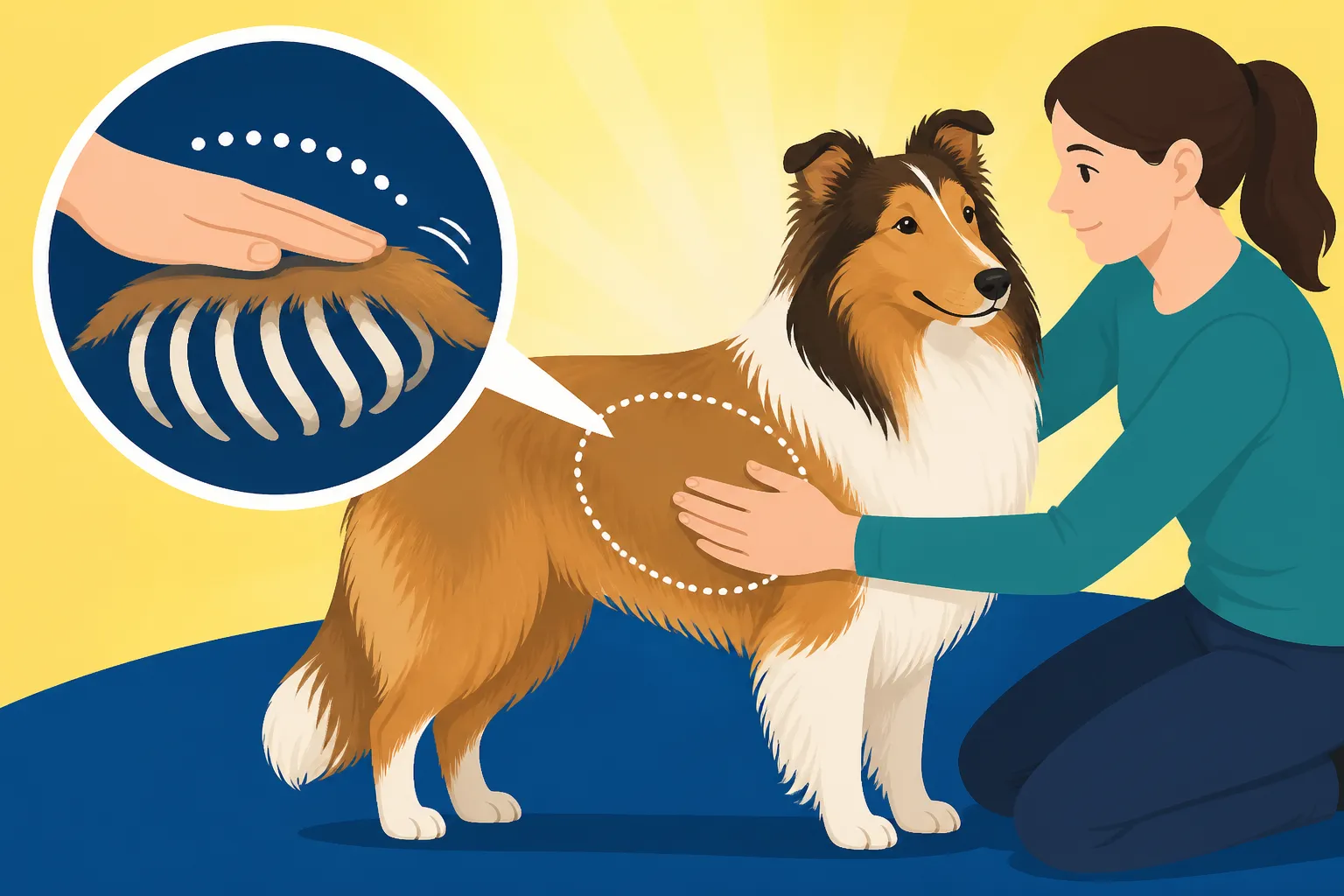
Start by standing over your Collie. Begin by placing both hands flat on their sides, just behind their shoulders. With gentle pressure, run your palms slowly down along their rib cage. You're looking to feel for the individual ribs. Don't press too hard, just enough to compress the fur and the fat layer beneath it. You should be able to distinguish each rib bone. It's not about seeing them, but about feeling them with a light, confident touch. Some Collies might be a bit ticklish, so start with a very light touch and increase pressure gradually. This initial sweep gives you a general idea.
Next, move your hands along their spine. Run your fingers down their back, feeling for the bumps of their vertebrae. Again, you want to feel them distinctly, but not sharply. Finally, move your hands to their hips. Gently cup the area just above their hind legs to feel for the hip bones. These should also be palpable without digging. This multi-point check gives you a comprehensive picture, as different areas might tell you different stories about fat distribution. Remember, consistency is key; try to do this in the same way each time you check.
What a Healthy Feel Is Like
So, what exactly are you aiming for when you're feeling your Collie's ribs? Think of it like feeling the back of your own hand. When you run your fingers lightly over the back of your hand, you can feel the bones of your knuckles just beneath the skin. That's the ideal sensation for your Collie's ribs.
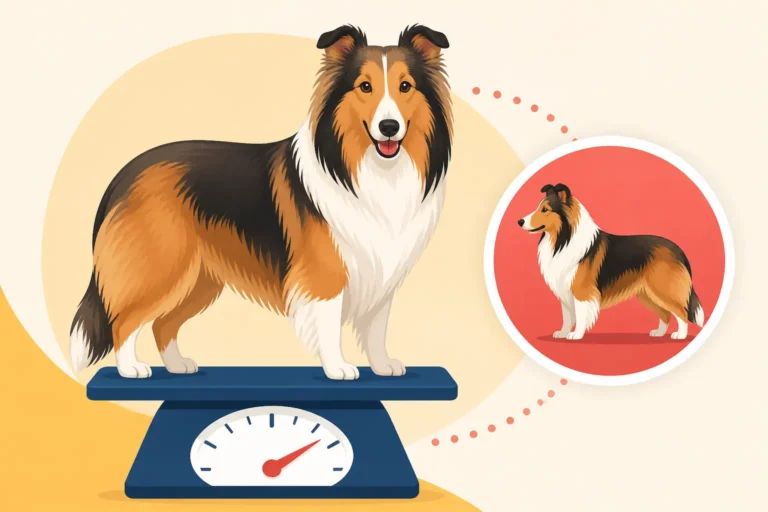
You should be able to feel the ribs easily without having to press hard. Each rib should be distinct, like the rungs of a ladder, but they shouldn't feel sharp or protrude prominently. There should be a slight, thin layer of muscle and fat covering them, providing a smooth transition. If you can feel the ribs, but they feel like the knuckles on a closed fist – very prominent and sharp – your Collie might be too thin. Conversely, if you have to press quite firmly, almost digging, to locate the ribs, or if you can't feel them at all, then your Collie is likely carrying too much weight. A healthy Collie has good muscle tone and a balanced fat layer, allowing for this gentle palpation of the ribs. This feeling is your best indicator, more so than any number on a scale for a breed where What a Collie Weighs and How Tall It Stands can vary.
Identifying If Your Collie Is Too Thin or Too Heavy
Once you've practiced the palpation method, you'll start to recognize the nuances. If your Collie is too thin, their ribs will feel very prominent and sharp, almost like running your fingers over your knuckles with your hand slightly cupped. You'll likely feel a very minimal layer of tissue over them. You might also notice their hip bones and spine feeling much more angular and easily discernible. In extreme cases, you might even see some rib definition through their coat, which is a definite red flag for a Collie.
On the other hand, if your Collie is carrying too much weight, those ribs will be much harder to find. You'll have to press down with significant pressure to feel them, and even then, they might feel indistinct or muffled beneath a thick layer of fat. It might feel more like pressing into a soft cushion rather than feeling bone. Their spine might feel like a smooth, rounded ridge rather than individual bumps, and their hip bones could be deeply buried and impossible to locate without a lot of effort. This is often accompanied by a loss of the subtle tuck-up behind the ribs, even if you can't see it visually, you might feel a general roundness in that area. Keeping an eye on these indicators is crucial for their long-term health, as a healthy weight contributes significantly to How Long a Collie Lives and What Ends It.
Beyond the Ribs: Other Indicators of Body Condition
While feeling the ribs is paramount, it’s not the only piece of the puzzle. A holistic assessment of your Collie's body condition involves looking at muscle mass, subtle changes in their shape, and even their behavior. These additional cues can confirm what your hands are telling you and help you make more informed decisions about their care.
Assessing Muscle Mass and Topline
Beyond just the ribs, pay attention to your Collie's overall muscle mass. Healthy Collies should have well-developed, firm muscles, especially over their hindquarters and shoulders. When you run your hands along their back and legs, you should feel solid muscle, not squishy fat. If their muscles feel soft or diminished, it could indicate a lack of exercise or insufficient protein in their diet, even if their rib assessment feels okay.
The topline – the line of their back – should be strong and relatively level. While the fur makes visual assessment difficult, you can feel for a slight dip or curve that wasn't there before. A sagging topline can be a sign of weakened core muscles, often associated with being overweight or lacking appropriate physical activity. Conversely, a prominent, bony spine can indicate being underweight. Think of it as feeling the contour of a well-padded chair versus a chair with very little padding – you want the former. This is especially important as your Collie ages, as What Changes in an Old Collie's Coat might also make visual checks even harder.
The Subtle Art of the Tuck-Up (or Lack Thereof)
The "tuck-up" refers to the upward curve of a dog's abdomen, where the belly tucks up from the rib cage towards the hind legs. In many breeds, this is a clear visual indicator of leanness. For a Collie, especially a Rough Collie, this visual cue is almost entirely obliterated by their ample coat. However, you can still feel for it.
After feeling their ribs, run your hands further back along their sides, towards their flanks. A healthy Collie should have a noticeable, gentle upward slope in this area as you feel along their underside. If this area feels full, rounded, or even pendulous, it's a strong sign of excess abdominal fat. Even if you can't see the tuck-up, you should be able to feel that gradual narrowing of their body towards the hips. If your hands slide straight down from the ribs without that inward curve, it’s time to consider a dietary adjustment. For example, if your Collie is spayed, you'll want to be particularly mindful of their weight, as Whether a Spayed Collie Gains Weight is a common concern.
Behavioral Cues and Energy Levels
Sometimes, your Collie's behavior will tell you just as much as your hands do. A Collie at a healthy weight typically has good energy levels, is eager for walks, and moves with grace and ease. They'll be ready for their How Much Exercise a Collie Needs Daily without undue panting or exhaustion.
If your Collie seems more lethargic than usual, less interested in play, or struggles with activities they once enjoyed – like jumping into the car or climbing stairs – it could be a sign that their weight is impacting their mobility and comfort. Excessive panting after minimal exertion, a general reluctance to move, or spending more time sleeping can all be subtle indicators that they're carrying too much weight. On the flip side, a Collie who is underweight might also show low energy, but could also be restless, constantly seeking food, or show a duller coat. Always observe these changes in conjunction with your physical checks.
Maintaining a Healthy Weight for Your Collie
Keeping your Collie at an ideal weight isn't just about aesthetics; it's fundamental to their long-term health, happiness, and vitality. Overweight dogs are prone to a host of health issues, including joint problems, heart disease, diabetes, and a shortened lifespan. Underweight dogs can lack crucial nutrients and energy, also impacting their health.
Dietary Considerations: Quality and Portion Control
The cornerstone of weight management is diet. For your Collie, this means feeding a high-quality, balanced dog food appropriate for their life stage and activity level. Avoid generic, filler-heavy foods. Many owners find success with premium kibble or fresh food options. When looking for good quality food, reputable brands available on sites like Chewy or Amazon can offer a wide selection with detailed ingredient lists. Some companies, like Ollie, specialize in fresh, human-grade food that can be tailored to your dog's specific caloric needs, which can be immensely helpful in portion control.
Portion control is absolutely critical, especially once you've determined your Collie's ideal weight. Don't just follow the bag's recommendations blindly; those are often generic guidelines. Your individual Collie's metabolism, activity level, and age will dictate their precise caloric needs. Use a measuring cup every time you feed them. If you're giving treats, factor those into their daily caloric intake. If you're finding it challenging to get Getting Weight Off a Collie, consider splitting their meals into two or three smaller servings throughout the day, which can help manage hunger and metabolism. Consult your vet to help determine the right caloric intake for your specific dog.
The Right Amount of Exercise
Collies, being herding dogs, thrive on regular exercise. It's not just about physical exertion; it's also about mental stimulation. An under-exercised Collie is not only prone to weight gain but can also develop behavioral issues.
Aim for a good balance of physical activity that suits their age and physical condition. This typically includes daily walks, playtime in a securely fenced yard, and perhaps some engaging activities like fetch or even basic training sessions that burn mental energy. For younger, more active Collies, consider longer hikes or even exploring dog sports like Rally or Obedience. If you're starting to notice Signs a Collie Is Overweight Under All That Coat, increasing their activity gradually is key. Remember, a brisk walk for 30-60 minutes daily is often a good baseline for an adult Collie, but adjust based on what your individual dog needs and enjoys. Just make sure to provide plenty of How Much Water a Collie Drinks a Day during and after exercise, especially in warmer weather.
Consistency in Monitoring
Weight management is an ongoing process, not a one-time fix. Make it a habit to regularly check your Collie's body condition using the palpation method we discussed. Doing this weekly or bi-weekly allows you to catch any subtle changes before they become significant problems.
Keep a mental note, or even a small journal, of what their ribs feel like, along with their energy levels and appetite. If you notice a change, you can then make small adjustments to their diet or exercise routine. Don't wait for your annual vet visit to address concerns. Regular monitoring empowers you to be proactive in your Collie's health. For puppies, it’s also important to track their growth; knowing The Age a Collie Reaches Full Weight can help you understand when to transition from puppy food, and whether Whether a Collie Needs a Large Breed Formula is appropriate for their development.
Body Condition Scoring for Collies
To help standardize the assessment, veterinarians often use a Body Condition Score (BCS) chart, typically ranging from 1 to 9 (with 5 being ideal). While these charts often feature visual examples of different breeds, the principles apply universally, even if your Collie's coat makes seeing them impossible. It's about translating that "feel" into a score.
Here’s a simplified guide to help you assign a score based on your hands-on assessment:
| Score | Description | What You Feel (Collie) | Implications |
|---|---|---|---|
| 1-2 | Underweight/Emaciated | Ribs, spine, and hip bones are very easily visible and sharply palpable with no fat covering. Muscle loss evident. | Severely underweight, immediate veterinary consultation needed. |
| 3 | Thin | Ribs, spine, and hip bones are easily palpable and may be visible. Minimal fat covering. | Underweight, dietary adjustments and vet check recommended. |
| 4 | Lean | Ribs are easily palpable with minimal fat covering. Waist and tuck-up are palpable but not prominent visually. | A good, healthy lean weight for an active Collie. |
| 5 | Ideal | Ribs are easily palpable without excess fat covering. A slight, smooth fat layer over ribs. | Optimal body condition. This is the goal! |
| 6 | Overweight | Ribs are palpable but require moderate pressure. Slight fat accumulation over hips and base of tail. | Carrying a few extra pounds, needs dietary review and increased activity. |
| 7 | Heavy | Ribs are difficult to palpate; requires significant pressure. Noticeable fat deposits over spine and hips. | Significantly overweight, strong recommendation for vet consultation and weight loss plan. |
| 8-9 | Obese | Ribs are very difficult or impossible to palpate. Extensive fat deposits over body, no tuck-up felt. | Clinically obese, requires urgent veterinary intervention for a structured weight loss program. |
Aiming for a BCS of 5 is always the goal. Regularly use your hands to evaluate your Collie against these descriptions. If you notice your Collie is consistently scoring a 6 or higher, it's definitely time to reassess their food intake and exercise regimen. Conversely, a score of 3 or lower warrants a close look at whether they are getting enough high-quality nutrition. This tool, combined with your regular palpation, gives you a much clearer picture of your Collie’s health status than just looking at them.
Disclaimer
This article is for general informational purposes only and does not constitute professional advice. Laws, prices and regulations vary by location and change over time. Consult a qualified professional for guidance on your specific situation.