Getting Weight Off a Collie
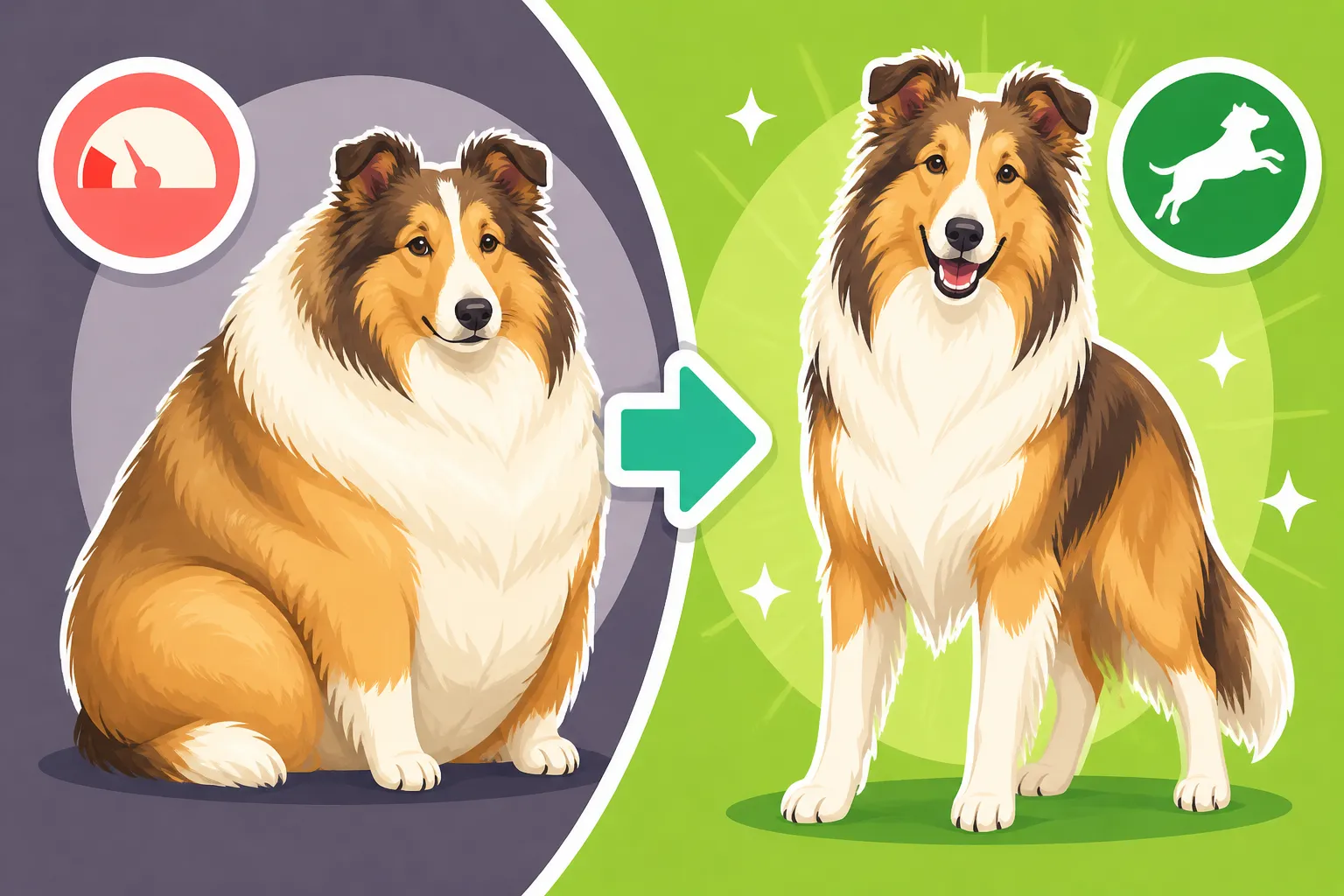
It's incredibly frustrating, isn't it? You look at your beautiful Collie, all that magnificent coat flowing, and you just know they've put on a few extra pounds, but actually seeing it or proving it can feel like a game of hide-and-seek. Their luxurious fur is a blessing and a curse, often hiding the subtle thickening of their waistline until it's become a more serious issue. This guide is here to walk you through the practical, empathetic steps to assess your Collie's weight, understand why they might be gaining, and develop a sensible plan to help them shed those extra pounds safely and effectively.
The Sneaky Challenge: Why Collies Get Overweight and Why It's Hard to Notice
Collies are such graceful, well-proportioned dogs, and their stunning double coat is often the first thing people admire. But that beautiful, thick fur, while perfect for keeping them warm and looking regal, is also incredibly effective at camouflaging weight gain. Unlike a short-haired breed where every ripple and bulge is immediately apparent, a Collie can add a surprising amount of weight before it's visually obvious. This isn't a reflection on your care; it's simply the nature of their magnificent coat.
One of the most common culprits for gradual weight gain is what I like to call "portion creep." We start with the recommended amount on the bag, but over time, our scoop might get a little fuller, or we add an extra treat here and there without thinking about the caloric impact. Those small, seemingly innocent additions really do add up over weeks and months. Another factor is often a decrease in activity as our Collies mature. A bouncy, energetic puppy might run off all the calories, but as they age, especially once they're past The Age a Collie Is Considered Senior mark, their metabolism slows down, and they might not be as keen for those long, vigorous play sessions. Their energy requirements naturally drop, but if their food intake doesn't adjust, weight gain is almost inevitable. Furthermore, spaying or neutering can also play a role, as these procedures often lead to a metabolic slowdown, meaning they need fewer calories to maintain their weight. It's a common story, and you're certainly not alone in facing this challenge with your Collie.
Unmasking the Curves: Accurately Assessing Your Collie's Body Condition
Since visual cues are so unreliable with a Collie's dense coat, the best way to determine if your dog is overweight is through a hands-on examination, combined with observing their general behavior and energy levels. This is where the Body Condition Score (BCS) comes in handy, though you'll be relying more on feel than sight. Don't worry, it's not complicated, and once you know what to look for, you'll feel much more confident in monitoring their health.
Here’s how to perform a proper hands-on assessment:
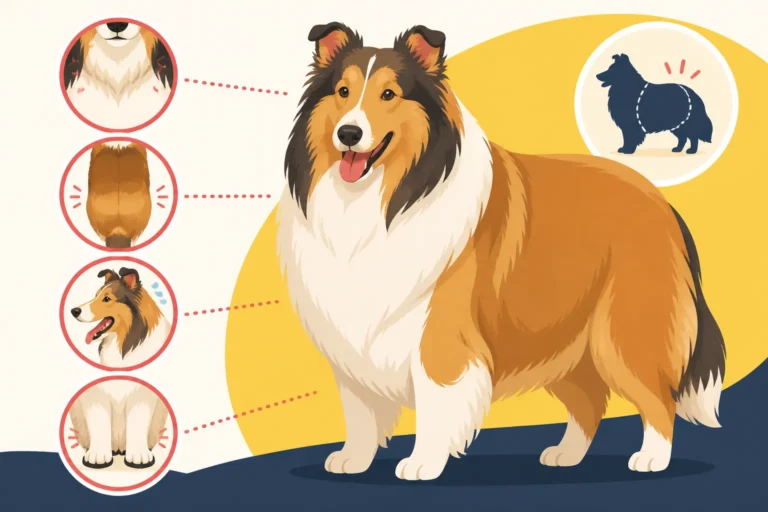
- Feel for the Ribs: Gently run your fingers along your Collie's side, behind their front legs. You should be able to feel their ribs individually, much like feeling the knuckles on the back of your hand. If you have to press hard to feel them, or if you feel more like you're pressing into a plush cushion, then there's likely too much fat covering them. If you can see their ribs without pressing, they might be too thin, which is a different concern.
- Check the Waist: With your Collie standing, place your hands on their sides, just behind the last rib, and gently press inwards. You should feel a slight indentation or "tuck" where their waist narrows. From above, you might see a subtle hourglass shape if their coat isn't too voluminous, but feeling is definitely more reliable. If their sides feel straight, like a barrel, or even bulge outwards, they are likely overweight.
- Palpate the Spine and Tail Base: Run your hands along their spine. You should be able to feel the individual bumps of the vertebrae with light pressure. At the base of their tail, you should also be able to feel the bones without excess fat padding. If the spine feels like a smooth, unbroken line, or the tail base feels particularly squishy, those are further indicators of excess weight.
Beyond palpation, pay attention to their daily habits. Are they struggling to jump into the car or onto the couch? Do they pant more easily after short walks? Are they slower to get up after lying down, perhaps even showing Signs a Collie Has Hip Dysplasia? These are all behavioral signs that excess weight is impacting their mobility and overall comfort. It's a bit like us noticing we're winded going up a flight of stairs we used to breeze up.
Here's a simplified guide to body condition scoring focused on what you can feel for your Collie:
| Body Condition Score | Appearance (Hard to See on Collie) | What You Feel (Key for Collies) | Action |
|---|---|---|---|
| 1-2 (Underweight) | Ribs, spine, hip bones visible | Ribs, spine, hip bones very prominent with no fat covering. Sharp angles. | Consult vet for weight gain strategy. |
| 3 (Ideal) | Hourglass figure (subtle) | Ribs easily felt with light pressure (like knuckles). Clear waist tuck. Spine palpable. | Maintain current diet and exercise. |
| 4 (Overweight) | Broader, less defined waist | Ribs palpable, but requires moderate pressure (like back of flat hand). Waist less defined. | Adjust diet, increase exercise. Monitor. |
| 5 (Obese) | No waist, broad back | Ribs hard to feel under thick fat layer. No waist. Spine and tail base heavily padded. | Vet visit recommended. Implement strict diet & exercise plan. |
The Diet Overhaul: Nutritional Strategies for Weight Loss
Once you've confirmed your Collie is carrying too much weight, it's time to adjust their diet, but remember, slow and steady wins the race. Crash diets are unhealthy and unsustainable for dogs, just as they are for people. Your goal is gradual, consistent weight loss to preserve muscle mass and keep them feeling good.
The first step is often to simply reduce their current food intake. Start by cutting their daily portion by 10-20% and stick to it religiously. Don't eyeball it; use a measuring cup. Many dog food bags give a range for feeding, and often, we err on the side of the higher end. For a Collie, a good starting point is usually to aim for the lower end of the recommended range for their ideal adult weight, not their current overweight one. For instance, if your Collie's ideal weight is 60 pounds, but they're currently 70, you'd feed for a 60-pound dog.
Next, consider the type of food. Some Collies do well with a simple reduction in their regular, high-quality kibble. Others, especially if they need to lose significant weight, might benefit from a prescription weight-management diet. These foods are specifically formulated to be lower in calories, higher in fiber to help them feel full, and often enriched with nutrients to support joint health during weight loss. Your vet can recommend a suitable prescription diet, which you can often order through online retailers like Chewy or Amazon for convenience. If you prefer not to switch to a prescription food, focusing on a high-quality, protein-rich diet can help maintain muscle mass while reducing overall calorie intake. Brands like Ollie offer fresh, human-grade food options that might allow for better portion control and ingredient transparency, though they typically involve a different price point.
Treats are another major area to address. While we love to reward our Collies, those caloric bombs add up quickly. Replace high-calorie dog biscuits with low-calorie, healthy alternatives like small pieces of carrots, green beans, or apple slices (without seeds). You can also reserve a small portion of their daily kibble to use as treats throughout the day, effectively reducing their main meal to account for these "rewards." Remember, the goal isn't to make them feel deprived, but to make smarter choices. How Many Cups a Day an Adult Collie Eats is a great resource to help you understand typical caloric needs and adjust accordingly. Splitting their daily food into two smaller meals instead of one large one can also help manage hunger and metabolism throughout the day.
Moving More: Tailoring Exercise for a Heavier Collie
Diet is crucial, but exercise goes hand-in-hand with weight loss. For a Collie, especially one carrying extra weight, it's vital to start gently and build up their activity level gradually. Their joints are already under more stress from the excess pounds, so you want to avoid anything that could cause injury or discomfort.
Begin with consistent, moderate walks. If your Collie is very out of shape, start with shorter, slower walks multiple times a day, rather than one long, strenuous one. Think 15-20 minutes, two or three times a day, and slowly increase the duration and pace as their stamina improves. Observe them closely for signs of fatigue, panting, or limping. Remember, Collies can overheat due to their thick coats, so always ensure you're walking during cooler parts of the day, especially in summer, and always carry water for them. Whether a Collie Overheats in Its Coat is something every Collie owner needs to be mindful of.
Beyond leash walks, consider other forms of gentle exercise. Supervised backyard play, like gentle fetching or simply moving around with you, can add to their daily calorie burn. If your Collie enjoys water and you have access to a safe, shallow area, swimming can be an excellent, low-impact exercise that's easy on their joints. Mental stimulation is also a fantastic way to "exercise" your Collie without putting strain on their body. Engaging their minds with puzzle feeders or short, positive reinforcement training sessions can tire them out almost as much as physical activity. Whether Puzzle Feeders Tire a Collie delves into this more. As they lose weight and gain fitness, you can gradually introduce more vigorous activities like longer hikes (being mindful of terrain and weather) or even some low-impact What Herding Instinct Test Involves for a Collie activities if they show an aptitude and your vet gives the green light. The key is consistency and listening to your Collie's body.
The Vet's Role: When to Seek Professional Guidance
While you can certainly start making dietary and exercise adjustments at home, it's always, always best to consult your veterinarian before embarking on any significant weight loss journey for your Collie. This is particularly true if your dog is significantly overweight, senior, or has any existing health conditions. Your vet is your best partner in ensuring a safe and effective weight loss plan.
One of the most important reasons for a vet visit is to rule out any underlying medical conditions that could be contributing to weight gain or making weight loss difficult. Conditions like hypothyroidism (an underactive thyroid) can significantly slow a dog's metabolism, making them prone to packing on pounds even with seemingly moderate food intake. Signs a Collie's Thyroid Is Low can be subtle, so blood work is essential. Other issues, such as joint pain or early arthritis, can limit their willingness and ability to exercise, creating a vicious cycle of weight gain and decreased activity. Your vet can perform a thorough examination, including blood tests if necessary, to check for these issues. They can also help you determine your Collie's ideal target weight and calculate a precise daily caloric intake to achieve it, taking into account their individual metabolism and activity level. They might even recommend specific therapeutic diets.
Regular weigh-ins at the vet's office can also be incredibly motivating. Many clinics offer free weight checks, and seeing that number go down (or even just hold steady if you're maintaining) can give you the encouragement you need to keep going. They can also monitor your Collie's overall health during the process, ensuring they are losing fat, not muscle, and remaining healthy throughout. Don't hesitate to reach out to your vet; they are there to support both you and your beloved Collie in achieving a healthier, happier life.
Disclaimer
This article is for general informational purposes only and does not constitute professional advice. Laws, prices and regulations vary by location and change over time. Consult a qualified professional for guidance on your specific situation.