Signs a Collie Has Hip Dysplasia
It’s a heartbreaking sight to watch your usually spirited and agile Collie struggle with movement, and many of us incorrectly assume that hip dysplasia is primarily a concern for giant breeds. The reality is, while Collies might not be the poster child for this condition, they are absolutely not immune, and recognizing the signs early is paramount to giving them the best quality of life. This guide will walk you through the various indicators, from the subtle to the undeniable, that your beloved Collie might be contending with hip dysplasia, so you can act quickly and confidently.
Understanding Canine Hip Dysplasia in Collies
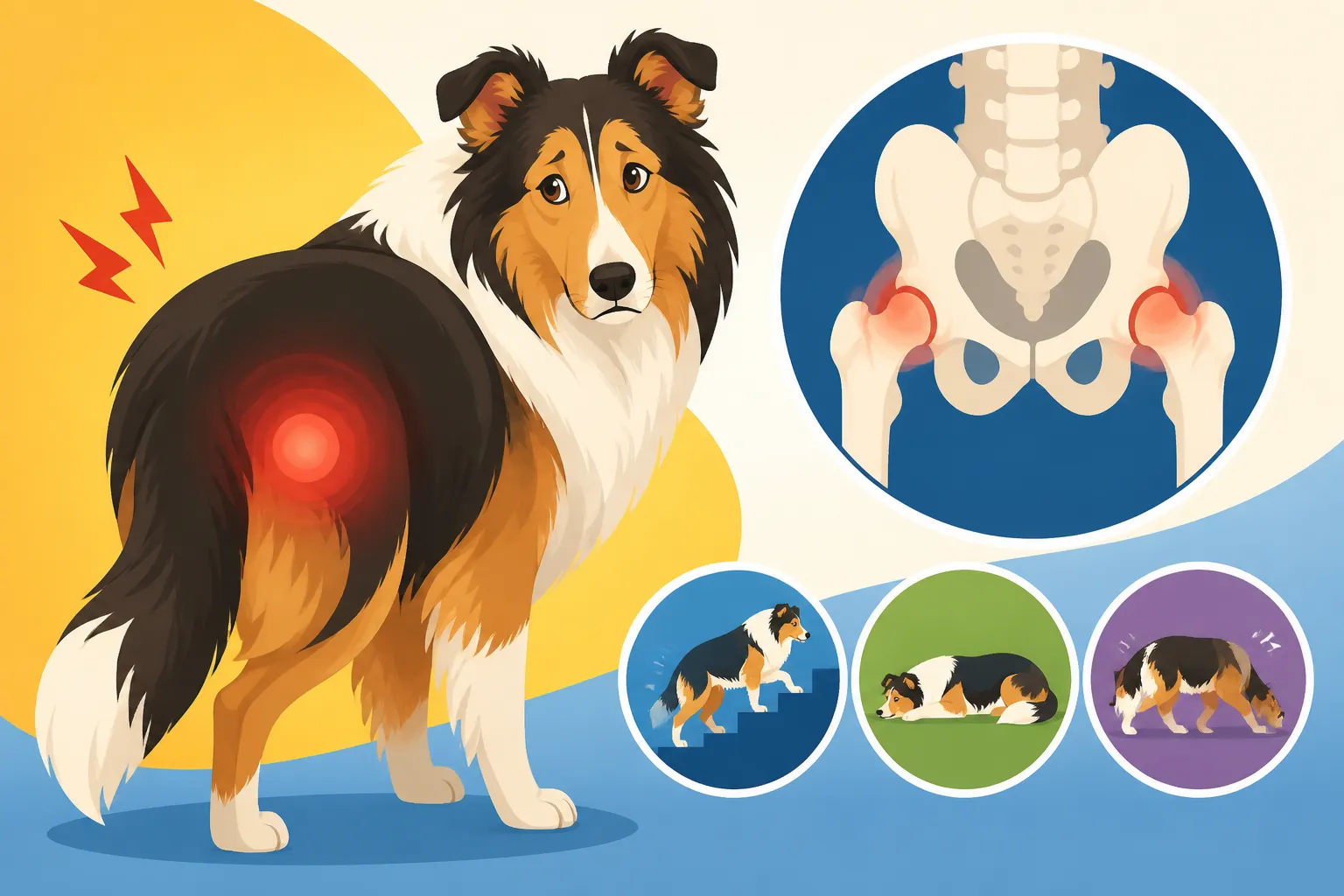
Canine hip dysplasia (CHD) is a complex condition that many dog owners dread, and for good reason. It’s a malformation of the hip joint, where the ball (the head of the femur) and socket (the acetabulum in the pelvis) don't fit together perfectly. This mismatch leads to instability, friction, and over time, the development of degenerative joint disease or osteoarthritis, causing significant pain and reduced mobility.
What is Canine Hip Dysplasia?
At its core, hip dysplasia is a developmental condition, meaning it’s not something your Collie typically "catches" later in life from an injury (though injuries can exacerbate it). Instead, the abnormal development of the hip joint occurs as a puppy grows, often starting subtly and progressing. Think of it like a poorly designed hinge on a gate; it might work for a while, but with constant use, it will eventually wear down, squeak, and seize up. In a dog, this "wearing down" involves cartilage erosion, bone spurs, and inflammation, all contributing to chronic pain.
The genetic component is strong, meaning a dog inherits a predisposition to hip dysplasia from its parents. However, genetics aren't the whole story. Environmental factors like rapid growth, excessive weight, and intense exercise at a young age can significantly influence whether a dog with the genetic blueprint actually develops clinical signs of the disease, and how severely. This is why even a puppy from seemingly "clear" parents might still show signs if not managed carefully during its crucial growth phase.
Why Collies Are Not Immune
It’s easy to fall into the trap of thinking that because Collies aren’t Rottweilers or Great Danes, they’re somehow exempt from conditions commonly associated with larger breeds. This simply isn't true. While the prevalence of severe hip dysplasia might be lower in Collies compared to some of those giant breeds, it absolutely does occur, and a responsible owner needs to be vigilant. Just as with Bloat in a Deep Chested Collie or the risks of MDR1 Mutation, hip dysplasia is another health consideration for our beloved herding companions.
Collies, like all breeds, have their own specific genetic predispositions. While dedicated breeders strive to produce healthy puppies, the widespread nature of CHD means that no breed is entirely free of risk. Many breeders prioritize genetic screening for conditions like Collie Eye Anomaly Affects Most Collies, So Ask How Badly, but hip health should also be a serious consideration. Understanding that your Collie, despite its graceful appearance, could be carrying the genes for this condition is the first step in proactive care. Breeders who perform health checks, including hip evaluations, on their breeding stock are invaluable in reducing the incidence of this painful disease. In fact, understanding The Three Genetic Tests a Collie Breeder Owes You often includes hip evaluations as part of a comprehensive health approach, even if not a direct DNA test.
Early and Subtle Signs of Hip Dysplasia
Detecting hip dysplasia early in a Collie can be tricky because these dogs are often incredibly stoic. They're bred to work and please, and they can mask pain surprisingly well, especially in the initial stages. You know your dog best, so pay close attention to any minor shifts in their typical behavior or movement.
"Bunny Hopping" and Gait Changes
One of the most classic, yet often overlooked, early signs of hip dysplasia is what veterinarians affectionately call "bunny hopping." Instead of extending their hind legs independently and powerfully as they run, a Collie with hip discomfort might bring both back legs together, pushing off simultaneously like a rabbit. This isn't just a cute quirk; it’s a clear indication that they are trying to minimize the painful extension of one or both hip joints.
You might notice this most when your Collie is accelerating, running up stairs, or attempting to jump into the car or onto the couch. What was once a fluid, graceful gait now looks a bit clumsy or awkward. Perhaps they used to bound up the porch steps, but now they take them one at a time, or pause before attempting the ascent. For a breed known for its agility and effortless trot, such changes are a red flag. Pay attention to how they get up from a lying position, too; an unusual stiffness or slowness, especially after a nap, can be an early indicator.
Exercise Intolerance and Pain
Collies are generally active dogs, even if they don't always need an intense "job" like some other herding breeds. If your Collie, who used to love a long walk or a vigorous game of fetch, suddenly starts tiring more quickly, or seems less enthusiastic about their usual activities, hip pain could be the culprit. They might lag behind on walks, cut playtime short, or simply choose to lie down rather than engage.
This reduced stamina isn't just laziness; it's often a direct consequence of discomfort. Imagine going for a run with a nagging knee injury – you’d naturally want to stop sooner. Your Collie is doing the same. You might also notice them yelping softly or flinching if you touch their hips or lower back, especially when grooming or petting. They might even become a bit grumbly or guarded if you try to manipulate their hind legs. This subtle shift in their usual tolerant nature is particularly telling, as Whether a Collie Hides Pain suggests they are adept at concealing discomfort until it becomes significant.
Reluctance to Use Hind Limbs
As the condition progresses, your Collie might start actively avoiding activities that put strain on their hips. This manifests as a reluctance to jump, climb, or even stand for extended periods. Perhaps your Collie used to easily jump into the car for adventures, but now hesitates, needs a boost, or actively tries to avoid it. They might even try to find lower places to sleep, eschewing their favorite high bed if it means jumping up.
You might also observe them favoring their front legs more, putting extra weight and pressure on their shoulders and chest to compensate for pain in the rear. This can sometimes lead to increased muscle development in the front quarters and noticeable muscle wasting in the hindquarters, making their body shape appear slightly disproportionate. When lying down, they might adopt unusual positions, like "frog-legging" with their hind legs splayed out behind them, which is sometimes an attempt to find a more comfortable resting position for their hips.
More Obvious and Progressive Symptoms
While the early signs can be subtle, eventually, hip dysplasia becomes harder to ignore as the joint degeneration progresses. These more pronounced symptoms often indicate a greater level of pain and impact on your Collie's daily life.
Muscle Atrophy and Lameness
One of the more visible signs of progressive hip dysplasia is muscle atrophy in the hindquarters. Because your Collie is using those muscles less due to pain, they will begin to waste away. You might notice that their thighs look thinner or less defined, particularly when compared to their front legs or how they looked previously. Running your hands over their hips, you might feel less muscle bulk than before.
Along with muscle loss, a noticeable lameness or limp can develop. This might be intermittent at first, perhaps more apparent after periods of rest or strenuous exercise, but eventually, it can become a persistent gait abnormality. Your Collie might shift weight from one hind leg to the other, or take shorter, choppier steps with their back legs. Some Collies might even develop an exaggerated sway in their back end as they walk, trying to minimize hip movement. Observing these changes can be truly difficult, as you see your once agile companion losing their effortless movement.
Grating Sounds and Reduced Range of Motion
As the cartilage in the hip joint continues to wear down and bone-on-bone friction increases, you might even hear audible "clicks," "pops," or "grating" sounds coming from your Collie's hips when they move. This is a clear indicator of severe joint degeneration and is often accompanied by significant pain. It's a sound that sends shivers down a pet owner's spine, knowing the discomfort it signifies.
Coupled with these sounds, your Collie’s range of motion in their hips will visibly decrease. They might struggle to stretch their hind legs fully, find it difficult to sit squarely, or have trouble getting into a comfortable sleeping position. If you gently try to extend their leg, you might feel resistance or hear a whimper of pain. Activities like scratching behind their ears with a hind foot, which used to be effortless, might become impossible or obviously painful. This is where you might start considering Whether a Collie Needs Joint Support From Middle Age even if they haven't been diagnosed with dysplasia yet.
Behavioral Changes Due to Pain
Chronic pain, whether from hip dysplasia or Whether a Collie Gets Arthritis Early, can significantly impact a dog's temperament and behavior. A Collie in constant discomfort might become withdrawn, less playful, or even irritable. They might avoid interaction, preferring to lie alone, or snap if someone inadvertently touches a painful area. What was once a gentle nudge might become a growl or a quick nip if they feel threatened or vulnerable.
You might notice changes in their sleep patterns, restlessness, or difficulty getting comfortable at night. Their house-training might even regress if the pain makes it difficult or too slow to get outside. This isn't bad behavior; it’s a cry for help. Understanding that pain drives these changes is crucial for an empathetic response. For older Collies, these signs can sometimes be mistaken for other age-related issues, but a thorough vet check is always best. This is especially important when you’re Caring for a Collie Past Nine as many health issues can manifest differently.
Confirming a Diagnosis and Management Options
If you’ve noticed any of these signs, the next step is a trip to your veterinarian. Early diagnosis allows for earlier intervention, which can significantly slow the progression of the disease and manage your Collie's pain more effectively. Don't delay; every day counts for their comfort.
The Veterinary Examination and Imaging
Your vet will start with a thorough physical examination. They’ll observe your Collie’s gait, feel their hips for any instability, pain, or grinding, and assess their range of motion. During this examination, they might perform specific maneuvers to check for hip laxity (looseness), which is a hallmark of dysplasia. They'll feel for muscle asymmetry and any obvious signs of discomfort.
The definitive diagnosis of hip dysplasia, however, comes from X-rays. For these, your Collie will likely need to be sedated or anesthetized to ensure they are perfectly still and positioned correctly. This allows the vet to get clear, unobstructed images of the hip joints. These X-rays will show the conformation of the hip sockets and femoral heads, looking for signs like shallow sockets, flattened femoral heads, bone spurs, and the degree of joint laxity. Many owners worry about the cost and safety of sedation, but it's essential for accurate imaging. It's similar to knowing Whether an MDR1 Collie Can Take Any Sedative, where careful consideration is given to your Collie's specific needs. Some owners opt for official certifications like OFA (Orthopedic Foundation for Animals) or PennHIP, which can provide more objective assessments, often recommended around The Age a Collie's Hips Should Be X Rayed for breeding purposes or for a baseline.
Treatment and Management Options
Once diagnosed, managing hip dysplasia typically involves a multi-faceted approach aimed at reducing pain, improving mobility, and slowing the progression of arthritis. There’s no single "cure" for hip dysplasia, but there are many ways to significantly improve your Collie's quality of life.
Non-Surgical Management:
- Weight Management: This is often the most critical factor. Keeping your Collie at a lean, healthy weight reduces stress on already compromised joints. Even a few extra pounds can make a huge difference in their comfort level. This aligns with knowing Whether a Collie's Weight Shortens Its Life.
- Pain Relief & Anti-inflammatories: Your vet may prescribe NSAIDs (non-steroidal anti-inflammatory drugs) to manage pain and inflammation. Other medications, like gabapentin or amantadine, might be used for chronic pain.
- Joint Supplements: Glucosamine, chondroitin, MSM, and Omega-3 fatty acids can help support joint cartilage and reduce inflammation. Brands like Nutramax Dasuquin Advanced or Cosequin are often recommended by vets.
- Physical Therapy & Low-Impact Exercise: Controlled, low-impact exercise like swimming, leash walking, or underwater treadmill therapy can help build muscle strength around the joint without excessive strain. Avoiding high-impact activities like jumping or agility is often advised.
- Alternative Therapies: Acupuncture, laser therapy, and chiropractic care can sometimes offer additional pain relief and improved mobility for some dogs.
Surgical Options:
For severe cases, especially in younger dogs, surgical interventions might be considered. These range from FHO (Femoral Head Ostectomy), where the head of the femur is removed, allowing a "false joint" to form, to TPO/DPO (Triple/Double Pelvic Osteotomy) in young dogs with sufficient bone quality, which aims to improve the fit of the joint, or even total hip replacement (THR) for the most debilitating cases. Each option has its own risks, recovery times, and significant costs.
Having pet insurance, like a plan from Healthy Paws, can be a huge relief if surgery or long-term medication becomes necessary. While policies can vary, comprehensive plans often cover diagnostics, treatments, and even rehabilitation for conditions like hip dysplasia, provided it's not a pre-existing condition. It's definitely worth looking into Whether Pet Insurance Is Worth It on a Collie, especially with the potential for costly treatments for conditions that can impact How Long a Collie Lives and What Ends It. Dealing with an emergency, be it a sudden flare-up or something unrelated, can rack up bills quickly, and knowing What a Collie's Emergency Visit Costs makes you appreciate the value of being prepared.
The goal with any treatment is to maintain your Collie’s comfort and mobility for as long as possible. Your vet will work with you to create a personalized plan based on the severity of the dysplasia, your Collie’s age, overall health, and your family's lifestyle and budget.
Comprehensive Look at Hip Dysplasia Indicators
To help you keep track of potential signs, here’s a quick reference table outlining the key indicators of hip dysplasia, categorized by their typical progression. Remember, if you observe any of these, a veterinary consultation is always the best course of action.
| Category | Early/Subtle Signs (Often in younger dogs, 6 months – 2 years) | Progressive/Obvious Signs (Often in adult to senior dogs) |
|---|---|---|
| Movement | "Bunny hopping" gait when running | Pronounced lameness or limp, especially after rest/exercise |
| Reluctance to jump, use stairs, or get into car | Significant difficulty standing up from lying down | |
| Stiff or awkward gait after resting | Swaying or "waddling" gait in the hindquarters | |
| Activity Level | Reduced enthusiasm for walks or playtime | Avoidance of all strenuous activity, preference for lying down |
| Tiring more quickly than usual | Refusal to bear weight on one or both hind legs | |
| Physical/Tactile | Subtle flinching or yelping when hips are touched | Muscle atrophy (wasting) in hind limbs |
| May sit or lie in unusual positions ("frog-legging") | Audible clicks, pops, or grinding sounds from hips | |
| Minor shifts in weight bearing (hard to spot) | Reduced range of motion in hip joints, stiffness | |
| Behavioral | Slightly more irritable or withdrawn after activity | Obvious signs of pain (whining, panting, guarding affected area) |
| Less affectionate when hips might be manipulated | Aggression or snapping when touched | |
| Reluctance to engage in rough play | Restlessness, difficulty getting comfortable, disrupted sleep |
Ultimately, being an informed and observant Collie owner is your best defense against the silent progression of hip dysplasia. Your Collie relies on you to be their advocate, and catching these signs early can make all the difference in their comfort and longevity.
Disclaimer
The information provided in this article is for educational purposes only and is not intended to be a substitute for professional veterinary advice, diagnosis, or treatment. Always seek the advice of your veterinarian or other qualified animal health provider with any questions you may have regarding a medical condition. Never disregard professional veterinary advice or delay in seeking it because of something you have read here.