Whether a Collie Hides Pain
It’s a heartbreaking reality that our beloved Collies, with their gentle souls and stoic demeanor, often bear their discomfort in silence. As a Collie owner, you might be familiar with that gnawing worry: is my dog okay? Are they hiding something from me? Unlike a child who can tell you precisely where it hurts, our Collies have an instinct to conceal weakness, making it incredibly challenging for us to spot when they're truly in pain. This guide is here to help you decipher those subtle, often overlooked cues, empowering you to advocate for your furry family member and ensure they receive the care they need.
The Stoic Nature of Collies and the Instinct to Hide Pain
Collies, at their core, are herding dogs with a deep-seated history rooted in working alongside humans in demanding environments. This lineage has instilled in them a certain resilience, a "suck it up" attitude that, while admirable, can be incredibly frustrating for a concerned owner trying to discern if their dog is in distress. They aren't prone to dramatics; instead, they often internalize discomfort, making them masters of disguise when it comes to pain.
Why Evolution Favored Hiding Discomfort
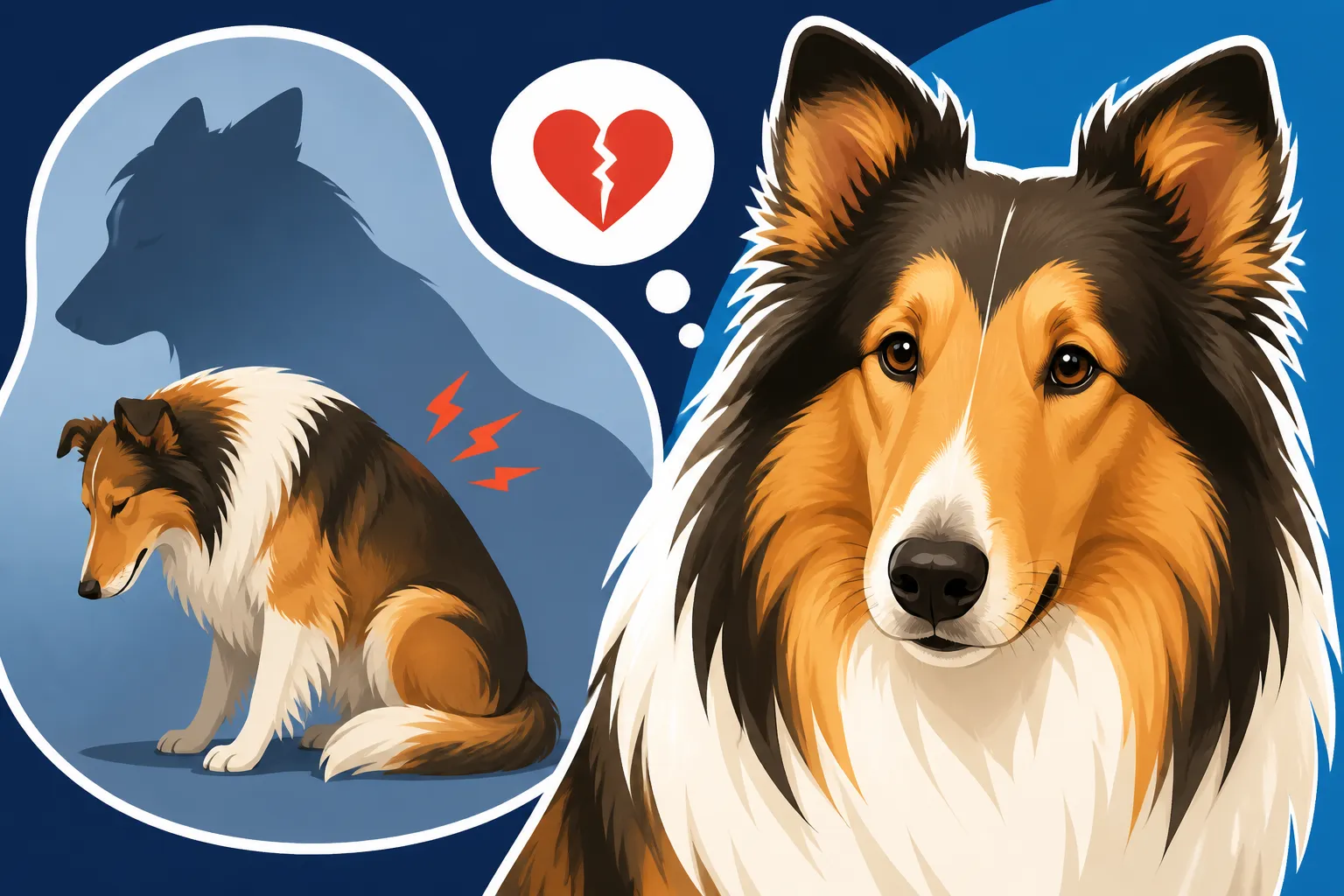
Think about a Collie's ancestors in the wild. In a pack dynamic, showing weakness or injury made an individual vulnerable to predators and could even diminish their standing within the group. A limping dog or one vocalizing pain might be left behind or targeted. This ancient instinct, while less critical in our cozy homes today, still runs deep. Your Collie might not be worried about a wolf pack, but the ingrained behavioral pattern to appear strong and capable persists. They're not trying to deceive you; it's simply their natural inclination.
Moreover, dogs in general have a much higher pain tolerance than humans in many respects, or perhaps it’s more accurate to say they express pain differently. What might send us to the doctor immediately, a dog might quietly endure for days or weeks. This stoicism is particularly pronounced in breeds like Collies, known for their calm and composed temperament. You won't often find a Collie whining at the slightest ache, which means you, as their dedicated caregiver, need to become an expert in their non-verbal communication.
The Collie's Gentle Disposition and What It Means for Pain
Collies are renowned for their gentle, sensitive, and intelligent nature. They are often described as being deeply attuned to their family's emotions and quick to learn. However, this very sensitivity can make them more inclined to retreat when in pain rather than overtly display it. A more boisterous or less sensitive breed might vocalize, snap, or become restless. A Collie, on the other hand, might simply become quieter, more withdrawn, or subtly alter their routine.
This quiet suffering can be agonizing for an owner. You might assume your Collie is just getting older, or perhaps they're tired, when in reality, they could be experiencing significant discomfort from something like Hip Dysplasia in a Collie or early onset arthritis. It's crucial not to dismiss these subtle shifts as "just part of aging." While changes are natural as your Collie gets older, pain should not be considered an inevitable consequence. Being aware of their gentle disposition means understanding that their cries for help might be silent and communicated through their entire being rather than a bark or yelp.
Subtle Physical Clues That Your Collie Is Hurting
Beyond the obvious limp or yelp, Collies offer a myriad of physical signs that indicate pain. These often require a keen eye and a deep understanding of your dog's normal behavior and physical presentation. It's about noticing the tiny deviations from their baseline.
Changes in Movement and Posture
One of the most common, yet often missed, indicators of pain in a Collie is a subtle change in how they move or hold their body. They might not be overtly limping, but you might notice a stiffness, especially after resting. Perhaps they are slower to get up from a lying position, or they hesitate before jumping onto the couch, a spot they once navigated with ease. Look closely at their gait: is it slightly uneven? Is one leg held a fraction differently? Do they seem to be shifting their weight more to one side?
Consider their posture when standing or sitting. A Collie in abdominal pain, for example, might adopt a "prayer" position, with their front legs stretched out and hindquarters raised, trying to alleviate pressure. Back pain might manifest as a hunched posture or a reluctance to bend their head down to eat from a floor-level bowl. They might be less inclined to stretch out fully when resting, preferring to curl up tightly. These slight alterations can be crucial indicators. For instance, if you're concerned about joint discomfort, familiarizing yourself with Signs a Collie Has Hip Dysplasia can give you specific things to look for. Even the way they carry their tail can be a sign; a normally wagging, lively tail might be held lower or less actively if they're feeling unwell or painful.
Alterations in Grooming and Self-Care
A Collie's magnificent coat requires regular grooming, both by you and by them. Changes in their grooming habits can be a significant red flag for underlying pain. An otherwise fastidious Collie might start neglecting certain areas, leading to mats or a dull, unkempt appearance in patches they can no longer comfortably reach or attend to. Conversely, you might notice obsessive licking, chewing, or biting at a specific spot on their body. This could indicate localized pain, an itch, or even an internal discomfort they are trying to soothe externally.
If your Collie suddenly develops a matted patch behind their ear or on a hip that was previously pristine, consider why. Is it too painful for them to turn their head properly? Is the hip itself too sore to reach for a good groom? Similarly, if they are constantly licking a paw, it could be anything from an allergy to a hidden thorn, or even referred pain from a joint higher up. Keep an eye on their skin as well. Inflammation or unusual redness that corresponds to an area of excessive licking is a clear sign to investigate further.
Appetite, Thirst, and Elimination Changes
Basic bodily functions can be heavily influenced by pain. A Collie experiencing discomfort, especially internal pain, might show a sudden decrease or even an increase in appetite. While a loss of appetite is more commonly associated with illness, some dogs might eat more to cope with stress or discomfort, though this is less common. More subtly, they might take longer to eat, chew more cautiously, or drop food from their mouth if dental pain is present.
Changes in water intake are also important. Decreased thirst could accompany nausea, while increased thirst might point to other underlying health issues that could be causing discomfort, like kidney problems or diabetes. Observe their elimination habits too. Straining to urinate or defecate, frequent small urinations, or changes in stool consistency can all indicate pain in the urinary tract or digestive system. For example, if your Collie is struggling to posture for defecation, it could be a sign of back or hip pain. Any deviation from their usual habits warrants attention and a conversation with your vet.
Behavioral Shifts: The Silent Language of a Pained Collie
Sometimes, the most telling signs of pain in a Collie aren't physical, but rather behavioral. These are often changes in their personality, their interactions with you and other pets, and their daily routines. These shifts can be particularly heartbreaking because they impact the very essence of your dog's character.
Retreating, Irritability, or Reluctance to Engage
A Collie, known for its affectionate and people-oriented nature, might become uncharacteristically withdrawn when in pain. They might start spending more time alone, perhaps in a quiet corner of the house, away from the hustle and bustle. If they usually greet you enthusiastically at the door, but now offer only a subdued wag or stay on their bed, it's a significant indicator. They might actively avoid touch, flinching or moving away when you try to pet them, especially in a sensitive area.
Even more concerning can be a sudden shift towards irritability or aggression. A dog in pain might snap or growl at a family member or another pet if they feel their personal space is invaded or if they anticipate being touched in a painful area. This isn't your Collie being "naughty"; it's a desperate plea for space and relief from discomfort. If your normally gentle Collie shows any sign of aggression, it should be treated as an immediate concern, as pain is a very common underlying cause. Remember, sometimes The Bark Is the Trait Collie Owners Underestimate, and a different type of bark could indicate distress rather than just warning.
Changes in Sleep Patterns or Resting Positions
A comfortable rest is vital for any dog, and pain can severely disrupt it. You might notice your Collie struggling to get comfortable, constantly shifting positions, or getting up and down frequently throughout the night. They might avoid certain favorite resting spots or positions if those positions exacerbate their pain. For example, a Collie with shoulder pain might avoid lying on that side, or one with hip pain might have trouble settling into a deep sleep.
Some Collies might sleep more excessively when in pain, using rest as a coping mechanism or simply due to the energy drain of constant discomfort. Conversely, sleeplessness and restlessness can be signs of chronic pain, as they simply can't find a position to achieve true relaxation. Pay attention to where they choose to sleep. Are they opting for a harder surface instead of their soft bed, thinking it might offer more support? Or are they seeking out softer spots to cushion aching joints? These observations can provide valuable clues about where their discomfort might lie. This is especially important for older Collies, as discussed in What Changes in a Collie After Nine.
Loss of Enthusiasm for Favorite Activities
Perhaps one of the saddest signs of hidden pain is when your Collie loses interest in the activities they once cherished. The wagging tail that greeted the leash might be replaced by a hesitant stare. Their favorite toy, once a source of endless joy, now lies untouched. They might be less enthusiastic about walks, less playful with other dogs or family members, or even decline treats they once devoured with gusto. This isn't laziness; it's a clear signal that something is making them feel unwell enough to dampen their zest for life.
A decline in their usual energy levels, even if subtle, can be indicative of underlying discomfort. While it's normal for dogs to slow down as they age, a sudden or marked decrease in playfulness, curiosity, or engagement is not just "getting old." It could be a sign of chronic pain, perhaps from something like Whether a Collie Gets Arthritis Early or even an internal condition. Observing these changes can be tough, as they chip away at the vibrant personality you know and love, but acknowledging them is the first step toward getting your Collie the help they need.
Proactive Steps for Collie Owners to Monitor and Support
Recognizing the subtle signs of pain in a Collie means you, as their owner, become their first line of defense. Being proactive and diligent in monitoring their well-being is paramount to ensuring they lead a comfortable and happy life.
Regular "Wellness Checks" at Home
You are with your Collie every day, so you are uniquely positioned to notice the small changes that a vet might miss during a routine check-up. Implement a regular "wellness check" at home. This doesn't have to be complicated, but it should be consistent. Every few days, take a few minutes to gently run your hands over your Collie's entire body. Feel for any lumps, bumps, hot spots, or areas where they flinch or pull away. Pay close attention to their joints, spine, and paws.
Observe their gait daily. Watch them walk, run, and go up and down stairs. Are they carrying their head differently? Is there a subtle hitch in their step? Watch them eat and drink. Are they chewing normally? Is their water intake consistent? Keep a mental, or even a written, log of their typical behaviors, energy levels, and eliminations. This baseline knowledge is invaluable. If something changes, even slightly, you'll be quicker to notice. Remember, early detection can often lead to more effective and less invasive treatments.
The Importance of a Detailed Vet Visit
When you suspect your Collie is in pain, even if you can't pinpoint it exactly, a vet visit is essential. Don't wait for obvious lameness or vocalizations. Describe all the subtle changes you've noticed, even if they seem insignificant on their own. Tell your vet about changes in their posture, their reluctance to jump, their altered sleep patterns, or any shifts in their usual demeanor. Vets rely on this comprehensive information to begin their diagnostic process. Sometimes, the smallest detail can be the missing piece of the puzzle.
It's also worth discussing preventative care with your vet, especially as your Collie enters their middle and senior years. Topics like Whether a Collie Needs Joint Support From Middle Age can be really beneficial. If your Collie does have a known condition like MDR1, always ensure your vet is aware, as some pain medications need careful consideration. When facing potential diagnostics or ongoing treatment for pain, having pet insurance can be a huge relief. Companies like Healthy Paws can help manage the financial aspect of unexpected illnesses or injuries, allowing you to focus on your Collie's recovery without the added stress of crushing vet bills. They understand that a Collie's health journey can sometimes involve extended care, and planning ahead with a robust insurance policy can make all the difference.
Maintaining an Ongoing Health Record
Keeping a simple health journal for your Collie can be incredibly beneficial, especially for subtle, chronic pain issues. Note down dates when you observe a change, what the change was, how long it lasted, and any interventions you tried (e.g., rest, gentle massage). This record can help you identify patterns, track the progression of symptoms, and provide concrete data to your veterinarian. It allows for a more objective assessment than simply relying on memory.
This record can include:
- Changes in activity levels (e.g., less running, reluctance to jump).
- Any limping or stiffness, noting which limb.
- Areas of the body they seem sensitive to touch.
- Changes in appetite or thirst.
- Any unusual sleeping positions or restlessness.
- Alterations in temperament or social interaction.
This kind of detailed information is invaluable for diagnosing conditions that might have subtle or intermittent symptoms. It empowers both you and your vet to make the most informed decisions for your Collie's health.
| Subtle Pain Sign | Possible Indication | What to Observe |
|---|---|---|
| Reluctance to jump | Joint pain (hips, knees, back), muscle strain | Hesitation, whining, using front legs to pull themselves up, completely avoiding |
| Excessive licking | Localized pain, itch, skin irritation, referred pain | Constant licking at a specific paw, joint, or body area; skin redness or hair loss |
| Hunched posture | Abdominal pain, back pain, neurological discomfort | Rounded back, stiff gait, reluctance to stretch out |
| Decreased appetite | Nausea, dental pain, internal organ discomfort | Sniffing food but not eating, eating slowly, dropping food, complete refusal to eat |
| Withdrawn behavior | Generalized pain, anxiety, feeling unwell | Hiding, avoiding interaction, less wagging of tail, not greeting family members |
| Restless sleep | Joint discomfort, neurological issues, anxiety | Frequent repositioning, sighing, getting up and down during the night, panting while resting |
Ultimately, understanding whether a Collie hides pain comes down to attentive observation and a proactive approach. Their stoic nature means you must become their most vigilant advocate. By recognizing the subtle cues and working closely with your veterinarian, you can ensure your beloved Collie receives the comfort and care they deserve, allowing them to live their best, happiest life.
Disclaimer
This article is for general informational purposes only and does not constitute professional advice. Laws, prices and regulations vary by location and change over time. Consult a qualified professional for guidance on your specific situation.