Whether an MDR1 Collie Looks Any Different
One of the biggest concerns for Collie owners, or those thinking of bringing one of these wonderful dogs into their lives, often revolves around the MDR1 gene mutation. It's a completely valid worry, and it's natural to wonder if this crucial genetic difference might manifest in how a Collie looks. This guide is here to reassure you: an MDR1-affected Collie looks absolutely no different from one without the mutation, and we'll delve into why, what MDR1 actually means, and how to manage it responsibly.
The Visible Versus the Invisible: Why MDR1 Has No Look
It's a common misconception that genetic conditions always have an outward, physical manifestation. For many health issues, that's indeed the case – think of things like hip dysplasia that can affect a dog's gait, or certain skin conditions that cause visible lesions. But when it comes to the MDR1 gene mutation, sometimes referred to as ABCB1, it's an entirely internal affair. There is absolutely nothing about a Collie's appearance – its coat color, eye shape, ear set, or overall build – that will tell you if it carries one or two copies of this particular gene mutation.
Understanding the Genetic Code, Not the Coat Color
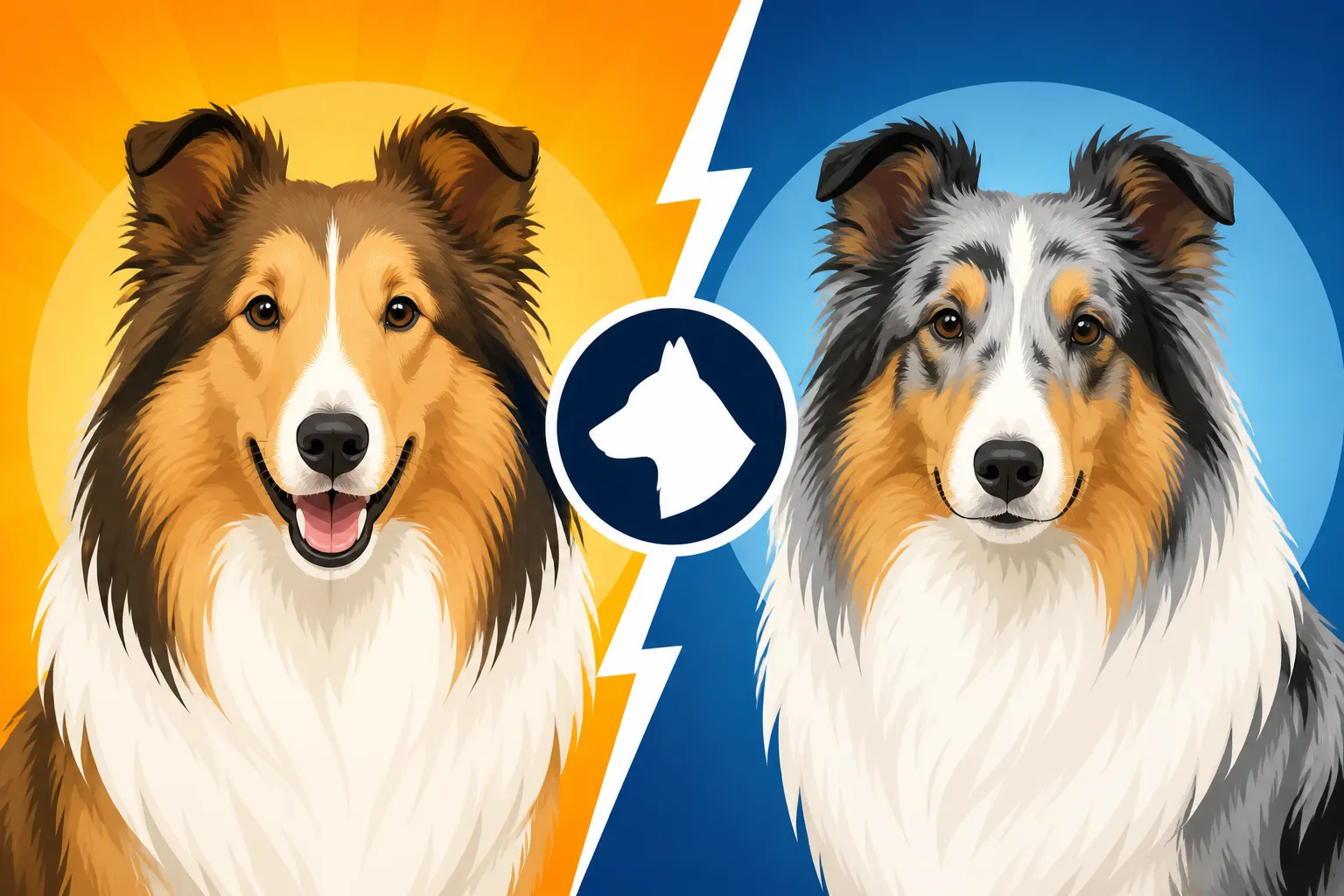
The MDR1 mutation doesn't affect a Collie's pigmentation, bone structure, or any other superficial trait that would be visible to the naked eye. Whether your Collie is a stunning sable and white, a striking blue merle, or a classic tricolor, its MDR1 status cannot be determined by its beautiful coat. You could have three Collies of identical markings and lineage, and one might be clear of the mutation, one a carrier, and the third fully affected, all without any visual distinction between them.
This can be a bit frustrating because we naturally look for clues with our dogs. We check for limping, skin rashes, or changes in energy levels. But with MDR1, those visual cues simply don't exist in a healthy dog. It's about a functional protein within their body, not their outward aesthetic. For instance, you might wonder Whether a Rough and a Smooth Collie Carry MDR1 Equally, and the answer is yes, they can, simply because the mutation is tied to the breed's genetics, not its coat type.
The Function of the P-glycoprotein
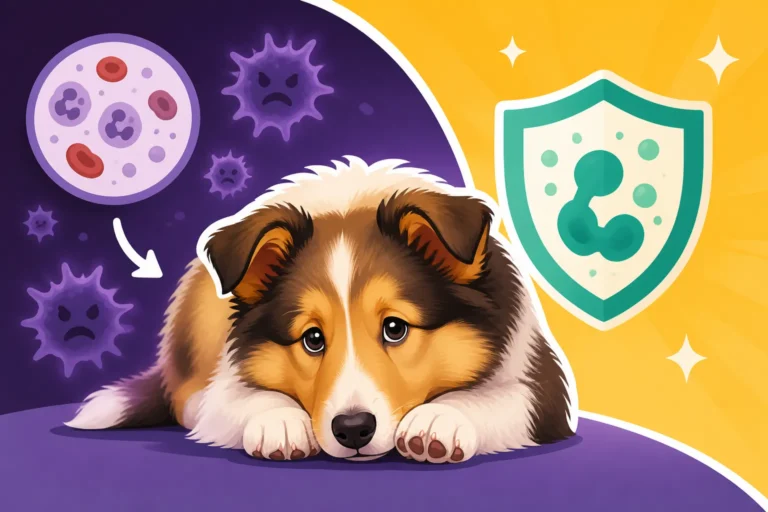
To truly grasp why MDR1 has no visible "look," we need to understand what the gene does. The MDR1 gene provides instructions for making a protein called P-glycoprotein. Think of P-glycoprotein as a vital cellular pump, a bouncer, if you will, at the "blood-brain barrier." Its job is to pump certain drugs and toxins out of the brain and other sensitive organs, protecting them from potentially harmful substances.
In Collies, and several other breeds, a mutation in this gene can lead to a defective or non-functional P-glycoprotein. This means the pump doesn't work effectively, or sometimes not at all. When a dog with this mutation is given certain medications, those drugs aren't effectively pumped out of the brain. They accumulate, reaching much higher concentrations than in a normal dog, leading to severe neurological symptoms, toxicity, and even death. This critical function is entirely internal and microscopic, which is precisely why What the MDR1 Mutation Actually Does to a Collie never shows up on a Collie's face or fur.
Diagnosing MDR1: It's All About the Test, Not the Traits
Given that you can't tell an MDR1 Collie from a glance, the only way to know for sure is through genetic testing. This isn't a complex, invasive procedure, but rather a straightforward DNA test that provides definitive answers, empowering you as an owner to make informed decisions about your dog's care.
The Simple Science of a Cheek Swab
The good news is that diagnosing MDR1 is incredibly simple and non-invasive. Most veterinarians or even at-home testing kits can collect a sample using a sterile cotton swab rubbed gently inside your Collie's cheek. This collects buccal cells that contain your dog's DNA. A blood sample can also be used, but the cheek swab is often preferred for its ease. This sample is then sent to a specialized laboratory for analysis.
Unlike trying to determine breed or genetic predispositions through physical examination, which can be prone to error, a DNA test for MDR1 is highly accurate. It directly looks for the specific genetic markers associated with the mutation. This means you don't need to try and guess based on subtle cues; the science gives you a clear answer. If you're wondering Which Lab Runs the Collie MDR1 Test, reputable genetic testing labs like Optimal Selection or Embark Veterinary offer comprehensive panels that include MDR1 testing. And yes, Whether a Cheek Swab Is Enough for a Collie MDR1 Test is definitively yes – it contains all the necessary DNA.
Understanding the Results: Normal, Carrier, or Affected
Once the lab processes the sample, you'll receive results typically categorized into three main genotypes:
- N/N (Homozygous Normal / Clear): This means your Collie has two normal copies of the gene and does not carry the mutation. They are not at risk for drug sensitivities related to MDR1 and will not pass the mutation on to their offspring.
- M/N (Heterozygous Mutant / Carrier): This indicates your Collie has one normal copy and one mutated copy of the gene. These dogs are considered "carriers" and can potentially pass the mutation to their offspring. More importantly, even with one normal copy, they can still experience drug sensitivities, although sometimes less severe than fully affected dogs. This is why it's crucial to know Whether One Copy of MDR1 Is Enough to Harm a Collie – and it absolutely can be.
- M/M (Homozygous Mutant / Affected): Your Collie has two mutated copies of the gene. These dogs are fully "affected" and are highly sensitive to the drugs processed by the P-glycoprotein pump. They will pass the mutation to all of their offspring.
Knowing these results is paramount for their health. Many responsible breeders will test their entire litters or at least the parents to ensure they are making informed breeding decisions. It's often debated Whether a Collie Breeder Should Test the Whole Litter, but it certainly helps prospective owners know what they're getting into from day one.
Living with an MDR1 Collie: Managing the Unseen Risk
Once you know your Collie's MDR1 status, managing their health becomes a proactive effort to protect them from potential drug reactions. The core of this management lies in meticulous communication with your veterinary team and careful attention to any medications your dog may receive.
Communicating with Your Veterinarian
This is perhaps the most critical step for any owner of an MDR1 Collie, whether they are a carrier (M/N) or fully affected (M/M). You absolutely must inform every veterinarian, veterinary specialist, and emergency clinic that treats your dog about their MDR1 status. Don't assume they know, even if you’ve been to the clinic before. Staff changes, files can be overlooked, and in an emergency, every second counts.
Carry a printed copy of your dog's MDR1 test results with you to every vet appointment, especially if it's a new clinic or an emergency visit. Consider having a medical alert tag on your Collie's collar. It's also a good idea to discuss How a Collie Owner Tells the Vet About MDR1 so you can confidently advocate for your pet. You might even ask your vet to flag your Collie's chart prominently to ensure everyone on staff is aware, addressing the question of Whether a Collie's Chart Should Be Flagged at the Clinic. Having this information readily available can prevent accidental administration of dangerous drugs and provide peace of mind, knowing your pet's specific needs are being met. Having a good pet insurance plan like Healthy Paws can also offer some relief, knowing that unexpected costs related to drug reactions could be covered, though prevention is always the best approach.
Medication Management and Preventative Care
Living with an MDR1 Collie means being extra vigilant about medications. Certain drugs are known to cause severe adverse reactions in affected dogs. These include, but are not limited to, Ivermectin (at higher doses, though many heartworm preventatives contain very low, safe doses), Loperamide (Imodium), certain chemotherapy agents, and some sedatives and anesthetics. It's a daunting list, and knowing The Drug List That Can Kill a Collie is vital for their survival.
However, don't panic about every medication. Many common preventatives are actually safe. For example, Whether Heartworm Preventive Is Safe for a Collie often depends on the specific product and dose, and many popular brands like Heartgard and Interceptor are considered safe even for MDR1 affected dogs. Similarly, Whether Flea Treatment Is Safe for an MDR1 Collie is usually yes for most topical and oral treatments, but always confirm with your vet. The key is always to consult your veterinarian, sharing your dog's MDR1 status before any prescription or over-the-counter medication is given, even something as seemingly innocuous as Whether Loperamide Is Dangerous to a Collie. A robust pet insurance plan like Healthy Paws can be invaluable in these situations, potentially covering the costs of specialized medications, veterinary consultations, or if, heaven forbid, an adverse reaction occurs.
Recognizing a Drug Reaction
Even with the best preventative measures, accidents can happen, or a novel drug might trigger an unexpected response. It’s crucial to know the Signs an MDR1 Collie Is Having a Drug Reaction so you can act immediately. Symptoms typically involve neurological issues because the drugs accumulate in the brain. These can include:
- Ataxia: Loss of coordination, stumbling, or a drunken gait.
- Disorientation: Confusion, staring blankly, or appearing lost.
- Hypersalivation: Excessive drooling.
- Tremors or Seizures: Involuntary muscle contractions or full-blown seizures.
- Blindness: Temporary or permanent vision loss.
- Coma: A state of prolonged unconsciousness.
If you suspect your Collie is having a drug reaction, seek emergency veterinary care immediately. Time is of the essence. Recovery is possible, and many Collies do recover fully, but prompt medical intervention significantly improves the prognosis. Knowing Whether an MDR1 Collie Recovers From a Reaction is often dependent on how quickly they receive care. Having comprehensive pet insurance like Healthy Paws can remove some of the financial stress during these critical, emergency moments, allowing you to focus on your dog's immediate care.
Here’s a quick overview to help clarify:
| Collie Trait | Visual Appearance | Affected by MDR1 Status? |
|---|---|---|
| Coat Color | Sable, Blue Merle, Tricolor, White (all variations) | No |
| Eye Color | Brown, Blue (in merles), Parti-colored | No |
| Ear Set | Tipped, prick, or dropped | No |
| Physical Build | Size, muscle mass, bone structure | No |
| General Demeanor | Calm, active, shy, outgoing | No |
| Overall Health (baseline) | Healthy, active, no apparent issues | No |
| Drug Sensitivity | Adverse reactions to specific medications | YES |
As you can see, the difference is entirely internal and only becomes apparent when certain medications are introduced to an affected dog's system. Your MDR1 Collie will look just like any other beautiful, intelligent, and loving Collie, but they carry a hidden vulnerability that requires your informed protection.
Disclaimer
This article is intended for informational purposes only and does not constitute professional veterinary advice. Always consult with a qualified veterinarian regarding any health concerns or before making decisions about your pet's medical care.