Whether a Collie’s Chart Should Be Flagged at the Clinic
It's a frightening thought: your beloved Collie needing emergency medical care, only for a well-meaning veterinary professional to administer a routine medication that could prove fatal. This isn't a rare hypothetical; it's a very real and present danger for many Collies due to a specific genetic mutation. This guide will walk you through why it's absolutely crucial to have your Collie's medical chart prominently flagged at the clinic, what information needs to be there, and how you can advocate for your dog's safety in every veterinary interaction.
The Critical Importance of Flagging a Collie's Chart
For Collie owners, the term "MDR1" often evokes a sense of deep concern, and for very good reason. This genetic mutation, which is highly prevalent in the breed, can turn otherwise safe medications into dangerous toxins. Ensuring your vet clinic is not just aware, but actively alerts its staff through a chart flag, is a non-negotiable step in responsible Collie ownership.
Understanding the MDR1 Mutation in Collies
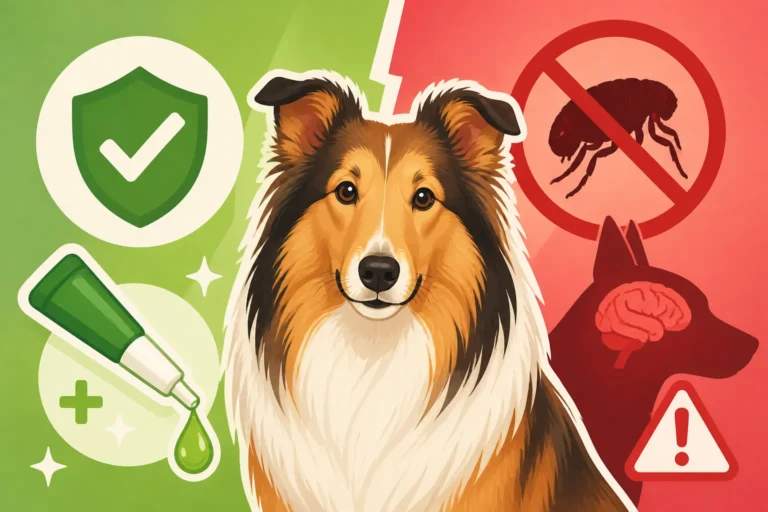
The MDR1 (Multi-Drug Resistance 1) gene, also known as ABCB1, is responsible for producing P-glycoprotein, a vital protein pump found in various parts of the body, including the blood-brain barrier. This pump acts like a bouncer, effectively keeping certain drugs from entering sensitive organs like the brain, where they could cause harm. In Collies, a specific mutation in this gene impairs the function of this P-glycoprotein. This means that drugs that would normally be expelled from the brain can accumulate to toxic levels, leading to severe neurological symptoms, coma, or even death.
The prevalence of this mutation in Collies is quite high, with some estimates suggesting a significant portion of the breed carries at least one copy of the affected gene. Even if your Collie only has one copy (meaning they are a carrier), they can still be sensitive to certain drugs, though reactions might be less severe than in dogs with two copies (affected). This isn't just a concern for Rough Collies; Smooth Collies carry MDR1 equally. It's a fundamental aspect of their physiology that every owner and every vet needs to understand. If you haven't already, learning "What the MDR1 Mutation Actually Does to a Collie" is essential knowledge for anyone bringing a Collie into their home.
The Dangers of Unflagged Drug Administration
Without a clear, prominent flag on your Collie's chart, there's a significant risk that a veterinarian or veterinary technician, especially one unfamiliar with your dog's specific history or the breed's genetic sensitivities, could administer a contraindicated drug. The list of drugs affected by the MDR1 mutation is extensive and includes medications commonly used in veterinary practice.
For instance, antiparasitics like Ivermectin, often used in heartworm preventives or for treating mites, are highly toxic to MDR1-affected Collies at higher doses. Even at the lower doses found in some heartworm medications, caution is advised, and alternative products are often recommended. Another common culprit is Loperamide (Imodium), an anti-diarrhea medication that, for an MDR1 Collie, can cross the blood-brain barrier and cause severe neurological depression.
Other problematic drugs include certain chemotherapy agents, some anesthetics, and even a few steroids. The consequences of administering these drugs to a sensitive Collie can range from profound lethargy, disorientation, and tremors to seizures, blindness, coma, and ultimately, death. This isn't a subtle adverse reaction; it can be a life-threatening emergency. Knowing "The Drug List That Can Kill a Collie" is paramount for any Collie owner. The tragic reality is that these severe reactions are entirely preventable with proper awareness and a clear system in place at the veterinary clinic.
How to Ensure Your Collie's Chart is Properly Flagged
Proactively flagging your Collie's chart isn't just a suggestion; it's a critical safety measure. It's about creating a foolproof system that protects your dog, regardless of which veterinary professional is on duty.
Proactive Communication with Your Veterinary Team
The first step in safeguarding your Collie is thorough and repeated communication with your veterinary team. When you first bring your Collie to a new clinic, or even with your long-standing vet, make their MDR1 status the very first thing you discuss. Provide a copy of their genetic test results – whether they are clear, a carrier, or affected. Don't just mention it once; reiterate it at every visit, especially if a new medication is being prescribed or before any surgical procedure requiring anesthesia.
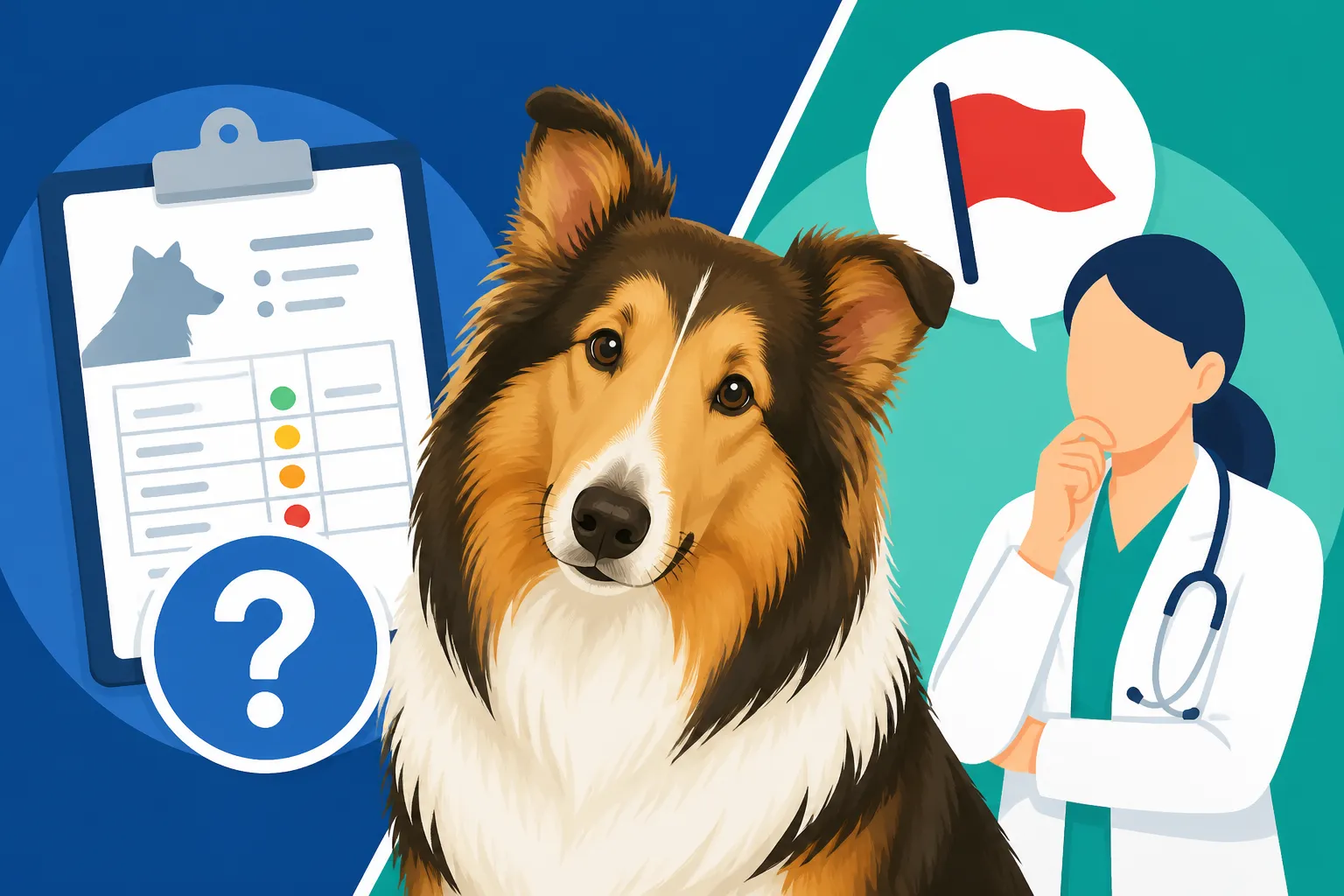
It's not enough to simply tell the receptionist or the vet assistant. Ask to speak directly with the veterinarian who will be treating your dog and ensure they understand the implications of the MDR1 mutation. Discuss alternative medications that are safe for MDR1 Collies for common ailments, and establish a protocol for emergencies. You should also ensure that this critical information is not just noted, but visually flagged in their electronic or physical chart. Many clinics use brightly colored stickers or alerts in their digital systems for this very purpose. This proactive approach is exactly what's detailed in "How a Collie Owner Tells the Vet About MDR1," emphasizing the owner's vital role. Companies like Healthy Paws, who understand the complexities of breed-specific conditions, would certainly appreciate a detailed, flagged chart if you ever need to submit a claim for a drug reaction, as it demonstrates responsible pet ownership.
Essential Information to Include on the Flag
A simple "Collie" note isn't sufficient. The flag on your Collie's chart needs to be explicit, clear, and actionable. Here’s what it should absolutely include:
- MDR1 Status: Clearly state whether your Collie is "MDR1 Affected," "MDR1 Carrier," or "MDR1 Clear." If they are affected or a carrier, specify the gene mutation (e.g., ABCB1-1Δ mutation).
- "MDR1 DRUG SENSITIVITY – AVOID SPECIFIC MEDICATIONS": This bold, unambiguous warning immediately alerts any staff member.
- List of Contraindicated Drugs: Provide a concise list of the most critical drugs to avoid or use with extreme caution. This often includes Ivermectin (high doses), Loperamide, Acepromazine, Butorphanol, and certain chemotherapy drugs. While a comprehensive list can be found elsewhere, a quick-reference summary on the chart is vital.
- Emergency Contact/Owner Instruction: Include your primary contact information and a brief instruction for the vet to contact you before administering any new medication, especially if they are unsure of its safety.
- Date of Last Test/Confirmation: Indicate when the MDR1 test was performed to show it's current.
Here's a sample of what a chart flag or a prominent note might convey:
| Collie Health Alert: MDR1 Mutation |
|---|
| Patient: Collie's Name |
| Breed: Collie |
| MDR1 Status: Affected / Carrier / Clear (e.g., MDR1 Affected, two copies) |
| CRITICAL WARNING: This dog has a severe sensitivity to certain common medications due to the MDR1 gene mutation. These drugs can accumulate to toxic levels in the brain and cause severe neurological damage, coma, or death. |
| ABSOLUTELY AVOID: |
| – Ivermectin (high doses for mites/parasites; use heartworm preventive alternatives) |
| – Loperamide (Imodium) |
| – Acepromazine (sedative) |
| – Butorphanol (pain relief/sedative) |
| – Vincristine, Vinblastine, Doxorubicin (chemotherapy agents) |
| – Emodepside (parasiticide) |
| USE WITH EXTREME CAUTION / REDUCED DOSAGE: |
| – Cyclosporine (immunosuppressant) |
| – Digoxin (heart medication) |
| – Dexamethasone (steroid) |
| ACTION: ALWAYS consult the primary veterinarian and/or the owner (phone: Your Phone Number) BEFORE administering any of these drugs or any new medication. |
| MDR1 Test Date: Date |
By having such a detailed flag, you minimize the chance of a life-threatening mistake. Even a locum vet or a new veterinary assistant will be immediately aware of the specific precautions needed for your Collie.
Beyond MDR1: Other Health Concerns to Note
While MDR1 is often the primary concern for Collies, it's not the only breed-specific health issue that warrants special attention on a medical chart. A truly comprehensive approach to your Collie's health means considering all potential vulnerabilities.
Recognizing Other Breed-Specific Sensitivities
Collies, like many purebred dogs, have a genetic predisposition to several other health conditions that may influence treatment decisions or require proactive monitoring. For example, Collie Eye Anomaly (CEA) is a hereditary condition that affects the development of the eye. While often mild, severe cases can lead to blindness or retinal detachment. While it may not require an emergency flag like MDR1, noting "Collie Eye Anomaly Affects Most Collies, So Ask How Badly" on the chart ensures that any new ocular symptoms are viewed through the lens of this known predisposition.
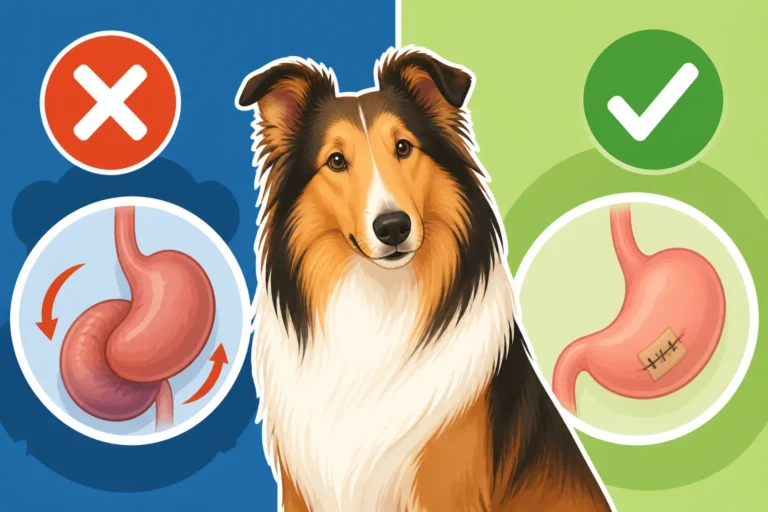
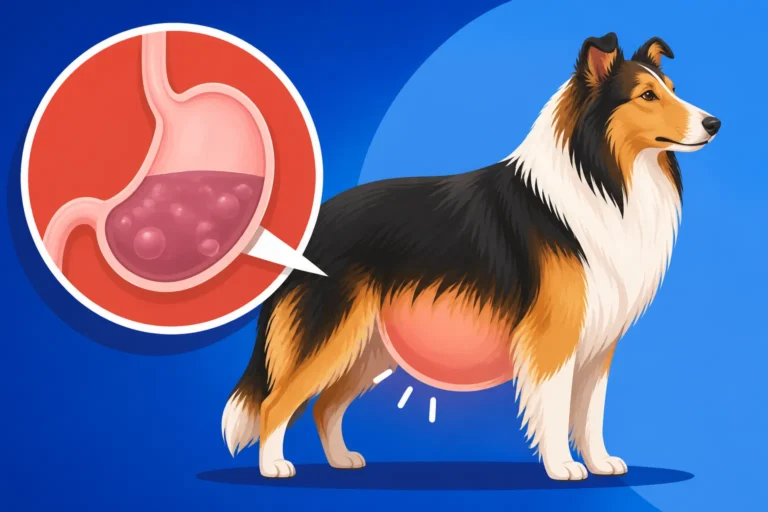
Another significant concern for Collies is Gastric Dilatation-Volvulus (GDV), commonly known as bloat. Due to their deep-chested conformation, Collies are at a higher risk for this life-threatening condition where the stomach twists. Knowing "Bloat in a Deep Chested Collie" is a risk factor should be noted, especially if your Collie exhibits any signs of gastrointestinal distress. This might prompt quicker diagnostic action from a vet. Some owners even opt for a prophylactic gastropexy surgery to prevent bloat, and this procedure should certainly be highlighted on the chart.
While less common, some Collies can also be predisposed to conditions like epilepsy, dermatomyositis, or certain types of cancer. If your Collie has a diagnosis or a strong family history of any of these, adding a note to their chart can ensure that vet staff are alert to early symptoms or particular sensitivities related to these conditions. This holistic view ensures that your dog receives the most informed care possible.
Continuous Advocacy and Awareness
Even with a perfectly flagged chart, your role as your Collie's primary advocate never truly ends. Veterinary staff turnover can occur, and new protocols might be introduced. Every time you visit the vet, particularly for non-routine appointments or emergencies, gently remind the staff about your Collie's specific needs and sensitivities.
Consider having your Collie wear a medical alert tag on their collar, as discussed in "Whether a Collie Should Wear a Medical Tag". This small, tangible reminder can be invaluable in an emergency situation if you're not present. The tag could simply state "MDR1 Sensitive" and provide your contact number. For complex health issues or concerns, having a reliable pet insurance provider like Healthy Paws can be invaluable, as they often have resources and understanding of breed-specific conditions that can aid in advocating for your pet's best care, especially when specialized treatments or medications might be required.
Ultimately, maintaining vigilance and open communication with your veterinary clinic is the most effective way to ensure your Collie receives safe, appropriate, and informed medical care throughout their life. Your attentiveness can literally be a lifesaver.
Disclaimer
The information provided in this article is for educational purposes only and should not be considered a substitute for professional veterinary advice. Always consult with a qualified veterinarian for any health concerns or before making any decisions related to your Collie's medical care. Genetic testing for MDR1 is highly recommended to determine your dog's specific status.