Whether a Rough and a Smooth Collie Carry MDR1 Equally
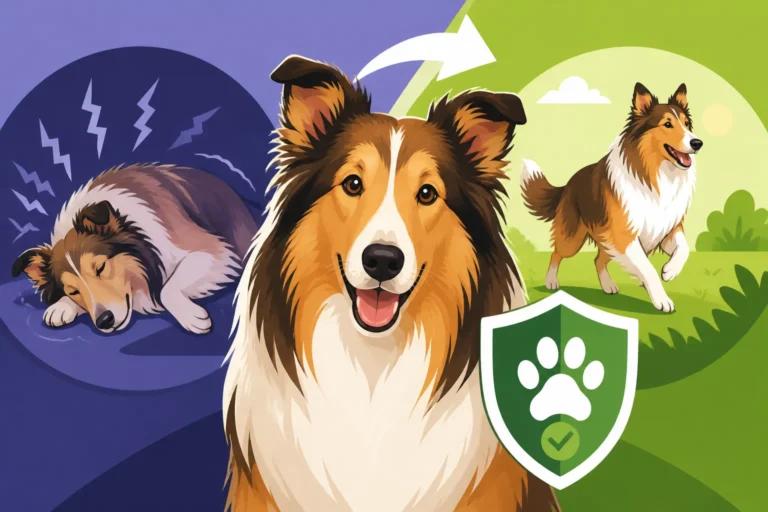
It’s a truly frightening thought: unknowingly giving your beloved Collie a common medication that could be deadly due to a hidden genetic vulnerability. Many Collie owners, especially those new to the breed, often wonder if the beautiful, flowing coat of a Rough Collie makes them more susceptible to the infamous MDR1 mutation than their sleek, short-haired Smooth counterparts. The good news, and the bad news, is that when it comes to the MDR1 gene, both varieties of our cherished Collies are equally at risk. This guide will walk you through exactly why this is the case, what the MDR1 mutation means for your dog, and the crucial steps you need to take to keep them safe, regardless of their glorious coat type.
Understanding the MDR1 Mutation in Collies
The MDR1 gene, more formally known as ABCB1, is a really important piece of your Collie's genetic makeup, even if you’ve never heard of it until considering a Collie. It’s not something that manifests visually, like eye color or coat length, but its function is absolutely critical for your dog's health. When this gene is working properly, it acts like a bouncer at a very exclusive club – the blood-brain barrier.
What the MDR1 Gene Does
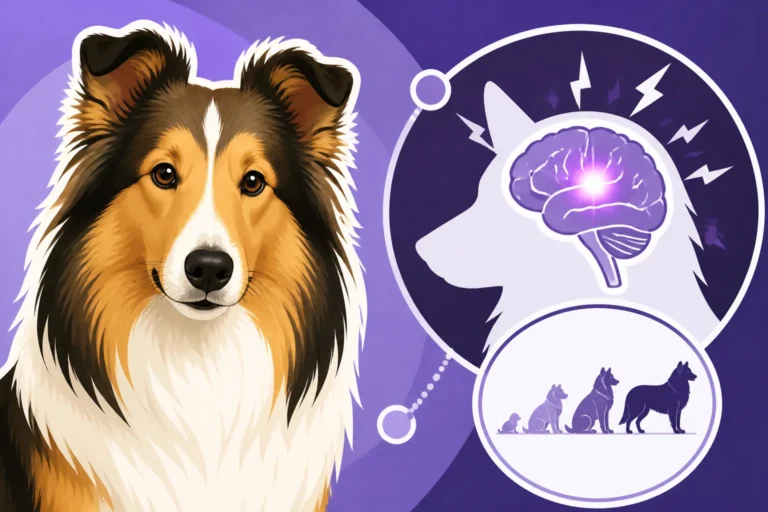
Imagine your dog's brain as a highly protected fortress, and the blood-brain barrier is its formidable wall. This wall is designed to keep out harmful substances circulating in the bloodstream, while still allowing essential nutrients to pass through. The MDR1 gene produces a protein called P-glycoprotein, which is embedded in these protective walls, as well as in other vital organs like the liver, kidneys, and intestines. Its job is essentially to pump certain drugs and toxins out of sensitive areas, like the brain, and back into the bloodstream for elimination. Think of it as an active defense system, tirelessly working to ensure that medications, especially those designed to affect other parts of the body, don't accidentally accumulate to toxic levels in the brain.
When this system is fully functional, your Collie can metabolize and excrete many common drugs without issue. However, if that P-glycoprotein isn't doing its job, or isn't there at all, those drugs can bypass the brain's defenses and cause severe, life-threatening neurological problems. It’s a silent guardian that you only truly appreciate when it fails.
How the Mutation Affects Drug Sensitivity
The MDR1 mutation is essentially a defect in the blueprint for this crucial P-glycoprotein. Because of a specific change in the gene, the protein either isn't produced correctly, or it's not produced at all. This means the "bouncer" is missing from the blood-brain barrier club, allowing certain drugs free access to the brain where they can cause profound neurological toxicity. It's not just the brain either; drug absorption and elimination can be altered in other organs too, leading to longer drug half-lives and increased side effects throughout the body.
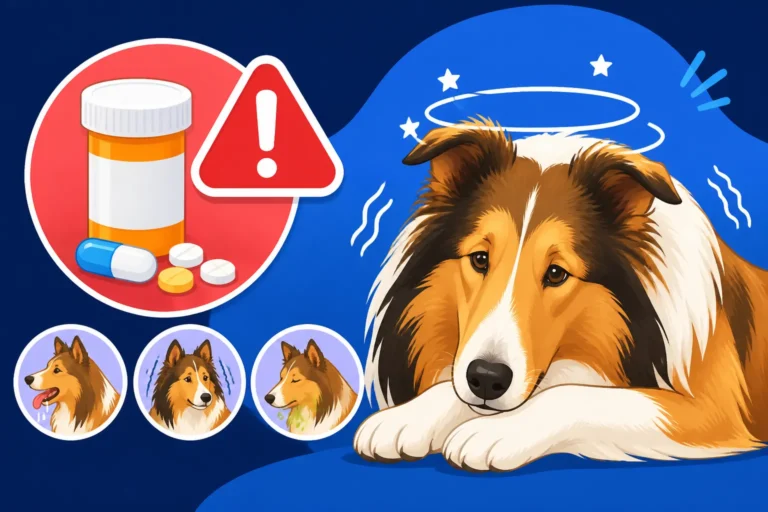
The consequences of this mutation can be devastating. A Collie with two copies of the mutated gene (homozygous affected, or MDR1 affected) is highly sensitive to a specific list of medications. Even a single copy of the mutated gene (heterozygous, or MDR1 carrier) can sometimes lead to increased sensitivity, though typically to a lesser degree. This is why it's so important to understand that whether one copy of MDR1 is enough to harm a Collie is a question with a nuanced answer – it often depends on the drug and the dosage. Common culprits that can cause severe reactions include certain antiparasitics like Ivermectin (even at doses found in some heartworm preventives, though specific preventives are generally safe if given correctly), some chemotherapy agents, opioids like loperamide, and certain sedatives or anesthetics. Without the P-glycoprotein to pump these drugs out, they build up, leading to symptoms ranging from tremors and disorientation to seizures, coma, and even death. It’s a stark reminder that what’s safe for one dog might be a deadly poison for another. If you're wondering what the MDR1 mutation actually does to a Collie, it fundamentally changes how their body handles these critical medications, turning routine treatments into potential crises.
The Link Between Coat Type and MDR1 Status
One of the most common questions and biggest sources of confusion among prospective and current Collie owners revolves around whether the length of their dog’s coat has any bearing on their MDR1 status. It’s a natural assumption, especially when breeds are often categorized by physical traits. However, when it comes to the MDR1 gene, coat type is entirely irrelevant.
Rough Collies and MDR1 Prevalence
It’s true that the MDR1 mutation was first identified and extensively studied in Rough Collies, which often leads people to believe it’s exclusively a "Rough Collie problem." Historically, a significant percentage of Rough Collies carry at least one copy of the mutation. Early studies suggested that what share of Collies carry MDR1 could be as high as 70% or more within the breed, making it a widespread genetic concern. This high prevalence is thought to be due to a "founder effect," where the mutation occurred in an early ancestor and was then passed down through generations as the breed became popular and widely dispersed.
Because Rough Collies were the more popular variety for many years, and certainly the one most people picture when they think "Collie," their genetic health issues received more attention. This focus on Rough Collies in early research contributed to the misconception that Smooth Collies might be exempt from this particular genetic challenge. However, genetics doesn’t work that way; a gene controlling drug sensitivity doesn't care whether another gene makes the hair long or short.
Smooth Collies and MDR1 Prevalence
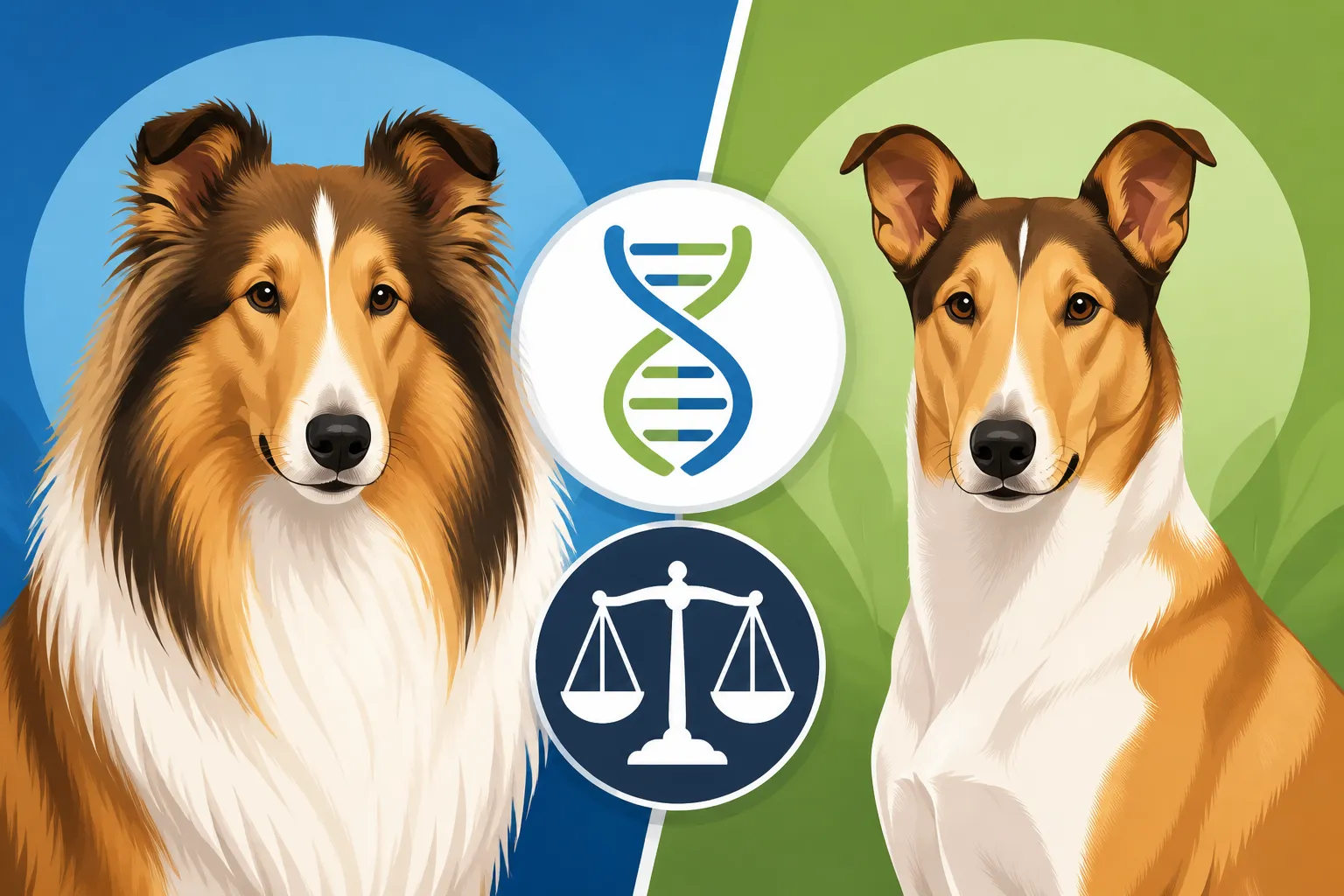
To answer the core question directly: whether a Rough and a Smooth Collie carry MDR1 equally – the answer is a resounding yes. Smooth Collies carry the MDR1 mutation with the same prevalence as their Rough-coated cousins. Just like Rough Collies, a significant portion of the Smooth Collie population can be carriers or affected. In fact, many Smooth Collies are direct descendants of Rough Collies, and breeding between the two varieties has always been permitted and common in many kennel clubs. This shared genetic heritage means that any genetic trait prevalent in one variety is almost certainly prevalent in the other.
A Smooth Collie might look different from a Rough Collie, but genetically, they are the same breed. The only difference is the gene for coat length. Everything else, from their temperament to their health predispositions, is largely shared. So, if you're bringing a Smooth Collie into your home, you absolutely cannot assume they are automatically clear of the MDR1 mutation. Their sleek coat offers no protective shield against this particular genetic vulnerability.
Why Both Varieties Are Affected
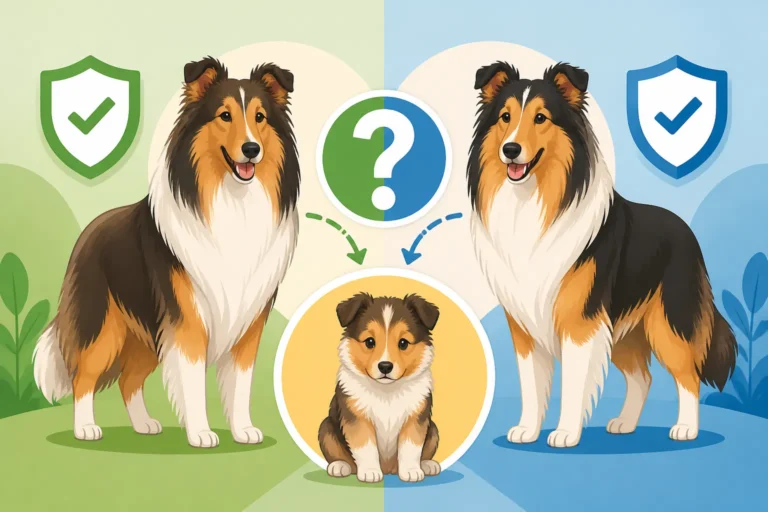
The reason both Rough and Smooth Collies are affected equally goes back to their shared ancestry and the breeding practices within the breed. The American Kennel Club (AKC) and many other international kennel clubs consider Rough and Smooth Collies to be two varieties of the same breed, not separate breeds. This means they share a common gene pool and can be bred together. In fact, it's quite common for a litter to contain both Rough and Smooth puppies if their parents carry the genes for both coat types.
This intertwining of genetic lines means that a mutation that arose in an early Collie ancestor would naturally be passed down to both future Rough and Smooth varieties. The gene responsible for coat length (FGF5) is completely separate from the MDR1 gene. Therefore, whether a dog inherits a long coat or a short coat has absolutely no bearing on whether they inherit a functional or mutated MDR1 gene. It’s like saying whether you have curly hair influences your blood type – they’re simply unrelated genetic traits. Both Rough and Smooth Collies embody the intelligence, loyalty, and beauty of the breed, and both require the same vigilant approach to MDR1 testing and care.
| Trait / Category | Rough Collie | Smooth Collie | Significance for MDR1 |
|---|---|---|---|
| Coat Length | Long, abundant | Short, dense | No bearing on MDR1 status |
| Temperament | Generally calm, intelligent, sensitive | Generally calm, intelligent, sensitive | Similar traits, no impact on MDR1 |
| Ancestry | Shared common ancestors with Smooth Collies | Shared common ancestors with Rough Collies | Direct link to shared MDR1 prevalence |
| MDR1 Prevalence | High (around 70% carry at least one copy) | High (similar to Rough Collies) | Both varieties are equally susceptible |
| AKC Recognition | Variety of the Collie breed | Variety of the Collie breed | Confirms shared genetic pool, including MDR1 |
| Breeding | Can be bred with Smooth Collies | Can be bred with Rough Collies | Allows for constant genetic exchange of all traits, including MDR1 |
Practical Steps for Owners of Both Rough and Smooth Collies
Knowing that both Rough and Smooth Collies are equally susceptible to the MDR1 mutation is the first step. The next, and arguably most important, is taking proactive measures to ensure your dog's safety. This isn't a situation where you can simply hope for the best; active management and clear communication with your veterinary team are paramount.
Genetic Testing is Key
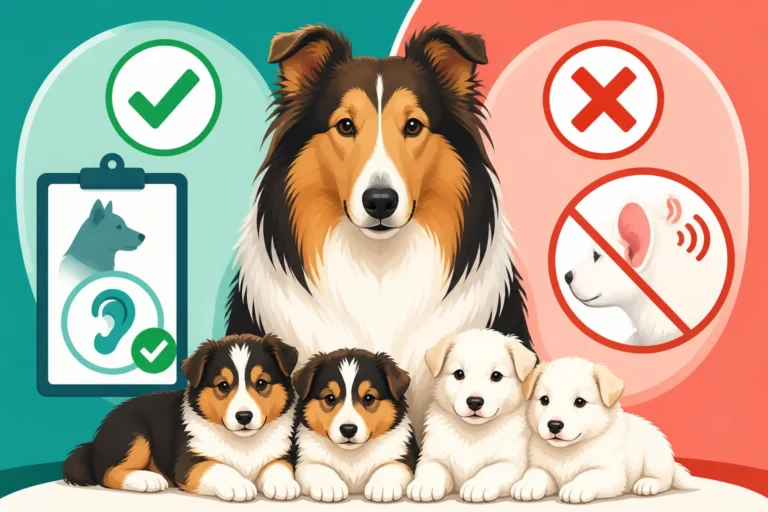
Given the high prevalence of the MDR1 mutation in the Collie breed, and the serious consequences of drug reactions, genetic testing is not just recommended, it's absolutely essential for every Collie owner. You simply cannot tell if your dog is a carrier or affected by looking at them or knowing their coat type. The only way to know for sure is through a DNA test. Ideally, a reputable breeder will have already performed the three genetic tests a Collie breeder owes you, including MDR1, on both parents before breeding and will provide you with the puppy's results. If not, or if you have a rescue Collie whose history is unknown, it's your responsibility to get your dog tested.
Testing is remarkably easy and non-invasive. Usually, it involves a simple cheek swab that you can collect at home and send to a specialized lab. Labs like Optimal Selection (part of Wisdom Panel) or Washington State University's Veterinary Clinical Pharmacology Lab (which pioneered the test) are reliable options for which lab runs the Collie MDR1 test. The results will clearly state if your Collie is "clear" (no copies of the mutation), a "carrier" (one copy), or "affected" (two copies). This information is gold, providing you with lifelong knowledge to protect your dog. Knowing your dog's status means you no longer have to assume your Collie has the MDR1 mutation, which is the safest default if testing hasn't been done.
Informing Your Veterinarian
Once you have your Collie’s MDR1 test results, the very next step is to immediately share this crucial information with your veterinarian. Do not assume they already know, even if they see many Collies. It’s your responsibility to bring it to their attention. This isn't just a casual mention; it needs to be documented clearly in your dog’s medical file. Provide them with a copy of the official lab report. You might even want to suggest that a Collie's chart should be flagged at the clinic with a prominent sticker or note.
When discussing with your vet, especially if they're not intimately familiar with MDR1 in Collies, you might need to educate them politely. Explain the mutation and its implications for drug dosages and choices. This open communication is vital because many common medications, including some anesthetics, antiparasitics, and even diarrhea medications like Loperamide, are on the drug list that can kill a Collie if they have the mutation. Having this conversation ensures that your vet can tailor treatments, select safe alternative drugs, or adjust dosages for your specific dog. Being prepared means you’ll know how a Collie owner tells the vet about MDR1 effectively.
Managing an MDR1 Positive Collie
Living with an MDR1 positive Collie, whether they are a carrier or affected, requires vigilance but is entirely manageable. The most important thing is prevention. This means:
- Awareness of Medications: Keep a list of drugs to avoid or use with extreme caution handy. This list should be shared with anyone who might administer medication to your dog, including pet sitters or emergency vets.
- Veterinary Communication: Always remind new vets or emergency staff about your Collie's MDR1 status. Consider having a Collie wear a medical tag that specifies their MDR1 status, especially when traveling or in situations where they might need emergency care.
- Preventive Care: Ensure all routine treatments, like whether an MDR1 Collie can be wormed safely or flea and tick preventives, are specifically chosen to be safe for MDR1 sensitive dogs. Many safe options exist, but generics or older medications might pose a risk.
- Emergency Preparedness: In an emergency, stress can lead to oversights. Having your dog's MDR1 status clearly documented and advocating for your dog is vital.
- Financial Planning: While the cost of an MDR1 test is usually quite reasonable (often under $100, though what an MDR1 test costs for a Collie can vary), the cost of treating an accidental drug reaction can be astronomically high. This is where pet insurance can be a real lifesaver. Many owners find that a comprehensive policy from providers like Healthy Paws can help offset unexpected veterinary bills, especially if specialized treatment or extended hospitalization is needed for a drug reaction. It’s wise to consider whether pet insurance is worth it on a Collie, particularly one with a known genetic predisposition like MDR1. Proactive insurance coverage from Healthy Paws or similar providers offers substantial peace of mind for managing unforeseen health challenges.
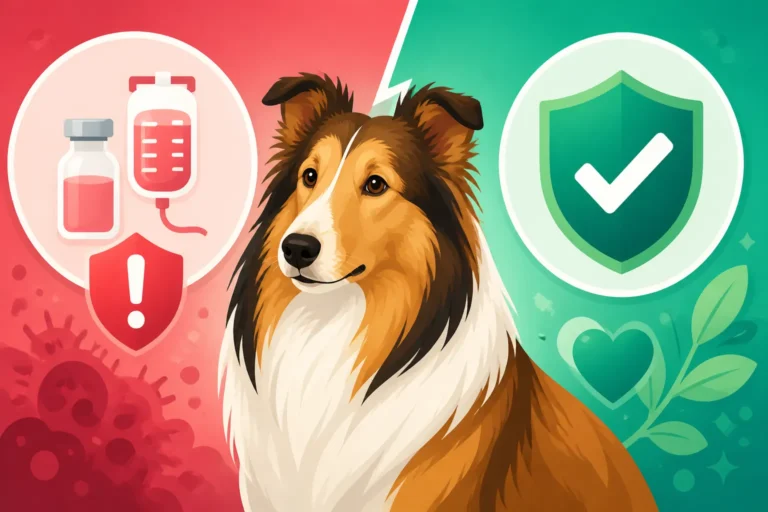
It's a small change in their genetics, but it has profound implications for a Collie's care throughout their life. By understanding the science, testing your dog, and communicating effectively with your vet, you can ensure your Rough or Smooth Collie lives a long, healthy, and happy life, free from preventable drug reactions.
Disclaimer
Please remember that this article provides general information and guidance. It is not a substitute for professional veterinary advice. Always consult with a qualified veterinarian regarding your specific Collie's health and treatment plans. Individual dogs may react differently to medications and medical conditions.