What Cyclic Neutropenia Does to a Collie Puppy
There's nothing quite as heartbreaking as bringing home a new puppy, full of life and boundless energy, only to watch them inexplicably fade, struggle with persistent infections, or just not thrive like their littermates. For Collie owners, this painful reality can sometimes be tied to a devastating genetic condition called Cyclic Neutropenia, often tragically nicknamed "Gray Collie Syndrome." This guide is here to shed light on what this illness is, what it does to a precious Collie puppy, and how understanding it is key to both preventing and managing its challenges.
Understanding Cyclic Neutropenia: The Basics
Cyclic Neutropenia is a truly cruel genetic hand dealt to some Collie puppies, impacting their ability to fight off even the most common infections. It’s not just a passing bug; it’s a fundamental flaw in their immune system that leaves them incredibly vulnerable.
What Exactly is Cyclic Neutropenia?
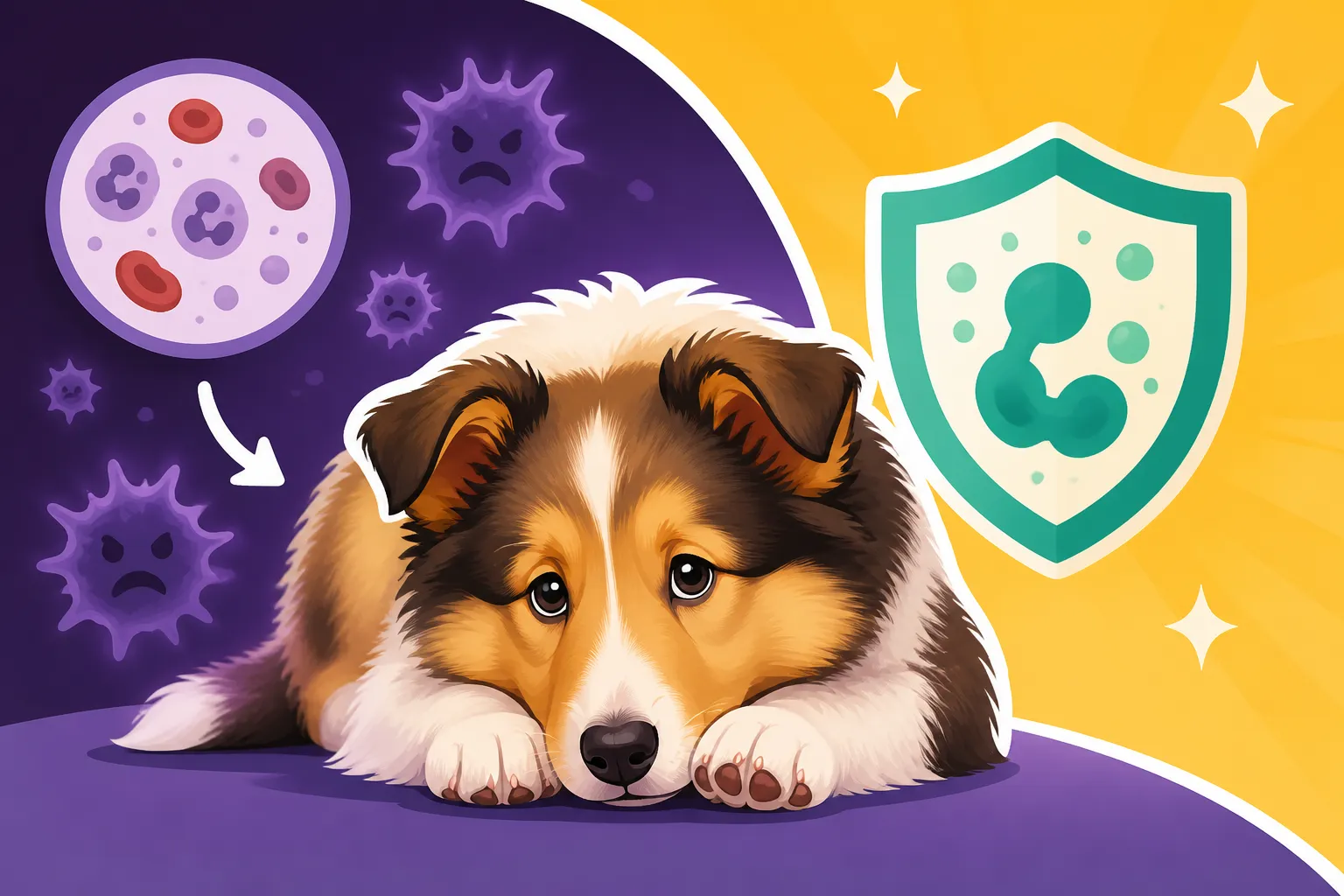
At its core, Cyclic Neutropenia (CN) is a hereditary blood disorder. The "cyclic" part refers to its most distinctive and devastating feature: a recurring, predictable drop in the number of neutrophils, which are a specific type of white blood cell. Neutrophils are the foot soldiers of the immune system, the first responders to bacterial, fungal, and some viral infections. They patrol the bloodstream, seeking out and destroying invading pathogens. When their numbers plummet, as they do in affected Collies, the puppy is left essentially defenseless. Imagine sending an army into battle but every ten days, most of your soldiers just vanish for a few days – that's what happens to a CN puppy's immune system.
This isn't just about feeling a bit under the weather; it's about the very machinery of immunity failing in a predictable, devastating rhythm. The puppy's body can produce neutrophils, but it can't maintain a consistent, healthy level, leading to periods of extreme susceptibility. This ebb and flow makes diagnosis tricky sometimes, as a blood test taken during an "up" cycle might look almost normal, masking the underlying problem.
The Genetic Link: Why Collies Are Affected
Cyclic Neutropenia is not a random occurrence; it's rooted firmly in genetics, specifically an autosomal recessive mutation in the AP3B1 gene. This means that for a Collie puppy to be affected by this condition, they must inherit two copies of the faulty gene – one from each parent. If a dog inherits only one copy of the faulty gene and one normal copy, they are considered a "carrier." Carriers typically show no symptoms of the disease themselves, living perfectly normal, healthy lives, but they can pass the problematic gene on to their offspring.
This genetic inheritance pattern highlights why genetic testing is so crucial for Collie breeders. Without knowing the genetic status of potential breeding dogs, there's always a risk of unknowingly pairing two carriers, which statistically results in 25% of the litter being affected by Cyclic Neutropenia, 50% being carriers, and 25% being clear. It's a stark reminder of the responsibility breeders hold. The heartbreaking truth is that Whether Both Collie Parents Must Carry Cyclic Neutropenia for their puppies to be born with this condition, emphasizing the importance of informed breeding decisions.
The Grim Reality for Collie Puppies
When a Collie puppy is born with Cyclic Neutropenia, their start to life is often fraught with challenges, even if the symptoms aren't immediately obvious at birth. The cyclical nature of the disease means they're constantly fighting an uphill battle against their own bodies.
The Fluctuating White Blood Cell Count
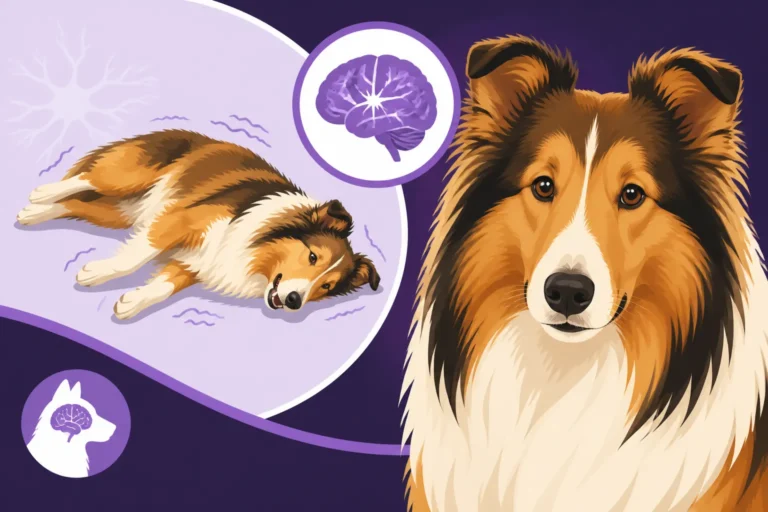
The most defining and dangerous aspect of Cyclic Neutropenia is the cyclical fluctuation of neutrophil counts. Approximately every 10 to 12 days, the puppy’s neutrophil count plummets drastically, sometimes to near zero. These periods, known as neutropenic crises, last for about three to four days before the bone marrow rallies to produce more neutrophils, temporarily bringing the counts back up to a somewhat normal range. This cycle repeats relentlessly throughout the puppy's short life.
During the neutropenic phase, the puppy is acutely immunocompromised. Their body lacks the essential white blood cells needed to fight off common bacteria and viruses that a healthy puppy would easily dispatch. This makes them highly susceptible to severe, recurrent infections that can take hold rapidly and spread aggressively. Even seemingly minor environmental bacteria can become life-threatening. The constant swing between relative health and extreme vulnerability is exhausting for the puppy's system and terrifying for their owners, as you never know when the next crisis will hit.
Early Signs and Symptoms in Puppies
The signs that a Collie puppy is suffering from Cyclic Neutropenia usually become apparent within the first few weeks of life, often around 8 to 12 weeks of age, though some may show symptoms earlier. These signs are often non-specific, making initial diagnosis challenging for even experienced veterinarians if they are not familiar with the condition in Collies. One of the most common observations is a general "failure to thrive." These puppies simply don't grow at the same rate as their littermates, often remaining smaller and weaker.
Owners might notice recurrent fevers that come and go, often without an obvious cause. Lethargy, a dull coat, and poor appetite are also common indicators. The recurring infections can manifest in various ways: persistent diarrhea that doesn't respond well to treatment, swollen and painful joints (polyarthritis), skin infections leading to sores or pustules, and respiratory issues like coughing and nasal discharge. It’s a constant battle against one illness after another. Unfortunately, The Age Gray Collie Syndrome Shows in a Puppy can vary slightly, but the signs almost always appear during that crucial early development stage.
Common Health Crises Faced by Affected Puppies
The cyclical nature of neutropenia means that affected Collie puppies are living on a precarious edge, repeatedly falling into severe health crises that require intensive care. These are not just minor sniffles; these are serious, life-threatening events.
Overwhelming Infections: The Constant Threat
With a compromised immune system, these puppies are a magnet for opportunistic infections. During the neutropenic phases, even bacteria that are typically harmless or easily managed by a healthy immune system can become rampant and overwhelming. Respiratory infections are incredibly common, leading to pneumonia and severe coughing that can quickly turn critical. Gastrointestinal infections cause persistent vomiting and diarrhea, leading to rapid dehydration and nutrient malabsorption, further weakening an already fragile puppy.
Skin infections are also frequent, often appearing as deep pyodermas (pus-filled lesions) or festering wounds that struggle to heal. Oral infections, like gingivitis and stomatitis, can make eating painful, exacerbating their poor appetite. Urinary tract infections can also arise. The challenge for veterinarians is not just treating one infection, but knowing that another, or even the same one, will likely flare up again in a week or two. This constant assault on their tiny bodies prevents them from growing, developing, and simply being a healthy, happy puppy. Dealing with repeated emergencies can also become an incredible financial and emotional strain, making careful consideration of how you would manage such costs with a pet insurance provider like Healthy Paws even more critical.
Bleeding Disorders and Other Complications
Beyond the relentless infections, Cyclic Neutropenia can lead to other serious complications. The bone marrow, which is responsible for producing blood cells, is directly affected by the genetic mutation. While the primary issue is the neutrophil cycle, the overall health of the bone marrow can sometimes be compromised, potentially affecting the production of other blood cell types as well, although this is less common than the neutrophil specific problem. Some affected puppies may experience mild bleeding tendencies due to secondary effects on platelets or clotting factors during severe illness, though this is not a direct feature of the neutropenia itself.
More generally, the persistent state of illness takes a heavy toll on the puppy's entire system. Chronic inflammation, stress on organs due to repeated infections, and a constant battle for survival mean these puppies often fail to develop normally. Their growth is stunted, their energy levels are perpetually low, and their quality of life is severely impacted. They are often in discomfort or pain, despite the best efforts of their caregivers. The cumulative effect of these complications further diminishes their chances of long-term survival and highlights the severe nature of this genetic disease.
"Gray Collie Syndrome": A Misleading Nickname
The term "Gray Collie Syndrome" is often used interchangeably with Cyclic Neutropenia, and while it points to a visible symptom, it can be a little misleading by oversimplifying the true depth of the condition. It's more than just a coat color; it's a profound systemic failure.
Why Affected Puppies Appear "Gray" or "Silver"
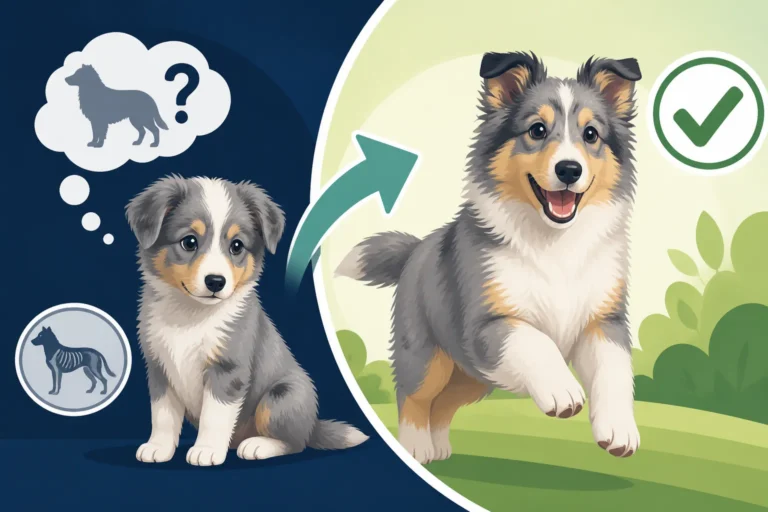
One of the most distinctive, and often the first, physical characteristic that leads people to suspect Cyclic Neutropenia is the unique coat color of affected puppies. Instead of the typical sable, tri-color, or blue merle, these puppies often have a diluted, washed-out appearance. Their usually vibrant sable coats might appear as a pale, silvery fawn or even a light cream. Blue merles might look like a very pale, almost ghostly blue. Tricolors will have their black areas muted to a dull, charcoal gray. This dilution gives them a characteristic "silvery-gray" or "pale blue" look, which is where the "Gray Collie Syndrome" moniker originated.
This diluted pigmentation is caused by the same underlying genetic defect that causes neutropenia. The AP3B1 gene, mutated in Cyclic Neutropenia, is also involved in melanin transport within pigment cells. When this gene is faulty, the pigment (melanin) isn't distributed properly, leading to the diluted coat color. So, while it's an eye-catching and unusual trait, it's not simply a cosmetic variation. It's a direct indicator of a deeper, systemic issue. It’s why Why Gray Collie Syndrome Puppies Are Silver is a crucial visual cue for astute owners and veterinarians.
Beyond the Coat Color: The True Severity
While the "gray" coat is a noticeable symptom, it's crucial to understand that it's just the tip of the iceberg. The term "Gray Collie Syndrome" can sometimes make it sound like the primary issue is the unusual coloration, but the true severity of the condition lies in the profound immunodeficiency. The puppy's battle is primarily internal, a constant struggle against infections and a perpetually compromised immune system. The coat color, while a direct result of the same genetic mutation, is secondary to the life-threatening health challenges.
Focusing solely on the gray coat risks underestimating the gravity of the disease. These puppies aren't just aesthetically different; they are critically ill. Their lives are defined by recurrent fevers, chronic pain, severe gastrointestinal issues, and respiratory distress. They rarely reach adulthood, and if they do, their lives are often short and marked by ongoing medical interventions. Understanding that the gray coat is a red flag for a devastating internal condition, not just a unique coloring, is vital for proper awareness and care.
Diagnosis and Prognosis for Cyclic Neutropenia
Accurate diagnosis of Cyclic Neutropenia is critical, though sometimes challenging, and unfortunately, the prognosis for affected puppies is grim. Knowing what to look for and how to confirm the condition can help families make informed decisions.
How Vets Confirm the Diagnosis
Diagnosing Cyclic Neutropenia in a Collie puppy usually begins with a strong suspicion based on their clinical signs: recurrent infections, failure to thrive, and the characteristic diluted coat color. However, definitive diagnosis requires specific tests. The most important diagnostic tool is a series of complete blood counts (CBCs) performed every few days over a period of about two weeks. This allows the veterinarian to observe the cyclical drops in neutrophil count that are characteristic of the disease. A single CBC can be misleading if taken during a period when the neutrophil count is temporarily higher, making a series of tests essential.
Once Cyclic Neutropenia is suspected, a definitive diagnosis can be achieved through genetic testing. A simple DNA test, usually performed on a cheek swab or blood sample, can identify the specific mutation in the AP3B1 gene. This test not only confirms the disease in an affected puppy but can also identify carriers among breeding stock. This is a far more reliable and less invasive method than repeated blood draws for the puppy. Prompt diagnosis is important because it allows for early, though often palliative, supportive care and prevents unnecessary suffering or misguided treatments. Knowing What the Collie DNA Health Panel Covers is crucial for understanding what genetic tests are available for Collies.
The Heartbreaking Prognosis and Management
The prognosis for Collie puppies born with Cyclic Neutropenia is, regrettably, very poor. While advances in veterinary medicine can extend their lives somewhat, the disease is ultimately fatal. Most affected puppies succumb to overwhelming infections or related complications before they reach one year of age, often much sooner. Survival beyond weaning is often a struggle, and very few, if any, live past two or three years, and those that do have a severely compromised quality of life. Whether a Gray Collie Syndrome Puppy Survives is a question with a tragic answer for most.
Management focuses on supportive care to minimize suffering during the neutropenic phases. This involves aggressive antibiotic therapy to combat infections, pain management, and sometimes even growth factor injections to stimulate neutrophil production, though these are often only temporarily effective. These puppies require constant vigilance and frequent veterinary visits, which can be emotionally and financially draining. Owners often find themselves making difficult decisions very early in the puppy's life. This is where pet insurance, like a plan from Healthy Paws, could potentially help with the ongoing veterinary costs, though it's important to clarify coverage for genetic conditions and pre-existing issues.
Here’s a quick overview of the key aspects of Cyclic Neutropenia:
| Aspect | Description |
|---|---|
| Genetic Basis | Autosomal recessive mutation in the AP3B1 gene; inherited from both parents. |
| Core Problem | Cyclical, severe drop in neutrophil (white blood cell) count every 10-12 days, lasting 3-4 days. |
| Primary Symptoms | Recurrent, severe infections (respiratory, GI, skin), fevers, lethargy, poor growth, joint pain. |
| "Gray Collie" Appearance | Diluted coat color (silvery-gray, pale blue) due to melanin transport issue, a visible sign of the genetic defect. |
| Diagnosis | Serial CBCs to observe neutrophil cycles, confirmed by DNA genetic test for the AP3B1 mutation. |
| Prognosis | Very poor; most puppies die from overwhelming infections before one year of age. |
| Management | Supportive care (antibiotics, pain relief), but no cure. |
| Prevention | Genetic testing of all breeding Collies to identify and avoid breeding carriers. |
Preventing Cyclic Neutropenia Through Responsible Breeding
Given the devastating nature of Cyclic Neutropenia, prevention is truly the only humane and effective approach. This responsibility falls squarely on the shoulders of dedicated Collie breeders who prioritize health above all else.
The Importance of Genetic Testing for Breeders
For any serious Collie breeder, genetic health testing is non-negotiable. The AP3B1 gene mutation that causes Cyclic Neutropenia is easily identifiable through a simple, affordable DNA test. This test can determine if a dog is "clear" (no copies of the mutated gene), a "carrier" (one copy of the mutated gene), or "affected" (two copies of the mutated gene). For affected individuals, the test provides a clear diagnosis, but for breeding stock, identifying carriers is paramount.
By routinely testing all breeding animals, breeders can make informed decisions to prevent the birth of affected puppies. Reputable breeders will not only test their own dogs but will also be transparent about the results, providing documentation to potential puppy buyers. This commitment to genetic screening is the cornerstone of eradicating preventable genetic diseases within the breed. It ensures that the legacy of beautiful, intelligent Collies continues without the shadow of such a tragic illness. Organizations like the Collie Health Foundation actively support research and advocate for genetic testing, providing invaluable resources to the community.
Breeding Strategies to Avoid Affected Litters
Once breeders know the genetic status of their Collies regarding the AP3B1 gene, they can implement responsible breeding strategies. The goal is to never produce an affected puppy. This means:
- Clear x Clear: Breeding two "clear" Collies will always produce 100% clear puppies. This is the ideal scenario for future generations.
- Clear x Carrier: Breeding a "clear" Collie with a "carrier" Collie will result in 50% clear puppies and 50% carrier puppies. While this doesn't produce affected puppies, it does perpetuate the carrier gene in the population, so careful thought should be given if choosing this pairing. Any puppies from such a litter destined for breeding homes should themselves be tested.
- Carrier x Carrier: This pairing should be strictly avoided. It carries a 25% chance of producing affected puppies, 50% carriers, and 25% clear. This is how Cyclic Neutropenia puppies are born.
- Affected x Any: Breeding an "affected" dog should never happen due to the severe health implications for the dog and the guarantee of passing on at least one copy of the faulty gene.
By adhering to these simple, yet powerful, breeding principles, the incidence of Cyclic Neutropenia can be drastically reduced, eventually even eliminated from the Collie gene pool. It's a testament to the power of scientific advancements in canine health and the dedication of responsible breeders. While a comprehensive pet insurance plan like those offered by Healthy Paws can help manage unforeseen health costs, proactive genetic testing is the best investment a breeder can make to prevent these heart-wrenching scenarios from ever occurring. It significantly contributes to the overall How Long a Collie Lives and What Ends It by ensuring healthier starts. This responsible approach ensures that future generations of Collies are born healthy, giving them the best possible chance at a long, fulfilling life without the shadow of this devastating disease.
Disclaimer
The information provided in this article is for educational purposes only and is not intended to be a substitute for professional veterinary advice. Always consult with a qualified veterinarian for any health concerns or before making any decisions about your pet's medical care.