Whether the DNA Test Catches Every Affected Collie
It's a common, heartbreaking fear for any Collie owner or prospective owner: you do all the DNA tests, choose a reputable breeder, and still, your beloved dog develops a health issue you thought was covered. This can make you wonder if DNA tests truly catch every potential genetic problem in Collies. This guide aims to thoroughly explore the capabilities and, more importantly, the limitations of genetic testing for Collies, helping you understand what steps beyond a simple cheek swab are crucial for your furry family member's health.
The Landscape of Collie Genetic Testing
For many Collie enthusiasts, the advent of genetic testing has been a godsend, offering peace of mind and guiding responsible breeding practices. Conditions that once caused immense suffering can now be identified at a molecular level, allowing breeders to make informed decisions and giving prospective owners a clearer picture of their puppy's future health. However, it's vital to remember that DNA testing, while powerful, isn't a magic bullet that solves every genetic puzzle.
What DNA Tests Effectively Identify
Certain genetic conditions in Collies are caused by a single, specific mutation in a gene. These are often referred to as monogenic traits, and DNA tests are incredibly accurate at identifying them. For these conditions, a DNA test can definitively tell you if a Collie is clear (does not carry the mutation), a carrier (carries one copy of the mutation but usually doesn't show symptoms), or affected (carries two copies and will likely develop the condition).
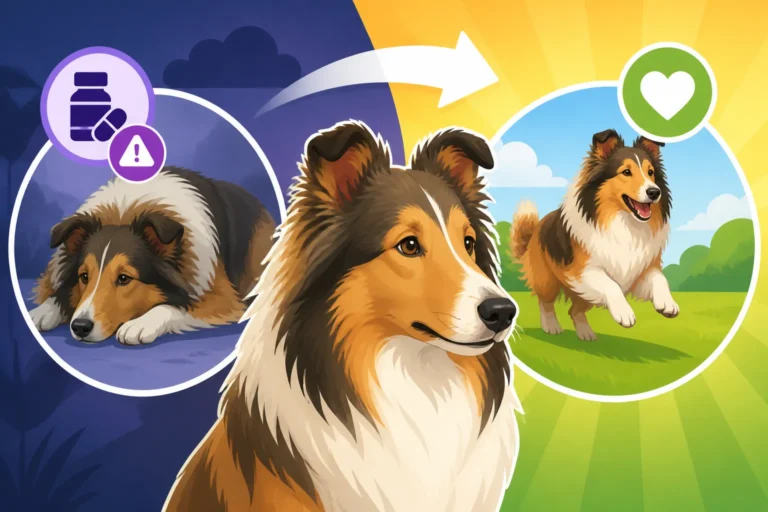
For instance, the Multidrug Sensitivity (MDR1) mutation is a classic example. This gene defect impacts how certain drugs are processed, and a simple DNA test can tell you if your Collie is at risk for severe reactions to common medications. Knowing your dog's MDR1 status, which you can learn more about in "Assume Your Collie Has the MDR1 Mutation," is absolutely critical for their safety, as it dictates a crucial drug list that must be avoided. Similarly, DNA tests for conditions like Degenerative Myelopathy (DM), a debilitating neurological disease, offer a clear-cut result regarding a dog's genetic predisposition. These single-gene tests are usually very reliable because they're looking for a specific, identifiable change.
Where DNA Testing Falls Short
While some conditions are straightforward to test for, the reality is that many health issues, even those with a genetic component, are far more complex. It's not always a single gene responsible, and this is where the limitations of current DNA testing become apparent.
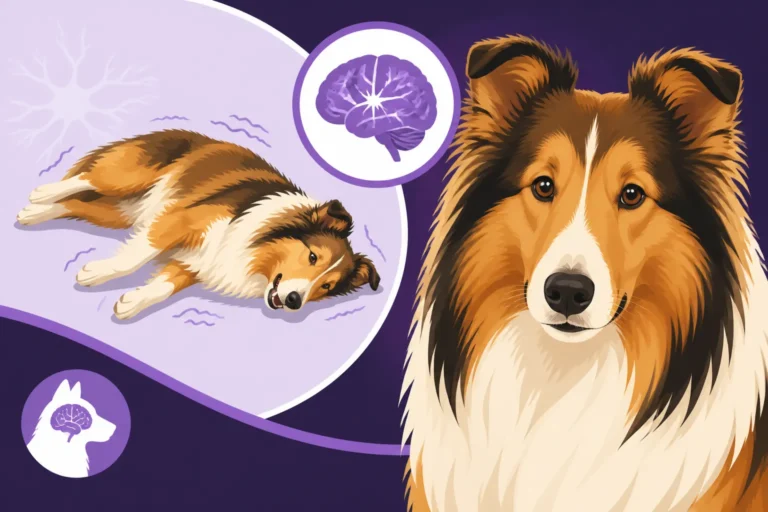
Many traits and diseases are polygenic, meaning they are influenced by multiple genes working together, often in combination with environmental factors. Think of something like hip dysplasia, which is common in many large breeds, including Collies. While there might be genes that increase susceptibility, it's not a simple case of one "bad" gene leading directly to the condition. This complexity makes it incredibly difficult, if not impossible with current technology, to create a single DNA test that can definitively predict whether a dog will develop a polygenic disease. Environmental factors like diet, exercise, and injury play a significant role alongside genetics, further complicating prediction. So, while you might hear about certain genes being linked to hip quality, there isn't one "hip dysplasia DNA test" that acts like an MDR1 test. Similarly, conditions like epilepsy in Collies, which you can learn more about in "Epilepsy in the Collie," are often complex, with multiple genetic markers and environmental triggers still being researched.
Beyond the Lab: The Need for Comprehensive Health Screening
Relying solely on DNA tests for your Collie's health assessment would be a disservice to your dog. While DNA tests are powerful tools, they are just one piece of a much larger puzzle. Many critical health conditions require hands-on veterinary examinations and specialized screenings that look at the physical manifestation of health, not just the genetic blueprint.
Clinical Evaluations for Certain Conditions
Some of the most prevalent Collie health concerns, despite having a strong genetic basis, cannot be fully or reliably diagnosed by a DNA test alone. These conditions require direct examination by a veterinary specialist.
Collie Eye Anomaly (CEA) is a prime example. While there is a DNA test for a part of the CEA spectrum (specifically Choroidal Hypoplasia, or CH), it doesn't cover the full range of potential eye anomalies that fall under the CEA umbrella. Conditions like colobomas or retinal detachment, which are part of CEA, cannot be fully predicted or diagnosed by the current DNA test. This is why every Collie puppy, regardless of their DNA status for CH, needs a comprehensive eye examination by a board-certified veterinary ophthalmologist between five and seven weeks of age. This specific timing is crucial, as you'd discover in "Why a Collie Puppy Is Eye Checked at Five to Seven Weeks," because the tapetum lucidum develops around this time, making a clear diagnosis possible before structural changes obscure the view. What a "Go Normal" result truly means in a Collie's eye exam is a nuanced topic that these clinical evaluations address. A puppy that tests genetically clear for CH can still have other manifestations of CEA, so the eye exam remains indispensable.
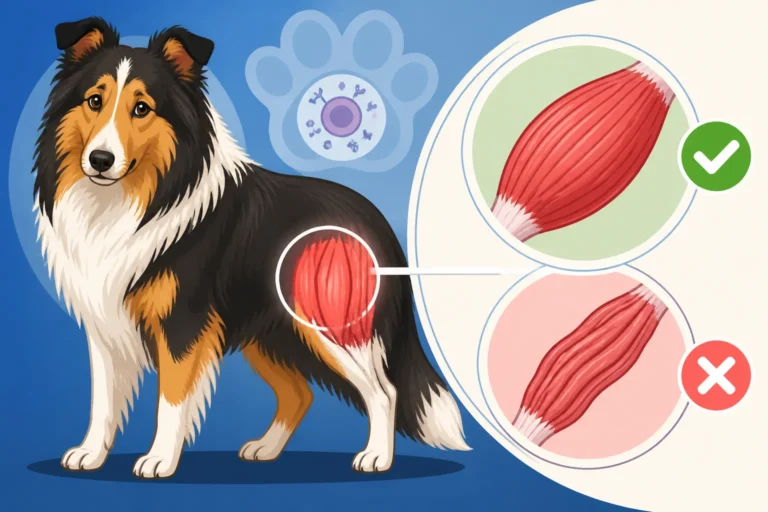
Another condition, Dermatomyositis (DMS), impacts a Collie's skin and muscle. While a genetic risk panel for DMS exists, as detailed in "Dermatomyositis and the Collie Risk Panel," it assesses risk factors based on a combination of genes, not a definitive diagnosis of the disease itself. A Collie with a low-risk genetic profile can still develop DMS, and a Collie with a higher risk profile might never show symptoms. The actual diagnosis comes from observing clinical signs, skin biopsies, and veterinary assessment, not just a DNA test.
The Importance of Orthopedic and Cardiac Screenings
Beyond the eyes and skin, other major health concerns in Collies, particularly those related to structure, rely heavily on specialized clinical evaluations.
Orthopedic issues like hip dysplasia are evaluated through X-rays and certified by organizations like the Orthopedic Foundation for Animals (OFA) or PennHIP. These screenings assess the physical structure of the hip joints, providing a grade that indicates the likelihood of developing arthritis or other problems. No current DNA test can replace the detail and prognostic value of these radiographic evaluations. Even if genetic markers associated with hip health are identified in the future, the physical assessment will likely remain paramount. Understanding hip dysplasia in a Collie involves looking at both genetic predisposition and environmental factors, making clinical screening a cornerstone of responsible breeding and ownership.
Similarly, while Collies are generally considered a healthy breed cardiac-wise, screening for any potential heart issues typically involves physical exams, auscultation (listening to the heart), and sometimes an echocardiogram performed by a veterinary cardiologist. These tests assess the actual function and structure of the heart, looking for murmurs, valve abnormalities, or other issues. DNA tests for specific inherited cardiac conditions might exist for other breeds, but for Collies, comprehensive cardiac screening remains primarily clinical.
Here's a quick overview of some key Collie health screenings:
| Condition | Primary Diagnostic Method | DNA Test Available? | Specific Limitations/Notes |
|---|---|---|---|
| MDR1 Mutation | DNA Test | Yes | Highly accurate for drug sensitivity. Does not predict other health issues. Crucial for medication management. |
| Collie Eye Anomaly (CEA) | Clinical Eye Exam (Ophthalmologist) | Yes (for CH) | DNA test only covers Choroidal Hypoplasia (CH), one component of CEA. Other severe forms (coloboma, retinal detachment) require a clinical exam to diagnose. A genetically "clear" Collie can still have other forms of CEA. |
| Dermatomyositis (DMS) | Clinical Exam & Skin Biopsy | Yes (Risk Panel) | DNA test identifies risk factors (low, medium, high), not a definitive diagnosis. Environmental factors and other genes play a role. Clinical signs and biopsy confirm the disease. You might want to explore "How Dermatomyositis Risk Is Scored in a Collie" for more details. |
| Degenerative Myelopathy (DM) | DNA Test (prevalence is low in Collies) | Yes | Highly accurate for genetic predisposition. Clinical signs appear later in life. |
| Hip Dysplasia | Radiographic Evaluation (OFA/PennHIP) | No (polygenic) | No single DNA test. Relies on X-rays to assess joint structure. Environmental factors also play a large role. |
| Epilepsy | Clinical Diagnosis,排除其他病因 | No (polygenic) | No definitive DNA test due to polygenic nature. Diagnosis involves ruling out other causes of seizures, as outlined in "The Age Epilepsy Starts in a Collie." |
The Breeder's Role and Your Responsibility as an Owner
Understanding the strengths and weaknesses of DNA testing isn't just academic; it directly impacts how you choose a breeder and how you care for your Collie throughout their life. Responsible breeding is a multi-faceted endeavor that combines genetic wisdom with traditional veterinary best practices.
Choosing a Breeder Who Goes the Extra Mile
A truly responsible Collie breeder doesn't just run a few DNA tests and call it a day. They understand the limitations and go the extra mile to ensure the health of their lines. This means they will conduct a full suite of health screenings, not just those covered by DNA. When evaluating a potential breeder, always ask to see documentation for all health clearances, including:
- OFA certifications for hips and elbows (while hips are more common in Collies, elbows are also sometimes screened).
- CERF/OFA eye exams performed by a board-certified veterinary ophthalmologist for CEA and other eye conditions, with annual re-checks for breeding dogs. You can dive deeper into "Whether a CERF or OFA Eye Exam Suits a Collie" for more context.
- Thyroid testing (often annual).
- Cardiac evaluations (physical exams, sometimes echocardiograms).
- DNA panel results from reputable labs like Optimal Selection or Embark, covering MDR1, DM, and other relevant conditions as part of "What the Collie DNA Health Panel Covers."
A breeder should be transparent and willing to discuss any "carrier" status their breeding dogs might have, explaining how they manage breeding decisions to avoid producing affected puppies. For instance, knowing that one copy of MDR1 is enough to cause issues in some situations is key, which is discussed in "Whether One Copy of MDR1 Is Enough to Harm a Collie." They should also be well-versed in the specific health concerns of the breed and be able to articulate their proactive steps in addressing them.
The "Clear by Parentage" Conundrum
You might encounter the term "clear by parentage" when looking at a puppy's health information. This means that if both parents have been DNA tested and are clear for a specific recessive genetic condition, their offspring are also presumed clear without needing their own test. While this can be a convenient shortcut, it's not without its risks. Errors can occur, such as a mix-up in samples, inaccurate parentage records, or even the rare de novo mutation (a new mutation not present in the parents).
Reputable breeders often DNA test every puppy or at least one parent, even if "clear by parentage" is technically possible, especially for critical genes like MDR1. It's an additional layer of security that provides definitive proof for each individual dog. As an owner, if your puppy is listed as "clear by parentage" for a crucial condition like MDR1, it's always worth discussing with your veterinarian whether individual testing for your dog is advisable for absolute certainty. After all, your dog's safety is paramount, and it's a small investment for massive peace of mind, especially when considering "What an MDR1 Test Costs for a Collie."
Your Ongoing Role in Your Collie's Health
Even with the most thorough genetic testing and responsible breeding, your journey as a Collie owner involves ongoing vigilance and proactive care. Regular veterinary check-ups are essential, allowing your vet to monitor for any developing health issues that DNA tests don't cover or that may arise later in life. This includes routine bloodwork, dental care, and monitoring for subtle changes in behavior or physical condition.
Moreover, if your Collie does develop a health condition that wasn't covered by DNA testing or wasn't fully predictable, being prepared financially is crucial. Veterinary care can be expensive, particularly for specialized diagnostics or long-term management of chronic conditions. This is where pet insurance can be an invaluable resource. Companies like Healthy Paws offer comprehensive plans that can help alleviate the financial burden of unexpected illnesses or accidents, ensuring you can always provide the best possible care for your dog without hesitation. Even the most careful planning cannot anticipate every single health curveball, making a robust pet insurance policy a wise investment for many Collie families.
The Future of Genetic Testing and Research
The field of canine genetics is constantly evolving. What seems impossible today might be routine tomorrow. Researchers are continually identifying new genetic markers and developing more sophisticated tests, striving to better understand complex, polygenic diseases.
Organizations like the Collie Health Foundation play a critical role in funding this research, supporting studies into conditions like epilepsy, cancer, and autoimmune diseases in Collies. As owners, staying informed about these advancements is important, as it helps us advocate for our dogs and make the best decisions regarding their care. While the DNA test may not catch every affected Collie today, the commitment to scientific discovery promises a future with even more precise tools for diagnosis and prevention, ultimately enhancing the health and longevity of this beloved breed.
Conclusion
In short, no, a DNA test alone does not catch every affected Collie, nor does it predict every potential health issue. While DNA testing is an incredibly valuable tool for identifying specific, single-gene disorders like MDR1, it has inherent limitations when it comes to polygenic diseases, environmental factors, and the full spectrum of conditions like CEA or DMS.
Responsible Collie ownership and breeding involve a multi-pronged approach: utilizing available DNA tests, performing comprehensive clinical health screenings (eyes, hips, heart), choosing a transparent breeder, and maintaining ongoing veterinary care throughout your Collie's life. By combining these efforts, you significantly increase the chances of raising a healthy, happy Collie, ready to live a full and vibrant life by your side.
Disclaimer
Please remember that the information provided in this guide is for general educational purposes only and should not be considered a substitute for professional veterinary advice. Always consult with a qualified veterinarian or specialist for any health concerns or before making any decisions about your Collie's care or breeding program.