Whether a Collie’s Thyroid Should Be Tested Yearly
It’s incredibly worrying when you start to notice subtle changes in your beloved Collie, isn't it? One day they seem a little less enthusiastic, perhaps their beautiful coat isn't quite as lustrous, or they seem to pack on a few extra pounds despite no change in diet. These vague symptoms often leave us scratching our heads and wondering if it's just a normal part of aging or something more serious lurking beneath the surface. For Collies, a common concern that can manifest with these kinds of signs is hypothyroidism, a condition where their thyroid gland isn't producing enough hormones. This guide will delve deep into whether annual thyroid testing is a necessary part of your Collie's preventative care, helping you understand the nuances of this breed-specific health consideration.
Understanding Hypothyroidism in Our Collies
Hypothyroidism is a condition where the thyroid gland, located in your dog's neck, doesn't produce enough thyroid hormones. These hormones are absolutely crucial; they regulate metabolism, influence growth, and play a role in nearly every organ system in the body. When they're in short supply, it can throw everything out of whack, leading to a host of often non-specific and frustrating symptoms.
Why Collies Are Particularly Susceptible
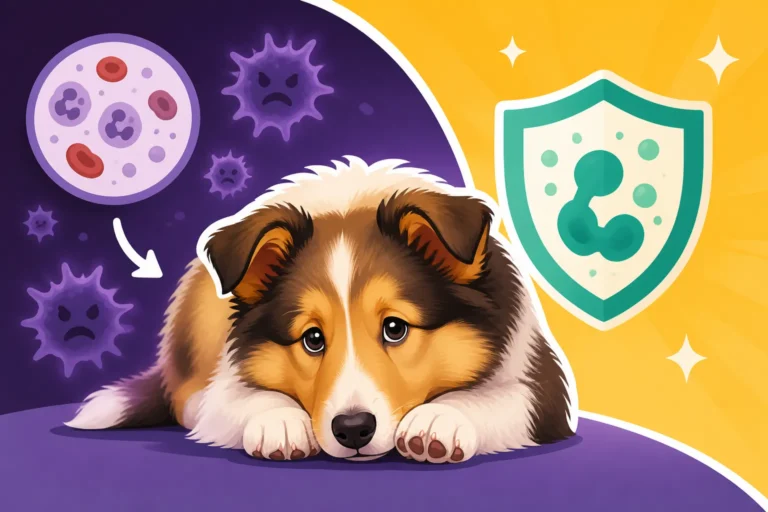
While any dog can develop hypothyroidism, Collies, much like Golden Retrievers, Doberman Pinschers, and Irish Setters, are among the breeds genetically predisposed to an autoimmune form of the disease. This means their own immune system mistakenly attacks and destroys the thyroid gland over time. It's not something that happens overnight, but rather a gradual process that can begin long before clinical signs become obvious. This breed-specific predisposition is why we, as Collie owners, need to be particularly vigilant and informed about thyroid health. Understanding this underlying genetic tendency helps us appreciate why proactive screening might be a worthwhile conversation with our vets.
Recognizing the Subtle Signs of Low Thyroid Function
The insidious nature of hypothyroidism is that its symptoms can be incredibly vague and often mimic other, less serious conditions or simply be attributed to getting older. You might notice your Collie becoming less energetic, perhaps more prone to napping than playing, even if they usually have plenty of get-up-and-go. Weight gain is a classic sign, often happening even if their food intake hasn't changed.
Then there are the coat and skin changes. Instead of that glorious, thick Collie coat, you might see thinning, especially on the flanks, or a dull, dry, brittle texture. Some Collies develop "rat tail," where the hair on the tail thins significantly. Skin issues like excessive dandruff, recurrent infections, or increased pigmentation can also be indicators. Less commonly, but still important to be aware of, are neurological signs like weakness or even facial paralysis in severe, untreated cases. Because these signs are so varied and subtle, and can progress slowly, it’s easy to dismiss them until the condition is quite advanced. It's truly a silent thief of vitality. If you’re ever wondering if your Collie is showing Signs a Collie's Thyroid Is Low, it’s always best to consult your veterinarian.
The Case for Routine Thyroid Screening
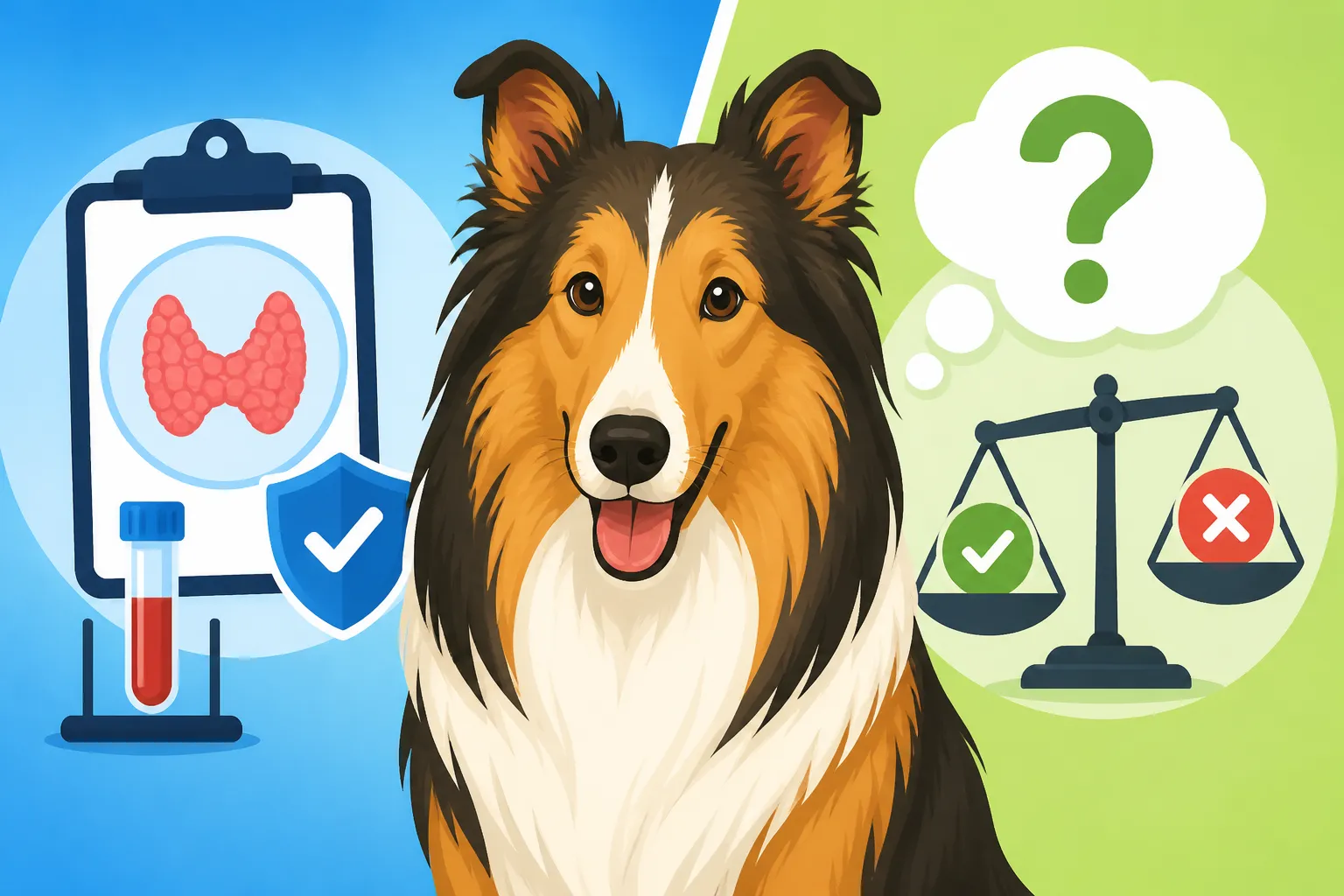
Now, to the million-dollar question: should your Collie's thyroid be tested yearly? The answer isn't a simple yes or no for every dog, but for Collies, there's a strong argument for proactive screening, especially at certain life stages or if specific risk factors are present.
Benefits of Early Detection
The primary benefit of routine thyroid screening, particularly in a predisposed breed like the Collie, is early detection. Imagine catching the disease when your dog is just starting to show subtle changes, or even before they're symptomatic. This means you can begin treatment sooner, potentially preventing more severe symptoms from developing and allowing your Collie to maintain a much better quality of life for longer. Untreated hypothyroidism can lead to a host of problems beyond the cosmetic or metabolic, including cardiac issues, reproductive problems, and even mental dullness.
For a breed celebrated for its intelligence and sensitive nature, maintaining their sharp mind and comfortable body is paramount. Early detection also means less time suffering through confusing, debilitating symptoms, and less time for owners to worry and guess. A baseline test in a young adult Collie (around 2-3 years old) can be incredibly valuable. This gives your vet a "normal" range specific to your dog, making it easier to spot deviations as they age.
Age and Risk Factors: When to Be Most Vigilant
While a baseline test is good for most Collies, annual testing truly becomes more compelling as your Collie enters middle age and senior years. For many Collies, this might be around The Age a Collie Is Considered Senior, typically starting around seven or eight years old. Just like in people, the risk of developing hormonal imbalances tends to increase with age.
If your Collie has a known family history of hypothyroidism, or if they're exhibiting even the mildest, non-specific symptoms mentioned earlier (lethargy, weight gain, coat changes), then annual or even bi-annual testing becomes a much stronger recommendation. Furthermore, if your Collie has other autoimmune diseases, such as certain skin conditions or diabetes, they might be at an even higher risk for developing hypothyroidism, making regular screening crucial. Don't forget, managing a senior Collie's health proactively is key to their comfort, and this includes Caring for a Collie Past Nine.
Cost Considerations for Testing and Treatment
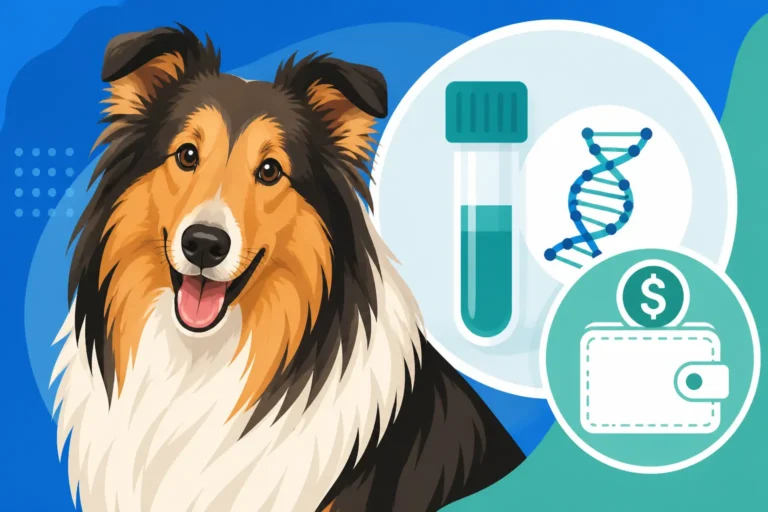
It's natural to worry about the financial aspect of veterinary care, and indeed, a full thyroid panel can add to your vet bill. However, consider the alternative: letting a treatable condition go undiagnosed and allowing your Collie's health to deteriorate. The cost of managing advanced symptoms, repeated vet visits to diagnose a confusing constellation of issues, and potential complications often far outweighs the cost of routine screening and early treatment.
When hypothyroidism is diagnosed, treatment typically involves lifelong daily medication, usually a synthetic thyroid hormone like levothyroxine. While the daily cost of this medication is generally quite affordable, it is an ongoing expense. Having a comprehensive pet insurance plan, like one from Healthy Paws, can be incredibly helpful in managing the costs of diagnostics and ongoing medication for chronic conditions like hypothyroidism, ensuring you can make decisions based on your Collie's health, not just your wallet. This financial safety net can make a world of difference.
What a Thyroid Test Involves for Your Collie
Getting your Collie's thyroid tested is a relatively straightforward process, typically involving a simple blood draw. However, understanding the different components of the test can help you have a more informed conversation with your veterinarian.
The Different Facets of Thyroid Assessment
A basic thyroid screening usually starts with measuring the total T4 (Thyroxine) level. T4 is the main hormone produced by the thyroid gland. However, a low T4 can sometimes be influenced by other illnesses or medications, so it's not always the complete picture on its own. For a more accurate diagnosis, especially in a breed like the Collie where genetic predispositions are known, your vet might recommend a full thyroid panel. This typically includes:
- Total T4 (TT4): Measures the total amount of T4 in the blood, both bound and unbound to proteins.
- Free T4 (fT4): Measures only the unbound, biologically active form of T4. This is often a more accurate indicator and less affected by non-thyroidal illnesses.
- TSH (Thyroid Stimulating Hormone): Produced by the pituitary gland, TSH stimulates the thyroid to produce T4. In hypothyroid dogs, TSH levels are often high because the pituitary is trying to 'kickstart' a failing thyroid.
- Thyroglobulin Autoantibodies (TgAA): This test specifically looks for antibodies that attack the thyroid gland. A positive result indicates an autoimmune thyroiditis, which is the most common cause of hypothyroidism in Collies. This is a crucial test for breed-predisposed dogs.
By evaluating these different values together, your veterinarian can get a comprehensive picture of your Collie's thyroid function and accurately diagnose or rule out hypothyroidism. This thorough approach is often the best way to get to the bottom of those subtle symptoms.
The Process: From Blood Draw to Results
The actual testing process is quite simple for your Collie. It typically involves:
- Fasting: Your vet might recommend that your Collie fast for 8-12 hours before the blood draw, as some food components can temporarily affect T4 levels.
- Blood Draw: A small blood sample is taken, usually from a leg vein. This is quick and generally well-tolerated by most Collies.
- Lab Analysis: The sample is sent to a veterinary reference laboratory for analysis. Results are usually available within a few days to a week, depending on the lab and the specific tests ordered.
It's important to discuss any medications your Collie is currently taking with your vet, as some drugs can interfere with thyroid test results. For example, certain steroids or anti-inflammatory drugs can temporarily lower T4 levels, potentially leading to a misdiagnosis. Always provide a complete medical history to ensure the most accurate interpretation of the results. The What a Collie's Bloodwork Costs can vary, but it's an essential diagnostic tool.
Interpreting Results and Ongoing Management
Receiving your Collie's thyroid test results can bring a mixture of relief or concern. Understanding what those numbers mean and what comes next is vital for your dog's long-term health.
What Constitutes "Normal" and "Abnormal"
Veterinary laboratories provide reference ranges for each thyroid hormone. These ranges represent what is considered "normal" for most healthy dogs. However, interpreting these results requires a skilled veterinarian, as a Collie's specific breed predispositions and individual health status need to be factored in. For example, a result that is technically within the low end of "normal" for a typical dog might be considered suspicious for a Collie showing symptoms.
- Low T4/fT4 with High TSH: This is the classic indicator of primary hypothyroidism. It means the thyroid gland itself isn't producing enough hormones, and the pituitary gland is working overtime trying to stimulate it.
- Low T4/fT4 with Normal TSH: This could indicate secondary hypothyroidism (a problem with the pituitary gland, which is rare) or more commonly, "euthyroid sick syndrome," where an illness unrelated to the thyroid temporarily suppresses thyroid hormone levels. This is why a full panel and clinical signs are so important.
- Positive TgAA: Even if T4/fT4 levels are still normal, a positive TgAA indicates that the immune system is attacking the thyroid. This often means your Collie is in the early stages of autoimmune thyroiditis and will likely develop full-blown hypothyroidism in the future. In these cases, your vet might recommend monitoring more closely.
Treatment and Long-Term Outlook
If your Collie is diagnosed with hypothyroidism, the good news is that it is a very manageable condition with appropriate treatment. The standard treatment is lifelong oral administration of synthetic thyroid hormone (levothyroxine). Your vet will determine the correct dosage based on your Collie's weight and the severity of their condition.
It’s truly remarkable how quickly dogs can improve once treatment begins. Owners often report seeing a noticeable difference in energy levels within a few weeks, and coat quality gradually improves over a few months. That dull, sparse coat, perhaps even with patches of Whether a Hypothyroid Collie Loses Coat, will often grow back thicker and shinier.
After starting medication, your Collie will need retesting after 4-8 weeks to ensure the dosage is correct and their hormone levels are within the therapeutic range. Once stable, most Collies will need blood work once or twice a year to monitor their levels and adjust medication as needed. It's a commitment, but a small one for the profound improvement in your Collie's health and happiness. With consistent care and communication with your veterinarian, a hypothyroid Collie can live a full, vibrant life.
Comparison of Thyroid Testing Scenarios
Here's a quick look at common scenarios and corresponding testing recommendations for Collies:
| Collie's Age/Condition | Recommended Testing Frequency | Rationale |
|---|---|---|
| Young Adult (2-4 years) | Baseline full thyroid panel (TT4, fT4, TSH, TgAA) | Establishes individual normal range; identifies early autoimmune disease before symptoms appear. |
| Middle-Aged (5-7 years) | Annually, especially if predisposed or family history | Increased risk of developing disease with age; early detection prevents advanced symptoms. |
| Senior (8+ years) | Annually or bi-annually | Highest risk group; symptoms often mimic aging; crucial for maintaining quality of life. |
| Exhibiting Subtle Symptoms | Immediately, with full thyroid panel | Rule out hypothyroidism as a cause for unexplained lethargy, weight gain, or coat changes. |
| Diagnosed & Stable | Every 6-12 months (as advised by vet) | Monitor medication efficacy and adjust dosage as metabolic needs change over time. |
| On Other Medications | Consider re-testing after medication changes or if new symptoms arise | Some medications can affect thyroid levels, requiring careful monitoring. |
Remember, this table is a general guide. Your veterinarian is the best resource for tailoring a testing schedule to your individual Collie's needs.
Hypothyroidism is one of the more common and manageable health challenges in Collies, and being proactive about testing can make a world of difference. While not every Collie must be tested yearly, understanding the breed's genetic predisposition and knowing when to advocate for screening can ensure your furry family member enjoys the longest, healthiest life possible. Discuss these insights with your vet, especially if you're concerned about other breed-specific issues like Dermatomyositis and the Collie Risk Panel or if you're reviewing their The Three Genetic Tests a Collie Breeder Owes You. Regular check-ups are also crucial for general health, and your vet will often perform Whether a Collie's Thyroid Should Be Tested Yearly as part of a routine senior panel.
Disclaimer
The information provided in this guide is intended for educational purposes only and should not be considered a substitute for professional veterinary advice. Always consult with a qualified veterinarian regarding any health concerns or before making any decisions about your Collie's medical care.