The Age Gray Collie Syndrome Shows in a Puppy
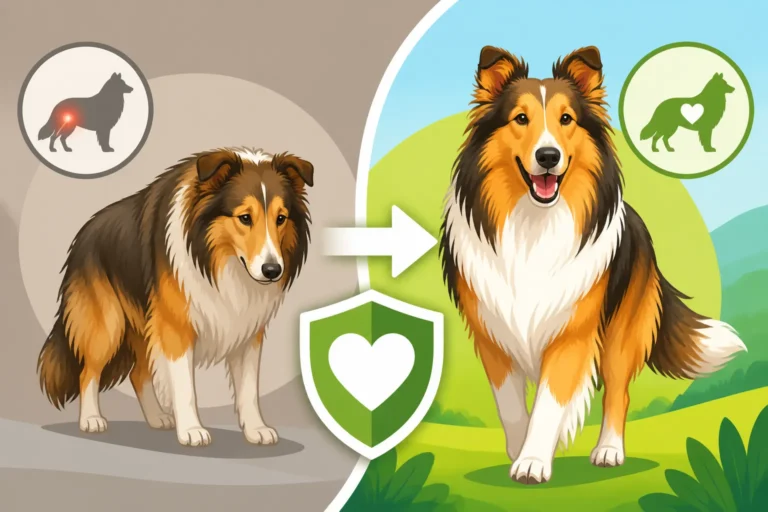
Few things are more heartbreaking than watching a puppy struggle, especially when you’ve brought them home full of dreams and expectation. When a young Collie starts showing signs of illness, it's natural to feel a knot of dread, and for those rare cases involving Gray Collie Syndrome (GCS), the early weeks are a critical period where subtle clues can quickly escalate into serious concerns. This guide will walk you through when you can expect to see symptoms of Gray Collie Syndrome in a puppy, how to recognize those vital early signs, and what it means for their care.
Understanding Gray Collie Syndrome: A Unique Challenge
Gray Collie Syndrome, also known as Cyclic Neutropenia, is a severe genetic disorder that almost exclusively affects Collies. It's a condition that strikes at the very core of a puppy's immune system, leaving them incredibly vulnerable to infections that a healthy dog would easily fight off. As a Collie owner, especially if you're looking at a silver-gray puppy, understanding this condition is paramount.
The Genetic Basis of Cyclic Neutropenia
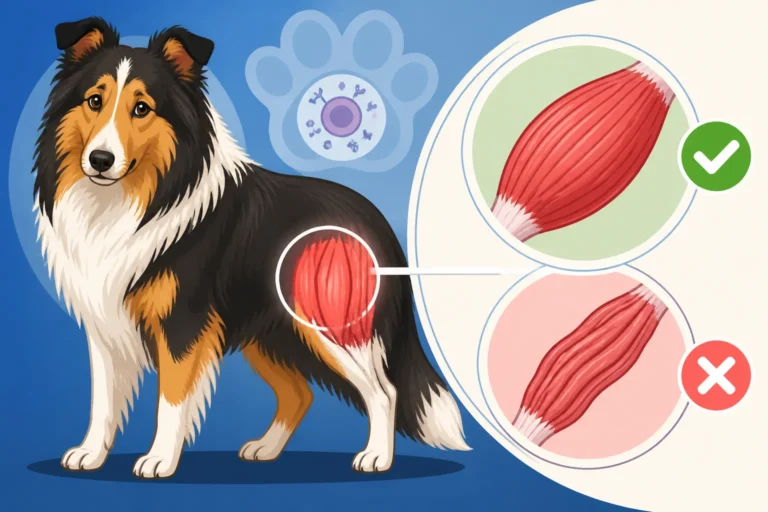
At its heart, Gray Collie Syndrome is a blood disorder. It's caused by an autosomal recessive gene mutation. What does that mean for you and your puppy? It means that for a puppy to be affected, they must inherit a copy of the mutated gene from both parents. If a puppy inherits only one copy, they are considered a carrier but will not show symptoms themselves. This is why responsible breeders strive to understand their dogs' genetic backgrounds and test them. The gene responsible for this condition impacts the production of neutrophils, a crucial type of white blood cell that acts as the first line of defense against bacterial and fungal infections. When these neutrophils aren't produced effectively, or their numbers fluctuate wildly, the body simply can't mount a proper immune response. This cyclical nature of neutrophil production is key to understanding What Cyclic Neutropenia Does to a Collie Puppy. Without adequate numbers of these essential cells, even minor scrapes or common bacteria can lead to life-threatening illnesses. It's a terrifying reality, knowing your puppy's own body can't protect itself.
Why It's Called "Gray" Collie Syndrome
The "gray" in Gray Collie Syndrome isn't just a coincidence; it's often one of the first visual cues, albeit not always present or definitive. Affected puppies frequently have a diluted, silver-gray coat color, even if they would otherwise be tricolor or sable merle. This dilute pigmentation extends to their nose leather, paw pads, and eyelids, which often appear paler or grayish instead of the typical black. It's an interesting visual marker, but it's vital to remember that not all silver-gray puppies have GCS, and conversely, a puppy with GCS might not be overtly "silver" depending on their base color genetics. The dilution is a secondary effect of the same genetic mutation that causes the cyclic neutropenia, affecting pigment cells in a similar manner to how it affects white blood cells. If you've ever wondered Why Gray Collie Syndrome Puppies Are Silver, this connection to the underlying genetic flaw offers a deeper understanding beyond just the pretty color.
The Critical Window: When Symptoms Emerge in Puppies
This is the question that weighs heavily on the hearts of new Collie owners: when exactly does Gray Collie Syndrome reveal itself? The unfortunate truth is that this condition typically becomes apparent very early in a puppy's life, usually within their first few weeks or months. This means that if you're bringing a GCS-affected puppy home, you'll likely start seeing worrying signs relatively quickly.
Early Weeks: Subtle Clues and False Starts
In the first few weeks of life, a Gray Collie Syndrome puppy might seem relatively normal. They nurse, they play, they grow. However, even during this early period, there can be subtle signs that something isn't quite right. They might be slightly smaller than their littermates, or perhaps a little less vigorous. Some owners report a general "delicate" feeling about the puppy, or they may notice their coat has that distinctive silvery sheen mentioned earlier. The critical issue is that their neutrophil counts are already cycling, meaning they have periods where their immune system is severely compromised. This leads to recurrent infections that can start even before they leave their mother.
A puppy might experience mild fevers, lethargy, or a decreased appetite that resolves on its own, only to reappear a few days or a week later. These cyclical patterns are the hallmark of the disease. It’s not a constant state of illness, which can make diagnosis tricky for inexperienced vets or owners who attribute mild, transient symptoms to normal puppy quirks or a "bad day." The key is the recurrent nature of these seemingly minor health issues. This can be incredibly frustrating, as you desperately want to believe your puppy is just going through a growth spurt or adjusting to new surroundings, but the pattern of on-again, off-again sickness is a huge red flag.
Peak Onset: The 8-12 Week Critical Period
The most common age for overt and undeniable symptoms of Gray Collie Syndrome to appear is typically between 8 to 12 weeks of age. This timeframe coincides with the natural decline of maternal antibodies that protected the puppy in their earliest days, leaving their compromised immune system fully exposed. It's also often around the time puppies are going to their new homes, making it even more stressful for new families. During this critical window, the infections become more frequent, more severe, and less likely to resolve without intervention.
This is when you'll start seeing classic signs like persistent fevers that spike and recede, digestive issues leading to diarrhea or vomiting, and recurrent respiratory infections causing coughing or nasal discharge. The puppy will often be lethargic, unwilling to play, and might have a noticeably poor appetite. They might even develop skin infections or infections in their joints. At this point, the cyclical nature of their white blood cell count truly manifests in their overall health, often requiring urgent veterinary attention. If you notice these issues, especially in a silver-gray Collie puppy, it's absolutely crucial to seek veterinary care immediately and specifically mention Gray Collie Syndrome as a possibility, as it's a rare condition many general practitioners might not initially consider. Early detection and aggressive management are vital, though the prognosis remains challenging.
Recognizing the Red Flags and Progression
Once symptoms begin to appear, typically around that 8-12 week mark, the progression of Gray Collie Syndrome can be relentless without careful management. The cyclical nature of the disease means that an affected puppy will experience periods of severe vulnerability to infection, followed by short, often deceptive, periods of improvement.
Cyclical Fevers and Relentless Infections
The defining characteristic of Gray Collie Syndrome is its cyclic nature. A puppy's neutrophil count will drop drastically for a few days, usually every 10-14 days. During these dips, the puppy is acutely ill, suffering from high fevers, extreme lethargy, loss of appetite, and often painful infections. These infections can manifest in various ways:
- Respiratory Infections: Persistent coughs, runny noses, difficulty breathing, pneumonia.
- Gastrointestinal Issues: Severe diarrhea, vomiting, abdominal pain, often leading to rapid dehydration.
- Skin Infections: Pus-filled sores, abscesses, or generalized skin inflammation.
- Joint Infections: Lameness, swelling, and pain in their limbs.
- Oral Health Problems: Gingivitis and inflammation of the mouth, making eating even more difficult.
What makes this particularly difficult for owners is that during the periods when their neutrophil count is higher, the puppy might seem to bounce back, showing renewed energy and appetite. This can create a false sense of hope, leading owners to believe the worst has passed, only for the puppy to relapse a week or two later with another severe bout of illness. How Often a Cyclic Neutropenia Collie Gets Infections truly highlights the relentless nature of this struggle. It's a rollercoaster of health crises, and each one takes a toll on the puppy's fragile system and the owner's emotional well-being. Keeping a detailed log of symptoms, energy levels, and appetite can be incredibly helpful for your veterinarian to identify the cyclical pattern.
Physical and Developmental Impact
Beyond the immediate infections, Gray Collie Syndrome has a profound impact on a puppy's overall development. Affected puppies often fail to thrive. Their growth is significantly stunted, meaning they will be noticeably smaller than their healthy littermates, even those of the same sex. This isn't just a temporary delay; it can be a lifelong impact on their size. Whether a Gray Collie Syndrome Puppy Grows Normally is a question many owners ask, and sadly, the answer is often no without intensive intervention.
Their coats might appear dull and sparse, reflecting their chronic health struggles, and their overall body condition will be poor despite efforts to feed them well. Pale mucous membranes (gums, inside of eyelids) can also be a sign of anemia, which can develop secondary to chronic infections or the underlying bone marrow dysfunction. The constant battle against infection diverts vital energy and nutrients away from normal growth and development, leaving them weak and vulnerable. Even their teeth can be affected, with delayed eruption or poor enamel quality. It's a cascade of health issues stemming from a single genetic flaw, and it's physically devastating for the puppy.
Managing and Living with a GCS Diagnosis
Receiving a Gray Collie Syndrome diagnosis for your puppy is devastating. It means facing a future filled with challenges, constant vigilance, and a profound commitment to their care. There's no cure for GCS, but there are ways to manage the condition and improve the puppy's quality of life, though it's never an easy road.
Diagnostic Steps and Prognosis
The diagnosis of Gray Collie Syndrome is typically confirmed through a series of blood tests, specifically complete blood counts (CBCs) taken every few days. This allows the veterinarian to observe the characteristic cyclic dips in neutrophil counts. A genetic test can also confirm the presence of the specific mutation. If GCS is suspected, your vet will likely want to run these tests immediately.
The prognosis for GCS-affected puppies without intensive treatment is unfortunately grim. Many succumb to overwhelming infections within their first few months of life. However, with dedicated and aggressive supportive care, some GCS Collies can survive into adulthood, though their lifespan is generally significantly shorter than that of a healthy Collie. Expecting them to live a full life span like a typical Collie is unrealistic; the goal is to provide comfort and manage the inevitable health challenges. This is why questions like Whether a Gray Collie Syndrome Puppy Survives are met with a cautious, conditional answer – it depends entirely on the level of care they receive and how their individual body responds.
Supportive Care and Owner Commitment
Managing Gray Collie Syndrome requires an extraordinary level of commitment from owners. The cornerstone of treatment involves preventing and aggressively treating infections during the neutropenic cycles. This often includes:
- Prophylactic Antibiotics: Some veterinarians may recommend continuous low-dose antibiotics, or prompt administration at the first sign of illness.
- Granulocyte Colony-Stimulating Factor (G-CSF): This medication can be administered to stimulate the bone marrow to produce more neutrophils, helping to shorten the duration or severity of neutropenic periods. It's a powerful tool but requires careful monitoring.
- Aggressive Treatment of Infections: Any fever, lethargy, or other symptom of illness must be treated immediately with appropriate antibiotics, antifungals, or antivirals. This often means frequent vet visits, and sometimes, emergency hospitalizations. Whether Gray Collie Syndrome Can Be Treated effectively depends on this proactive and rapid response.
- Environmental Management: Keeping the puppy in a meticulously clean environment, minimizing exposure to other sick animals, and avoiding overly stressful situations can help reduce their risk of infection.
The financial and emotional toll of caring for a GCS Collie can be immense. Frequent veterinary visits, specialized medications, and potential emergency care add up quickly. This is where pet insurance can be an absolute lifesaver. Companies like Healthy Paws can help alleviate some of the financial burden, especially for chronic conditions that require ongoing treatment. While GCS might be considered a pre-existing condition if diagnosed before enrollment, a comprehensive plan like those offered by Healthy Paws, if acquired early enough, can provide crucial support for subsequent care. Always check policy details carefully regarding genetic conditions. Understanding What a Collie's Emergency Visit Costs can underscore just how vital good pet insurance or a robust emergency fund is for a GCS puppy. It's a journey filled with ups and downs, but for dedicated owners, providing a loving, comfortable life for their special Collie is a profound act of devotion.
Key Aspects of Gray Collie Syndrome in Puppies
To provide a quick overview of the crucial information regarding Gray Collie Syndrome in puppies, here's a summary of key aspects:
| Aspect | Description |
|---|---|
| Condition Name | Gray Collie Syndrome (GCS) or Canine Cyclic Neutropenia (CCN) |
| Cause | Autosomal recessive genetic mutation affecting neutrophil production. Requires mutated gene from both parents. |
| Typical Onset Age | Overt symptoms most commonly appear between 8 to 12 weeks of age, coinciding with the decline of maternal antibodies. |
| Early Subtle Signs | May include being slightly smaller, less vigorous, or exhibiting the characteristic silver-gray coat, nose, and paw pad pigmentation. Transient fevers or mild lethargy. |
| Key Symptoms | Cyclical fevers, severe lethargy, loss of appetite, recurrent respiratory, gastrointestinal, skin, and joint infections. Puppies "bounce back" only to relapse. |
| Physical Impact | Stunted growth, poor coat quality, pale mucous membranes, failure to thrive. |
| Diagnosis | Confirmed by sequential complete blood counts (CBCs) showing cyclic neutropenia and genetic testing for the specific mutation. |
| Prognosis | Poor without aggressive supportive care. Even with care, lifespan is significantly reduced. |
| Management | Prophylactic antibiotics, G-CSF therapy, immediate and aggressive treatment of infections, meticulous hygiene, and constant owner vigilance. |
| Owner Commitment | Requires extraordinary dedication, financial resources, and emotional resilience due to the chronic and cyclical nature of the illness. Pet insurance (e.g., Healthy Paws) is highly recommended for financial support. |
Caring for a puppy with Gray Collie Syndrome is a monumental undertaking, but with knowledge, preparation, and immense love, you can offer them the best possible chance at a comfortable life. It's crucial for prospective Collie owners to be aware of this rare but serious condition and to ensure breeders perform appropriate genetic testing. What the Collie DNA Health Panel Covers should always be a question asked of a reputable breeder, to help ensure they are doing their part to screen for such devastating conditions.
Disclaimer
This article is intended for informational purposes only and does not constitute veterinary advice. Always consult with a qualified veterinarian for any health concerns or before making any decisions about your pet's care. Genetic conditions like Gray Collie Syndrome require professional diagnosis and management.