What Happens When an MDR1 Collie Gets Ivermectin
It's a fear many Collie owners live with: the horrifying thought of your beloved dog accidentally ingesting a common medication that could turn deadly. The reality is, for a Collie with the MDR1 gene mutation, a drug like Ivermectin isn't just a concern – it's a potential catastrophe. This guide is here to walk you through exactly what happens when an MDR1 Collie encounters Ivermectin, the terrifying symptoms to look for, and, most importantly, how to act swiftly to protect your furry family member.
Understanding the MDR1 Mutation and Ivermectin's Deadly Connection
Let's start by digging into the heart of the problem. Many Collie owners have heard of "MDR1," but truly understanding what it means and why it makes certain drugs so dangerous is crucial. This isn't just a quirky breed trait; it's a profound genetic difference that impacts your Collie's fundamental ability to process medications.
The Genetic Flaw: How MDR1 Affects Drug Metabolism
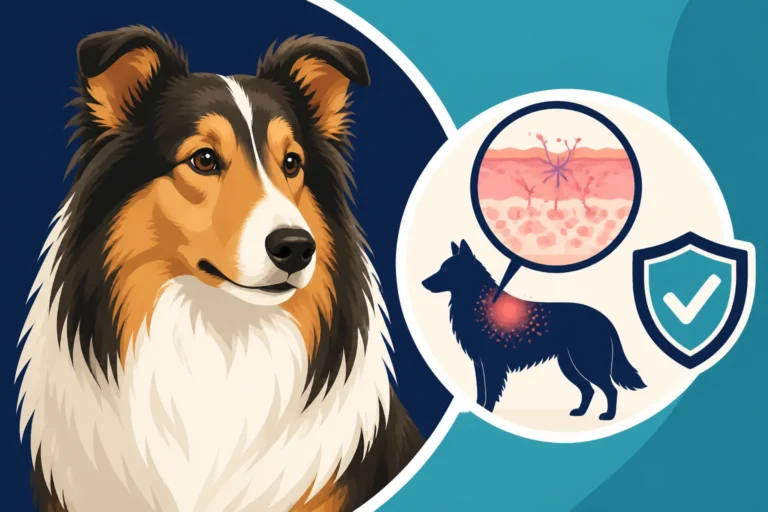
At its core, the MDR1 (Multi-Drug Resistance 1) gene, also known as ABCB1, is responsible for producing a protein called P-glycoprotein. Think of P-glycoprotein as a diligent bouncer at the exclusive club that is your dog's brain. Its job is to pump certain drugs and toxins out of brain cells and other vital organs, essentially maintaining a protective barrier – the blood-brain barrier, specifically. This mechanism prevents these substances from accumulating to toxic levels in sensitive tissues.
Now, here's where the problem arises for our Collies. Due to a specific mutation in this MDR1 gene, many Collies produce a non-functional or poorly functioning P-glycoprotein. This means the bouncer isn't doing its job effectively. When certain drugs, like Ivermectin, enter the bloodstream of an MDR1-affected Collie, they can bypass this compromised barrier and flood into the brain. Instead of being actively transported out, these drugs accumulate, reaching concentrations that become neurotoxic. This isn't just a mild side effect; it's a direct assault on the central nervous system, which controls everything from movement to breathing. It's truly eye-opening to understand What the MDR1 Mutation Actually Does to a Collie on a cellular level.
It’s important to remember that this isn't just a "rough Collie" issue; smooth Collies are equally susceptible. If you're unsure about your dog's status, it's wise to Assume Your Collie Has the MDR1 Mutation until proven otherwise with genetic testing. Even having one copy of the mutated gene can make a difference, so knowing Whether One Copy of MDR1 Is Enough to Harm a Collie is vital information.
Ivermectin: A Common Drug, a Deadly Threat
Ivermectin is a broad-spectrum anti-parasitic drug that's incredibly effective and widely used in veterinary medicine, particularly for preventing heartworm disease and treating various internal and external parasites. For most dog breeds, and even for Collies without the MDR1 mutation, it's a safe and beneficial medication when used at appropriate doses.
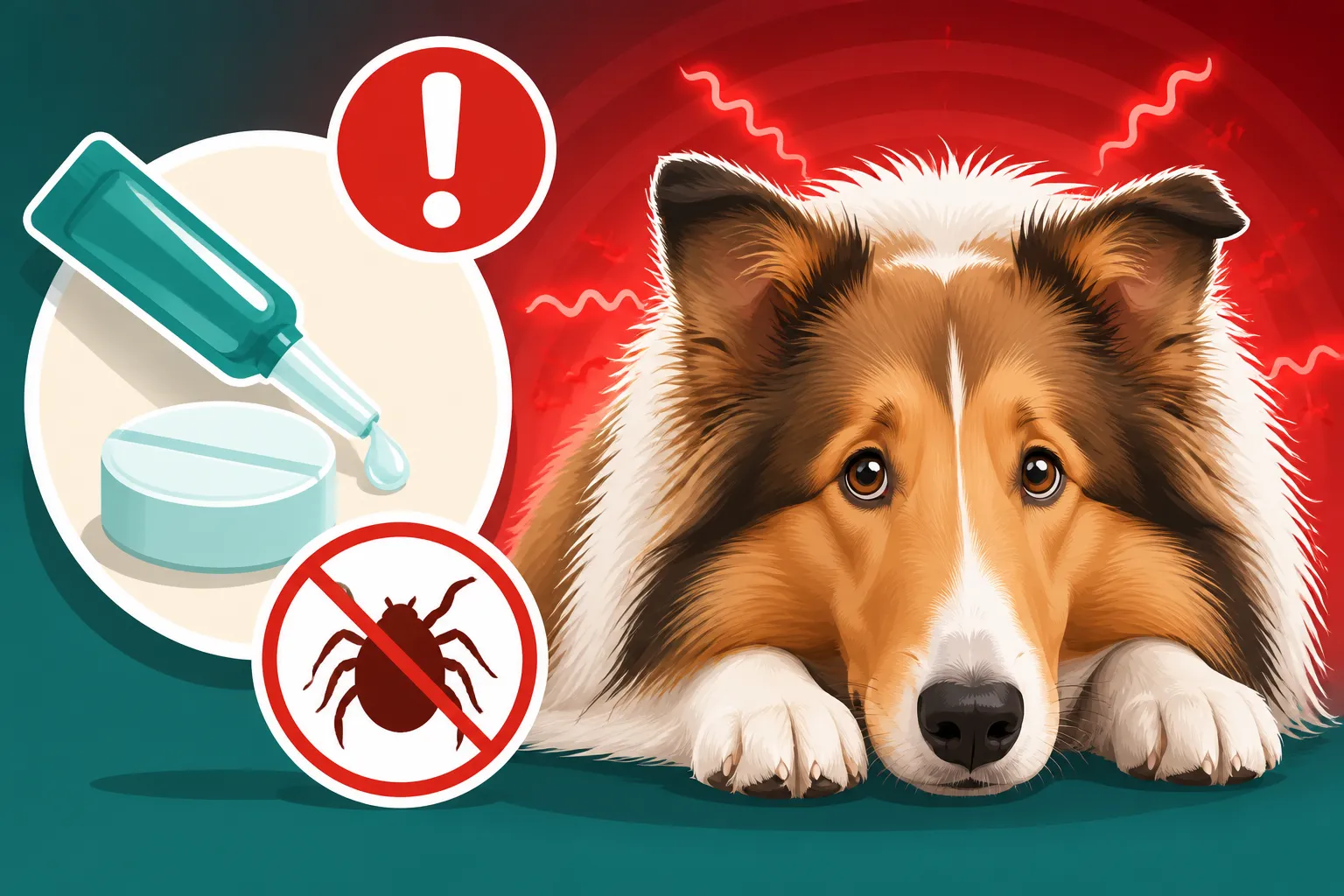
However, for an MDR1-affected Collie, Ivermectin transforms from a helpful medication into a potent neurotoxin. Because the P-glycoprotein pump isn't working correctly, Ivermectin can cross into the brain and accumulate there, disrupting normal brain function. Even what would be considered a minuscule dose for another breed can be devastating for a sensitive Collie. This is why it's at the very top of The Drug List That Can Kill a Collie. Many accidental exposures occur because owners or even veterinary staff are unaware of the specific dangers for Collies, or they might not realize a common product contains Ivermectin.
For instance, livestock dewormers often contain significantly higher concentrations of Ivermectin than veterinary formulations for pets. If a Collie were to get into a tube of cattle dewormer, the outcome could be tragically swift and severe due to the massive dose it would receive. Similarly, some "all-in-one" parasite prevention products might contain Ivermectin or related compounds, making it absolutely essential to scrutinize every label.
Recognizing the Signs of Ivermectin Toxicity in Your Collie
The terrifying thing about Ivermectin toxicity is how quickly symptoms can develop and how severe they can become. Knowing what to look for could be the difference between a scary incident and a tragic loss. You might not have much time, so vigilance is paramount.
Initial Symptoms and Progressive Deterioration
The signs of Ivermectin toxicity can range from mild to life-threatening, and they tend to progress over hours, sometimes days, depending on the dose ingested and the individual Collie's sensitivity. It's not always a sudden collapse; sometimes it begins subtly, making early detection challenging if you're not specifically looking for it.
Early symptoms often include:
- Lethargy and Depression: Your usually active Collie might seem unusually tired, listless, or unresponsive. They might just want to sleep more than usual or seem generally "off."
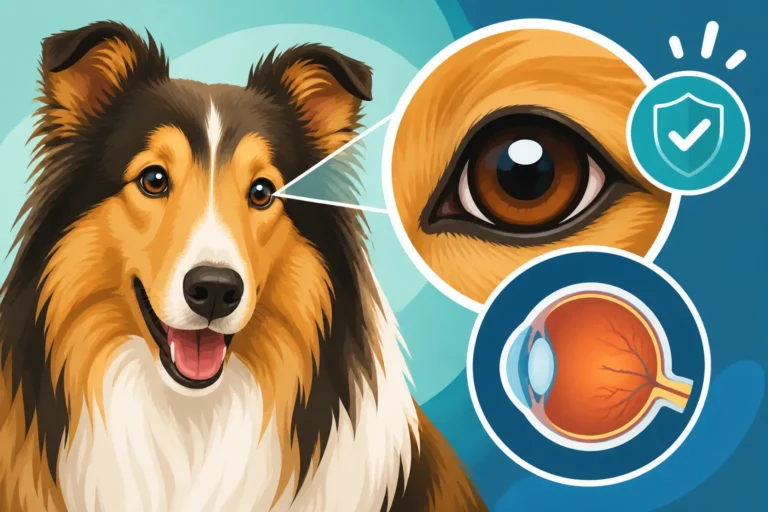
- Dilated Pupils: Their eyes might appear unusually wide, and their pupils might not constrict normally in bright light. This is a subtle but important neurological sign.
- Drooling (Hypersalivation): Excessive drooling, more than what's typical for your dog, can be an indicator of neurological distress.
- Vomiting: While not always present, vomiting can occur as the body tries to rid itself of the toxin.
As toxicity progresses, you might observe:
- Ataxia (Stumbling and Disorientation): This is one of the most classic signs. Your Collie might walk as if they're drunk, swaying, tripping, or having trouble coordinating their movements. They might bump into furniture or struggle with stairs.
- Weakness: Generalized muscle weakness, making it difficult for them to stand or maintain balance.
- Tremors or Shivering: Involuntary muscle contractions can become noticeable.
- Blindness: Temporary or permanent blindness can occur, causing your Collie to navigate hesitantly or crash into objects. This is often unsettling to witness.
- Inappetence: A complete loss of interest in food or water.
In severe cases, the symptoms escalate dramatically:
- Seizures: Uncontrolled electrical activity in the brain can lead to full-blown seizures, which are incredibly distressing to witness.
- Coma: Your Collie may become completely unresponsive, even to painful stimuli.
- Respiratory Depression: The ability to breathe effectively can be compromised, leading to slow, shallow breathing, or even respiratory arrest.
The severity and speed of symptom onset are heavily influenced by the amount of Ivermectin ingested. A very high dose can lead to rapid deterioration, sometimes within minutes to an hour. A lower, but still toxic, dose might see symptoms develop over a few hours. This is why knowing Signs an MDR1 Collie Is Having a Drug Reaction is so important for all Collie owners.
Here's a quick overview of potential symptoms:
| Severity Level | Common Symptoms | Prognosis (with prompt treatment) |
|---|---|---|
| Mild | Lethargy, dilated pupils, mild drooling, slight ataxia | Good, typically full recovery |
| Moderate | Significant ataxia, stumbling, weakness, disorientation, tremors | Fair to good, may require extended hospital stay |
| Severe | Seizures, blindness, coma, respiratory depression | Guarded to poor, prolonged recovery likely, potential permanent neurological damage or fatality |
The Critical Window for Intervention
Time is absolutely critical when it comes to Ivermectin toxicity in an MDR1 Collie. The sooner you recognize the problem and get your dog to a veterinarian, the better their chances of recovery. Waiting for severe symptoms to appear can drastically reduce the effectiveness of treatment.
Imagine this scenario: you're out for a walk, and your Collie sniffs out and quickly licks up a dollop of discarded livestock dewormer from a field or a neighbor's yard. Even a small amount could contain a toxic dose. If you notice the act or any immediate changes in behavior, that's your golden opportunity. Don't "wait and see" if symptoms develop. Call your vet immediately. The drug begins to absorb rapidly, and once it crosses the blood-brain barrier and starts accumulating, reversing the effects becomes much harder. Early intervention might allow for methods like inducing vomiting or administering activated charcoal to bind the toxin before it causes widespread neurological damage.
The consequences of delaying treatment can be dire. With supportive care, many Collies can recover from Ivermectin toxicity, but it can be a long and arduous road. Unfortunately, some may suffer permanent neurological damage or, tragically, succumb to the poisoning. Understanding Whether an MDR1 Collie Recovers From a Reaction often depends heavily on how quickly they receive care.
Emergency Response: Steps to Take After Ivermectin Exposure
Panic is a natural reaction, but in a situation involving potential Ivermectin toxicity, staying calm and acting decisively is the best thing you can do for your Collie. Your quick thinking and clear communication with your veterinarian are paramount.
Immediate Actions at Home
If you suspect your MDR1 Collie has ingested Ivermectin, do not waste a single second.
- Contact Your Veterinarian IMMEDIATELY: This is the absolute first step. Don't try to find information online or call a friend. Call your emergency vet clinic or your regular vet if it's during business hours. Explain the situation clearly: "My Collie, who is MDR1 affected, may have ingested Ivermectin."
- Gather Information: If you know what was ingested, how much, and when, have that information ready. For example, "My Collie licked up an unknown amount of cattle dewormer about 15 minutes ago." Or, "I accidentally gave him a heartworm preventive containing Ivermectin."
- Do NOT Induce Vomiting Unless Directed: While inducing vomiting can be helpful in some toxicity cases, it can also be dangerous if done incorrectly or if the dog is already showing neurological symptoms like ataxia or seizures, as they could aspirate the vomit. Wait for professional veterinary advice.
- Do NOT Give Other Medications: Don't try to "counteract" the drug with other medications or home remedies. You could inadvertently worsen the situation, especially given the sensitivity of MDR1 Collies to many drugs.
- Safely Transport Your Collie: If your vet instructs you to bring your Collie in, do so safely. If they are already showing neurological signs, they might be disoriented or unable to walk. Be prepared to support them, and drive carefully but quickly.
Veterinary Care and Treatment Options
Once at the veterinary clinic, your Collie will receive immediate attention. The treatment approach depends on the amount ingested, the time elapsed since exposure, and the severity of symptoms.
- Decontamination: If caught very early and your Collie is stable, the vet might induce vomiting using medications like apomorphine. This helps remove unabsorbed toxins from the stomach. Following this, or if vomiting isn't an option, activated charcoal may be administered orally. Activated charcoal acts like a sponge, binding to the toxins in the gastrointestinal tract and preventing their absorption into the bloodstream. This is a common and effective first-line defense in many poisoning cases.
- Supportive Care: This is the cornerstone of treatment for Ivermectin toxicity. There's no specific "antidote" for Ivermectin. Instead, treatment focuses on managing symptoms and supporting your Collie's body until the drug is metabolized and cleared. This can include:
- Intravenous (IV) Fluids: To maintain hydration, support kidney function, and help flush toxins from the system.
- Temperature Regulation: Affected Collies can struggle to maintain normal body temperature, so monitoring and assistance (cooling or warming) may be necessary.
- Respiratory Support: If breathing becomes compromised, oxygen therapy or, in severe cases, mechanical ventilation might be required.
- Anti-seizure Medications: Drugs like diazepam or phenobarbital may be administered to control seizures.
- Nutritional Support: If the Collie is comatose or severely depressed for an extended period, a feeding tube might be placed to ensure they receive adequate nutrition.
- Eye Lubrication: If the Collie is comatose and unable to blink, their eyes will need frequent lubrication to prevent damage.
Treatment can be prolonged, often requiring several days to weeks of hospitalization, especially in severe cases. This intensive care can be expensive, which is where a robust pet insurance plan like those offered by Healthy Paws can provide immense relief, covering a significant portion of these emergency veterinary costs.
Communicating Clearly with Your Vet
Effective communication with your veterinary team is absolutely crucial. Never assume they know about your Collie's specific genetic sensitivities. While many vets are aware of MDR1 in Collies, the knowledge level can vary, and in an emergency, details can be overlooked.
- Flag Your Collie's Chart: Before an emergency ever happens, make sure your Collie's veterinary file is clearly flagged with their MDR1 status. This should be a big, bold note that's impossible to miss.
- Medical Alert Tag: Consider having your Collie wear a medical alert tag that clearly states "MDR1 Mutated – Avoid Ivermectin & certain drugs." This is a simple, effective tool if your dog ever gets lost or needs emergency care from an unfamiliar vet. This is a point where you might ask yourself, Whether a Collie Should Wear a Medical Tag.
- Bring Documentation: If you have documentation of your Collie's MDR1 test results, keep a copy handy to bring to emergency visits.
- Be Assertive, Not Aggressive: Politely but firmly remind any vet or vet tech, "My Collie has the MDR1 mutation, so certain drugs like Ivermectin are extremely dangerous." Hand them a printout of The Drug List That Can Kill a Collie if you have it. This quick, clear communication can prevent accidental administration of a harmful drug.
- Emergency Vet Awareness: It's a good practice to ask your local emergency vet clinic if they are familiar with MDR1 sensitivity in Collies before an emergency occurs. This helps you know where to go in a crisis.
Proactive Measures: Protecting Your MDR1-Affected Collie
The best way to handle Ivermectin toxicity is to prevent it entirely. As a responsible Collie owner, there are several proactive steps you can take to safeguard your dog from this very real danger.
Mandatory Genetic Testing and Documentation
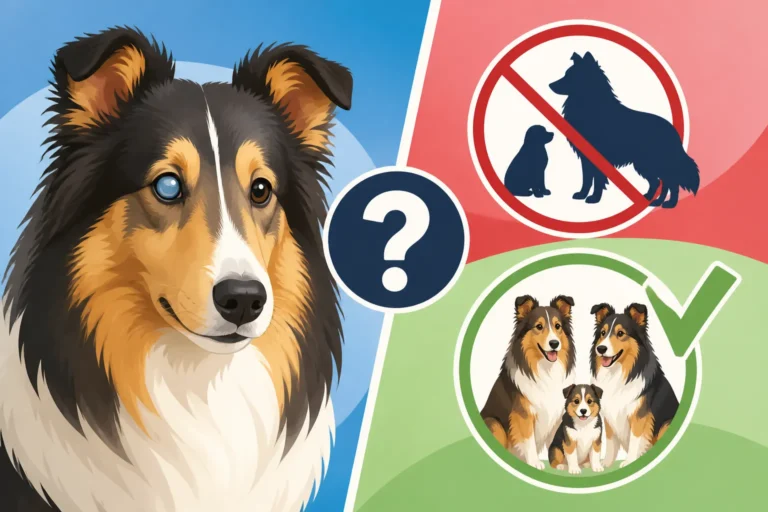
This is the cornerstone of prevention. If you own a Collie, or any of the other breeds known to be affected by the MDR1 mutation (such as Australian Shepherds, Shetland Sheepdogs, or Long-Haired Whippets), getting them genetically tested is not optional – it's essential. A simple cheek swab can determine if your Collie is clear, a carrier (one copy of the mutation), or affected (two copies of the mutation).
- Get Your Collie Tested: There are several reputable labs that offer MDR1 testing. Embark Veterinary and Optimal Selection are common ones, but you can also find breed-specific panels from the Collie Health Foundation. Researching Which Lab Runs the Collie MDR1 Test will help you choose. The cost is usually quite reasonable, especially compared to the expense of treating toxicity. Knowing What an MDR1 Test Costs for a Collie might surprise you at how affordable peace of mind can be.
- Keep Records: Once you have the results, keep a copy with your dog's veterinary records and another accessible copy at home.
- Flag Vet Charts: As mentioned earlier, ensure your vet's office has a prominent note on your Collie's file about their MDR1 status. This helps avoid accidental administration of dangerous drugs during routine visits or emergencies.
- Educate Everyone: Make sure anyone who might care for your Collie – pet sitters, boarding kennel staff, family members – is aware of the MDR1 mutation and the specific drugs to avoid.
Safe Medication Management
Once you know your Collie's MDR1 status, you can work with your veterinarian to ensure all medications, preventatives, and even over-the-counter products are safe.
- Review All Prescriptions: Go through all current and future prescriptions with your vet, specifically asking, "Is this safe for an MDR1-affected Collie?" This includes antibiotics, pain relievers, sedatives, and anti-diarrheals.
- Safe Preventatives: Many common heartworm preventatives are formulated to be safe for MDR1 Collies, often containing Ivermectin at extremely low, non-toxic doses. However, it's crucial to confirm. For example, products like Heartgard Plus are generally considered safe at their prescribed doses. Always verify with your vet Whether Heartworm Preventive Is Safe for a Collie. Similarly, when it comes to flea and tick treatments, you need to be careful. While many are safe, some can interact or be problematic. It's important to know Whether Flea Treatment Is Safe for an MDR1 Collie and discuss specific brands with your vet.
- Avoid Compounded or Livestock Drugs: Never use medications intended for livestock or compounded drugs from sources other than a reputable veterinary pharmacy unless explicitly directed and verified by your vet. The dosing in these products can be dangerously inconsistent or concentrated for a sensitive Collie.
- Read Labels Meticulously: Become a detective when it comes to any new product for your dog. Read ingredient labels on everything from supplements to shampoos, especially if they claim anti-parasitic properties.
- Secure Medications: Store all human and pet medications securely, out of your Collie's reach. This is good practice for any pet owner, but absolutely vital for an MDR1 Collie. Child-proof cabinets or high shelves are your friends.
- Inform Others: If your Collie is ever cared for by someone else, provide them with a detailed list of safe and unsafe medications.
Pet Insurance as a Safety Net
While prevention is the primary goal, accidents can happen, and medical emergencies are an unfortunate reality of pet ownership. This is where pet insurance can be an invaluable tool, providing peace of mind and financial support during stressful times.
- Covering Emergency Costs: Treating Ivermectin toxicity, with its potential for hospitalization, intensive care, and specialized medications, can rack up thousands of dollars in veterinary bills. A comprehensive pet insurance plan, such as those offered by Healthy Paws, can significantly alleviate this financial burden. Imagine not having to choose between your dog's life and your savings account during such a critical emergency.
- Peace of Mind: Knowing you have a safety net like Healthy Paws allows you to focus solely on your Collie's recovery, rather than worrying about mounting expenses. Most policies cover accidents and illnesses, which would include a drug toxicity event.
- Enroll Early: It's often recommended to enroll your Collie in pet insurance when they are young and healthy. Pre-existing conditions are typically not covered, so getting a policy before any health issues arise ensures the broadest possible coverage for future unexpected events.
Taking these proactive measures is not just about avoiding Ivermectin toxicity; it's about being a fully informed and responsible owner who understands the unique genetic needs of their beloved Collie. Your vigilance can literally save their life.
Disclaimer
The information provided in this article is for educational and informational purposes only, and does not constitute veterinary advice. Always consult with a qualified veterinarian for any health concerns or before making any decisions about your pet's medical care. In case of an emergency, contact your veterinarian immediately.