Whether a Collie Should Be Vaccinated on a Normal Schedule
One of the most common anxieties for Collie owners centers around their beloved dog's unique health sensitivities, especially when it comes to medications and medical procedures. It's completely understandable to wonder if your Collie should follow the same vaccination schedule as other breeds, given their known genetic predispositions. This guide aims to clear up those concerns, helping you understand how best to protect your Collie through vaccination while addressing any specific breed-related worries you might have.
Understanding the Standard Vaccination Schedule
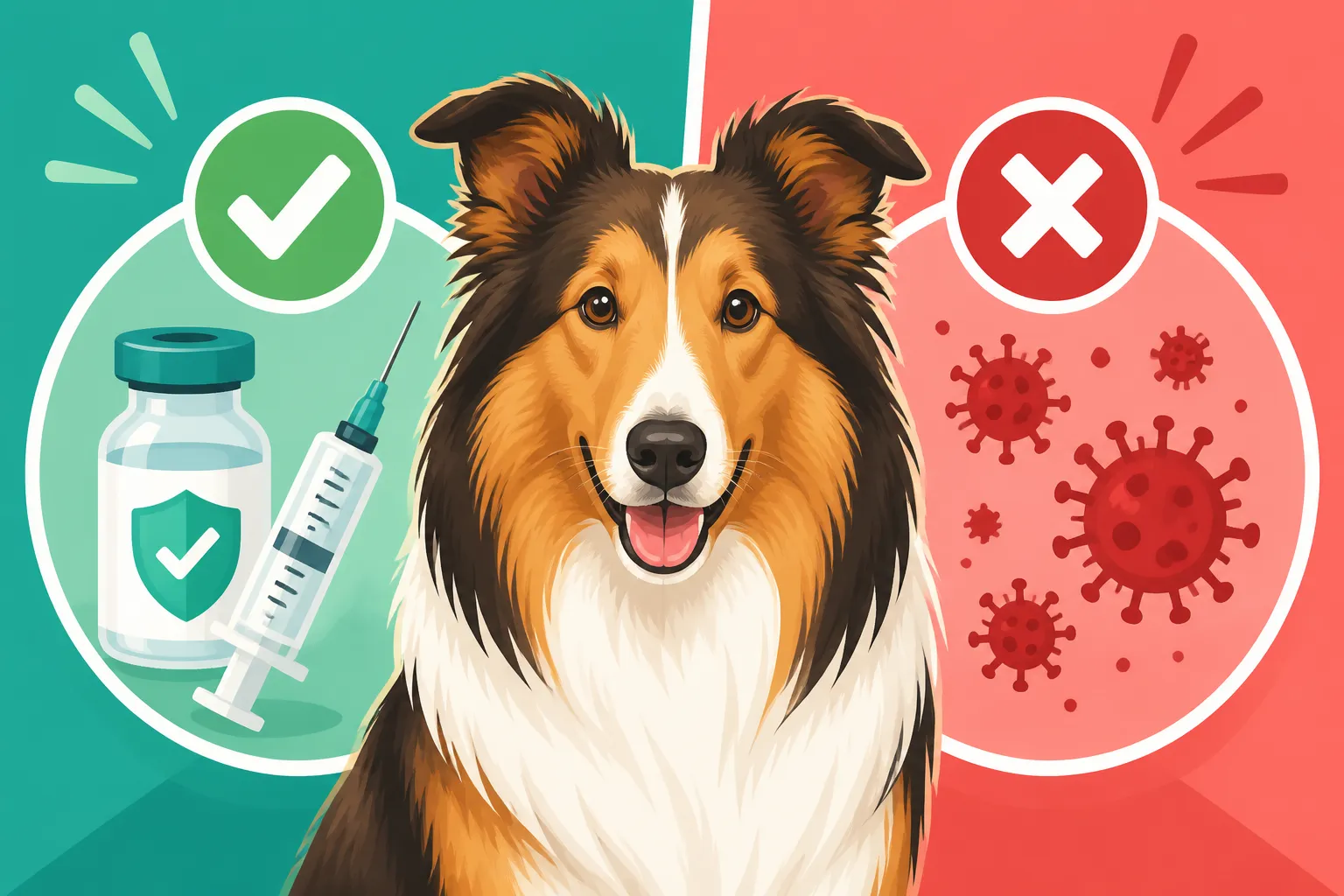
When you bring home a new puppy, or even adopt an adult dog, one of the first things on your veterinary checklist is usually vaccinations. These aren't just arbitrary shots; they are crucial preventative measures designed to protect your furry family member from a host of severe, often fatal, infectious diseases. The standard schedule, often called the "core" vaccines, is a tried-and-true protocol developed over decades to build robust immunity.
Typically, puppies begin their vaccination series around 6-8 weeks of age. This initial series usually involves multiple doses, spaced every 3-4 weeks, until they are about 16 weeks old. This staggered approach is vital because maternal antibodies, passed from the mother dog to her puppies, can interfere with a vaccine's effectiveness. As these maternal antibodies wane, subsequent vaccine doses are able to stimulate the puppy's own immune system more effectively. Missing a dose or extending the intervals too much can leave a puppy vulnerable during this critical developmental period.
For adult Collies, after completing their initial puppy series and a booster at one year of age, core vaccinations typically shift to a less frequent schedule, often every three years. This shift reflects a better understanding of vaccine duration of immunity, meaning many vaccines provide protection for longer than the traditional annual booster suggested. Non-core vaccines, such as those for kennel cough or leptospirosis, are given based on a dog's individual risk factors and lifestyle, which we’ll delve into more later. Your veterinarian will always be your best resource for outlining a schedule that makes sense for your specific Collie.
Addressing Collie-Specific Vaccination Concerns
It's no secret that Collies, particularly Rough and Smooth Collies, come with some well-documented genetic considerations. The most prominent of these is the MDR1 (Multi-Drug Resistance 1) gene mutation, which can make them highly sensitive to certain common drugs. Understandably, this leads many Collie owners to question everything that goes into their dog's body, including vaccines. It's a valid concern, and one that conscientious Collie owners should absolutely discuss with their vet. You can learn more about this by reading Assume Your Collie Has the MDR1 Mutation.
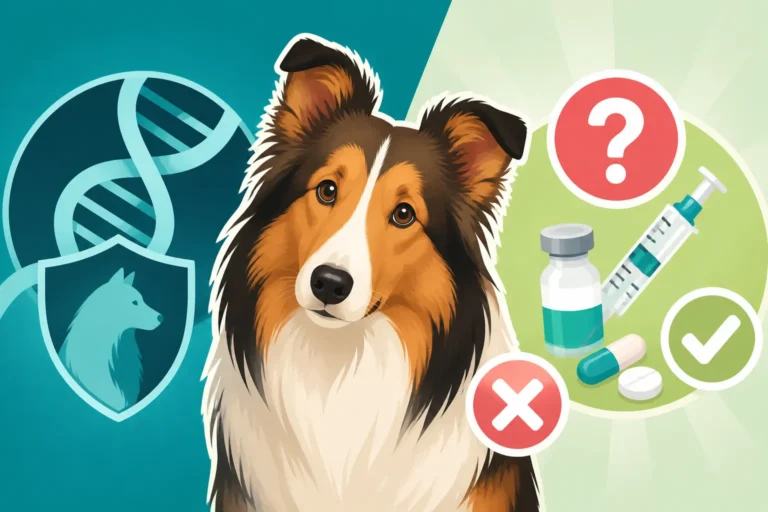
However, it's important to clarify a key point: The MDR1 mutation affects how certain drugs are transported and metabolized in the body. Vaccines, on the other hand, are biological agents that introduce attenuated (weakened) or inactive forms of viruses or bacteria to stimulate an immune response. They are not metabolized in the same way as the drugs affected by the MDR1 gene. Therefore, the MDR1 mutation itself does not directly mean a Collie cannot be vaccinated on a normal schedule or that vaccines will be directly toxic in the way certain drugs might be. Understanding What the MDR1 Mutation Actually Does to a Collie can help alleviate some fears.
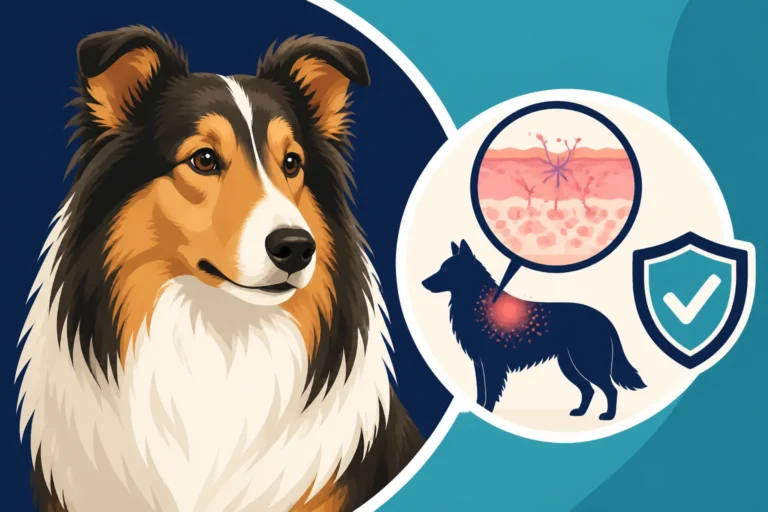
That said, Collies, like many purebred dogs, can sometimes be prone to vaccine reactions, though this isn't solely tied to MDR1. Reactions can range from mild lethargy, soreness at the injection site, or a slight fever, to more serious, though rare, issues like facial swelling, hives, or anaphylaxis. These reactions are typically immune-mediated and not directly linked to the MDR1 gene's drug transport issues. Because of the breed's general sensitivity, some veterinarians might recommend extra precautions, such as administering vaccines one at a time over separate visits, especially if your Collie has had a past reaction, or if they are particularly anxious. Discussing Whether a Collie's Vaccine Reaction Is More Likely with your vet can help prepare you. When considering the potential costs associated with managing unexpected health issues, including vaccine reactions, knowing you have support from a provider like Healthy Paws can certainly provide peace of mind.
Tailoring a Vaccination Protocol with Your Veterinarian
The concept of a "one-size-fits-all" vaccination schedule is increasingly becoming outdated. Modern veterinary medicine emphasizes a personalized approach, especially for breeds with specific health profiles like the Collie. This means working closely with your veterinarian to develop a vaccination protocol that considers your Collie's individual risk factors, lifestyle, geographic location, and overall health status. This collaborative effort ensures your dog receives optimal protection without unnecessary exposure.
When you sit down with your vet, be prepared to discuss several key aspects of your Collie's life. Do you live in a rural area where exposure to wildlife and diseases like leptospirosis or rabies is higher? Does your Collie frequently visit dog parks, boarding facilities, or attend dog shows, which increase the risk of kennel cough? Is your Collie an indoor-only dog with minimal exposure to other animals? These details are critical for determining which non-core vaccines are truly necessary. Your vet might also recommend specific pre-vaccination health checks, such as a physical exam to ensure your Collie is healthy enough to mount an effective immune response to the vaccine.
It's also essential to be upfront with your vet about your Collie's genetic testing results, particularly concerning the MDR1 mutation status. While, as discussed, MDR1 doesn't directly impact vaccine safety in the same way it affects certain drugs on The Drug List That Can Kill a Collie, this information is crucial for their overall medical record. An informed vet can make more holistic decisions and anticipate any general sensitivities. Knowing How a Collie Owner Tells the Vet About MDR1 effectively is an important skill for Collie owners. By proactively sharing this information, you empower your vet to create the most responsible and effective health plan for your individual dog, maximizing protection while minimizing potential risks.
The Role of Titers and Risk Assessment
For adult Collies, especially those with a history of vaccine reactions or owners who prefer to minimize vaccine exposure, titer testing offers a valuable alternative or supplement to routine boosters. Titer tests measure the level of antibodies in a dog's bloodstream for specific diseases, such as canine distemper, parvovirus, and adenovirus. A sufficiently high titer indicates that the dog has protective immunity and may not need an immediate booster vaccination.
The beauty of titer testing is its ability to provide objective evidence of immunity. Instead of simply re-vaccinating on a schedule, you can confirm whether your Collie's immune system is still actively protected. If the titers are adequate, you can often postpone or even skip boosters for a period, reducing the frequency of vaccine administration. If titers are low, then a booster is clearly indicated to restore protection. This method aligns well with the personalized approach to veterinary care, allowing decisions to be based on actual immunity rather than a generalized timetable. While titer tests do involve a blood draw and laboratory costs, many owners find the peace of mind and individualized care worth the investment. Regular health check-ups, which pet insurance like Healthy Paws can assist with, can include discussions about titer testing as part of your preventative care strategy.
Here's a simplified look at core vs. non-core vaccines and how they generally apply:
| Vaccine Type | Protection Against | General Recommendation | Considerations for Collies |
|---|---|---|---|
| Core | Distemper, Adenovirus, Parvovirus, Rabies | Recommended for all dogs, usually multi-year boosters after puppy series | Essential for protection; discuss any past reactions with vet. MDR1 not directly a factor for vaccine metabolism. |
| Non-Core | Leptospirosis, Bordetella (Kennel Cough), Lyme Disease, Canine Influenza | Based on lifestyle, geographic risk, and exposure | Evaluate exposure risks carefully with your vet. For instance, if your Collie frequents dog parks, a kennel cough vaccine might be more pertinent. |
Beyond titer testing, a thorough risk assessment should always be part of your discussion with your vet regarding non-core vaccines. For example, if your Collie never leaves your securely fenced yard and doesn't interact with other dogs outside your household, their risk of exposure to kennel cough or canine influenza is minimal. Conversely, if you travel frequently with your Collie, take them to doggy daycare, or participate in canine sports, their exposure risk significantly increases, making certain non-core vaccines much more relevant. This careful balancing act of risk versus benefit is crucial for maintaining your Collie's health and well-being, while still providing robust disease protection. Remember that getting The Three Genetic Tests a Collie Breeder Owes You is the first step towards an informed health plan.
The Importance of Preventative Care Beyond Vaccinations
While vaccinations are a cornerstone of preventative health, they are just one piece of the puzzle in ensuring a long and healthy life for your Collie. A holistic approach to care involves regular veterinary check-ups, a balanced diet, consistent exercise, and attentive home care. These elements work synergistically to bolster your Collie's immune system and detect potential health issues early, often before they become serious.
Regular vet visits, ideally annually for adult Collies and more frequently for puppies or senior dogs, are paramount. These appointments are not just for shots; they allow your veterinarian to perform thorough physical examinations, screen for age-related conditions, and discuss any changes in your Collie's behavior or health. They can catch subtle signs of dental disease, joint problems, or even early indicators of conditions that might affect Collies as they age, such as those discussed in Caring for a Collie Past Nine. Many pet insurance plans, like Healthy Paws, emphasize wellness and preventative care, helping to make these crucial regular visits more financially manageable.
Furthermore, a healthy lifestyle significantly impacts your Collie's ability to respond effectively to vaccines and resist disease in general. Feeding a high-quality diet appropriate for their age and activity level, providing adequate mental and physical stimulation, and maintaining a healthy weight all contribute to a strong immune system. When your Collie's body is well-nourished and active, it is better equipped to handle any challenges, whether that's fighting off an infection or mounting a robust immune response to a vaccine. Remember, the goal is to provide your Collie with the best possible defense against illness, and that comes from a comprehensive approach that includes thoughtful vaccination, vigilant monitoring, and excellent everyday care, starting with understanding What a Collie's Puppy Vaccinations Cost.
Disclaimer
This article is for general informational purposes only and does not constitute professional advice. Laws, prices and regulations vary by location and change over time. Consult a qualified professional for guidance on your specific situation.