How Much Exercise a Collie Needs Daily
Many first-time Collie owners, or those just admiring these beautiful dogs, often wonder if their regal appearance means they need endless acres to roam or constant, strenuous activity. The truth is, the amount of daily exercise a Collie truly needs is often misunderstood, leading to confusion and sometimes, an underestimation of their actual requirements. This guide is here to cut through the myths and provide a realistic, empathetic look at how much physical and mental activity keeps a Collie happy, healthy, and a wonderful part of your family.
Understanding the Collie's Energy Profile: More Than Just a Herding Dog
It's easy to look at a Collie and immediately think "herding dog," picturing a boundless ball of energy endlessly chasing sheep across rolling hills. While their ancestry certainly lies in working livestock, the modern Collie's energy profile is quite nuanced, often surprising those who expect a high-octane athlete. It's not about constant sprinting; it's about a particular blend of activity and thoughtful engagement.
The Myth of the High-Drive Herder
When people hear "herding dog," their minds often jump straight to breeds like the Border Collie, known for their intense focus, lightning speed, and almost insatiable need for a job. This can set a skewed expectation for the Collie. Many envision a dog that must have hours of high-impact exercise every single day, or risk tearing up the house in boredom. It's a natural conclusion to draw, given their historical role, but it doesn't entirely paint the picture of the breed we know and love today.
The reality is that while Collies absolutely descend from working stock, their primary role centuries ago was often more aligned with droving – meaning they walked long distances, guiding sheep or cattle from one pasture to another, or even to market. This was a job of endurance and steady presence, not necessarily one of constant, explosive speed or intense, focused staring that you see in some other herding breeds. They needed stamina, good judgment, and a calm demeanor more than an endless sprint.
Over the last century and a half, especially since the breed gained popularity as a companion animal and show dog, selective breeding has significantly mellowed their innate herding drive. While the instinct to "gather" or "monitor" is often still present, it's rarely expressed with the same intensity or speed as a highly specialized working herder. This evolution means that while they certainly benefit from and enjoy exercise, it's a different kind and amount than many initially assume, making them much more adaptable to family life than some of their distant cousins.
The Collie's Calmness Indoors vs. Outdoors
One of the most charming, and sometimes confusing, traits of a Collie is their remarkable ability to transition from an active outdoor participant to a serene, often downright lazy, indoor companion. You might have seen your Collie zooming around the park, chasing a ball with surprising speed, or galloping across an open field, only to watch them come home, sprawl out on the coolest spot on the floor, and remain virtually motionless for hours. It's a beautiful paradox that makes them such wonderful housemates.
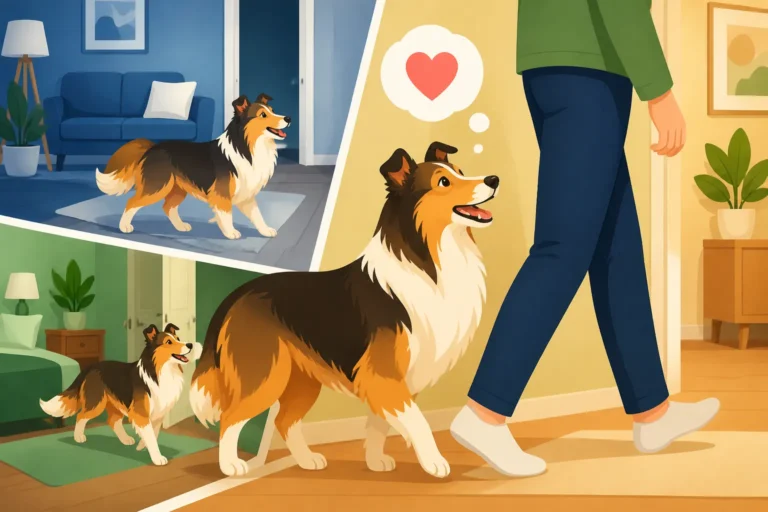
This "off switch" is something many dog owners dream of. Unlike some other breeds that might pace, whine, or become destructive when their energy isn't fully expended, a well-exercised Collie typically settles down with grace. They'll often choose a spot where they can keep an eye on their family (their herding instinct still manifests as a desire to be "with" their flock), content to chew on a favorite toy, snooze, or simply observe the household goings-on. Whether a Collie Settles Indoors This inherent calmness makes them appear incredibly adaptable.
However, this indoor tranquility can sometimes be a double-edged sword. It can lull owners into a false sense of security, leading them to believe their Collie needs less exercise than they actually do. Because the dog isn't acting out or showing obvious signs of restlessness, it's easy to think, "Oh, they're fine, they're just relaxing." But beneath that calm exterior, if their physical and mental needs aren't met, boredom can fester, potentially leading to more subtle issues like excessive barking at every sound, weight gain, or a general lack of enthusiasm for life. Maintaining that balance between their indoor serenity and outdoor activity is crucial for their overall well-being.
The Daily Exercise Baseline: What a Collie Really Needs
So, if they're not high-octane athletes like some herding breeds, what do Collies actually need on a daily basis to be happy and healthy? The answer lies in a consistent, moderate approach that combines physical exertion with mental stimulation. It's less about breaking land-speed records and more about engaging their bodies and minds in a purposeful way.
The "Forty-Five Minutes a Day" Rule of Thumb
Many breed enthusiasts and reputable Collie breeders will suggest a baseline of around 45 minutes of dedicated exercise per day for a healthy adult Collie. Now, before you start setting a timer and thinking of it as a rigid chore, let's break down what that actually means. It's not just 45 minutes of a slow, meandering walk around the block while your Collie stops to sniff every blade of grass. It's about quality over just duration, incorporating elements that truly engage their moderate energy levels.
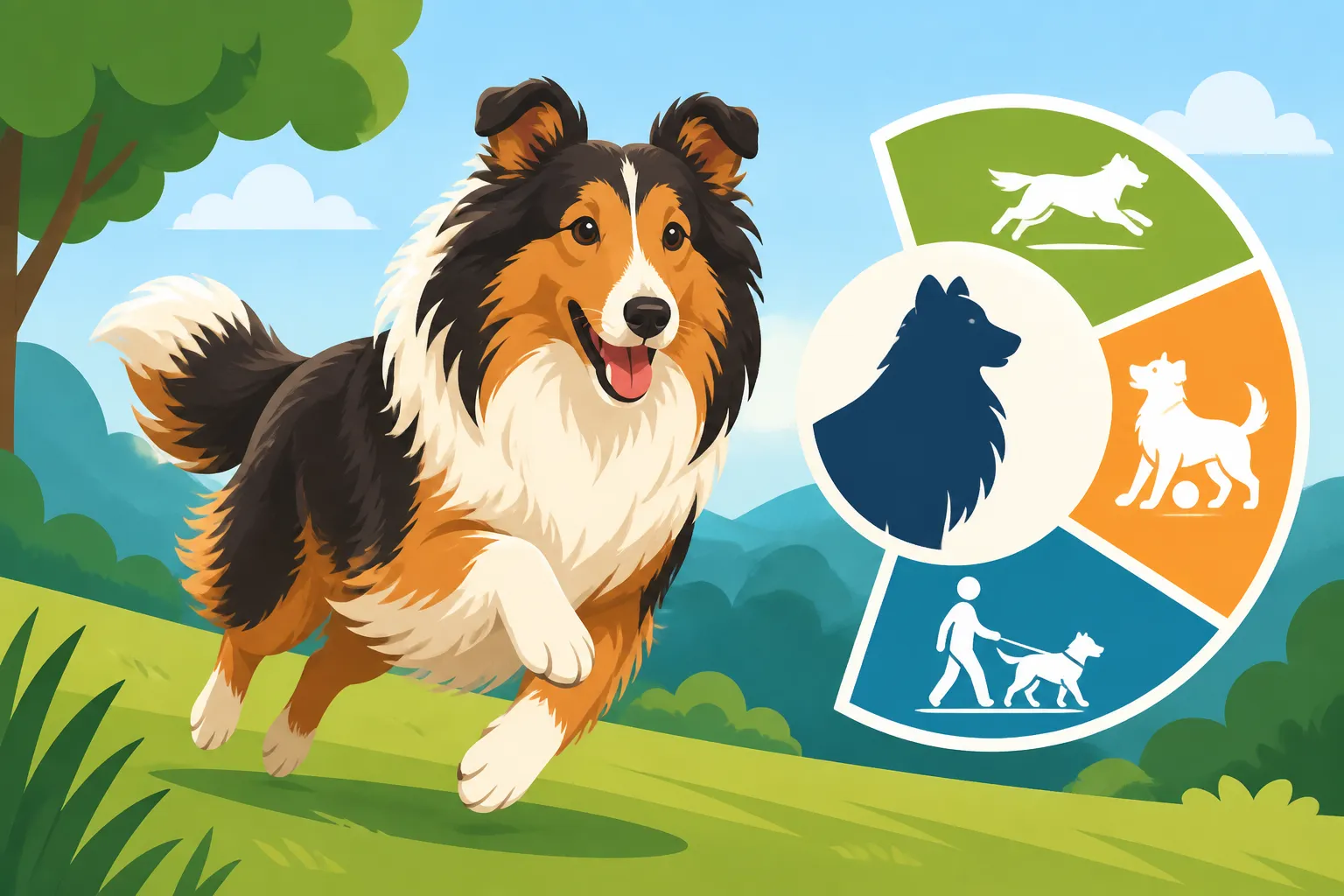
Ideally, this 45 minutes should be a dynamic mix. Think brisk walking, opportunities for trotting, perhaps a few bursts of controlled running, and plenty of mental engagement through sniffing and exploring. For example, instead of one long, slow walk, you might break it into two shorter, more vigorous sessions – say, a 20-minute brisk walk in the morning and a 25-minute active outing in the evening. Varying your route, introducing gentle inclines, or even playing a game of fetch in a secure area can significantly increase the benefit of this time. The goal is to get their heart rate up a bit, stretch their legs, and allow them to explore their world with their nose and eyes, which are incredibly important for their mental well-being. Whether Forty Five Minutes a Day Is Really Enough for a Collie
It's also important to remember that this 45-minute guideline is a minimum for many healthy adult Collies. Some will happily take more, especially if they are younger, particularly playful, or simply have a higher natural energy drive. Others, especially those in their senior years or with certain health conditions, might need shorter, more frequent bursts of activity. The key is observation: watch your individual Collie. Are they happy and settled afterward? Do they seem restless later in the day? Their behavior is the best indicator of whether you're hitting the sweet spot.
Beyond Brisk Walks: Incorporating Varied Activity
While brisk walks are an excellent foundation for a Collie's exercise routine, relying solely on them can sometimes leave a clever, curious Collie feeling a bit underwhelwhelmed. Collies possess a keen intelligence, and simply pounding the pavement day in and day out, even at a good pace, might not fully satisfy their cognitive needs. A physically tired dog can still be a bored dog if their brain isn't given a workout too.
To keep your Collie truly engaged and prevent undesirable behaviors born out of boredom (like the infamous Collie bark that can become quite persistent if they're understimulated, as detailed in The Bark Is the Trait Collie Owners Underestimate), it’s wise to diversify their activities. Think about incorporating short, spirited games of fetch in a safe, enclosed space. This allows them to unleash a burst of speed, engage their prey drive in a healthy way, and practice their recall. Introducing new walking paths or exploring dog-friendly trails offers novel smells and sights, turning a routine walk into an exciting adventure.
For those Collies who are well-socialized and have reliable recall, a visit to a well-maintained dog park can be a fantastic way to burn off energy and enjoy social interaction. Just ensure your Collie is comfortable in such environments and that you're always supervising to prevent any negative interactions. Another wonderful option is incorporating short, fun training sessions into your daily routine. Even 5-10 minutes of practicing new tricks or refining known commands can be surprisingly tiring for a Collie, as it requires concentration and mental effort. Remember, a varied routine keeps life interesting for your Collie and helps them stay both physically fit and mentally sharp.
Factors Influencing Your Collie's Exercise Needs
Just like people, not all Collies are exactly alike, and their exercise needs can fluctuate based on a variety of personal and environmental factors. What works for a spry young adult might be too much for a senior or a puppy, and the weather can certainly put a damper on even the most enthusiastic plans.
Age and Life Stage: From Puppy Zoomies to Senior Strolls
A Collie's exercise needs are far from static; they evolve significantly throughout their life, requiring owners to adapt their routines to match their dog's changing capabilities and energy levels. It’s a dynamic process that calls for careful observation and adjustment.
For Collie puppies, the mantra should be "short and sweet." Their bones and joints are still developing, and over-exercising them can lead to long-term orthopedic problems. Forced, long-distance running or jumping off high objects should be strictly avoided. Instead, focus on frequent, short bursts of supervised play throughout the day – think 5 minutes of play for every month of age, a couple of times a day. This allows them to expend energy naturally, explore, and learn, without putting undue stress on their growing bodies. Plenty of potty breaks and gentle exposure to new sights and sounds are far more important than strenuous physical activity at this stage.
As your Collie transitions into adolescence (roughly from 6 months to 2 years), you'll likely notice a surge in their energy levels. They might seem like they have endless reserves, and this is the period where they can handle more vigorous play and longer walks. However, it's still crucial to be mindful of their developing joints. While they can participate in longer games of fetch or brisk hikes, still avoid excessive high-impact activities like repeated, high jumps on hard surfaces. This is a great time to introduce them to structured activities like obedience classes or gentle introductory dog sports, which provide both physical and mental stimulation.
For healthy adult Collies, the earlier discussed 45-60 minutes of daily, moderate to brisk activity serves as a solid baseline. This includes a mix of walks, play, and mental games. Consistency is key here; regular exercise helps maintain a healthy weight, strong muscles, and a balanced temperament. If your Collie is particularly active or enjoys more strenuous activities, you can certainly exceed this, always monitoring for signs of fatigue or discomfort.
Finally, as Collies enter their senior years (typically around 8 or 9 years old), their exercise requirements will naturally begin to decrease. They may not have the stamina for long hikes, and conditions like arthritis or general joint stiffness might make high-impact activities uncomfortable. Caring for a Collie Past Nine The focus shifts to maintaining mobility and mental engagement without causing pain or exhaustion. Shorter, more frequent, gentle walks are often preferred. Swimming, if accessible and enjoyed, can be an excellent low-impact exercise. Puzzle toys and gentle training sessions remain vital for mental sharpness. Always consult with your veterinarian to tailor an exercise plan that suits your senior Collie's specific health status, especially if they show signs of conditions like Hip Dysplasia in a Collie. Their comfort and quality of life are paramount.
Individual Temperament and Health Concerns
It's tempting to think of all Collies as carbon copies, especially given the breed's relatively consistent temperament. However, just like people, each Collie has its own unique personality and physical makeup, which significantly influences their individual exercise needs. You might have one Collie who is a natural-born adventurer, eager for every walk and trail, while another is perfectly content with a leisurely stroll and more couch time. Observing your specific dog's preferences and energy levels is paramount to finding the right balance.
Beyond personality, your Collie's health status plays a critical role in determining appropriate exercise. A dog suffering from conditions like arthritis, hip or elbow dysplasia, or even chronic pain from an old injury, will naturally have different limitations than a perfectly sound one. For these dogs, high-impact activities might be detrimental, and veterinarians often recommend shorter, more frequent walks, or even low-impact exercises like swimming. Conversely, a Collie recovering from an illness or surgery will need a carefully graduated return to activity, often under veterinary guidance, to prevent re-injury or setbacks.
It's also why understanding a Collie's genetic predispositions is so vital. While not directly linked to the amount of exercise, knowing your Collie's genetic health profile can inform overall care. For instance, reputable breeders will provide genetic test results for conditions like MDR1, CEA, and DM, which are essential for long-term health planning. Understanding The Three Genetic Tests a Collie Breeder Owes You is part of ensuring your Collie can lead a full, active life without unexpected medical complications influencing their mobility. Always discuss any health concerns or genetic conditions with your veterinarian, as they can help you tailor an exercise regimen that supports your Collie's well-being and avoids exacerbating any underlying issues.
Climate and Environment
The weather outside and the place you call home have a much bigger impact on your Collie's daily exercise routine than many owners realize. Ignoring these factors can lead to discomfort, exhaustion, or even serious health risks for your furry friend.
Let's talk about heat. Collies, with their glorious double coats, are built to withstand cooler temperatures, but they are not designed for extreme heat or humidity. That thick undercoat, while insulating in winter, can quickly cause them to overheat in summer. Trying to maintain a brisk 45-minute walk in 80-degree weather with high humidity is not only uncomfortable for your Collie but potentially dangerous. Signs of overheating like excessive panting, drooling, or lethargy should be taken seriously. During hot months, it's critical to adjust your schedule: walk early in the morning before the sun gets too high, and late in the evening after it's cooled down. Focus on shaded routes, carry water, and keep sessions shorter and less intense. Whether a Collie Overheats in Its Coat Swimming can be a fantastic way for Collies to cool down and get exercise, if they enjoy it and it's done safely.
Cold weather, on the other hand, is usually more forgiving for Collies. Their dense coats provide excellent insulation, allowing them to enjoy longer outdoor excursions. However, extreme cold, icy conditions, or harsh winds still warrant common sense. Watch for signs of discomfort like shivering, or paw lifting on frozen ground. Paw protection like boots might be necessary in snowy or icy conditions to prevent frostbite or injury from de-icing chemicals. Adjusting your environment, like ensuring your Collie has a warm, dry place to rest indoors after a winter romp, is also important.
Finally, your living environment matters. If you live in an urban apartment, your Collie's exercise will naturally be more leash-dependent, requiring careful planning of walks to parks or designated dog areas. This means you might need more frequent, shorter potty breaks combined with dedicated longer walks for exercise. In contrast, a Collie living in a rural area with a large, securely fenced yard might have more opportunities for independent exploration and play, though supervised walks are still essential. Regardless of the setting, the goal is to provide consistent opportunities for movement and mental engagement, adapting to the specific constraints and advantages of your home turf. Whether a Collie Suits an Apartment
Mental Stimulation: The Unsung Hero of Collie Exercise
When we talk about exercise, our minds often jump straight to physical activity: walks, runs, fetch. But for a highly intelligent breed like the Collie, neglecting their mental needs is like feeding only one half of their being. Their minds are constantly at work, observing, processing, and even herding their human "flock." Failing to provide adequate mental exercise can lead to a dog that is physically tired but still mentally bored, and a bored Collie can be a truly challenging companion.
Why Brain Games Are Just As Important as Body Movement
Collies are inherently smart dogs. Their history as herders required them to think independently, problem-solve on the fly, and understand subtle cues from their charges and their handlers. This strong cognitive ability means they thrive on intellectual challenges. If their brains aren't put to work, they can become restless, destructive, or develop nuisance behaviors, even if they've just had a long walk. It's a bit like a highly intelligent person who is physically active but has a mind-numbing job; they might be physically exhausted but still feel unfulfilled and bored.
In fact, many trainers and behaviorists will tell you that 15 minutes of intense mental work can be as, if not more, tiring for a dog than a 30-minute walk. When a Collie is engaged in solving a puzzle, learning a new command, or tracking a scent, they're using a different kind of energy, one that taps into their instincts and intellectual capacity. This deep engagement provides a sense of satisfaction and fulfillment that pure physical exertion alone cannot. A mentally stimulated Collie is generally a calmer, more content, and better-behaved companion.
The consequence of neglecting mental stimulation in a Collie can be significant. Without an outlet for their intelligence, they might invent their own "jobs." This could manifest as excessive barking at every passing leaf, meticulously "herding" family members (especially children, as discussed in Why a Collie Herds Your Children), becoming obsessive about certain objects, or even engaging in destructive chewing out of sheer boredom. Rather than viewing mental exercise as an optional extra, it's crucial to see it as an integral, non-negotiable component of their daily "exercise" regimen. It's about exercising their brain just as much as their body.
Practical Mental Exercises for Your Collie
Integrating mental stimulation into your Collie's daily routine doesn't have to be complicated or time-consuming. There are many simple yet effective ways to engage their intelligent minds and keep them sharp and happy. The key is variety and consistency.
Puzzle Toys & Snuffle Mats are fantastic tools for making mealtime an engaging activity rather than a quick chow-down. Instead of simply putting their food in a bowl, try scattering kibble in a snuffle mat, which encourages sniffing and foraging, or loading it into an interactive puzzle feeder that requires your Collie to problem-solve to get their meal. Brands like Kong and various puzzle feeders available on Amazon offer a wide range of options suitable for different levels of difficulty. This not only slows down their eating (which can be good for digestion) but also provides a satisfying mental challenge that can tire them out almost as much as a walk.
Short Training Sessions are another excellent way to engage your Collie's brain. Collies love to please and are highly trainable. Dedicate 5-10 minutes a couple of times a day to reinforcing basic commands or teaching new tricks. This could be anything from "sit," "stay," and "down" to more complex commands like "leave it" or retrieving specific toys by name. These sessions strengthen your bond, build their confidence, and provide an invaluable mental workout. For those looking for structured guidance, online training platforms like BAXTER & Bella offer comprehensive programs that can guide you through teaching a wide array of skills, making the learning process fun and engaging for both you and your Collie. Remember, consistency is more important than duration; regular short sessions are more effective than infrequent long ones.
Finally, don't underestimate the power of Scent Work & Hide-and-Seek. Collies have a surprisingly good nose, and engaging their olfactory senses is incredibly stimulating. Start simple by hiding treats around the house or yard and encouraging them to "find it." As they get better, make the game more challenging by using smaller treats or hiding them in more obscure spots. Playing hide-and-seek with you can also be a blast; simply hide in a different room and call their name, rewarding them enthusiastically when they find you. These games tap into their natural instincts, build confidence, and provide a fun, interactive way to burn mental energy. Varying your walking routes, allowing for plenty of sniffing opportunities, and even rotating their toys to keep them "new" and exciting can also contribute significantly to their mental well-being. Forty Five Minutes a Day, and Half of It in Its Head
Crafting a Balanced Daily Routine
Successfully meeting your Collie's exercise needs, both physical and mental, really comes down to establishing a consistent and well-thought-out daily routine. A predictable schedule provides security for your dog and helps manage their energy levels throughout the day, preventing boredom and potential behavioral issues. It's about more than just slotting in walks; it's about weaving activity and mental engagement into the fabric of daily life.
The Morning Ritual: Setting the Tone for the Day
The way you kick off your Collie's day can profoundly influence their behavior and mood for the hours that follow. A well-structured morning ritual isn't just about getting outside for a quick potty break; it's about purposefully expending some energy and engaging their senses, setting a calm and positive tone.
Ideally, an early morning walk should be a brisk and purposeful affair. This isn't the time for a leisurely sniff-fest, though some sniffing is always good. The goal here is to get their blood flowing, stretch their legs, and provide a solid opportunity for them to relieve themselves. For many Collies, a 15-20 minute energetic walk is perfect to shake off the morning sluggishness and prepare them for the day. This physical activity helps to "take the edge off" their stored overnight energy, making them more amenable to settling down once back inside.
Following this initial exercise, breakfast is usually the next step. Consider making mealtime another opportunity for mental engagement by using a puzzle feeder or a snuffle mat, as discussed earlier. This extends the eating experience and provides valuable brain work early in the day. The combination of physical exertion and mental stimulation before you head off to work or start your day's tasks can significantly contribute to your Collie's ability to settle quietly at home. It reinforces the idea that exercise happens, and then it's time to relax, helping to prevent anxiety or restlessness while you're busy. Establishing this consistent rhythm helps them understand the daily flow and reduces any uncertainty they might feel.
Afternoon Adventures and Evening Wind-Down
Once the morning rush is over, the middle and end of the day continue to offer crucial opportunities for your Collie's well-being. The afternoon often involves a quieter period, but for many Collies, a mid-day break is ideal if you can manage it.
If your schedule permits, a mid-day visit home for another walk or a quick play session in the yard can break up the monotony of the afternoon. This is particularly beneficial for younger Collies or those with higher energy levels. If you work away from home, consider hiring a dog walker for a 20-30 minute stroll, or utilize doggie daycare if your Collie enjoys social environments. For times when a physical outing isn't feasible, puzzle toys or long-lasting chews can provide valuable solo entertainment and mental engagement, keeping boredom at bay until you return.
The evening routine is where you can focus on winding down and strengthening your bond. The evening walk can be a bit more relaxed than the morning's brisk pace. This is a great time for a "sniffari"—allowing your Collie ample time to explore scents and decompress. A leisurely walk through a park or neighborhood, letting them dictate the pace and focus, can be incredibly enriching. Follow this with some quiet interactive time at home: gentle petting, brushing (which is also part of their care, as highlighted in Four Tools and Twenty Minutes: Brushing a Rough Collie), or a low-key training session to reinforce good behavior. Consistency in this evening wind-down routine signals to your Collie that the active part of the day is largely over, preparing them for a peaceful night's sleep. Collies generally thrive on predictability, so a consistent schedule helps them feel secure and understand what's expected of them throughout the day.
When Life Gets in the Way: Adapting Your Schedule
Let's be realistic: life happens. There will be days when the weather is horrendous, you're sick, work runs late, or unexpected commitments pop up. It's easy to feel guilty when you can't stick to the perfect exercise schedule, but it's important to remember that flexibility and adaptation are key to successful dog ownership. An occasional less active day will not "ruin" your Collie, but knowing how to adjust is crucial.
On those unavoidable "off" days, focus heavily on mental stimulation indoors. Engage in longer training sessions, hide treats for them to find, or introduce new puzzle toys. A vigorous game of indoor fetch (if you have space and appropriate toys) or tug-of-war can also burn off some physical energy safely. Even just dedicating extra time to brushing your Collie can be a calming, bonding activity that provides a form of quiet engagement. Whether Training Sessions Count as a Collie's Exercise Remember, for a clever Collie, a mentally tiring day can sometimes be just as effective as a physically tiring one in terms of contentment.
Don't beat yourself up over an imperfect day. The goal is long-term consistency, not daily perfection. If you miss a long walk one day, make a point to ensure the next day includes a bit more activity or a new adventure. Your Collie is attuned to your emotions, so stressing about it won't help either of you. Instead, calmly adapt, provide what you can, and reassure your dog with your presence and affection. They thrive on the routine, but they also thrive on your love and understanding when the routine has to bend.
| Life Stage | Recommended Daily Exercise Duration | Intensity Level | Types of Activities | Important Considerations |
|---|---|---|---|---|
| Puppy | 15-30 minutes total (in short bursts) | Low to Moderate | Short play sessions, exploring the yard, very brief walks, supervised socialization | Avoid forced exercise; protect growing joints; focus on positive experiences. |
| Adolescent | 60-90 minutes total | Moderate to High | Brisk walks, fetch, short runs, structured play, intro to dog sports, training | Continue protecting joints; incorporate mental challenges; manage exuberance. |
| Adult | 45-60 minutes daily | Moderate | Brisk walks, off-leash exploration, mental games, casual jogging | Consistency is key; adapt to individual temperament; monitor for boredom. |
| Senior | 30-45 minutes total (in shorter, frequent sessions) | Low to Moderate (as tolerated) | Gentle walks, sniffing games, puzzle toys, swimming (if joint-friendly) | Prioritize comfort; observe for pain/fatigue; regular vet check-ups. |
Disclaimer
This article is for general informational purposes only and does not constitute professional advice. Laws, prices and regulations vary by location and change over time. Consult a qualified professional for guidance on your specific situation.