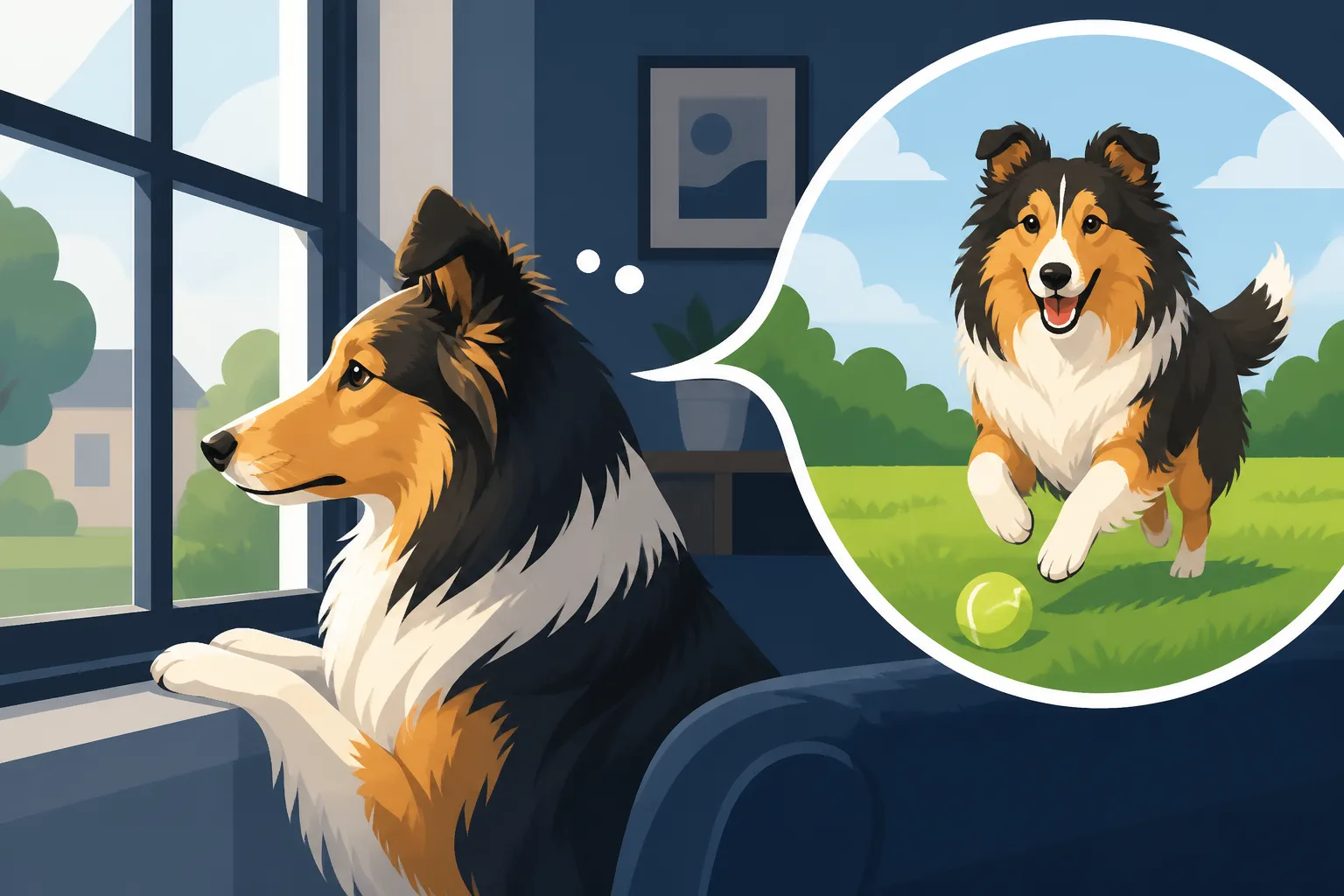
How Long a Collie Copes Alone
Leaving your beloved Collie home alone can be a source of real guilt and worry for any owner, especially when you have work or errands to run. You adore their constant presence and deep connection, but life demands that you step out sometimes. The big question is: how long can they truly cope without you before stress sets in or they start redesigning your furniture with their teeth? This guide aims to demystify your Collie's capacity for solitude, offering realistic timeframes and actionable strategies to help them feel secure and content when you're not around, minimizing anxiety for both of you.
Understanding the Collie's Innate Need for Companionship
Collies are not just beautiful dogs; they are profoundly intelligent, sensitive, and deeply bonded companions. Their history as working partners with humans has hardwired them for presence and purpose, which directly impacts their ability to handle solitude.
The Herding Dog Mentality and Pack Instinct
Imagine a Collie on a Scottish hillside, diligently moving a flock of sheep. Its entire purpose revolved around being with its charges, guiding them, protecting them, and constantly communicating with its human shepherd. This isn't just a job; it's a fundamental part of their being. They are vigilant, observant, and deeply connected to their "flock," which, in a modern household, translates directly to their human family. Centuries of this kind of partnership have ingrained in them a strong desire for constant presence and collaboration. They thrive when they are an integral part of the family unit, often seeking to be near you, even if just to lie quietly at your feet.
This inherent pack instinct means that being left completely alone can feel unnatural, even dangerous, to a Collie. They aren't independent solitary hunters; they are cooperative workers. For a breed programmed to keep an eye on its group and alert to potential threats, silence and an empty house can be unsettling. It's not that they don't love you; it's that their very genetic makeup nudges them toward companionship. When an owner feels a pang of guilt leaving their Collie, it's often a recognition of this deep-seated need. It’s a powerful bond, and it’s why a Collie isn't typically suited to long periods of isolation.
Sensitivity and Emotional Intelligence
If you've spent any time with a Collie, you know they possess an almost uncanny ability to read a room. They often pick up on subtle shifts in human emotion, understand unspoken cues, and seem to know exactly when you need a gentle nudge or a comforting presence. This high level of emotional intelligence makes them incredibly empathetic companions, but it also means they can be particularly sensitive to changes in routine or the absence of their primary source of interaction – you! They sense your pre-departure jitters, your hurried morning routine, and the finality of the closing door.
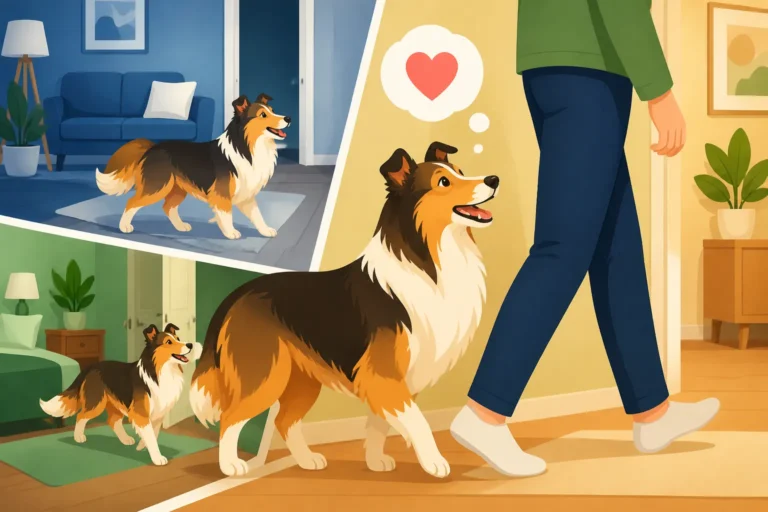
This profound sensitivity means that abrupt or prolonged absences can be more stressful for a Collie than for some other, more independent breeds. Their strong bond with you often manifests in them following you from room to room, even to the bathroom, just to be in your orbit. This constant proximity shapes their expectations of company, making your departure a more significant event. It's crucial to understand that a Collie who struggles with being alone isn't being "naughty" or "defiant"; they are genuinely experiencing distress because their deeply ingrained need for connection and security is not being met. Their world revolves around their people, and when those people vanish, it can be profoundly unsettling. Whether a Collie Follows You From Room to Room highlights just how entwined their existence is with yours.
Factors Influencing a Collie's Tolerance for Solitude
While Collies generally prefer company, not all Collies are the same, and several factors play a huge role in how well an individual dog can handle being left alone. Understanding these can help you tailor your approach to their specific needs.
Age and Life Stage
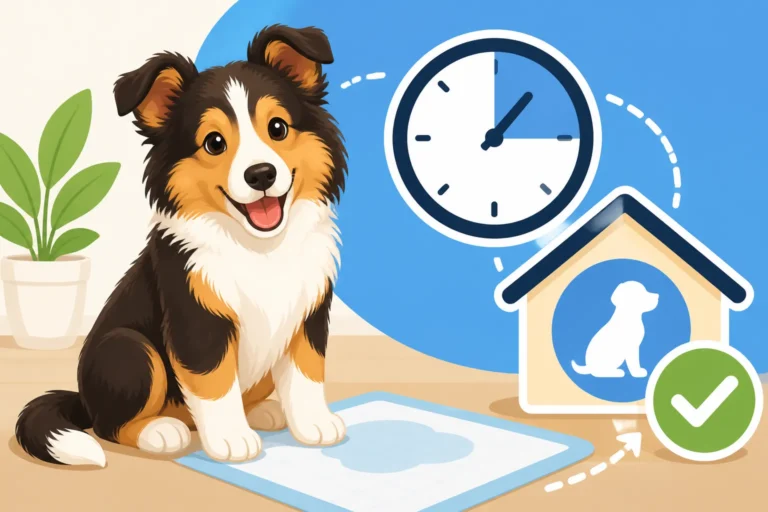
A Collie puppy, still learning the ropes of the world, simply cannot be left alone for extended periods. They need frequent potty breaks, supervision to prevent destructive chewing, and constant reinforcement of good behaviors. A general rule of thumb for puppies is that they can hold their bladder for about one hour per month of age, meaning a four-month-old puppy might only manage four hours, and that's pushing it. Beyond physical needs, puppyhood is a critical time for socialization and bonding; being left alone too much can lead to anxiety and developmental issues. The First Year With a Collie Puppy outlines many of these early care requirements.
As Collies move into adolescence and young adulthood (roughly 6 months to 2 years), their energy levels are often at their peak. While they may be house-trained, boredom can become a significant issue. A young adult Collie with pent-up energy and an active mind is far more likely to get into trouble when left alone, chewing furniture, raiding trash cans, or barking excessively. Their minds are still developing, and they require consistent mental and physical stimulation. Mature adult Collies (around 3 to 8 years) are often the most settled and can generally handle longer periods of solitude, provided their needs are met before you leave. They've learned the routine and understand that you will return. However, even the most composed adult Collie will struggle if their pre-departure exercise and mental stimulation are lacking.
Senior Collies (generally considered "senior" around 7-9 years) present a different set of challenges. They may require more frequent potty breaks due to aging bladders or medical conditions. Declining eyesight or hearing can make them more anxious when alone, as familiar sounds and sights might be missed or misinterpreted. They might become more sensitive to noise or sudden movements, making an empty, quiet house feel more disorienting. Caring for a Collie Past Nine covers many of the considerations for their later years. Always consider your senior Collie's evolving physical and emotional needs when determining how long they can comfortably be left.
Training and Socialization History
A Collie that has been thoughtfully trained and well-socialized from a young age is much more likely to be a confident, well-adjusted adult capable of handling alone time. Early, positive experiences with varying environments, people, and other calm dogs build resilience. Crucially, gradual desensitization to alone time, starting with very short absences and slowly increasing the duration, teaches a puppy that your departures are temporary and not a cause for panic. This might involve leaving them for five minutes, then ten, then thirty, always returning before they become distressed, and making your returns low-key to avoid creating an overly exciting association with your arrival.
Conversely, a Collie with a history of undersocialization or traumatic experiences will almost certainly struggle significantly with being alone. A dog that is naturally timid or hasn't learned to cope with new situations is more prone to developing separation anxiety. If a Collie was rescued after being neglected or rehomed multiple times, their trust might be fragile, and they may fear abandonment, making alone time particularly terrifying for them. Whether an Undersocialized Collie Can Be Fixed delves into the complexities of helping these dogs. For these Collies, simply hoping they'll "get used to it" is not only unfair but often detrimental, potentially exacerbating their anxiety and leading to destructive behaviors or excessive vocalization.
Exercise and Mental Stimulation Before You Leave
This point cannot be stressed enough: a tired Collie is a good Collie, and a mentally stimulated Collie is an even better one. For a breed originally bred for demanding work, simply letting them out into the backyard for five minutes before you leave for eight hours is setting them up for failure. Physical exercise is essential; a brisk walk, a good game of fetch, or even a short run will help drain their physical energy, making them more inclined to nap while you're gone. Consider how much energy your Collie needs daily; How Much Exercise a Collie Needs Daily can provide further insights.
However, physical exercise alone isn't always enough for a Collie's intelligent mind. Mental stimulation is equally, if not more, important. Engaging their brains with puzzle toys, a brief training session, or a "sniffy walk" where they can explore scents can be incredibly tiring. Think of it like a human working a crossword puzzle versus running a marathon; both are exhausting in different ways. A Collie whose mind has been engaged before you leave is far less likely to become bored and destructive. If they are left with a full tank of physical and mental energy, that energy will find an outlet, and it's rarely one you'll appreciate when you return home.
Practical Timeframes and Realistic Expectations
It's natural to wonder, "What's the absolute maximum?" But when it comes to leaving a Collie alone, there's no magic number that applies to every dog. It's about finding what your individual Collie can truly handle.
The "Ideal" Length of Alone Time
For a well-adjusted, healthy adult Collie who has been properly trained and had their needs met before you leave, a general guideline often cited by canine experts is 4-6 hours. This timeframe allows for a comfortable nap, maybe a drink of water, and generally doesn't push their bladder capacity too much. Within this window, most adult Collies, given adequate pre-departure exercise and mental engagement, can remain calm and simply enjoy their downtime. They understand the routine, trust you'll return, and have learned to settle.
However, it's crucial to understand that this is an ideal, not a hard-and-fast rule. Some highly independent Collies might push this a little longer, while more sensitive ones might struggle closer to the four-hour mark. Going beyond 6-8 hours regularly can start to present problems for even the most laid-back Collie. Their physical needs, such as needing to relieve themselves, become pressing, and mental boredom can quickly turn into anxiety or destructive behavior. For many working families, an ideal 4-6 hour window is simply not realistic, which is where careful planning and external help become non-negotiable.
Recognizing the Signs of Stress and Separation Anxiety
If your Collie is struggling with alone time, they won't necessarily tell you in words, but their behavior will speak volumes. It's vital to differentiate between a dog simply being bored for a moment and one experiencing genuine distress or separation anxiety.
Common signs of stress or burgeoning separation anxiety when left alone include:
- Excessive vocalization: Barking, howling, or whining persistently. If you have neighbors, you might hear reports, or you can use a pet camera to monitor. Whether a Collie Barks While You Are Out can help identify this issue.
- Destructive behavior: Chewing on doorframes, windowsills, furniture, or personal items. This isn't out of spite; it's a coping mechanism for anxiety and boredom.
- Inappropriate elimination: Urinating or defecating indoors, even if fully house-trained. This is often a physiological response to extreme stress, not a lapse in training.
- Pacing or excessive drooling: Restlessness, inability to settle, or pools of drool even when they haven't been eating or drinking.
- Attempting to escape: Scratching at doors, digging at windows, or trying to break out of their confined space.
- Self-mutilation: Licking paws excessively, sometimes to the point of rawness, or chewing at their own fur.
It's critical to understand that these behaviors are not acts of defiance or spite. Your Collie isn't "getting back at you" for leaving them. They are manifestations of genuine distress, fear, and a breakdown in their ability to cope. Acknowledging this helps shift your perspective from frustration to empathy, allowing you to seek appropriate solutions rather than simply punishing the behavior, which would only exacerbate their anxiety.
Here's a quick comparison of a content Collie vs. a stressed one when left alone:
| Behavior Aspect | Content & Relaxed Collie | Stressed & Anxious Collie |
|---|---|---|
| Vocalization | Quiet, occasional sigh, maybe a single alert bark | Persistent barking, howling, whining |
| Activity Level | Napping, calmly chewing a toy, gazing out window | Pacing, restless, constantly moving, trying to escape |
| Chewing | Engaged with appropriate chew toy | Destructive chewing on furniture, doors, household items |
| Elimination | Holds bladder/bowels until owner returns, no accidents | Urinating/defecating indoors, even if house-trained |
| Drooling | Minimal or none | Excessive drooling, wet chin or floor |
| Body Language | Relaxed posture, soft eyes, maybe curled up sleeping | Tense body, wide eyes, panting, tucked tail, flattened ears |
| Greeting Upon Return | Happy, calm greeting; excited but settles quickly | Overly frantic greeting, jumping, whining, can take long to settle |
If you observe several signs from the "Stressed & Anxious Collie" column, it's a clear indicator that your Collie is struggling significantly with alone time, and intervention is needed.
Strategies for Extending Alone Time Safely and Comfortably
Since Collies are companion-oriented, extending their alone time requires a thoughtful, proactive approach. It’s not just about shutting the door and hoping for the best; it’s about setting them up for success.
Creating a "Safe Haven" and Enrichment
Every Collie, especially one who will be spending time alone, needs a designated "safe haven"—a space where they feel secure and comfortable. For some, this might be a crate, provided it has been introduced positively and never used for punishment. A crate, when used correctly, can be a den-like retreat. Ensure it's large enough for them to stand, turn around, and lie down comfortably, and always include soft bedding and access to fresh water. For others, a dog-proofed room (like a kitchen or laundry room with easy-to-clean floors) might be more suitable. Whatever the space, ensure it's free of hazards and anything they shouldn't chew on. Crate Training a Collie Puppy can offer more in-depth guidance on making the crate a positive space.
Once their space is established, the next step is enrichment. This is where you combat boredom and redirect potential anxiety. Long-lasting chew toys or puzzle feeders are invaluable. Think KONGs stuffed with peanut butter, plain yogurt, or wet food and then frozen – these can keep a Collie happily occupied for a significant amount of time. You can find a wide range of engaging puzzle toys and durable chews on platforms like Amazon. Rotate these items so they don't get bored of the same thing every day. A new scent or a novel challenge can spark their interest. Bully sticks, dental chews, or other durable chews (chosen carefully for safety and appropriate size) can also be excellent diversions. The goal is to provide an engaging activity that requires focus and effort, turning alone time into "me time" rather than "anxious time."
Gradual Desensitization and Departure Cues
Training your Collie to be comfortable alone is a process of gradual desensitization. You can't just leave for eight hours one day and expect them to be fine. Start with very short absences:
- Practice "mock departures": Pick up your keys, put on your coat, and then immediately sit back down. Repeat this several times a day without actually leaving. The goal is to strip these "departure cues" of their anxiety-provoking power.
- Short, deliberate absences: Leave for 1-2 minutes, then return. Don't make a big fuss when you leave or return. The aim is to make your departures and arrivals feel like a non-event. Gradually increase the time you're away: 5 minutes, 10 minutes, 30 minutes, an hour, and so on. Always return before your Collie starts to show signs of anxiety. This ensures their experience of alone time is positive and reinforces that you always come back.
- Vary your routine: Sometimes leave through the back door, sometimes the front. Don't always put on the same shoes or pick up the same bag. This helps your Collie learn that your departure isn't always signaled by a specific sequence of events.
- Incorporate a "safety signal": This could be a specific phrase you say right before you leave ("Be a good doggy, I'll be back soon!") or a treat you give them only when you're leaving. This becomes a positive association with your departure.
Consistency is key. Every time you leave, even for a quick trip to the mailbox, you're reinforcing the training.
Utilizing External Support and Technology
Sometimes, despite your best efforts, your daily schedule simply doesn't allow for an ideal 4-6 hour alone time window. This is where external support becomes invaluable.
- Dog walkers: A midday dog walker can break up a long day, allowing your Collie a potty break, some fresh air, and a bit of physical exercise and social interaction. This can significantly reduce stress and boredom.
- Pet sitters: For longer absences or if your Collie prefers one-on-one attention, a pet sitter can provide companionship and care in your home.
- Doggie daycare: For some Collies, a well-run, small-group doggie daycare might be an option. However, Collies can be sensitive; some thrive in daycare, while others find it overstimulating and stressful. If you consider this option, ensure the facility is reputable, has experienced staff, and your Collie is comfortable in that environment. Whether Daycare Suits a Collie can help you evaluate if this is the right choice.
Technology can also be a fantastic aid. Pet cameras, often available on Amazon, allow you to monitor your Collie's behavior while you're away. Many offer two-way audio, so you can speak to your dog (though be mindful not to reinforce their anxiety by constantly responding to barks). Some even dispense treats remotely. These tools provide peace of mind and valuable insight into how your Collie truly copes in your absence. Additionally, for owners seeking structured guidance, online training platforms like BAXTER & Bella offer resources and live support for training everything from basic obedience to more complex issues like separation anxiety, giving you the tools to help your Collie adjust.
Long-Term Management and Lifestyle Adjustments
Successful management of a Collie's alone time isn't a one-and-done solution; it's an ongoing commitment that often requires some thoughtful lifestyle adjustments to ensure their well-being.
The Importance of Routine and Predictability
Collies, like many herding breeds, thrive on routine and predictability. They are intelligent and observant, quickly learning the rhythm of the household. A consistent schedule for feeding, walks, potty breaks, and your own departures helps create a sense of security and reduces anxiety. When your Collie knows what to expect, they are less likely to become stressed by uncertainty. For instance, if they know their morning walk and breakfast always happen before you leave for work, and a dog walker always arrives at 1 PM, they can anticipate these events rather than spending their time alone worrying about when the next interaction might occur. Whether a Collie Needs a Predictable Routine delves deeper into why this consistency is so vital for their emotional stability.
Conversely, sudden or frequent changes to their schedule can be particularly unsettling for a sensitive Collie. If your work schedule is erratic, or if you frequently change their feeding or walking times, it can disrupt their sense of order and make alone time more challenging. While life isn't always perfectly predictable, striving for as much consistency as possible in their core daily activities can make a profound difference in their ability to cope with your absence. This doesn't mean you can never deviate, but large, unexpected shifts should be minimized where possible.
Balancing Solo Time with Quality Interaction
Even if your Collie is a rock star at handling alone time for a few hours, remember that they are still companion animals at heart. The time you spend with them when you are home is crucial for their overall well-being and helps "recharge their social battery." It’s not just about sharing the same space; it's about active, quality interaction. This means engaging them in their favorite games, going for interesting walks, practicing training cues, and, of course, providing plenty of cuddles and affection.
Simply being in the same room while you're absorbed in your phone or watching TV might not be enough for a Collie who craves connection. Make a conscious effort to dedicate specific time each day to active engagement. This could be a structured play session, a training session to learn new tricks, or simply quiet time spent grooming them while giving them your undivided attention. These interactions strengthen your bond, fulfill their social needs, and help them feel valued and secure within their family unit, which, in turn, can make them more resilient when they do have to spend time on their own. It’s a reciprocal relationship: the more you invest in their emotional and physical needs when present, the better equipped they are to cope during your absence.
Disclaimer
This article is for general informational purposes only and does not constitute professional advice. Laws, prices and regulations vary by location and change over time. Consult a qualified professional for guidance on your specific situation.