The First Year With a Collie Puppy
Bringing home a Collie puppy is an absolutely thrilling time, full of wagging tails, clumsy paws, and an overwhelming sense of new responsibility. But let's be honest, that first year can also feel like a beautiful, chaotic whirlwind, leaving many new owners wondering if they're doing everything right. This comprehensive guide is here to walk you through the joys, challenges, and crucial developmental stages of your Collie's first year, helping you build a confident, well-adjusted companion and a bond that will last a lifetime.
Bringing Your Collie Puppy Home: The Initial Settling In Period
The first few days and weeks after your Collie puppy arrives are incredibly important. It's a period of massive adjustment for them, moving from the familiar scent and sounds of their littermates and breeder to a completely new environment. Your primary goal during this time is to make them feel safe, secure, and loved, establishing routines that will serve as the foundation for their future behavior. It's about gentle introductions and understanding that everything is new to their little sensory system.
Creating a Safe Space
One of the first things you need to do is prepare a safe, comfortable space for your new family member. For most Collie puppies, this means a crate. A crate isn't a punishment; it's a den, a secure retreat where your puppy can feel safe and undisturbed. Imagine it as their own little bedroom. It should be large enough for them to stand up, turn around, and lie down comfortably, but not so big that they can use one end as a bathroom. You can find excellent, durable crates on platforms like Amazon, often with dividers that allow the crate to grow with your puppy.
Beyond the crate, think about puppy-proofing your home. Collies are intelligent and curious, and anything at floor level is fair game for exploration, often with their mouths. This means securing electrical cords, removing toxic plants, putting away small objects that could be swallowed, and restricting access to certain areas of the house until your puppy has learned boundaries. Puppy gates can be your best friend here, helping to manage their environment and slowly introduce them to different rooms without overwhelming them or allowing them to get into trouble. Consistency in managing their space from day one will prevent bad habits from forming and keep your puppy safe.
First Nights and House Training Basics
Those first nights can be tough, let's not sugarcoat it. Your puppy is likely to cry, whine, or bark as they adjust to being alone in their crate, away from the warmth of their littermates. It's heart-wrenching, but a consistent approach is key. Place their crate in your bedroom for the first few nights, so they can hear and smell you. A warm water bottle wrapped in a towel or a ticking clock can mimic the presence of littermates. Take them out for one last potty break right before bed, and be prepared for at least one middle-of-the-night trip for the first week or so. Ignore cries of loneliness, but respond promptly to cries that indicate a need to go potty.
House training for a Collie puppy is all about routine, vigilance, and positive reinforcement. Puppies have tiny bladders. They need to go out after waking up, after eating or drinking, after playing, and before bed. Take them to the same designated potty spot every time. When they eliminate, praise them enthusiastically and offer a small, high-value treat. Avoid punishing accidents indoors; instead, calmly clean them up with an enzymatic cleaner and resolve to be more proactive with outdoor trips. Consistency is paramount, and your Collie puppy, being a smart cookie, will quickly catch on to the desired behavior. How Long House Training a Collie Puppy Takes can vary, but dedication pays off.
Initial Vet Visit and Health Checks
One of the most important things to do within the first few days of bringing your Collie puppy home is schedule a "well-puppy" visit with your veterinarian. Even if your breeder provided excellent health records, this initial check-up establishes a baseline, allows your vet to confirm your puppy's general health, and lets you discuss their vaccination schedule, deworming, and preventative care. This is also a fantastic opportunity to discuss breed-specific concerns, like the MDR1 mutation, which is particularly prevalent in Collies.
During this visit, your vet will likely perform a thorough physical examination, checking their eyes, ears, teeth, heart, and lungs. They'll also discuss parasite prevention, including heartworm and flea/tick control, and advise on upcoming vaccinations. This is your chance to ask any questions you have about their diet, exercise, or any peculiar behaviors you've observed. Building a good relationship with your vet from the start is invaluable, as they will be a key partner in your Collie's health journey for years to come.
Early Socialization: Building a Confident Collie
Collies are known for their sensitive and sometimes reserved nature. Proper socialization during their critical early development window (roughly 3-16 weeks) is not just important; it's absolutely vital for ensuring your Collie grows into a well-adjusted, confident adult who can handle the diverse experiences of life without fear or anxiety. Skipping this step can lead to a timid or reactive dog down the line, which nobody wants for their beloved companion.
Exposure to New Sights, Sounds, and People
Socialization isn't just about meeting other dogs; it's about positive exposure to the entire world your puppy will inhabit. Think of it as building a mental library of safe and neutral experiences. This means exposing your Collie puppy to different surfaces (grass, pavement, carpet), various sounds (traffic, children playing, vacuum cleaners, doorbells), and a wide array of people (men, women, children, people wearing hats, people with umbrellas). Always aim for positive experiences: keep encounters short, praise and reward your puppy for calm investigation, and never force an interaction.
For example, if your puppy is hesitant about a new sound, play it softly in the background while they are eating or playing. If they're unsure of a stranger, have the person toss a treat near them, rather than reaching out immediately. The goal is to create positive associations. A structured puppy class can be a fantastic way to achieve supervised socialization in a safe environment, offering controlled exposure to other puppies and people. Where to Socialize a Collie Puppy suggests various avenues beyond just dog parks, which can sometimes be overwhelming for a sensitive breed like a Collie.
Safe Puppy Play and Canine Etiquette
Learning how to interact appropriately with other dogs is a huge part of socialization. However, not all dog-dog interactions are created equal. Puppy play should be supervised and balanced. Look for play that involves give-and-take: short bursts of chasing, wrestling, and mouthing, followed by brief pauses. If one puppy is consistently pinning the other, or if play becomes overly intense, it's time for a short break. Puppy classes often provide excellent opportunities for safe, monitored play with appropriately matched playmates.
It's crucial to teach your Collie puppy good canine etiquette. This includes learning bite inhibition from their littermates and then refining it with you. Collies, like many herding breeds, can be a bit mouthy as puppies, and understanding How Hard a Collie Puppy Mouths is part of their learning process. If they nip too hard, give a sharp "ouch!" and remove your attention for a few seconds. They quickly learn that hard bites end the fun. This early learning about appropriate interaction will help them navigate social situations with other dogs confidently as they grow.
Gentle Handling and Body Awareness
Collies have thick coats and are often sensitive. Getting them used to being handled from a young age is incredibly important for future vet visits, grooming sessions, and even just everyday cuddles. Start by gently touching their paws, ears, tail, and muzzle for very short periods, always followed by praise and a treat. Gradually increase the duration and intensity of these touches. Make it a positive game, not a chore.
This regular, gentle handling also helps your Collie develop good body awareness and trust in you. You want them to associate hands touching them with good things, not just restraint or discomfort. This foundation will make it much easier when it comes time for nail trims, teeth brushing, ear cleaning, or any medical examination by your vet. If you start this early and make it a pleasant experience, future grooming and health checks will be much less stressful for both of you.
Foundation Training: Laying the Groundwork for Good Manners
Training a Collie is a truly rewarding experience because they are so intelligent and eager to please their people. However, their sensitivity means that the methods you choose are crucial. Positive, reward-based training builds confidence and strengthens your bond, whereas harsh corrections can easily shut down a Collie, making them withdraw or even become fearful. The first year is all about establishing consistent communication and teaching them the life skills they need to be a happy, well-behaved member of your family.
Positive Reinforcement: Why It's Key for Collies
Collies thrive on positive reinforcement. They want to work with you, not just for you. This means using treats, praise, and toys to reward desired behaviors, rather than punishment for unwanted ones. When your puppy sits nicely, immediately say "yes!" or click, and give a treat. When they come when called, throw a party! This makes learning fun and builds a strong positive association with training. Your Collie will be more engaged and eager to learn if they view training as a game where good things happen.
Methods that involve force, yelling, or physical punishment are detrimental to a Collie's sensitive psyche. Such approaches can easily create fear, anxiety, and distrust in a breed that forms such deep bonds with their families. Instead, focus on setting your puppy up for success, managing their environment to prevent mistakes, and generously rewarding every step in the right direction. A training program like BAXTER & Bella, for instance, offers comprehensive online resources that lean heavily into positive reinforcement methods, which are perfectly suited for the Collie temperament.
Essential Commands: Sit, Stay, Come, and Leash Walking
Your puppy's first year is the ideal time to master fundamental commands that are essential for safety and good manners. "Sit" is usually the easiest starting point; hold a treat over their head, moving it back towards their tail, and as their rear hits the floor, mark and reward. "Stay" comes next, gradually increasing duration and distance. "Come" (or recall) is arguably the most important command. Make coming to you the most wonderful thing in the world, always using high-value rewards, especially in distracting environments. Practice this command frequently, in various settings, always ending on a successful note.
Leash walking is another skill that takes practice. Start by getting your puppy comfortable wearing a collar or harness for short periods, praising them. Then, introduce the leash indoors. Let them drag it around for a bit, always supervised. Once they're used to it, practice walking a few steps, rewarding them for keeping a loose leash. Avoid pulling or jerking; instead, if they pull, stop walking until the leash loosens, then reward and continue. Consistent, patient training now will lead to enjoyable walks for years to come. Whether a Collie Is Easy to Recall really depends on how consistently you train it from puppyhood!
Managing Nipping and Mouthing
As mentioned earlier, Collie puppies can be quite mouthy, using their mouths to explore the world and interact with their littermates. While this is normal puppy behavior, it's important to teach them appropriate bite inhibition and redirect their nipping towards acceptable chew toys, not your hands or clothing. When your puppy mouths too hard, give a high-pitched "ouch!" and immediately withdraw your attention – stand up, turn your back, or even leave the room for a few seconds. This teaches them that hard bites end the fun.
Once they learn that soft mouths get to keep playing, redirect their attention to appropriate chew toys. Always have a variety of sturdy chew toys on hand. When your puppy starts to mouth you, calmly offer them a toy instead. Praise them heartily when they choose to chew the toy. Consistency from every family member is crucial here; everyone needs to respond to nipping in the same way. This consistent approach will help your Collie learn boundaries and develop softer mouths, making them a much more pleasant companion.
Grooming and Health Care Habits: Starting Young
Collies are stunning dogs, and a big part of that is their magnificent coat. Whether you have a Rough or Smooth Collie, establishing good grooming and health care habits during their first year is crucial. Not only does it keep them looking their best, but it also helps identify potential health issues early and strengthens your bond through regular, positive handling. Learning to love grooming starts in puppyhood.
Introducing the Grooming Routine
For Rough Collies, the coat is a commitment. Even smooth Collies benefit from regular brushing. Start introducing grooming tools to your puppy early and make it a positive experience. Let them sniff the brush, give them a treat. Gently brush for very short periods, praising and rewarding them throughout. A soft pin brush or a slicker brush is good for initial sessions. Focus on getting them comfortable with the sensation of brushing, not necessarily doing a perfect groom. Work on different areas of their body, including their legs, tail, and behind the ears, where mats can easily form. How to Teach a Collie Puppy to Lie Still for Grooming involves patience, positive reinforcement, and short, frequent sessions.
Beyond brushing, introduce nail trims and ear cleaning. For nails, use a sharp puppy nail clipper or a Dremel. Touch their paws, then clip one nail, then treat. Gradually work up to all four paws. For ears, gently lift the ear flap and look inside. If they're clean, praise and treat. If there's a little dirt, gently wipe with a vet-approved ear cleaner on a cotton ball. Make all these experiences calm, positive, and full of rewards, and your Collie will learn to tolerate, and perhaps even enjoy, their regular pampering sessions.
Regular Vet Visits and Preventative Care Schedule
Beyond the initial well-puppy visit, your Collie puppy will have a series of vaccinations over their first few months to protect them from serious diseases like distemper, parvovirus, and rabies. Your vet will outline the specific schedule for your area. These visits are also important for monitoring their growth and development. Puppyhood is a time of rapid change, and regular check-ups ensure everything is progressing as it should.
Alongside vaccinations, maintaining a consistent preventative care schedule is vital. This includes regular deworming, typically starting at a young age and continuing monthly for heartworm and other parasites. Your vet will recommend a suitable broad-spectrum preventive for your Collie, taking into account any breed-specific considerations like the MDR1 mutation. Adhering to these schedules helps ensure your puppy remains healthy and happy throughout their first year and beyond.
Nutrition for a Growing Collie Puppy
Feeding your Collie puppy correctly during their first year is paramount for healthy growth and development. They need a high-quality puppy food specifically formulated for large breeds, which provides the right balance of nutrients to support their rapid growth without promoting excessively fast bone development, which can contribute to orthopedic issues. Look for a food that lists a meat source as the first ingredient. What a Collie Puppy Eats at Four Months will be significantly more than at 8 weeks, as they grow quickly.
Follow the feeding guidelines on the food packaging, but always adjust based on your puppy's individual needs and activity level. Divide their daily food intake into two or three meals to help with digestion and prevent them from becoming overly hungry. Monitor their body condition; you should be able to feel their ribs easily, but not see them prominently. An overweight puppy is an unhealthy puppy, even under all that glorious coat. Consult your vet if you have any concerns about their weight or diet.
| Age (Approx.) | Key Developmental Milestones & Focus | Training & Socialization Goals | Grooming & Health Focus |
|---|---|---|---|
| 8-12 Weeks | Initial adjustment, bite inhibition | Crate training, house training, name recognition, gentle handling | First vet visit, initial vaccinations, brush introduction |
| 3-4 Months | Fear period possible, increased curiosity | Basic commands (sit, stay, come), leash manners, continued socialization | Puppy baths, nail trims, ear checks, parasite prevention |
| 5-6 Months | Teething, energy surges | Proofing commands in distractions, impulse control, polite greetings | Regular brushing, deshedding tools, adult vaccinations |
| 7-9 Months | Adolescence begins, "selective hearing" | Reinforce recall, manage chewing, mental stimulation, problem-solving games | Monitoring coat changes, continued dental hygiene |
| 10-12 Months | Nearing maturity, testing boundaries | Advanced commands, consistency, managing independence | Transition to adult food, preparing for adult grooming needs |
Adolescence: Navigating the "Teenage" Months
Just like human teenagers, Collie puppies go through an adolescent phase that can be…challenging, to say the least. This period, typically starting around 6-9 months and lasting until they are 18-24 months old, is marked by a surge in hormones, increased independence, and sometimes a surprising drop in obedience. You might feel like all your hard work has gone out the window, but rest assured, this is a normal part of development. Patience, consistency, and a sense of humor are your best allies.
The Independent Streak: When Your Collie Stops Listening
One of the most common frustrations during Collie adolescence is the sudden onset of "selective hearing." Your puppy, who once came bounding when called, might now hesitate, consider their options, or even pretend they didn't hear you at all. This isn't usually defiance; it's a natural exploration of their growing independence and a testing of boundaries. They are essentially asking, "Do I really have to?" and seeing what happens if they don't immediately comply. When an Adolescent Collie Stops Listening, it's time to go back to basics with high-value rewards and make coming when called the absolute best game ever.
During this time, it's crucial to reinforce all the foundation training you've done. Don't assume they "know" a command just because they did it perfectly a few weeks ago. Practice often, in varied environments, and continue to use generous rewards. Keep training sessions short, fun, and positive. If you get frustrated, take a break. Remember, your Collie isn't trying to annoy you; they're simply navigating a complex developmental stage, and they need your consistent, calm guidance more than ever.
Managing Energy Levels and Mental Stimulation
Adolescent Collies often seem to have boundless energy. They're too old for constant naps, but not yet mature enough to settle quietly for long periods. Physical exercise is important – How Much Exercise a Collie Needs Daily generally increases during this period – but equally, if not more, important is mental stimulation. A tired body is good, but a tired mind is even better for a Collie. Without enough mental challenges, that smart Collie brain will find its own (often destructive) ways to entertain itself.
Incorporate puzzle toys, scent work games, and short, engaging training sessions into your daily routine. Hide-and-seek with toys or treats is a fantastic mental exercise. Teach them new tricks. Enrollment in an obedience or rally class can also provide structured mental and physical outlets. Remember, a Collie's energy isn't just about running; it's about engaging their keen intelligence. Providing outlets for this will help channel their adolescent exuberance into positive behaviors, rather than chewing your furniture or barking incessantly.
Dealing with Fear Periods and Sensitivity
Collies, with their inherent sensitivity, can experience "fear periods" during adolescence. These are phases where something that never bothered them before – a new sound, a strange object, or even a familiar person in different clothing – suddenly becomes terrifying. They might become skittish, vocal, or try to hide. It's not a regression in training; it's a natural part of canine development, a remnant of their wild ancestors who needed to be extra cautious during their transition to adulthood.
During these fear periods, it's vital to be your Collie's calm, reassuring leader. Don't coddle them excessively, but also don't force them into situations that clearly overwhelm them. Allow them to investigate new things at their own pace, always associating the new experience with positive reinforcement (treats, praise). Avoid harsh corrections, as this can exacerbate their fear. Continue gentle socialization, focusing on positive, low-pressure experiences to help them build confidence and move through these phases with minimal lasting impact.
Understanding Your Collie's Instincts: Herding and Barking
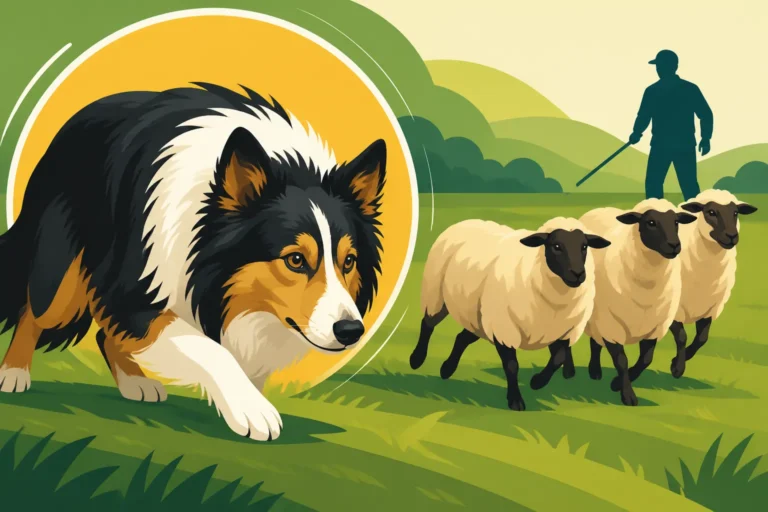
Collies are magnificent herding dogs, and while most pet Collies won't be rounding up sheep, those deeply ingrained instincts are still very much a part of who they are. Understanding these innate behaviors, particularly herding and barking, is crucial for managing them effectively and ensuring your Collie is a well-adjusted and well-behaved family member. You can't train instinct out of a dog, but you can certainly channel and manage it.
Recognizing and Redirecting Herding Behaviors
The herding instinct in a Collie can manifest in several ways in a family home. You might notice your Collie circling family members, particularly children, trying to "gather" them. They might gently nudge you or nip playfully at heels (especially when you're moving fast). While this can be cute, it can also be disruptive or even frustrating for children who don't understand it. Instead of trying to suppress it entirely, the key is to recognize it and redirect it to appropriate outlets. Why a Collie Herds Your Children is because they are doing what they were bred to do.
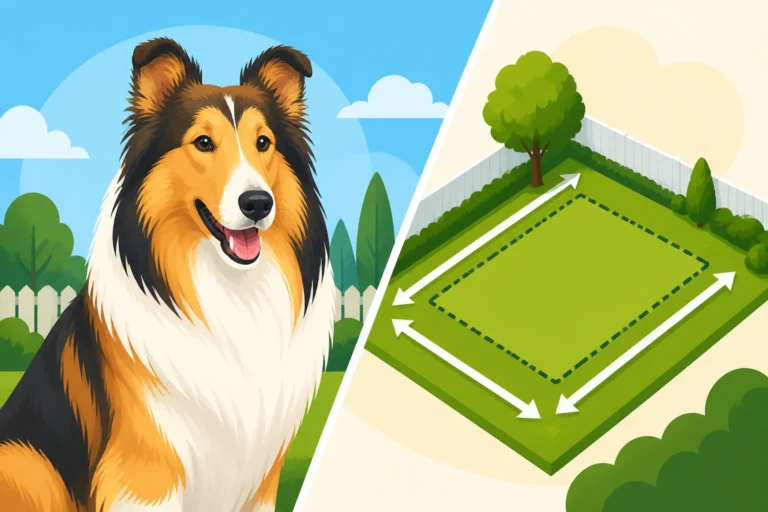
Provide plenty of opportunities for structured play that mimics herding, like fetch, flirt poles, or even organized "herding games" with large, soft balls in a fenced yard. Enroll in a herding instinct test or a beginner herding class if you have access to one; it's fascinating to watch their natural talents emerge, and it provides an excellent mental and physical outlet. Teaching a solid "leave it" and "come" command can also be invaluable when your Collie starts to fixate on moving objects or people, allowing you to interrupt and redirect their focus.
Tackling Puppy Barking Habits
Let's be realistic: Collies can be barkers. It's a natural part of their herding dog lineage – they needed to use their voice to control livestock and alert shepherds to potential dangers. As puppies, this often starts as excitement, attention-seeking, or simply communicating their needs. However, if not managed, it can quickly escalate into a constant source of frustration for owners and neighbors alike. Whether a Collie Barks While You Are Out is a common concern for many owners.
The first step is to identify why your Collie puppy is barking. Are they bored? Lonely? Alerting to something outside? Once you understand the trigger, you can address it. For attention-seeking barking, ignore it completely until there's a moment of quiet, then reward. For alert barking, teach a "quiet" cue. Let them bark once or twice, acknowledge what they're barking at, then say "quiet" and reward them for stopping. Management is also key: blocking visual access to windows can reduce trigger barking. Remember, you're not trying to stop them from ever barking, but rather teaching them when and for how long it's appropriate. Whether a Collie Learns to Bark on Cue can also be a useful exercise, giving them an outlet that you control.
The Importance of Mental Engagement
Because Collies are so intelligent and historically worked alongside humans, they truly thrive on mental engagement. This is especially true during their first year, when their brains are developing rapidly and they're eager to learn about the world. Without sufficient mental stimulation, even a well-exercised Collie can become bored, destructive, or anxious. A simple walk around the block might satisfy their physical needs, but it often won't satisfy their intellectual ones.
Incorporate activities that challenge their minds every day. This could be dedicated training sessions where you teach new commands or tricks, using puzzle feeders for their meals, playing scent games around the house or yard, or enrolling in dog sports like obedience, rally, or even agility (once their growth plates are closed). Providing these outlets not only keeps them happy and engaged but also strengthens your bond, as you become the provider of fun and interesting challenges. Forty Five Minutes a Day, and Half of It in Its Head is a great mantra for Collie owners.
Building a Lifelong Bond: Trust and Consistency
The first year with your Collie puppy is a period of intense learning and development, not just for them, but for you too. It's during this foundational year that you truly begin to understand each other, establishing the trust, respect, and communication that will underpin your entire relationship. Building a lifelong bond with your Collie isn't just about feeding and walking them; it's about being their advocate, providing predictability, and celebrating every small victory along the way.
Being Your Collie's Advocate
Your Collie relies on you to be their voice, their protector, and their guide in a sometimes-confusing human world. This means advocating for their needs, especially their need for space and gentle interactions. For a sensitive breed like the Collie, this might mean politely telling well-meaning strangers not to rush up to them, or ensuring children understand how to interact respectfully. It means recognizing when they're overwhelmed or uncomfortable and stepping in to remove them from the situation.
Advocacy also extends to their health and well-being. Keeping up with vet appointments, understanding their breed-specific health concerns like Collie Eye Anomaly Affects Most Collies, So Ask How Badly, and ensuring they have appropriate food and exercise are all parts of being a responsible advocate. By consistently demonstrating that you are looking out for their best interests, you reinforce their trust in you, deepening your bond.
The Power of Routine and Predictability
Collies, like many dogs, thrive on routine and predictability. Knowing what to expect throughout their day reduces anxiety and helps them feel secure. During that first year, establishing a consistent schedule for feeding, potty breaks, walks, playtime, and rest periods is incredibly beneficial. Your puppy will quickly learn the rhythm of the household, which in turn makes house training easier and reduces stress. Whether a Collie Needs a Predictable Routine is a resounding yes, especially for a sensitive and intelligent breed that appreciates order.
While life inevitably throws curveballs, strive for as much consistency as possible in their core daily structure. Even small rituals, like a particular phrase before mealtime or a certain sequence of events before bed, can be reassuring. This predictability creates a stable environment where your Collie feels safe and confident, allowing them to relax and truly become a cherished member of your family, rather than constantly second-guessing what's coming next.
Celebrating Milestones and Enjoying the Journey
Amidst all the training, the occasional puppy mischief, and the developmental leaps, don't forget to pause and celebrate the small victories and enjoy the sheer joy of having a Collie puppy. From the first time they respond to their name to mastering a new trick, or simply snuggling contentedly at your feet, each moment contributes to the tapestry of your life together. Their first year is a time of immense growth, and it flies by faster than you can imagine.
Take photos, jot down funny anecdotes, and really soak in the puppy breath and the clumsy play. The bond you build during this foundational year is precious and will carry you through many happy years to come. Collies are loyal, intelligent, and deeply devoted companions, and that first year is where the true magic of your connection begins to blossom. Embrace the journey, the ups and downs, and cherish every moment with your beautiful, fluffy friend.
Disclaimer
This article is for general informational purposes only and does not constitute professional advice. Laws, prices and regulations vary by location and change over time. Consult a qualified professional for guidance on your specific situation.