Where to Socialize a Collie Puppy
The journey of bringing a sweet Collie puppy into your home is filled with joy, but it also comes with the weighty responsibility of setting them up for a happy, well-adjusted life. One of the biggest challenges, and often a source of anxiety for new owners, is figuring out where and how to safely introduce your sensitive little floof to the big, wide world. This guide will walk you through the best places and strategies to ensure your Collie puppy grows into a confident, calm companion, avoiding common pitfalls along the way.
Why Early Socialization is Absolutely Non-Negotiable for a Collie Puppy
Let's be real: Collies, with their gentle nature and intelligent eyes, are often painted as the picture of canine serenity. While that's largely true, they can also be incredibly sensitive and, if not properly socialized, can develop anxieties, fearfulness, or become overly reactive. The critical window for socialization, typically between 3 and 16 weeks of age, is a precious, fleeting time that profoundly shapes their adult personality. Missing this window, or doing it improperly, can have lasting consequences, leading to a dog who struggles with new experiences, people, or other animals.
Imagine your Collie puppy, a tiny sponge absorbing every new sensation. Without positive exposure during this formative period, those novel experiences can quickly turn into perceived threats. A sudden loud noise, a stranger reaching out too quickly, or an unexpected encounter with another dog can all be traumatic if the puppy hasn't built a resilient foundation. This isn't just about preventing aggression; it's about fostering a dog that can navigate life's everyday situations with grace and confidence. A well-socialized Collie is less likely to become a frantic barker at the mail carrier or a shrinking violet when guests arrive. It truly makes a world of difference.
For Collies specifically, whose breed standard often describes them as devoted, intelligent, and elegant, maintaining their composure and friendly demeanor is paramount. They are thinkers and observers, and without a diverse range of positive experiences, they might default to caution or even apprehension. Their natural sensitivity means that negative experiences can be deeply ingrained. Therefore, our goal isn't just exposure, but positive, controlled exposure, building good associations with everything they will encounter in their future lives. This investment now pays dividends for years to come, ensuring you have the stable, loving companion you dreamed of. You want to avoid an undersocialized Collie who may be naturally timid, and help them to build confidence in a variety of situations.
Safe Havens: Best Places to Start Your Collie Puppy's Social Journey
When you're first thinking about socializing your Collie puppy, it's easy to picture bustling dog parks or crowded street fairs. But for a young, impressionable pup, especially one with a Collie's sensitive soul, starting in such intense environments can be overwhelming and counterproductive. The key is gradual exposure, starting with secure, low-stress environments where you can control the interactions.
Your Own Home and Yard: The First Classroom
Believe it or not, your own home is the very first and most important socialization environment for your Collie puppy. This is where they learn about the sights, sounds, and rhythms of daily life that will become their normal. Introduce them to different surfaces: carpet, tile, hardwood, grass, concrete. Let them hear the vacuum cleaner, the doorbell, the washing machine, and various types of music. Don't just expose them; create positive associations. When the vacuum is running, offer a high-value treat. When the doorbell rings, calmly go to the door, reward them for quiet observation, and then let a familiar family member step in.
Think about human interactions too. Your family members are their first "strangers." Ensure everyone handles the puppy gently, exploring ears, paws, and mouth to get them used to vet exams and grooming. Introduce different hats, glasses, or even crutches if a family member uses them. The more variety you introduce in a safe, familiar context, the better prepared they'll be for the outside world. This foundation also includes learning basic manners and boundaries, which is crucial before venturing out.
Trusted Friends' Homes with Calm Pets or People
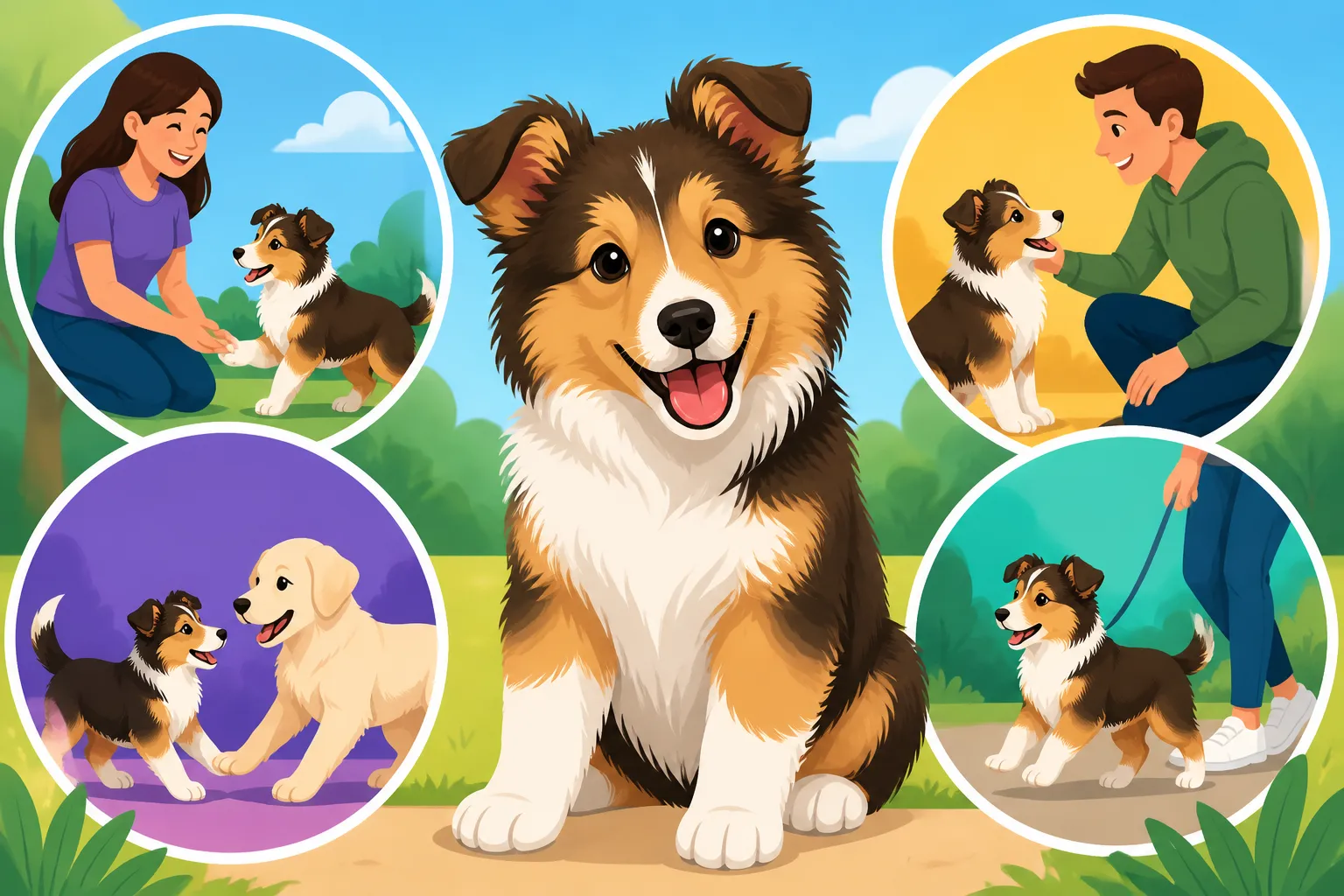
Once your puppy is comfortable in their own castle, expand their world to include a few trusted friends' or family members' homes. The emphasis here is on trusted and calm. If your friend has a well-socialized, gentle adult dog who is known to be good with puppies, this can be an excellent low-pressure introduction to another canine. Supervise closely, ensuring the adult dog isn't overwhelming the puppy and that the puppy has an escape route. These one-on-one sessions are far more valuable than throwing a young pup into a chaotic group.
Similarly, visiting a friend's home exposes your puppy to new human scents, different furniture, and unfamiliar household sounds without the sensory overload of a public place. It's about building positive associations with newness in a controlled, supportive setting. Always bring high-value treats and a familiar comfort item, like a favorite blanket or toy, to make the experience even more positive. Remember, short, positive visits are better than long, stressful ones.
Puppy Socialization Classes: Structured Learning and Play
This is perhaps one of the most highly recommended avenues for Collie puppy socialization, and for good reason! A well-run puppy class, often offered by local training facilities or even some veterinary clinics, provides a structured and safe environment for puppies to interact with each other and with new people. Crucially, these classes are typically led by certified professional dog trainers who understand puppy development and can facilitate appropriate play.
In these classes, puppies learn bite inhibition, proper play manners, and gain confidence around other dogs of similar age and size. Beyond canine interactions, these classes often incorporate exposure to different sounds, objects, and types of handling, all under expert guidance. Many online platforms also offer valuable resources. For instance, programs like those from BAXTER & Bella can provide excellent guidance on at-home socialization exercises, preparing you and your puppy for in-person classes or supplementing them. Look for classes that require proof of vaccinations and focus on positive reinforcement methods. The First Year With a Collie Puppy will cover even more ground on getting your young pup off to a good start.
Navigating the Wider World: Expanding Your Collie Puppy's Horizons Safely
Once your Collie puppy has a solid foundation of positive experiences in controlled settings, it’s time to slowly, carefully, and positively introduce them to the broader world. Remember, the goal isn't just exposure, but positive exposure. We want them to see new things and associate them with good feelings – treats, praise, and comfort from you.
Pet-Friendly Stores: A Scent and Sight Extravaganza
Pet-friendly stores, like larger pet supply chains or even some hardware stores, can be fantastic environments for socialization. The key here is brief visits focusing on observation rather than intense interaction. Take your Collie puppy in, let them sit in the cart or walk for a short period, and simply observe the sights, sounds, and smells. People often want to greet puppies, which is generally good, but ensure they approach calmly and offer treats if appropriate.
The sensory input from these stores is immense: different flooring, carts rolling, people chatting, the distinct smells of various pet products. These are all valuable experiences. Keep the visits short, maybe 10-15 minutes at first, and always end on a positive note. A quick trip to a local chain like PetSmart or Petco, just to sit by the entrance and watch people walk by while you give them treats, can be incredibly beneficial. Avoid the temptation to let them interact with every dog; prioritize positive observation over forced greetings.
Quiet Outdoor Cafes or Patios: People Watching 101
For a Collie puppy, learning to be calm and settled in public is a huge win. Quiet outdoor cafes or restaurant patios offer a wonderful opportunity for this. Choose a time when it’s not too busy, and find a spot where your puppy can lie comfortably under your table, out of the main thoroughfare. Bring a mat or blanket for them to settle on, and reward them for calmly observing the world. This helps them learn that busy environments can also be relaxing spaces.
The value here is immense: your puppy is exposed to people talking, dishes clanking, different footwear, and the general hum of human activity, all while feeling secure next to you. It teaches them to filter out distractions and focus on you, or simply to relax in a public setting. It’s not about meeting people or other dogs, but about simply being in a new, moderately busy place and having a positive, peaceful experience. This kind of calm exposure builds resilience.
Controlled Walks in Varied Neighborhoods: Embracing Novelty
Beyond your immediate block, take your Collie puppy on short, controlled walks in different neighborhoods. This exposes them to different houses, cars, sounds, and types of people. One day, walk past a school when kids are out, observing from a distance. Another day, walk past a construction site (again, from a safe distance) to acclimate them to loud, unusual noises. The goal is to make every new sight and sound a non-event, or even better, a positive one with a treat.
Focus on leash manners and polite greetings. If someone approaches to pet your puppy, ensure they ask first, approach slowly, and offer a treat if you're comfortable. Teach your puppy to greet politely, not to jump. This also helps you observe your puppy's reactions to different stimuli and gives you opportunities to intervene positively if they seem overwhelmed. Remember that Whether a Collie Copes With a House Move later in life can be heavily influenced by how well they adapted to varied environments as a pup.
Car Rides and Vet Visits: Making Necessity a Positive Experience
Car rides and vet visits are unavoidable parts of a dog's life, so it's vital to make them as positive as possible from the start. Start with short, fun car rides – just around the block, ending with a treat and praise. Gradually increase the duration. Associate the car with good things, not just trips to the vet. For vet visits, schedule "happy visits" where you just go in, let the staff give your puppy a treat and some gentle pets, and then leave, no pokes or prods involved.
This proactive approach significantly reduces anxiety around these common, but often stressful, events. If your Collie associates the car with pleasant outings to the park or a friend's house, and the vet's office with friendly faces and tasty snacks, future necessary trips will be much smoother. Don't wait for an emergency to introduce these experiences; weave them into their routine from puppyhood.
Common Pitfalls and How to Avoid Them in Collie Puppy Socialization
Socializing a Collie puppy isn't just about what you do, but also what you avoid. Mistakes during this sensitive period can undo weeks of good work and even create lasting fear or reactivity. Understanding these common missteps is key to guiding your puppy successfully.
The Allure and Danger of Dog Parks (Especially Too Early)
One of the biggest temptations for new puppy owners is the dog park. It seems like the perfect place for socialization, right? A big open space, lots of dogs! However, for a young Collie puppy, dog parks, particularly before they are fully vaccinated and have developed proper social skills, can be an absolute disaster. The environment is uncontrolled; you have no guarantee of the temperament or health status of the other dogs. A rude, overly boisterous, or even aggressive dog can quickly traumatize a sensitive Collie puppy, leading to lifelong fear of other canines.
Instead of a free-for-all dog park, prioritize structured puppy classes or controlled one-on-one playdates with known, friendly, vaccinated adult dogs. Think quality over quantity. Your goal is positive experiences, not just any experience. If you do eventually consider dog parks when your Collie is older and well-socialized, choose quieter times and always be ready to intervene or leave if interactions become too intense. Whether a Collie Belongs at a Dog Park is a topic many owners grapple with.
Overexposure or Forceful Interactions: Less is Often More
It's easy to think that more exposure is always better, but forcing a shy or overwhelmed Collie puppy into interactions can be just as damaging as no socialization at all. Watch your puppy's body language closely. Are they tucking their tail, trying to hide behind you, yawning excessively, lip licking, or pulling away? These are signs of stress. Pushing them to "get over it" will only increase their fear and erode their trust in you.
Socialization sessions should be short, positive, and always allow your puppy a choice to engage or disengage. If they seem uncomfortable, calmly remove them from the situation. The goal is to build confidence, not to force them into uncomfortable situations. Always prioritize positive reinforcement, using treats and praise to reward calm, curious behavior. Remember, a Collie reads a room better than it reads a command, so they'll notice your mood and the overall vibe.
Ignoring Subtle Body Language Cues
Collies are expressive, but sometimes their distress signals can be subtle. As their primary caregiver, it's your job to become fluent in their language. A hard stare, a stiff body, ears pinned back, or even turning their head away can all be signs of discomfort before a growl or snap. Learning to read these signals will allow you to intervene before your puppy becomes truly overwhelmed.
Understanding when your puppy is having a good time versus when they are stressed or fearful allows you to adjust the environment, remove them from a situation, or offer reassurance and space. This awareness prevents negative associations from forming and strengthens the bond of trust between you and your pup. Being attuned to their needs is the bedrock of successful socialization.
Lack of Variety and Not Continuing Socialization Beyond Puppyhood
Socialization isn't just about meeting dogs; it's about exposure to a vast array of people (different ages, genders, appearances), sounds (traffic, music, sirens), sights (umbrellas, bicycles, children playing), surfaces (grates, stairs, slick floors), and environments. A puppy solely exposed to other dogs in one park, or only to people in your immediate family, will still be undersocialized. Think broadly about the world you want your Collie to comfortably inhabit.
Furthermore, socialization isn't a one-and-done event that ends at 16 weeks. It's an ongoing process throughout your Collie's life. Adolescence can bring new fears or reactivity, and continued, positive exposure helps reinforce those good early lessons. Regular trips to new places, continued positive interactions, and occasional refresher classes can help maintain a well-adjusted adult Collie. Think of it as continued education for their emotional well-being. Keeping up with training and exposure will help avoid an adolescent Collie who stops listening or reverts to fearful behavior.
| Environment Type | Socialization Value (Collie Puppy) | Key Considerations & Risks |
|---|---|---|
| Your Home/Yard | Fundamental exposure to household sounds, textures, family members. | Can be too sterile; needs careful introduction of novelty. |
| Trusted Friends' Homes | New smells, sounds, people, and potentially calm adult dogs in controlled settings. | Ensure host dogs are truly gentle and well-vaccinated. Keep visits short. |
| Puppy Classes | Structured play with peers, professional guidance, varied stimuli. | Choose reputable trainers; verify vaccination requirements for all pups. |
| Pet-Friendly Stores | Exposure to sights, sounds, smells, different surfaces, calm people. | Prioritize observation; avoid forced dog-dog interaction. Keep visits brief. |
| Quiet Outdoor Cafes | Learning to settle in public, ambient noise exposure, people watching. | Avoid busy times; ensure puppy can relax comfortably out of the way. |
| Varied Neighborhood Walks | Diverse sights, sounds (traffic, kids, construction), people types. | Supervise closely; manage interactions; focus on positive observation. |
| Vet Office (Happy Visits) | Positive association with necessary medical care and personnel. | Schedule visits specifically for positive reinforcement, no procedures. |
| Dog Parks (Early) | High risk of negative, overwhelming, or traumatic experiences. | Avoid entirely for young puppies; consider only for well-adjusted adults later. |
Disclaimer
This article is for general informational purposes only and does not constitute professional advice. Laws, prices and regulations vary by location and change over time. Consult a qualified professional for guidance on your specific situation.