Whether a Collie Is Easy to House Train
Bringing a new Collie puppy into your home is one of life's true joys, but let's be honest, it often comes with a secret dread: house training. We all want a clean home, and nobody wants a puppy who struggles to understand where to do their business. You might be wondering, given their reputation for intelligence, just how easy is it to house train a Collie? Well, I'm here to tell you that with the right approach and a little patience, house training your smart, sensitive Collie can be a surprisingly smooth journey.
Understanding the Collie's Natural Aptitude for House Training
Collies are truly special dogs, and their inherent qualities actually give them a leg up when it comes to learning the rules of your home, including where to potty. It's not just luck; it's a combination of their sharp minds and their deep desire to please their human family.
The Collie's Intelligence and Desire to Please
If you've spent any time around a Collie, you know they're highly intelligent. They pick up on routines, understand nuances in your tone, and are often several steps ahead in anticipating what you want. This isn't a breed that requires endless repetition to grasp a concept; they're thinkers, problem-solvers, and observers. When it comes to house training, this intelligence means they can quickly associate going outside with positive outcomes and staying clean indoors with your approval.
Beyond their brains, Collies possess an incredibly strong desire to please their owners. They thrive on connection and positive reinforcement, making them highly biddable. They truly want to do what makes you happy and earn your praise. This isn't to say every Collie will be a perfect student from day one—they are still puppies, after all—but their eagerness to cooperate makes them wonderfully receptive to consistent, kind training methods. They learn quickly that eliminating outside brings rewards and avoids any unpleasantness indoors. This inherent motivation is a huge asset in getting them house-trained efficiently. It's why A Collie Reads a Room Better Than It Reads a Command, and that applies directly to understanding your expectations for where they should relieve themselves.
Cleanliness Instincts and Den Behavior
Another significant factor working in your favor with a Collie is their natural instinct for cleanliness, particularly if they are introduced to a crate early on. Like many canines, Collies have an innate desire to keep their sleeping and eating areas clean. In the wild, a dog's den is their safe haven, and they instinctively avoid soiling it. This instinct carries over to the domestic environment.
When you incorporate Crate Training a Collie Puppy into your house training plan, you're leveraging this natural inclination. A properly sized crate, which is just big enough for your Collie to stand up, turn around, and lie down comfortably, becomes their "den." Because they don't want to mess up their den, they will often hold their bladder or bowels for longer periods, rather than soiling their personal space. This not only prevents accidents inside the house but also strengthens their muscles for bladder and bowel control. When you take them out of the crate and immediately outside, they quickly learn to associate the outdoors with elimination, reinforcing the desired behavior. It's a powerful tool that works with their natural tendencies, not against them.
Common Challenges and How to Overcome Them
While Collies generally have a good aptitude for house training, it's not always a completely smooth sail. Puppies, regardless of breed, come with small bladders and a lot to learn. Understanding the potential bumps in the road can help you prepare and react effectively.
Inconsistent Routines and Communication Gaps
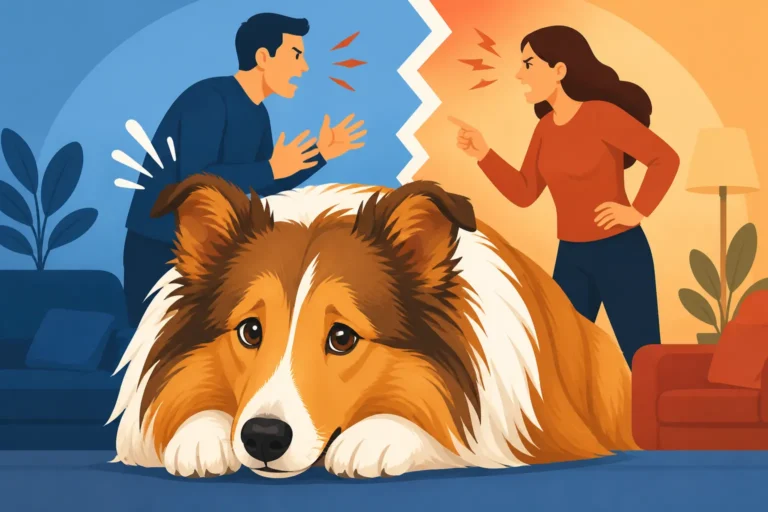
One of the biggest hurdles in house training isn't the puppy's fault; it's often a lack of consistent routine from the humans. Puppies thrive on predictability, especially when learning something as fundamental as where to relieve themselves. If your schedule for taking your Collie puppy outside is erratic, or if different family members have different ideas about how often the puppy should go out, your poor Collie will get mixed signals. This confusion can lead to accidents indoors, not because they're being stubborn or naughty, but because they simply don't understand the pattern.
Overcoming this requires a family meeting and a commitment to a strict schedule. Everyone in the household needs to be on the same page about designated potty breaks, using the same verbal cues (like "go potty" or "outside"), and offering consistent rewards. Pay close attention to your Collie's subtle signals, like sniffing the ground, circling, or heading for the door. These are their attempts to communicate, and it's our job to understand and respond promptly. Being proactive and always taking your puppy out before an accident happens is key. Remember, The First Year With a Collie Puppy is all about laying these crucial foundations.
Puppy Bladders and Developing Control
Let's be realistic: a young Collie puppy simply doesn't have the physical ability to "hold it" for very long. Their bladders are tiny, and their muscles for control are still developing. Expecting a tiny eight-week-old puppy to go hours between potty breaks is setting them up for failure and frustration for both of you. This physical limitation is not a behavioral issue; it's purely developmental.
The rule of thumb for how long a puppy can hold it is often their age in months plus one, in hours. So, a two-month-old puppy might be able to hold it for about three hours during the day, but even less after waking up, eating, or playing. As they get older, their physical control improves, allowing for longer intervals. The solution here is patience and frequent potty breaks. Don't wait for your puppy to signal; take them out preemptively and often. This frequent reinforcement of outdoor elimination helps them build the habit and strengthens their developing bladder control.
Distractions and Environmental Factors
The world is a fascinating place for a Collie puppy, and sometimes, the sheer excitement of it all can be a distraction from the task at hand. You take your puppy outside for a potty break, and instead of doing their business, they're busy sniffing every blade of grass, chasing a leaf, or trying to greet a squirrel. They might get so caught up in exploring that they "forget" why they're out there, only to come back inside and have an accident a few minutes later when the excitement of the outdoors has worn off.
Environmental factors like weather can also play a role. Some Collies might not appreciate going out in the rain or snow, and they might rush their business or try to hold it. To tackle distractions, choose a designated potty spot that's relatively quiet and free of major temptations initially. Keep outdoor potty breaks focused and somewhat boring at first – go out, do business, get rewarded, then come back in for play. If they're reluctant due to weather, use an umbrella for you and them, or create a small sheltered area. The goal is to make the outdoor potty experience consistent and successful every time, reinforcing the correct behavior. Remember, Where to Socialize a Collie Puppy is important, but focused potty breaks are also vital.
A Step-by-Step Guide to Successful House Training Your Collie
Successfully house training your Collie puppy is a marathon, not a sprint, but with a clear, consistent plan, you'll reach the finish line. It's all about setting your puppy up for success and communicating clearly.
Establishing a Predictable Schedule
The cornerstone of successful house training is a rock-solid, predictable schedule. Puppies thrive on routine, and knowing exactly when they'll have the opportunity to relieve themselves dramatically reduces accidents. Think of yourself as your Collie's personal potty scheduler for the first few weeks or months.
Here’s how to establish that schedule:
- First Thing in the Morning and Last Thing at Night: As soon as your Collie wakes up, even before you've had your coffee, they need to go out. Likewise, the very last thing you do before you turn in for the night is take them out. These are non-negotiables.
- After Meals: Within 15-30 minutes after your Collie eats or drinks a significant amount of water, their digestive system will kick into gear. Plan for a potty break after every meal.
- After Naps: Just like us, when a puppy wakes up from a nap, their bladder will likely be full. Take them out immediately.
- After Play/Excitement: Any period of energetic play, training, or high excitement can stimulate the need to go. If your Collie has been romping around, take them out for a break.
- Every Few Hours: For young puppies (under 4 months), this means every 2-3 hours, even if they haven't just done one of the above activities. Set an alarm on your phone if you need to!
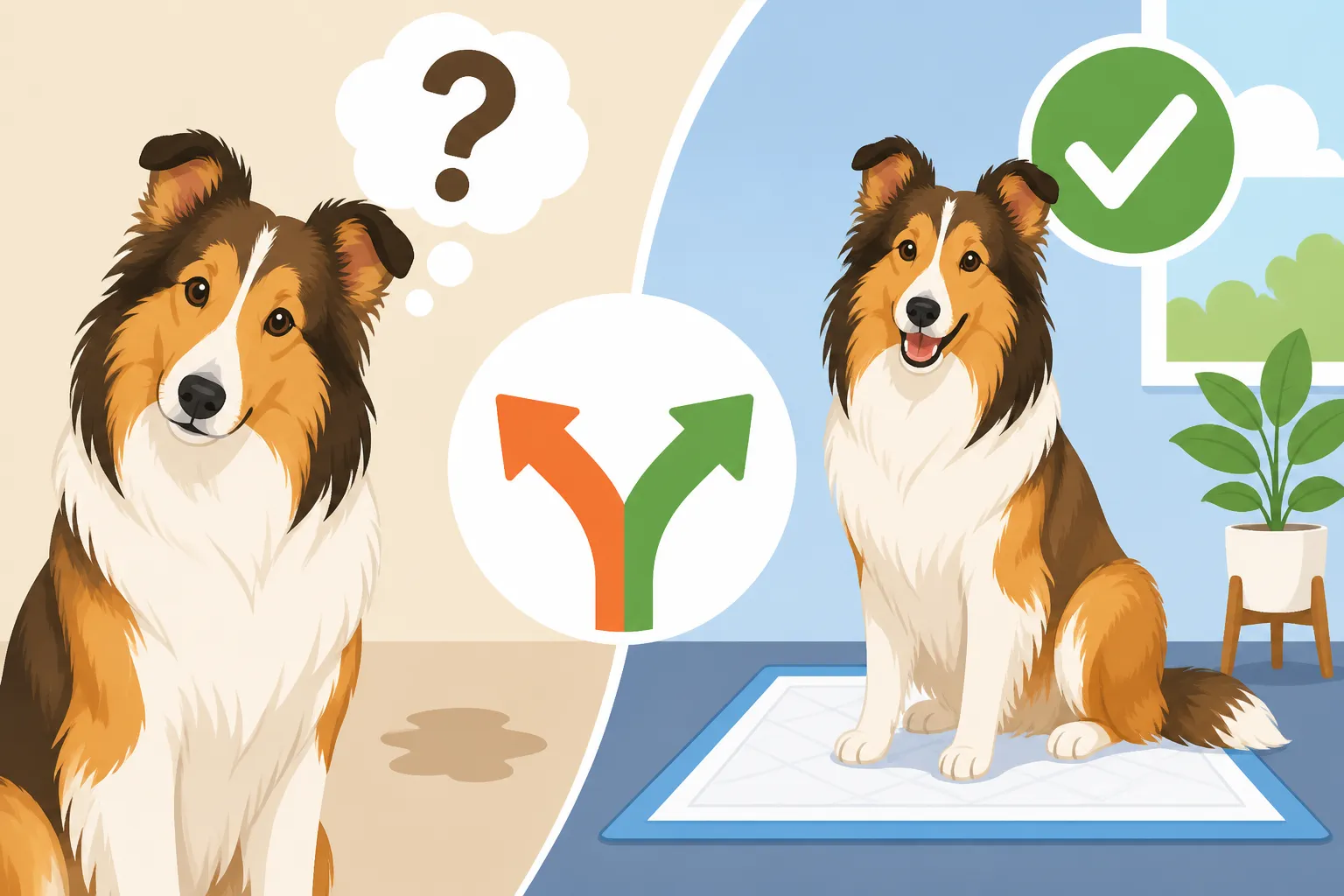
Always take your Collie to the same designated potty spot outside. This familiar scent helps them understand what they're supposed to do. Once they eliminate, immediately praise them lavishly and give a high-value treat. This positive reinforcement solidifies the connection. If you have an accident indoors, clean it thoroughly with an enzymatic cleaner you can find on Amazon to eliminate the scent, which might otherwise encourage repeat offenses. Never scold or punish your Collie for an accident; they don't understand punishment after the fact, and it can just make them afraid to potty in front of you.
Here's a sample daily schedule to get you started, but remember, every puppy is an individual, so adjust as needed:
| Time | Activity | Notes |
|---|---|---|
| 7:00 AM | Wake Up & Potty Break | Immediately outside! |
| 7:15 AM | Breakfast | Water available |
| 7:45 AM | Potty Break | After eating/drinking |
| 8:00 – 9:00 AM | Play/Training | Mental stimulation is key for Collies |
| 9:00 AM | Potty Break | After activity |
| 9:15 AM | Nap/Crate Time | Leverage their clean den instinct |
| 11:00 AM | Wake Up & Potty Break | Immediately outside |
| 11:15 AM | Lunch (if applicable) | Or water break/light play |
| 11:45 AM | Potty Break | After eating/drinking |
| 12:00 PM – 2:00 PM | Play/Short Walk | Or training session; What Motivates a Collie is often food. |
| 2:00 PM | Potty Break | After activity |
| 2:15 PM | Nap/Crate Time | |
| 4:00 PM | Wake Up & Potty Break | Immediately outside |
| 4:15 PM | Dinner | Water available |
| 4:45 PM | Potty Break | After eating/drinking |
| 5:00 – 6:30 PM | Family Time/Gentle Play | Keep an eye out for signals |
| 6:30 PM | Potty Break | Before winding down |
| 8:00 PM | Last Call Potty Break | Before bed |
| 8:15 PM | Crate for Night | Good night! |
Crate Training for Housebreaking Success
As mentioned before, crate training is an invaluable tool for house training your Collie. It taps into their natural denning instincts and helps prevent accidents when you can't actively supervise them. A crate, when used correctly, is not a punishment but a safe, cozy space for your puppy.
To effectively use a crate for house training:
- Size Matters: Choose a crate that's just large enough for your Collie to stand up, turn around, and lie down comfortably. If it's too big, they might use one end as a bathroom, defeating the purpose. Many crates come with dividers, allowing you to expand the space as your puppy grows.
- Positive Association: Introduce the crate in a positive way. Toss treats or favorite toys inside, and let your Collie explore it on their own terms. Feed meals in the crate, and praise them for going in. Never force them into the crate or use it for punishment. This can build negative associations.
- Scheduled Stays: Use the crate for naps, short periods when you can't supervise, and overnight. Always take your Collie directly out of the crate and immediately to their designated potty spot. This reinforces the idea that the crate is for sleeping and holding it, and outside is for potty.
- Gradual Increase: Gradually increase the time your Collie spends in the crate. Start with short periods (15-30 minutes) and build up as they get more comfortable and gain bladder control. Never leave a young puppy in a crate for excessive periods; they simply can't hold it that long. This system greatly supports your overall house training efforts by giving your Collie a clear sense of boundaries and expectations.
Positive Reinforcement and Rewards
Collies respond incredibly well to positive reinforcement. They thrive on praise, attention, and tangible rewards, and Harsh Handling Breaks a Collie and It Does Not Come Back. When your Collie eliminates outside, make it the best party ever! Shower them with verbal praise ("Good potty!"), offer enthusiastic petting, and, most importantly, provide a high-value treat immediately. The timing is crucial; the reward needs to happen within seconds of them finishing their business so they clearly associate the action with the treat.
Vary your rewards to keep things exciting. Sometimes it's a small piece of cooked chicken, other times it's a favorite toy, or even a quick game of fetch. The goal is to make going potty outside the most rewarding experience possible. Avoid any punishment or scolding if you catch them having an accident inside. A sharp "Ah-ah!" to interrupt them and then a quick scoop up and dash outside is generally the most effective response if you catch them in the act. If you find a puddle or pile after the fact, simply clean it up without any fuss. Your Collie won't understand why they're being reprimanded, and it can create fear or anxiety around eliminating in your presence, making house training even harder. Consistency and positive reinforcement are your greatest allies in teaching your Collie to be clean. Training resources, such as those offered by BAXTER & Bella, often emphasize these gentle, effective methods.
Beyond the Basics: Advanced Tips for a House-Trained Collie
Once your Collie has a good handle on house training, it doesn't mean you can completely forget about it. There are always ways to refine their understanding, handle the inevitable setbacks, and ensure those good habits last a lifetime.
Recognizing and Responding to Signals
Even the most well-trained Collie will still give you signals when they need to go out. Learning to read these subtle cues is paramount to preventing accidents, especially as your Collie gets older or if their routine changes. Your Collie won't always bark or scratch at the door, although some might!
Look for more subtle signs such as:
- Restlessness: Pacing, circling, or seeming unable to settle down.
- Sniffing: Intensively sniffing the floor, particularly in areas where they've had accidents before.
- Whining or Soft Barks: A low whine or a soft bark directed at you or the door.
- Heading for the Door: Simply walking towards the exit and looking back at you expectantly.
- Suddenly Disappearing: A Collie who suddenly slips away to a quieter, less trafficked part of the house might be looking for a discreet spot.
Every Collie is an individual, and over time, you'll learn your dog's unique "gotta go" dance. The key is to respond immediately. Drop what you're doing and take them out. Being proactive and always being a step ahead of your Collie's needs reinforces their good habits and strengthens your bond. It's truly amazing how a Collie reads its owner's mood and how you can learn to read theirs in return.
Dealing with Setbacks and Regressions
Let's face it, regressions happen. Maybe your perfectly house-trained Collie suddenly has an accident indoors, or a puppy who was doing great starts having mishaps again. It's incredibly frustrating, but it's important not to panic or get angry. Instead, treat it as a puzzle to solve.
First, rule out medical issues. A sudden change in house training can often be a sign of a urinary tract infection, bladder stones, or other health problems. A quick trip to the vet can either identify and treat the issue or give you peace of mind that it's purely behavioral.
If it's not medical, then go back to basics. Re-evaluate your schedule: has anything changed? Are you taking them out often enough? Have you been less consistent with praise and rewards? Reduce their freedom in the house temporarily, confining them to a smaller, supervised area or using the crate more frequently. Increase the frequency of outdoor potty breaks and be extra vigilant with supervision. Review your positive reinforcement. Sometimes, we get complacent once a puppy is house trained, and a refresher course helps. It’s okay; it’s a normal part of dog ownership, and with Collies, their desire to please means they'll likely pick it back up quickly.
Maintaining Good Habits Long-Term
House training isn't just about the puppy stage; it's about establishing habits that last your Collie's entire life. Even a fully grown, perfectly house-trained Collie benefits from a predictable routine. Changes in your household, such as a new work schedule, moving to a new home, or even going on vacation, can sometimes temporarily disrupt a Collie's routine and lead to confusion.
To maintain excellent habits:
- Keep a Routine: While not as strict as puppyhood, try to maintain consistent feeding times and regular outdoor access.
- Always Supervise in New Environments: When you travel or move, treat your adult Collie like a puppy again for a few days. Frequent potty breaks, leashed supervision, and praise for outdoor elimination will help them adjust quickly.
- Trust, But Verify: Even if your Collie hasn't had an accident in years, if they give you a subtle signal, take them seriously. A quick trip outside is always better than a cleanup.
- Consider a Bell: Some owners train their Collies to ring a bell by the door to signal when they need to go out. This can be a wonderful, clear communication tool for an older, reliable dog.
Remember that How Long House Training a Collie Puppy Takes varies, but the investment you make in those early months pays dividends for years to come. Your Collie's intelligence and strong bond with you make them excellent students, and with consistency and positive reinforcement, you'll soon have a reliably clean and happy companion.
Disclaimer
This article is for general informational purposes only and does not constitute professional advice. Laws, prices and regulations vary by location and change over time. Consult a qualified professional for guidance on your specific situation.