A Collie Reads a Room Better Than It Reads a Command
Many Collie owners find themselves scratching their heads when their incredibly smart dog seems to ignore a simple "sit" command, yet somehow knows when someone's upset in the next room, or even anticipates that you're about to grab the car keys. It's not that your Collie isn't intelligent; it's that their intelligence operates on a different, often more nuanced, frequency. This guide is here to unravel that unique Collie mindset, helping you understand why your furry friend is less about rote commands and more about truly reading their world and the people in it.
Understanding the Collie's Unique Intelligence and Empathy
Collies are often lauded for their beauty and grace, but beneath that stunning coat lies a mind that's deeply perceptive and emotionally attuned. They're not just "smart" in the way a Border Collie might be quick to learn complex sequences; Collies possess a form of emotional and observational intelligence that makes them exceptional companions, albeit sometimes challenging students if you're expecting a robot-like obedience. Their intelligence is less about memorizing commands and more about understanding context, intention, and the subtle currents of human emotion.
The Observational Nature of a Collie
Think of your Collie as a highly sensitive barometer for the atmosphere in your home. They are constantly observing, taking in every flicker of emotion on your face, every shift in your posture, and every nuance in your tone of voice. This isn't just a casual glance; it's a deep, continuous processing of their environment and the beings within it. They notice when you’re stressed, when you’re joyful, or when you’re simply having a quiet moment. This hyper-awareness stems from their herding lineage, where reading subtle changes in livestock and the environment was crucial for their work.
This observational skill means they're not just waiting for a verbal cue; they're absorbing the entire situation. If you're tense and frustrated while trying to teach a new trick, your Collie will pick up on that frustration, often making them less likely to engage or even making them hesitant. They learn by watching, by anticipating, and by understanding patterns. This is why they might know you're leaving before you even pick up your purse – they've seen the sequence of events countless times. It’s a beautiful, complex trait that shapes their entire interaction with the world.
How Sensitivity Influences Learning
A Collie's profound sensitivity is both their superpower and, occasionally, their Achilles' heel in training. They are highly responsive to their owner's emotions and methods, meaning harsh words or frustrated tones can shut them down entirely. They're not typically dogs that respond well to forceful corrections or punishment. Instead, such approaches can erode their trust and make them withdraw, setting back your training efforts considerably. You might find that Harsh Handling Breaks a Collie and It Does Not Come Back, leaving a lasting impression.
This sensitivity also means they can be easily overwhelmed by chaotic environments or loud noises. A busy dog park, while stimulating for some breeds, might be too much for a sensitive Collie, leading them to be anxious or to disengage. Their learning environment needs to be calm, consistent, and full of positive reinforcement. They thrive when they feel safe, understood, and are approached with patience and kindness. This isn't weakness; it's a testament to their deep emotional processing.
More Than Just "Smart" – Emotional Intelligence
When we talk about intelligence in dogs, we often think of problem-solving or obedience. But with Collies, it’s essential to consider their emotional intelligence. They often seem to know exactly when you need a gentle nudge or a comforting presence. Many Collie owners share stories of their dogs sensing a mood shift, whether it's sadness, anxiety, or even physical discomfort, and responding with quiet affection or watchful concern. This isn't simply learned behavior; it's an innate capacity for empathy.
This emotional depth means they form incredibly strong bonds with their families. They are often described as "velcro dogs" because of their desire to be near their people, not just for physical closeness, but for emotional connection. This connection is a powerful tool in training, as a Collie's desire to please and connect with their beloved human can be a far greater motivator than any treat or toy, though those certainly help! Understanding this emotional core is key to unlocking their full potential.
The Pitfalls of Traditional Command-Based Training
When we bring a new dog into our lives, our minds often jump to a checklist of commands: Sit, Stay, Come, Down. We picture a dog that instantly responds to our every word, like a furry robot. While Collies are certainly capable of learning these commands, approaching their training with a rigid, command-centric mindset can lead to frustration for both you and your dog. Their observational intelligence means they process information differently, and traditional methods might not always align with their natural way of learning.
Why Rote Commands Fall Short
For many breeds, especially those bred for high-drive, repetitive tasks, rote memorization of commands works wonderfully. You say "sit," they sit. You say "stay," they stay. For a Collie, however, this can feel somewhat arbitrary. They aren't just hearing the word; they're evaluating the context, your tone, your body language, and the overall "room" before deciding to comply. If they perceive inconsistency or feel pressured, they might hesitate or simply offer an alternative behavior they think you actually want.
Imagine trying to teach a brilliant, emotionally complex child to simply parrot phrases without understanding their meaning or context. They might do it, but they won't truly engage. Collies are similar; they thrive on understanding why something is being asked, and if the "why" isn't clear or if their human is conveying mixed signals through their overall demeanor, a simple command can get lost in translation. This is why a frustrated owner might feel their Collie is stubborn, when in reality, the dog is just processing information in a holistic, rather than linear, fashion.
The Collie's Independent Streak
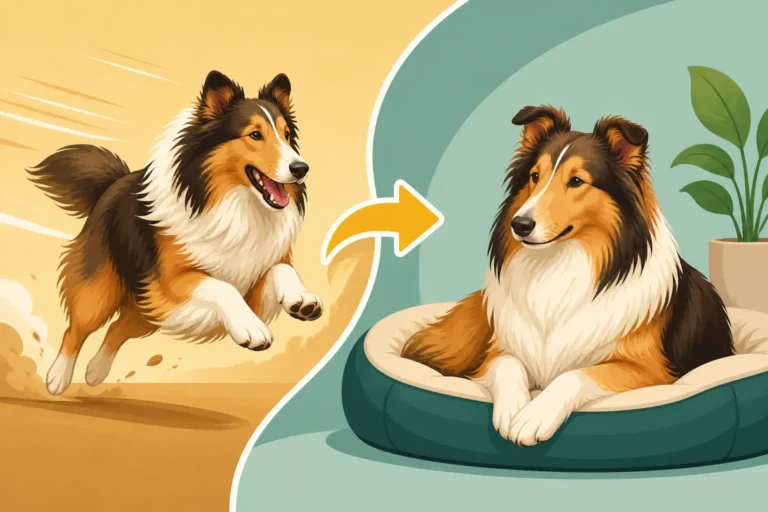
Despite their deep bond with their families, Collies also possess an independent streak, a remnant of their herding ancestry where they sometimes had to make decisions quickly and autonomously. This isn't outright defiance, but rather a capacity for independent thought. When you give a command, a Collie isn't just an empty vessel waiting to be filled; they're an active participant in the interaction, evaluating whether the command makes sense in the current situation. They may not perform a behavior if they don't see the immediate value, or if something more interesting has captured their attention.
This independence often manifests as a moment of "thought" before action. They might pause, look at you, look at the environment, and then decide. This isn't always negative; it means they're less likely to blindly follow dangerous instructions. However, it can be frustrating if you're used to a dog that snaps to attention. It requires patience and an understanding that their "delay" is often part of their intelligent processing, not an act of rebellion.
When a Collie "Chooses" Not to Listen
It can certainly feel like your Collie "chooses" not to listen, especially when you know they know a command perfectly well. You've practiced "come" in the living room a hundred times, and they've aced it. But then you're at the park, and they're sniffing something fascinating, and your "come" is met with a slow turn of the head, a hesitant step, and then a return to the sniff. This isn't usually spite. It's often a combination of their observational nature, their sensitivity, and that independent streak coming into play.
They might be distracted by the environment, which is highly stimulating for their keen senses. They might be picking up on your own underlying anxiety (e.g., "Oh no, they're not coming!"), which then makes them more hesitant. Or they might simply be weighing the perceived reward of the command against the immediate reward of whatever has captured their attention. For a Collie, the relationship and consistency are paramount. If the relationship feels strained, or if the training hasn't consistently made the "right" choice the most rewarding, they will, in a sense, choose what feels best to them in that moment. This is why it's crucial to build a strong foundation of trust and motivation, making "listening" an inherently positive experience.
Building a Relationship-First Training Approach
Given their incredible observational skills and deep emotional intelligence, training a Collie isn't just about teaching tricks; it's about fostering a profound relationship built on trust, respect, and clear communication. Forget the drill sergeant mentality; with a Collie, you're aiming to be a trusted mentor and partner. This approach leverages their natural inclination to connect and understand, turning training into a collaborative dance rather than a rigid instruction manual.
Establishing Trust and Mutual Respect
Trust is the bedrock of any successful relationship with a Collie. They need to know that you are a consistent, fair, and safe presence in their lives. This means avoiding harsh corrections or unpredictable outbursts, which can quickly erode their confidence and make them wary. Instead, strive for calm consistency. Always follow through on what you ask, but do so with patience and understanding. If you tell them to "stay" and they break it, gently guide them back without anger.
Mutual respect also plays a huge role. This means respecting their natural inclinations and not forcing them into situations that cause them undue stress. For instance, if your Collie is naturally reserved with strangers, don't drag them into a crowded room full of people wanting to pet them. Gradually introduce new experiences, allowing them to acclimate at their own pace. When you respect their boundaries and communication, they learn to trust your judgment, making them far more willing partners in all aspects of life and training. Remember, A Collie Reads a Room Better Than It Reads a Command, so they'll be watching how you treat them and others.
Positive Reinforcement and Its Impact
For Collies, positive reinforcement isn't just a good training method; it's arguably the only effective long-term method. They thrive on praise, tasty treats, engaging toys, and genuine affection. When they perform a desired behavior and are immediately rewarded, they quickly make the association that doing that behavior brings good things. This builds enthusiasm and a genuine desire to participate. Contrast this with punishment, which only teaches them what not to do, often at the cost of their confidence and willingness to try.
The beauty of positive reinforcement is that it keeps the learning process fun and engaging. It encourages them to think and offer behaviors, rather than just waiting for a command. You'll find that your Collie's eyes light up when they know a training session is about to begin, eager to earn those rewards and that precious connection with you. Brands like BAXTER & Bella, known for their online puppy training programs, heavily emphasize positive, relationship-based methods, which is exactly what a Collie needs to flourish. Their approach often helps owners understand how to motivate their Collies using rewarding experiences rather than coercion.
Communication Beyond Verbal Cues
Because Collies are such astute observers, your communication with them goes far beyond the words you speak. They're constantly reading your body language, your facial expressions, and the subtle shifts in your energy. This means you have a powerful, often unspoken, language at your disposal. Learning to use clear, consistent body language in your training can be even more effective than verbal commands. For example, a clear hand signal paired with a verbal cue will be much easier for them to interpret and respond to than just the word alone.
Pay attention to your own body language when you're training. Are you leaning forward, tense? Are your arms crossed? These signals can inadvertently communicate stress or impatience to your sensitive Collie. Instead, aim for open, relaxed postures, and use your eyes and gentle movements to guide them. This deep, non-verbal communication strengthens your bond and helps your Collie feel truly understood. It's like having a silent conversation, one that builds a deeper connection than any spoken command ever could.
Recognizing and Responding to the Collie's "Room Reading" Cues
If your Collie is constantly reading the room, then as their human, it's our job to learn to read them. Their subtle cues – a slight shift in ear position, a direct stare, a relaxed posture, or a soft sigh – are all part of their rich vocabulary. Understanding these signals allows you to respond empathetically, preemptively address potential issues, and deepen your bond. It's a two-way conversation that goes far beyond simple obedience.
Interpreting Body Language and Subtle Signals
Collies communicate volumes through their body language, often long before they resort to a bark or a growl. A soft gaze with slightly lowered ears might signal contentment and a desire for gentle interaction. A stiff body, whale eye (where the whites of their eyes are visible), or a tucked tail indicates stress or anxiety. A Collie might subtly turn their head away if they're feeling uncomfortable or overwhelmed, trying to de-escalate a situation. Learning to recognize these nuanced signals is invaluable.
For example, if you notice your Collie tensing up or turning away when a boisterous child approaches, that's their way of saying, "I'm not comfortable right now." Ignoring these signals can lead to escalation. Instead, you can intervene, create space, or offer a comforting presence. Resources like books on dog body language, often found on Amazon, can be incredibly helpful in developing this observational skill. The more fluent you become in their language, the better you can meet their needs and avoid misunderstandings.
Understanding Environmental Influences
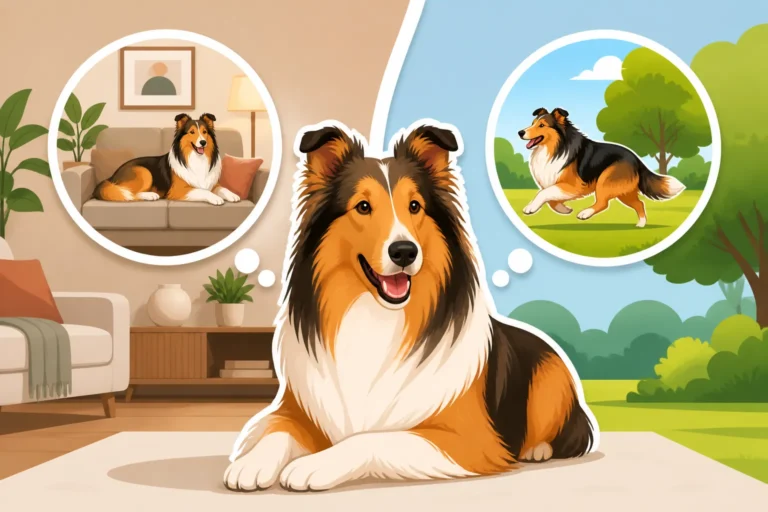
Your Collie's behavior isn't happening in a vacuum; it's deeply intertwined with their environment. A loud, busy household with constant comings and goings might be overstimulating for a sensitive Collie, leading to anxiety or excessive barking. A quiet home with a predictable routine might foster a sense of security and calm. They are acutely aware of changes – new furniture, visitors, construction noises, or even a shift in your daily schedule.
Consider how different environments impact your Collie. Are they more relaxed on a quiet trail walk than at a bustling dog park? Do they bark more when the neighbors are having a loud party? Once you identify environmental triggers, you can manage them. This might mean providing a quiet "safe space" during noisy times, using white noise, or simply adjusting your walking routes. Your Collie isn't being "naughty" in these situations; they're reacting to their surroundings, and understanding this allows you to create a more harmonious living experience.
Proactive Management Through Observation
Because Collies are so good at "reading the room," you can often anticipate their needs or potential issues before they even fully manifest. This is where proactive management comes into play. If you observe your Collie becoming restless when guests are due to arrive, you can preemptively provide a long-lasting chew or settle them in their crate with a favorite toy before the doorbell even rings. If they get overstimulated during evening playtime, you might switch to a calmer activity, like a puzzle feeder, earlier in the day.
This proactive approach not only prevents problems but also reinforces your role as a capable and understanding leader. Your Collie learns that you anticipate and meet their needs, further strengthening that crucial bond of trust. It shifts your dynamic from reactive problem-solving to thoughtful partnership, making life with your observant Collie much smoother and more enjoyable for everyone. This insight into Whether a Collie Reads Its Owner's Mood can be incredibly powerful in managing daily life.
Practical Training Techniques for the Observant Collie
Training an observant Collie requires a toolkit that embraces their natural intelligence and sensitivity. It’s less about brute force and more about finesse, engagement, and making learning a joyful experience. Traditional methods might offer a baseline, but truly tapping into a Collie’s potential means adopting techniques that appeal to their perceptive nature and desire for connection.
Engagement-Based Training Games
Forget boring repetitions; Collies thrive on mental stimulation and interactive play that engages their minds. Instead of drilling "sit-stay" for ten minutes, turn it into a game. Hide-and-seek with treats or toys, where they have to use their nose and problem-solving skills to find you or the object, is fantastic. This not only reinforces their recall but also satisfies their instinct for "seeking" and "finding."
Another great option is incorporating their natural herding instincts into safe, appropriate games. Flirt poles can be wonderful for engaging their chase drive in a controlled way, allowing them to stalk and "herd" a lure without actually nipping at heels. Puzzle toys, readily available from retailers like Amazon, are also excellent for providing mental enrichment, requiring them to figure out how to get a treat, which can be surprisingly tiring for their brains. These types of games build confidence, strengthen your bond, and make learning an exciting adventure. Whether Puzzle Feeders Tire a Collie is a question many owners have, and the answer is a resounding yes!
The Value of Structured Socialization
Socialization for a Collie isn't just about exposing them to new things; it's about doing so in a carefully structured, positive manner that respects their sensitive nature. A chaotic dog park might overwhelm them, but gradual, positive introductions to calm, well-mannered dogs can build their confidence. Focus on quality over quantity, ensuring each new experience is a positive one.
This means starting early in puppyhood, attending puppy classes that prioritize positive interactions and safe exposure. As they grow, continue with controlled exposures to various sights, sounds, people, and environments. Allow them to observe from a distance, rewarding calm curiosity rather than forcing interaction. A well-socialized Collie isn't necessarily one that greets every stranger with exuberance, but one that is confident, calm, and able to navigate the world without undue stress. For a puppy, comprehensive online training programs, like those offered by BAXTER & Bella, can provide a structured curriculum for socialization from the comfort of your home, then guide you through safe real-world exposures.
Shaping Behavior Through Gentle Guidance
Instead of waiting for a Collie to offer the perfect "sit" before rewarding, use shaping. This technique involves rewarding successive approximations of the desired behavior. For instance, if you want your Collie to lie down, you might first reward them for looking at the floor, then for a head dip, then for a full body lowering. This breaks down complex behaviors into manageable steps, making the learning process clear and rewarding. It’s patient, subtle, and perfectly suited to a Collie's intelligent, observational mind.
Gentle guidance also means using lure-and-reward methods initially, where you use a treat to guide their body into position, then immediately reward them. Once they understand the movement, you fade the lure and introduce a verbal cue and hand signal. Never push or force them into position, as this can be counterproductive with a sensitive Collie. This method respects their autonomy and makes them an active participant in their own learning. It helps them to offer behaviors willingly because they understand the payoff, rather than feeling compelled. Understanding What Motivates a Collie is truly the first step in effective training.
Common Behavioral Challenges and How to Address Them with Empathy
Even with the best intentions and the most thoughtful training, Collies, like all dogs, can present behavioral challenges. However, understanding their unique sensitivities and observational nature gives us a powerful lens through which to approach these issues. Rather than viewing them as "problems," we can see them as communications, often stemming from an unmet need, an overstimulated mind, or a lack of understanding. Addressing them with empathy and insight is key.
Managing Sensitivity to Household Tension
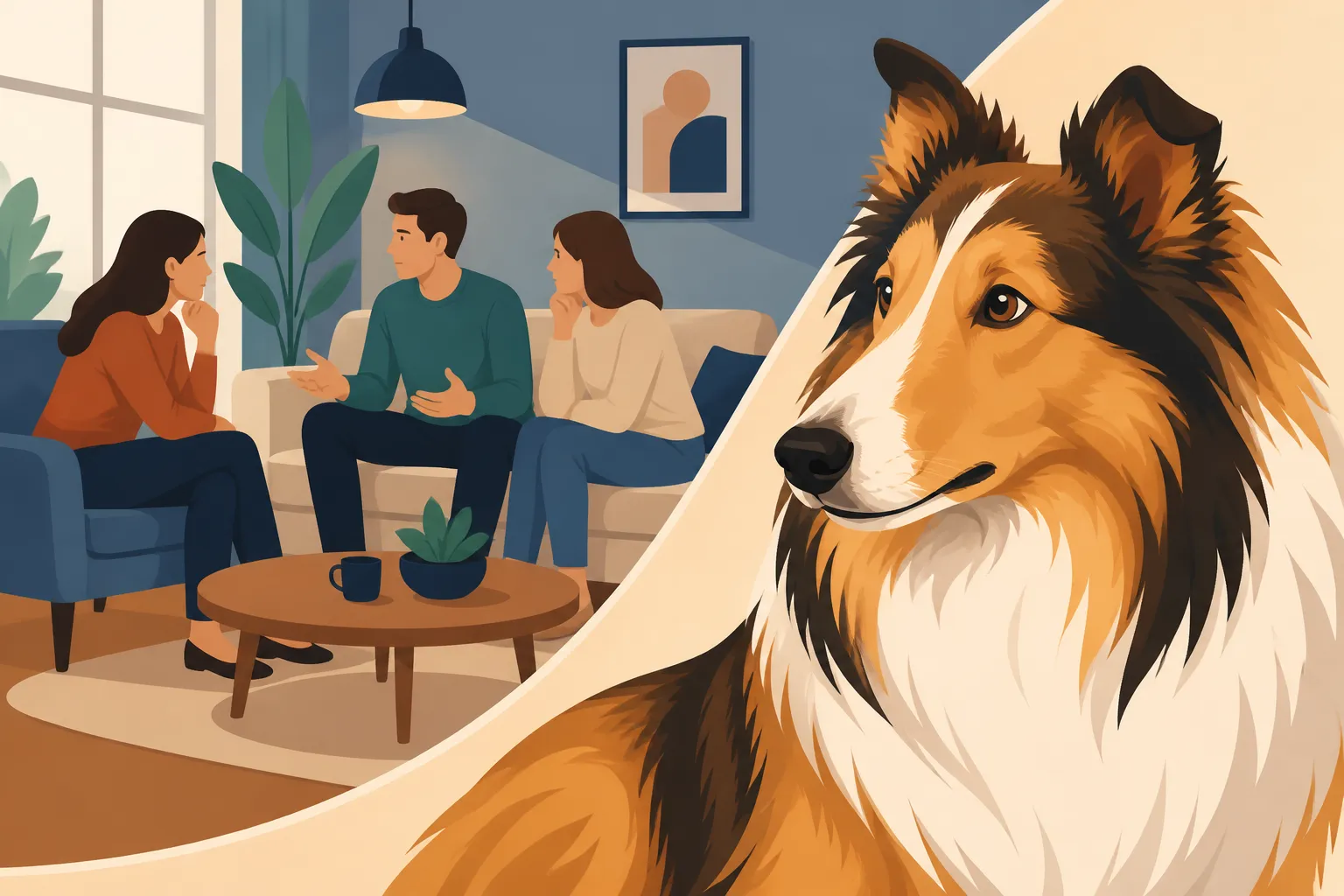
One of the most remarkable, and sometimes challenging, aspects of a Collie's "room reading" ability is their acute sensitivity to household tension. They can pick up on arguments, stress, or even just subtle disagreements between family members, often manifesting their own anxiety in response. This might appear as pacing, excessive barking, withdrawing, or even seemingly unrelated behaviors like chewing or house-soiling if the tension is chronic. They are, in essence, reflecting the emotional state of their home.
The best way to manage this is to be mindful of the atmosphere you create. If you notice your Collie reacting to tension, try to consciously de-escalate. Use a calm voice, offer a soothing presence, or provide a safe space for them to retreat. Engaging them in a quiet, positive activity, like a gentle grooming session or a slow-paced walk, can help redirect their focus and lower their stress levels. It’s a powerful reminder that our emotional states directly impact our sensitive companions.
Addressing the Collie Bark
Ah, the Collie bark. It's truly a characteristic many owners underestimate until they live with one. Collies were bred to alert, and they are often very good at it! The Bark Is the Trait Collie Owners Underestimate because it's not just a loud noise; it's a communication tool. They bark to alert you to strangers, to express excitement, to demand attention, or even out of boredom or anxiety. This can become a nuisance if not managed with understanding and consistency.
The key to addressing excessive barking is to first understand why your Collie is barking. Is it territorial? Alerting to passersby? Seeking attention? Once you identify the trigger, you can begin to teach an alternative behavior. For instance, if they bark at the doorbell, teach them to go to their mat when the bell rings, rewarding heavily for quiet compliance. You can also teach a "quiet" cue, rewarding them for ceasing barking on command. Consistency is crucial, and never reward barking that you don't want to encourage. Remember, a Collie is smart enough to learn that barking gets your attention, so ensure you're rewarding desired behaviors, not just reacting to the noise. For more on this, you might check out articles like Why a Collie Barks or Whether a Collie Can Be Taught a Quiet Cue.
Redirecting Herding Instincts Appropriately
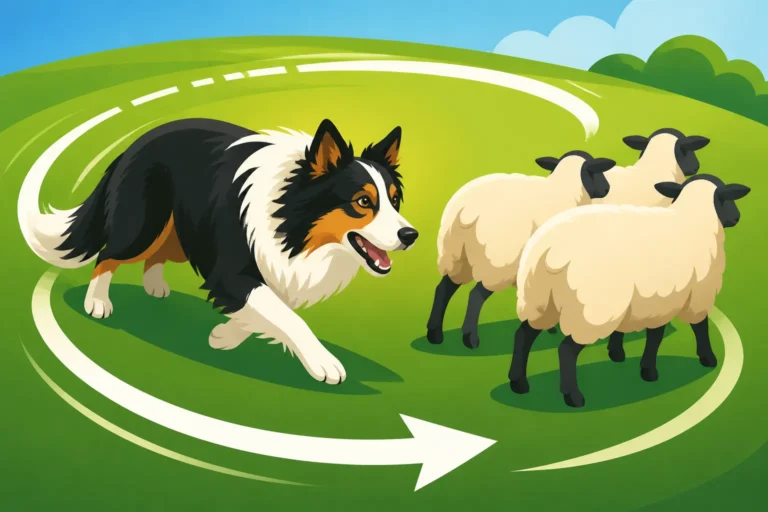
It's no surprise that a herding breed like the Collie retains some of those instincts, even in a modern home. This often manifests as circling family members, particularly children, or even gentle nips at heels – a frustrating behavior for owners and potentially startling for kids. They aren't being aggressive; they're attempting to "gather" or "control" movement, which is entirely natural to them. Why a Collie Herds Your Children is a common concern for many new Collie owners.
The good news is these instincts can be managed and redirected. Provide appropriate outlets for their herding drive:
- Herding Balls: Large, sturdy balls that they can push and maneuver around the yard satisfy their urge to move objects without targeting people.
- Flirt Poles: As mentioned before, these are excellent for engaging their chase and stalk drive in a controlled way.
- Structured Play: Games like fetch or tug-of-war (with clear rules) can provide an appropriate outlet for their energy and focus.
- Training: Teach a solid "leave it" or "off" command to interrupt unwanted herding attempts.
- Management: Supervise interactions with children closely and separate them if the herding becomes too intense. Teach children not to run from the Collie, as this can trigger the instinct.
Consistency in redirection and providing alternative behaviors is key. With patience, you can channel their innate drives into positive, enriching activities, ensuring a harmonious household for everyone. If you're struggling, articles like How to Stop a Collie Circling the Family can provide further strategies.
Life with an Emotionally Intelligent Collie
Living with a Collie is a truly enriching experience that goes far beyond simply owning a pet. It's a partnership with a highly perceptive, emotionally intelligent being who becomes deeply intertwined with the fabric of your family. Embracing their unique qualities, rather than trying to fit them into a conventional dog mold, leads to a profound and rewarding relationship.
The Joy of a Deeply Connected Companion
The sheer joy of a Collie lies in their capacity for deep connection. They are often described as having an "old soul," possessing a wisdom and understanding that feels almost human. This isn't just sentimentality; it's a direct result of their observational nature and emotional intelligence. They become your shadow, your confidante, your quiet observer who celebrates your triumphs and comforts you in your sorrows. They anticipate your needs, seem to understand your moods, and offer unconditional loyalty.
This connection isn't something you command; it's something you earn through consistent, empathetic interaction. When you meet their need for calm, consistent leadership and reciprocate their affection and trust, you unlock a bond that few other breeds can offer. It’s a relationship built on mutual understanding, where unspoken communication often conveys more than words ever could.
Continuing Education and Enrichment
Just because your Collie has mastered basic commands doesn't mean their learning journey is over. Their intelligent minds thrive on continuous enrichment. This doesn't necessarily mean formal classes every week, though those are great. It means integrating mental stimulation into their daily lives. Continue with puzzle toys, introduce new tricks (even simple ones like "spin" or "bow"), engage in scent games around the house, or explore new walking routes to provide novel sensory input.
Consider dabbling in dog sports that suit their nature. Rally obedience, with its emphasis on teamwork and positive reinforcement, is often a perfect fit for a Collie, as is trick training. Even just practicing existing commands in new environments keeps their minds sharp and engaged. A mentally stimulated Collie is a happy Collie, less prone to boredom-induced behaviors and more fulfilled in their companionship with you.
Advocating for Your Collie's Needs
As their primary caregiver, you become your Collie's most important advocate. Because they are so sensitive and sometimes reserved, they might not always clearly vocalize their discomfort or needs to strangers or even well-meaning friends. It's up to you to recognize their signals and speak on their behalf. This might mean politely declining a stranger's request to pet your Collie if they're showing signs of unease, or ensuring they have a quiet retreat when company is over.
This advocacy extends to choosing veterinary care, grooming, and boarding facilities that understand and respect their sensitive nature. Seek out professionals who use gentle, fear-free methods. Being their advocate means understanding their individual personality, recognizing their subtle cues, and consistently creating an environment where your perceptive and loyal Collie can thrive, feeling safe, understood, and deeply cherished.
Collie Training Methods: A Comparison
To further illustrate the best approaches for our intelligent, observant Collies, let's look at a comparison of different training philosophies.
| Training Philosophy | Description | Impact on Collie | Best Use Cases for Collies |
|---|---|---|---|
| Positive Reinforcement | Rewards desired behaviors (treats, praise, toys) to increase their likelihood. Focuses on what the dog should do. | Highly effective for Collies. Builds trust, confidence, and enthusiasm for learning. Encourages problem-solving and strengthens the human-dog bond. Minimizes stress and fear, which are detrimental to a sensitive Collie's learning. Creates a joyful learning environment where the Collie feels understood and motivated. | Ideal for teaching all commands, manners, tricks, and resolving most behavioral issues. Essential for building a strong foundation with a Collie puppy and maintaining engagement throughout their lives. Useful for shaping complex behaviors and encouraging a dog to offer behaviors willingly. |
| Force/Aversive Training | Uses punishment (physical corrections, harsh verbal reprimands, choke/prong/e-collars) to stop unwanted behaviors. Focuses on what the dog shouldn't do. | Highly detrimental to Collies. Damages trust, causes fear, anxiety, and learned helplessness. Can lead to shutting down, aggression, or a breakdown in communication. A sensitive Collie will likely become withdrawn, wary, and potentially fearful of the handler, making future training impossible. Whether Shouting at a Collie Sets Training Back is a critical question here, and the answer is almost always yes. | Avoid entirely with Collies. This method is antithetical to their sensitive, observational nature and will not produce a willing, happy companion. It might suppress a behavior, but it won't resolve the underlying issue and will harm the relationship. |
| Lure and Reward | Uses a treat or toy to physically guide the dog into a desired position, then immediately rewards. Gradually fades the lure. | Very effective initial technique for Collies. Gentle, clear, and provides immediate understanding of the desired movement. Helps a sensitive Collie grasp the physical action required without pressure. Allows for smooth transition to verbal cues and hand signals as the lure fades. | Excellent for teaching basic commands like sit, down, stand, and come. Great for puppies learning body awareness and for introducing new physical behaviors. |
| Clicker Training | Uses a distinct sound (click) to precisely mark the exact moment a dog performs a desired behavior, followed by a reward. | Fantastic for Collies due to their intelligence and observational skills. The click provides clear, unambiguous communication about what they are doing correctly, which a perceptive Collie appreciates. Accelerates learning and allows for precise shaping of complex behaviors without verbal clutter. | Highly recommended for teaching new tricks, complex sequences, precision behaviors, and for shaping behaviors with multiple steps. Also very useful for building confidence in a shy Collie, as it removes ambiguity. |
| Relationship-Based Training | Focuses on building a strong bond, understanding dog communication, and meeting the dog's needs, with training as one aspect of the overall relationship. | Essential for Collies. Leverages their emotional intelligence and desire for connection. Creates a deeply loyal and responsive companion. Training becomes a cooperative effort based on mutual respect and understanding, rather than strict compliance. | The overarching philosophy for living with and training a Collie. Applies to all aspects of their care, from daily interactions to formal training sessions and managing their environment. It ensures a happy, well-adjusted Collie who trusts and loves their human. |
Disclaimer
This article is for general informational purposes only and does not constitute professional advice. Laws, prices and regulations vary by location and change over time. Consult a qualified professional for guidance on your specific situation.