How to Build Confidence in a Nervous Collie
It’s truly disheartening to see your beautiful Collie timidly shrinking away from new people, cowering at unexpected noises, or simply appearing anxious in situations that should be enjoyable. This isn't just a minor personality quirk; it’s a genuine struggle that impacts their quality of life and yours. This guide will walk you through practical, empathetic strategies to gently build your nervous Collie's confidence, turning fear into fortitude.
Understanding Why Your Collie Might Be Nervous
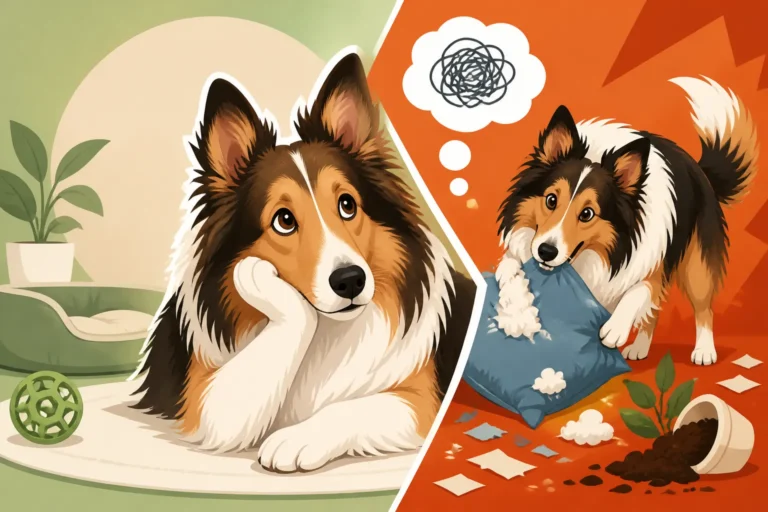
A nervous Collie isn't choosing to be difficult or aloof; they are genuinely experiencing fear or anxiety, and it can stem from a variety of factors. Understanding the root cause is the first step toward helping them navigate their world with more assurance. Collies, despite their sometimes stoic appearance, are incredibly sensitive and intelligent creatures. They absorb emotional cues from their environment and their people, which can make them particularly susceptible to developing anxieties.
Genetic Predisposition and Early Experiences
Just like people, dogs can inherit a predisposition to anxiety. If a Collie's parents or grandparents were naturally shy, fearful, or prone to nervousness, there's a chance that trait might pass down. It's a cruel twist of genetics, but it’s a reality we must acknowledge. Beyond genetics, the formative weeks and months of a Collie puppy's life are critical. Puppies need consistent, positive exposure to a wide array of sights, sounds, people, and other dogs. If a puppy was raised in an isolated environment, lacked proper socialization, or experienced a traumatic event during these sensitive periods, it can lay the groundwork for a lifetime of nervousness. Imagine a little Collie puppy who rarely saw anything beyond its littermates and suddenly, at eight weeks old, is thrust into a bustling home with children and loud appliances. That sensory overload can be genuinely terrifying. Conversely, even a well-bred puppy can become timid if their early experiences involved harsh training methods or inconsistent handling, causing them to anticipate negativity rather than embrace new situations.
Environmental Triggers and Traumatic Events
The world can be a noisy, unpredictable place, and for a nervous Collie, everyday occurrences can be overwhelming. Loud sudden noises like fireworks, thunderstorms, or even the vacuum cleaner can trigger intense fear. Busy streets with traffic, unfamiliar people approaching too quickly, or even changes in household routines can be incredibly unsettling. Think about a Collie who was once happy on walks, but then a delivery truck backfired loudly right next to them. That single event could create a lasting association where every passing truck now signals danger, causing them to pull back, tremble, or bark hysterically. Sometimes, the trauma isn't a single dramatic event, but rather a slow build-up of chronic stress from an unstable home environment, frequent changes in caregivers, or even unknowingly being punished for showing fear signals. These dogs often learn that fear is not tolerated, leading them to suppress their natural reactions, which can manifest as internal stress and further decrease their confidence. How Long a Collie Remembers a Bad Session speaks to the lasting impact of negative experiences.
Creating a Safe and Predictable Environment
For a nervous Collie, consistency and security are paramount. Their world needs to feel like a predictable haven where they can relax and feel protected. You are their anchor in a sometimes overwhelming sea of stimuli, and creating a safe base helps them build the resilience to face challenges.
Establishing a Consistent Routine and Safe Spaces
Dogs thrive on routine, and Collies, with their intelligent and observant nature, are no prime example. A predictable schedule for meals, walks, potty breaks, and playtime provides a sense of control and reduces anxiety about what might happen next. Imagine if your own schedule was erratic; you'd probably feel a bit on edge too! Waking up at the same time, feeding at the same time, and taking walks around the same time each day helps your Collie anticipate events and feel more secure.
Beyond routine, every nervous Collie needs a designated "safe space" within your home. This could be a crate covered with a blanket, a quiet room, or a comfortable bed tucked away in a low-traffic area. The key is that this space is always available and never used for punishment. It's their sanctuary, a place where they can retreat when feeling overwhelmed, where they know they won't be bothered. You can enrich this space with a cozy blanket, a favorite chew toy, or even a diffuser with calming scents. Some owners find that a calming bed, often available through retailers like Amazon, provides an extra layer of comfort and security for their sensitive Collies. Encourage your Collie to use this space by offering treats or a special chew there, making it a positive association. How to Build Confidence in a Nervous Collie involves giving them control over their environment.
Managing Triggers and Reducing Overwhelm
While we can't eliminate every scary thing in the world, we can absolutely minimize exposure to known triggers, especially in the early stages of confidence building. If your Collie is terrified of the doorbell, rather than letting it ring repeatedly, try using a door knocker or asking visitors to text you. If walks during busy times are overwhelming, shift them to quieter hours. This isn't about coddling; it's about setting your Collie up for success and preventing repeated negative experiences that reinforce their fear.
When you know a trigger is unavoidable – perhaps a thunderstorm is rolling in – proactive management is crucial. Create a "thunder buddy" routine: move your Collie to their safe space, offer a long-lasting chew or puzzle feeder, play calming music, and close curtains to reduce visual stimuli. For noise-sensitive Collies, a white noise machine or even a specially designed Thundershirt can offer a sense of security. Always aim to respond calmly to their fear, rather than inadvertently validating it with excessive pity or excitement. Your calm demeanor communicates that there's nothing truly to fear, even when they're convinced otherwise. Consider how Whether a Collie Is Afraid of Thunderstorms can impact their daily life.
Gentle Desensitization and Positive Reinforcement
Once your Collie has a secure base and a predictable routine, you can start the crucial work of gradually exposing them to their fears in a controlled, positive way. This isn't about forcing them to "get over it"; it's about changing their emotional response from fear to curiosity and even enjoyment.
Gradual Exposure and Counter-Conditioning
Desensitization involves exposing your Collie to their fear trigger at such a low intensity that they don't react with fear. Think of it like a dimmer switch for anxiety. For instance, if your Collie is scared of other dogs, start by being so far away from another dog that your Collie barely notices it or just glances at it without showing stress. The moment they acknowledge the trigger without fear, reward them with their absolute favorite treat or praise. Over many sessions, you'll slowly decrease the distance or increase the intensity of the trigger, always staying below their fear threshold.
Counter-conditioning goes hand-in-hand with desensitization. It's about changing your Collie's emotional association with the trigger. Instead of the doorbell meaning "scary stranger," you want it to mean "treats!" Every time the doorbell rings (at a very low, non-threatening volume initially, perhaps from a recording), immediately give your Collie a high-value treat. Eventually, the sound of the doorbell will predict good things, not bad. This requires patience, consistency, and a sharp eye for your Collie's subtle body language. If they show any signs of fear – flattened ears, tail tucked, licking lips, avoiding eye contact – you’ve gone too fast, and you need to dial back the intensity. Many online training programs, such as those from BAXTER & Bella, emphasize these gentle, positive reinforcement methods to help dogs overcome anxieties and build lasting confidence. How to Build Confidence in a Nervous Collie means building positive associations.
Rewarding Brave Behaviors and Building Skills
Confidence isn't just about overcoming fears; it's also about building a repertoire of positive behaviors and skills that make your Collie feel capable and engaged. Celebrate every single step of bravery, no matter how small. Did they look at a new person without retreating? Treat! Did they walk past a scary object without barking? Treat and praise! Your enthusiasm is infectious and helps them understand they're doing something right.
Engage your Collie in fun, low-pressure training games and activities that tap into their natural intelligence and drive. Puzzle toys, scent work games (like hiding treats around the house), or even simple obedience commands like "sit" and "stay" can be incredibly confidence-boosting. When a dog successfully performs a task and is rewarded, it builds a sense of accomplishment. It’s important that these activities are fun and not stressful. For Collies, who are naturally intelligent, learning new tricks or engaging in mental stimulation can provide a huge boost to their self-esteem. You want to create situations where they can succeed often, without pressure. This positive mental engagement helps shift their focus from potential threats to enjoyable tasks.
Here's a quick look at how you might integrate these principles:
| Trigger Type | Initial Approach (Low Intensity) | Confidence-Building Activity | Key Takeaway |
|---|---|---|---|
| Loud Noises | Play sound at barely audible volume; close windows. | Pair with favorite treat/toy. Increase volume very slowly. | Predicts good things, not bad. |
| New People | Have a calm friend stand far away, no eye contact. | Friend offers high-value treat (if Collie approaches). | Strangers bring rewards, not threats. |
| Unfamiliar Objects | Place object far across room; ignore it yourself. | Reward for looking, then for sniffing. | Curiosity is safe and rewarded. |
| Busy Environments | Observe from a distance, like inside a car or window. | Short, calm walks during quiet times, lots of treats. | The world is navigable and can be rewarding. |
| Separation Anxiety | Practice very short departures (seconds), then return. | Provide puzzle toy or chew before leaving; celebrate calm returns. | Coming back is always certain and positive. |
The Importance of Play and Bonding
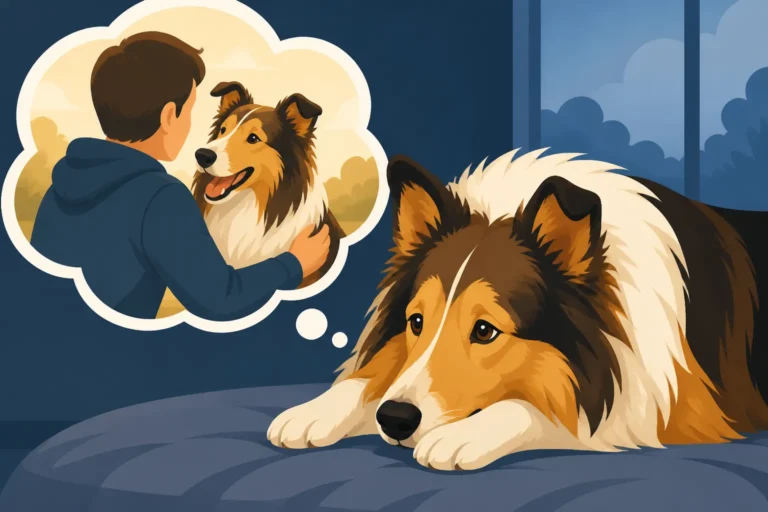
Never underestimate the power of play in building confidence. Play is a low-stress way for your Collie to interact with you, practice social skills, and burn off nervous energy. Whether it's a gentle game of fetch, a tug session, or just a romp in the yard, these moments strengthen your bond and communicate safety and joy. A strong, trusting relationship with you is the single most important factor in your Collie’s confidence journey. They need to know you are their reliable leader, their protector, and their safe harbor. Consistent, positive interactions, cuddles, and focused attention reinforce this bond. Collies thrive on connection, and feeling truly seen and understood by their person is a massive confidence booster. Whether a Collie Grieves a Lost Family Member shows how deeply they bond.
When to Seek Professional Help
While these strategies are incredibly effective for many nervous Collies, there are times when you'll hit a wall, or your Collie's anxiety might be so profound that you need specialized support. Recognizing when to call in the cavalry isn’t a sign of failure; it's a sign of a responsible and caring owner.
Consulting Your Veterinarian First
Before attributing all nervousness solely to behavioral issues, always schedule a visit with your veterinarian. Pain, discomfort, or underlying medical conditions can manifest as anxiety or aggression. For instance, a dog with chronic ear pain might become head-shy and snap if someone reaches for their head. A Collie experiencing joint pain, a common issue as they age, might become reluctant to go for walks or interact, simply because movement is uncomfortable. Thyroid imbalances can also impact behavior, leading to increased anxiety or irritability. Your vet can perform a thorough examination, run diagnostic tests if necessary, and rule out any physical causes for your Collie's nervousness. This step is non-negotiable, as addressing a medical issue can sometimes resolve behavioral problems entirely or at least make behavioral modification much more effective. How to Build Confidence in a Nervous Collie begins with health.
Working with a Certified Professional Dog Trainer or Behaviorist
If medical issues are ruled out, and you’ve exhausted your own resources, it's time to seek the guidance of a certified professional dog trainer or a veterinary behaviorist. Look for someone who uses positive reinforcement, fear-free methods, and has experience with anxious or sensitive breeds like Collies. A good professional will observe your Collie, assess their specific triggers and reactions, and develop a tailored behavior modification plan.
A veterinary behaviorist, who is a veterinarian with specialized training in animal behavior, can also prescribe medication to help manage severe anxiety. This isn't a "magic pill" but rather a tool to help your Collie feel calm enough to learn and respond to training. Think of it like a person with severe anxiety taking medication to reduce their baseline stress, allowing therapy to be more effective. The combination of medication and behavior modification, under expert guidance, can be life-changing for a severely nervous Collie. They can help you implement strategies like systematic desensitization and counter-conditioning more effectively, ensuring you don't inadvertently make things worse. How to Build Confidence in a Nervous Collie often requires a team approach.
Persistence and Patience: A Marathon, Not a Sprint
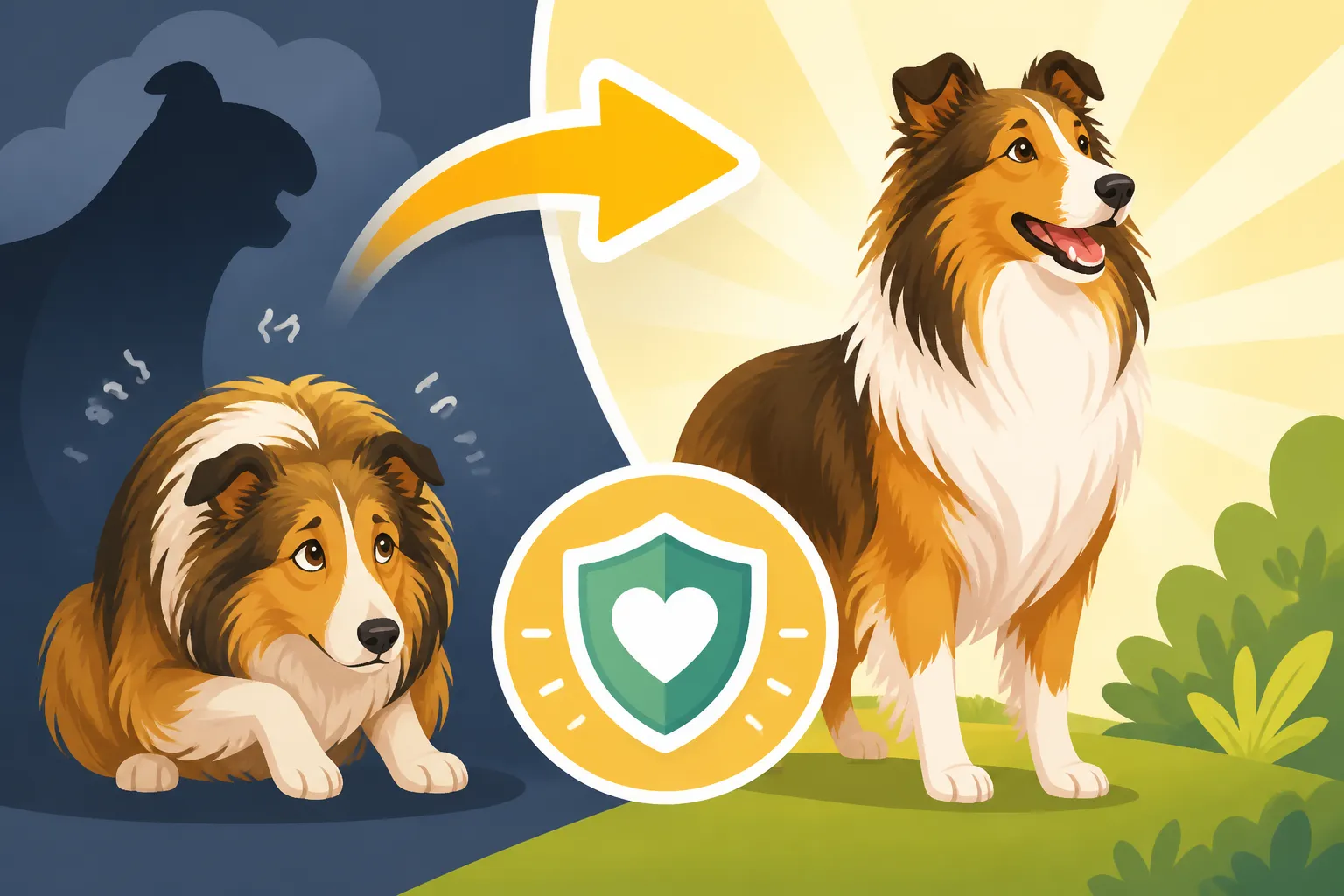
Building confidence in a nervous Collie is a journey, not a destination. There will be good days and bad days, setbacks and triumphs. It requires immense patience, consistency, and a deep well of empathy. Remember, your Collie isn't being stubborn; they are genuinely struggling with fear. Celebrate the small victories, learn from the setbacks, and never give up on them. Your unwavering support, understanding, and commitment are the greatest gifts you can give to your nervous Collie. With time, gentle guidance, and the right support, your Collie can transform from a shrinking violet into a confident, joyful companion, embracing the world with a wagging tail and bright, trusting eyes. It's truly one of the most rewarding experiences of Collie ownership.
Disclaimer
This article is for general informational purposes only and does not constitute professional advice. Laws, prices and regulations vary by location and change over time. Consult a qualified professional for guidance on your specific situation.