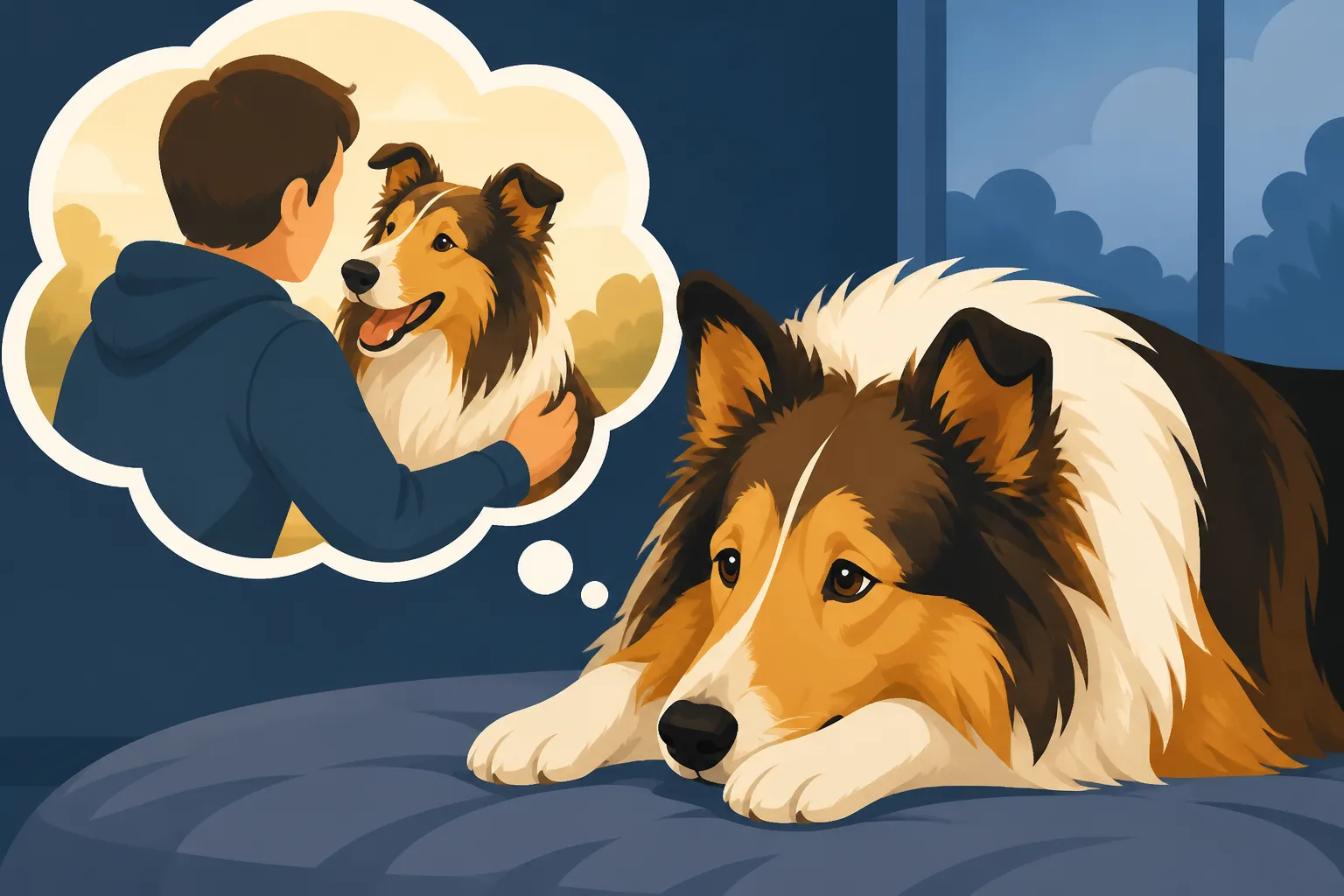
Whether a Collie Grieves a Lost Family Member
Losing a beloved member of your family is one of life's most heartbreaking experiences. When that family member is a human, we often worry deeply about how our canine companions will cope with their absence. For Collie owners, this concern is particularly acute because our dogs are renowned for their profound sensitivity and deep bonds with their people. It's natural to wonder if your loyal Collie truly understands what has happened and if they are grieving, just like you are. This comprehensive guide will explore the nuances of canine grief in Collies and offer realistic, empathetic advice on how to support your dog through such a challenging time.
Understanding Canine Grief in Your Collie
When a significant presence vanishes from a Collie's life, whether it's a human family member who has passed away or moved on, the impact can be profound. Collies are incredibly attuned to their family's dynamics and emotions, making them especially susceptible to feeling the void left behind. It’s not just about the absence of a playmate or a source of treats; it's about a disruption to their entire world and emotional landscape.
Do Dogs Truly Grieve Like Humans?
This is a question many of us ponder, often seeing our dogs exhibit behaviors that mirror our own sadness. While we can't definitively measure a dog's emotional state with human scales, what we observe strongly suggests that dogs do experience a form of grief. Their social structures are rooted in close bonds, not unlike ours. When a member of their pack (which is how they perceive their human family) is no longer present, it creates a significant emotional disturbance. They don't conceptualize death with the same philosophical understanding as humans, but they absolutely register absence and the subsequent change in household energy and routine. This can lead to what we interpret as sorrow, confusion, and longing.
The Emotional Bond: Why Collies Feel Loss Deeply
Collies are not just pets; they are deeply integrated family members, famous for their intelligence, loyalty, and empathy. They form incredibly strong, often singular, bonds with their primary caregivers, but also cherish every individual in their household. A Collie's entire existence revolves around their family unit. They thrive on routine, interaction, and the consistent presence of their loved ones. When one of those key figures disappears, it's not merely an inconvenience; it's an emotional earthquake. Their sensitive nature means they are acutely aware of shifts in mood within the home, even before you are. They'll pick up on your sadness, the hushed voices, the changed schedules, and the overall pall that hangs in the air. This heightened sensitivity means they don't just react to the absence of the person; they react to the entire atmosphere of loss. Whether a Collie Reads Its Owner's Mood can be a profound influence on their own emotional state during difficult times.
Common Misconceptions About Pet Grief
It's easy to project human grief onto our dogs, and while there are similarities, it's important to understand the distinctions. One common misconception is that a dog "forgets" quickly, or that replacing the lost family member with a new pet immediately will "solve" their sadness. This simply isn't true for many Collies. Their bonds run deep. Another misunderstanding is that behavioral changes are just "bad behavior" or a dog being "stubborn." In reality, a Collie might be acting out due to anxiety, confusion, or a desperate attempt to get attention because their emotional needs aren't being met. They aren't trying to be difficult; they're trying to communicate their distress. Understanding this can help you approach their behavior with compassion rather than frustration. Some people also believe that dogs only grieve other dogs, but they absolutely grieve their human companions just as deeply, sometimes even more so given the central role humans often play in their lives.
Recognizing the Signs Your Collie is Grieving
Identifying grief in a Collie isn't always straightforward because their expressions of sadness can manifest in various ways. It requires careful observation and a keen understanding of your dog's normal behaviors. Remember, every Collie is an individual, and their grieving process will be unique, but there are common threads to watch for.
Behavioral Changes to Watch For
Many grieving Collies exhibit noticeable changes in their daily habits. You might observe a significant decrease in appetite or, conversely, an increase in eating due to stress. Their sleep patterns can be disrupted; they might sleep more than usual, seeming lethargic, or become restless and unable to settle. A Collie who once loved playtime might suddenly show no interest in toys or walks. They may become withdrawn, seeking solitude, or conversely, become clingy, following you from room to room more than usual, as if seeking reassurance. An increase in barking, whining, or howling, especially when alone, can also be a strong indicator of distress or Whether a Collie Gets Separation Anxiety. Some Collies may even engage in destructive behaviors they never did before, like chewing household items, which is often a manifestation of anxiety or boredom compounded by grief. Others might lose their house-training habits, having accidents inside, not out of malice, but because their emotional state is overwhelming them.
Physical Manifestations of Stress and Sadness
Beyond behavioral shifts, grief can also present with physical symptoms. A loss of appetite might lead to weight loss, which, while not always obvious under a thick Collie coat, can be a concern. Stress can weaken the immune system, making them more susceptible to illness. You might notice excessive shedding, dullness in their coat, or even changes in their digestive system like diarrhea or constipation. Some Collies may appear more subdued, with lower head carriage, less tail wagging, or a general lack of their usual sparkle in their eyes. It's important to differentiate these signs from actual physical illness, which is why a vet visit is often recommended. If you notice any sudden or prolonged physical changes, always consult your veterinarian to rule out underlying health issues. Whether a Collie Hides Pain is something to be mindful of, as they are stoic by nature.
When Grief Looks Like Other Ailments
This is where things can get tricky. Many of the signs of grief—lethargy, changes in appetite, withdrawal—can also be symptoms of medical conditions. For instance, a senior Collie might start showing signs of cognitive decline or arthritis, and these symptoms could be mistaken for grief. Whether an Old Collie Gets Confused at Night might mimic a dog who is upset, when it's actually age-related. It's crucial not to self-diagnose your dog's condition, especially during an already emotional time. The only way to be certain that your Collie's changes aren't due to an underlying health problem is to schedule a thorough veterinary check-up. Explain all the changes you've observed, even those you attribute to grief. Your vet can perform examinations and tests to rule out medical causes, ensuring that any support you provide for grief is not masking a treatable illness.
Practical Steps to Support Your Grieving Collie
Supporting a grieving Collie requires patience, empathy, and consistency. Your presence and understanding are paramount during this challenging period. While there's no magic cure for heartbreak, there are many concrete steps you can take to help your Collie navigate their feelings of loss and gradually adapt to their new reality.
Maintaining Routine and Offering Comfort
One of the most powerful things you can do for a grieving Collie is to maintain as much routine as possible. Collies thrive on predictability, and the sudden loss of a family member shatters that stability. Stick to regular feeding times, walk schedules, and consistent bedtime rituals. This familiar structure provides a sense of security and normalcy in an otherwise chaotic emotional landscape. Even if your Collie seems uninterested in their usual walk, encourage them gently to participate. A predictable routine acts as an anchor. Simultaneously, offer an abundance of comfort. This might mean more gentle petting, longer cuddle sessions, or simply being present in the same room. Consider creating a special "safe space" for them with their favorite blanket or a piece of clothing that smells of the lost family member (if appropriate and not too upsetting for you). New comforting items, perhaps a plush new bed or a calming toy available on platforms like Amazon, can provide physical solace.
Encouraging Engagement and Distraction
While deep sadness needs to be acknowledged, gentle encouragement to engage can also be beneficial. Don't force interaction, but offer opportunities for positive distraction. Short, engaging play sessions with a favorite toy, a brief training review of known cues, or mental stimulation games can help shift their focus. Puzzle feeders, for example, can occupy their minds and encourage problem-solving. If the lost family member was the primary person for certain activities, try to step in and fill that role, even if it feels difficult for you. Learning new, simple tricks or revisiting basic obedience through positive reinforcement can also be a fantastic way to reconnect and build confidence. Companies like BAXTER & Bella, known for their online puppy training programs, often emphasize consistency and positive engagement, principles that remain crucial even for adult dogs facing emotional challenges. Re-establishing some structured, positive training sessions can provide mental enrichment and a sense of accomplishment for your Collie, helping to distract them from their sadness for a while. What a Collie Does With an Empty Afternoon should ideally involve some form of engagement, especially when they are grieving.
Seeking Veterinary Guidance and Professional Support
As mentioned earlier, a vet check-up is a non-negotiable first step to rule out any medical reasons for your Collie's changes. Beyond that, your veterinarian can also offer advice on managing grief-related symptoms. In some cases, if anxiety or depression is severe and significantly impacting your Collie's quality of life, your vet might discuss options like temporary anti-anxiety medication or supplements that promote calm. They may also recommend consulting a certified veterinary behaviorist or a professional dog trainer specializing in behavior modification. These experts can provide tailored strategies and support to help your Collie cope with their grief, often offering a perspective you might not have considered. It’s okay to ask for help; you’re not alone in navigating this.
| Signs of Collie Grief | Possible Interventions | When to Consult a Vet/Behaviorist |
|---|---|---|
| Reduced appetite/weight loss | Maintain routine feeding, offer palatable food | If weight loss is significant or prolonged |
| Lethargy/increased sleep | Gentle encouragement for walks/play, comfortable bed | If extreme or combined with other physical symptoms |
| Restlessness/difficulty sleeping | Consistent bedtime routine, calming supplements (vet-approved) | If sleep disruption is severe and ongoing |
| Withdrawal/clinginess | Increase gentle interaction, respect space, maintain routine | If extreme fear, aggression, or deep depression |
| Increased vocalization | Rule out pain, consistent reassurance, mental enrichment | If excessive, destructive barking, or distress calls |
| Destructive behaviors | Increase exercise/mental stimulation, chew toys | If severe destruction or self-harming |
| Loss of house-training | Rule out medical, frequent potty breaks, positive reinforcement | If recurrent accidents despite ample opportunities |
| Dull coat/excessive shedding | Rule out medical, regular grooming, comforting routine | If persistent, severe, or accompanied by skin issues |
Navigating Your Own Grief While Caring for Your Collie
It's crucial to acknowledge that you are likely also experiencing immense grief. Caring for a grieving Collie while grappling with your own sorrow can feel like an overwhelming burden. Giving yourself permission to grieve is not only essential for your well-being but also indirectly helps your Collie, as they are so attuned to your emotional state.
The Double Burden of Loss
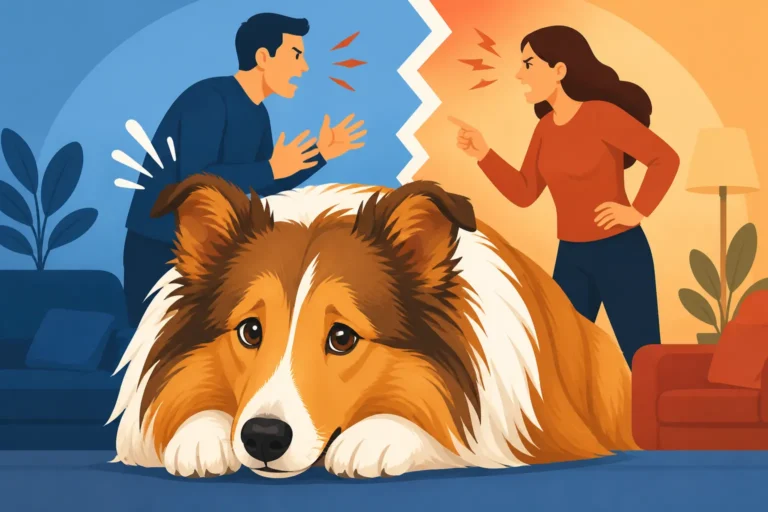
The profound loyalty of a Collie means they often reflect the emotional temperature of their household. When you're struggling with grief, your Collie will sense it deeply. This creates a challenging cycle: your sadness affects them, and seeing their sadness amplifies yours. It's a double burden that many pet owners don't anticipate. You might feel guilty for not being able to provide the same level of joy or engagement you once did. It’s important to forgive yourself. You are doing your best under incredibly difficult circumstances. Remember that even a quiet presence or a gentle touch from you means the world to your Collie. Allow yourself moments of sadness, but also try to find small moments of peace or distraction for yourself. Whether a Collie Is Sensitive to Household Tension means they will certainly pick up on your mood, so self-care is important for both of you.
Creating New Rituals and Memories
While the absence of the lost family member will always be felt, over time, creating new routines and memories can be healing for both you and your Collie. This doesn't mean forgetting; it means adapting and finding new ways to experience joy together. Perhaps it's a new walking route, a different playtime game, or even a new quiet spot in the house where you can simply be together. If the lost family member had a specific role, like the designated morning walker, gradually stepping into that role yourself, or having another family member take it on, creates new patterns. These new rituals, however small, begin to weave a new tapestry of life that incorporates the loss but also allows for growth and new experiences. This can provide a sense of forward momentum and hope.
Finding Support for Yourself
Just as your Collie might need professional help, so might you. Lean on your support network: friends, family, or even a bereavement counselor specializing in pet loss. There are also many online communities and local support groups where you can connect with others who understand the unique pain of losing a loved one and caring for a grieving pet. Reading books about pet bereavement, many of which are easily found on Amazon, can also offer comfort and coping strategies. Don't underestimate the power of sharing your feelings. When you find ways to process your own grief, you'll naturally be better equipped to support your sensitive Collie. Remember, your Collie needs you to be as stable and present as you can be, and taking care of your own emotional health is a vital part of being there for them. How Long a Collie Copes Alone might be impacted if your own grief makes you less available, highlighting the importance of seeking support.
Disclaimer
This article is for general informational purposes only and does not constitute professional advice. Laws, prices and regulations vary by location and change over time. Consult a qualified professional for guidance on your specific situation.