Whether a Collie Tolerates Rough Handling
It's a common misconception that all herding breeds thrive on a firm hand and a no-nonsense approach to training. Many people get a Collie expecting the same kind of robust, stoic nature they might find in a different working dog, only to find themselves frustrated when their beautiful, intelligent companion seems to shrink under pressure or simply "shut down." This guide is here to shed light on the truth: Collies are profoundly sensitive souls, and understanding their unique temperament is the key to a happy, well-adjusted dog and a strong, loving bond.
Collies: A Study in Sensitivity
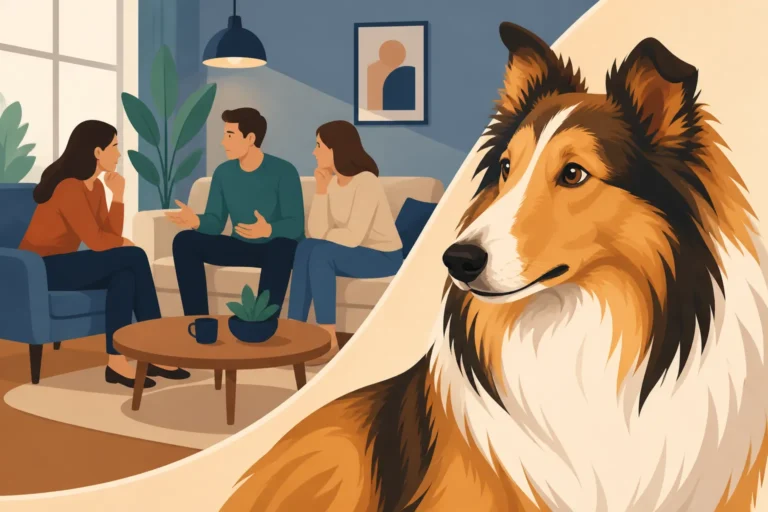
The Collie breed, particularly the Rough Collie, has an undeniable air of grace and nobility, often associated with the iconic "Lassie." This image, however, sometimes masks their inherently gentle and perceptive nature. They aren't built for harsh corrections or heavy-handed training; in fact, such methods are not only ineffective but deeply damaging to their spirit.
The Collie's Gentle Nature
Long before they became television stars and beloved family pets, Collies were valued working dogs in Scotland, primarily for herding sheep. But unlike some more assertive herding breeds, their primary method wasn't forceful control or aggressive nipping. Instead, Collies were known for their "eye," their intelligence, and their ability to guide flocks with subtle movements and quiet authority. They worked alongside shepherds, often making independent decisions, but always within a cooperative framework. This historical role cultivated a dog that is keenly observant, intelligent, and deeply attuned to human emotions and intentions. They thrive on partnership and praise, not dominance.
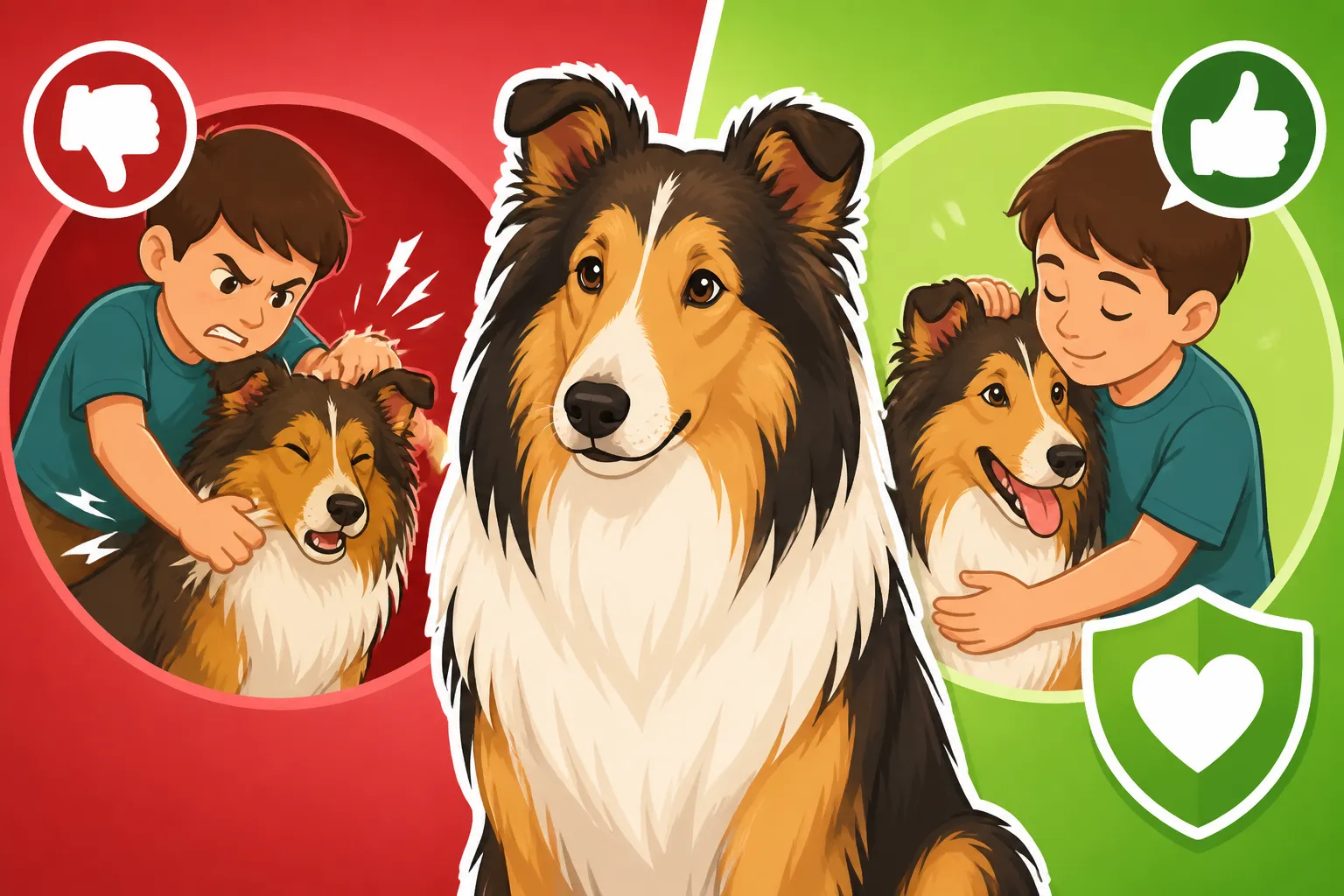
Imagine a shepherd communicating with their Collie using whistles and hand signals across a wide-open field. This isn't a relationship built on fear, but on trust and understanding. Your Collie still carries that genetic blueprint for cooperation and sensitivity. They want to please you, but they need to understand what you want and feel safe in the process. A raised voice or a physical correction can deeply wound their spirit, leading them to mistrust you rather than learn. It's why phrases like Harsh Handling Breaks a Collie and It Does Not Come Back ring so true for this breed.
Why Traditional "Alpha" Methods Fail
Many older or outdated training philosophies advocate for establishing yourself as the "alpha" or "pack leader" through physical dominance or intimidation. For a Collie, this approach is disastrous. Collies are not looking to usurp your leadership; they are looking for a kind, consistent leader they can trust. When met with force, a Collie won't typically push back aggressively; instead, they are much more likely to become fearful, withdrawn, anxious, or even develop fear-based aggression.
Think about it from your Collie's perspective. If their trusted human suddenly becomes unpredictable, loud, or physically intimidating, their world becomes a scary place. They don't understand it as "discipline"; they understand it as a threat. This can manifest as submissive urination, hiding, or a complete refusal to engage in training. The subtle nuances of their body language can often be missed by someone expecting a more overt reaction, leading to continued harshness and further damage. It's a vicious cycle that ultimately erodes the unique bond you share.
The Impact of Rough Handling on a Collie's Behavior
When a Collie is subjected to rough handling or harsh training methods, the negative consequences can be far-reaching and deeply ingrained. It's not just a temporary setback; it can fundamentally alter their personality and their relationship with humans. These dogs remember, and they often carry the scars of such experiences for a long time.
Fear, Anxiety, and Avoidance
A Collie exposed to rough handling will often develop chronic fear and anxiety. You might notice them flinching at sudden movements, cowering when approached, or exhibiting "whale eye"—where the whites of their eyes are visible as they turn their head away. They may become hesitant to approach you or participate in activities they once enjoyed. This isn't stubbornness; it's a genuine fear response. They associate interaction with discomfort or pain, leading to a strong desire to avoid it.
This fear can extend beyond the person who uses harsh methods. A Collie who has been roughly handled might become wary of all strangers, especially men, or people with certain characteristics, such as loud voices or quick movements. They learn to generalize their negative experiences, making socialization and trust-building a much more arduous task down the line. It's critical to understand that How Long a Collie Remembers a Bad Session is often longer than you might think.
Behavioral Shutdown and Loss of Trust
One of the most heartbreaking reactions a Collie can have to rough handling is a complete behavioral shutdown. This is when the dog simply stops responding, freezes, or withdraws entirely. They might lie down and refuse to move, avoid eye contact, or seem to "zone out." This isn't compliance; it's a coping mechanism born of overwhelming stress and a feeling of helplessness. The dog has learned that whatever they do, they cannot escape the negative interaction, so they simply stop trying.
This shutdown is a profound indicator of lost trust. A Collie's intelligence and desire to please are tremendous assets, but if that trust is broken, those qualities become liabilities, channeled into fear-driven avoidance instead of eager cooperation. Rebuilding that trust requires immense patience, consistent positive reinforcement, and a complete cessation of any method that causes fear or discomfort. It's a long road, but an essential one for their well-being.
Potential for Aggression
While Collies are not inherently aggressive, persistent fear and anxiety from rough handling can, paradoxically, lead to aggression. When a dog feels cornered, threatened, and without other options, they may resort to snapping, growling, or even biting as a last-ditch effort to protect themselves. This is not aggression born of malice, but of extreme fear. The dog is trying to say, "Stop! I am scared and I need space!"
This type of aggression is often misinterpreted as the dog being "dominant" or "bad," leading to even harsher corrections and escalating the problem. It's a dangerous cycle that puts both the dog and the people around them at risk. Understanding Whether a Collie Is Naturally Timid or Whether an Undersocialized Collie Can Be Fixed is crucial here; these behaviors are often learned responses to perceived threats, not inherent character flaws.
Building a Bond: Positive Reinforcement for Your Collie
The good news is that Collies respond beautifully to positive reinforcement. They are intelligent, eager to please, and deeply devoted to their families. By focusing on reward-based training, you can build an incredibly strong bond, foster confidence, and cultivate a well-mannered, happy companion.
The Power of Praise and Rewards
Collies thrive on positive feedback. A cheerful "Good dog!" or a gentle scratch behind the ears can be just as motivating as a tasty treat. When they perform a desired action, immediately follow it with a reward. This could be a small piece of chicken, a favorite toy, or enthusiastic verbal praise. The key is consistency and timing, so your Collie clearly links their action to the reward.
This method builds confidence because it teaches the dog what to do rather than punishing them for what they shouldn't do. It creates a positive association with learning and with you. For example, when teaching a new command, use high-value treats. As your Collie masters it, you can gradually transition to lower-value treats, then to praise, and eventually, the joy of working with you becomes its own reward. Many online puppy training programs, such as those offered by BAXTER & Bella, are built entirely on these positive, force-free principles, providing excellent foundations for new owners. They understand What Motivates a Collie is often a combination of connection and reward.
Consistency and Patience
Collies are smart, but they are not machines. They need clear, consistent communication and plenty of repetition to truly understand what's expected of them. Changing your cues, your expectations, or your reward system frequently will only confuse them and slow down the learning process. Everyone in the household needs to be on the same page regarding commands and rules.
Patience is perhaps the most important tool in your training kit. There will be days when your Collie seems to forget everything they've learned, or when they're simply not in the mood to train. On these days, it's vital not to get frustrated. Instead, keep sessions short, end on a positive note, or take a break and try again later. Remember, How a Collie Responds to a Raised Voice is usually with withdrawal, not increased effort. Celebrate small successes and understand that learning is a journey, not a race.
Enrichment and Mental Stimulation
Collies are intelligent working dogs, and their minds need just as much exercise as their bodies. Beyond physical walks, incorporate mental challenges into their daily routine. Puzzle feeders are fantastic for this, making them "work" for their meals. Brands found easily on Amazon offer a wide variety of puzzle toys that can keep a Collie engaged for a good chunk of time. Scent work, where they use their nose to find hidden treats or toys, is another excellent way to tap into their natural abilities.
These activities not only tire them out mentally but also build their confidence and problem-solving skills. They offer an outlet for their herding dog intelligence, preventing boredom which can lead to unwanted behaviors. Whether Training Sessions Count as a Collie's Exercise is a resounding yes when they are mentally stimulating and engaging.
Recognizing the Signs: When Your Collie Is Uncomfortable
Part of being a responsible Collie owner is learning to read your dog's subtle signals. Collies are masters of canine communication, but their cues can be easily missed if you don't know what to look for. Being able to recognize when your Collie is feeling stressed, fearful, or uncomfortable allows you to intervene before the situation escalates.
Subtle Cues
Collies often give very subtle "calming signals" or signs of discomfort before resorting to more overt displays. These can include:
- Lip licking: A quick flick of the tongue over the lips, often when no food is present.
- Yawning: A yawn that seems out of place, not associated with being tired.
- Head turning/averting gaze: Turning their head away or avoiding direct eye contact.
- Softening eyes/whale eye: Their eyes may appear softer, or you might see the whites of their eyes if they turn their head slightly but keep their eyes on you.
- Lowered head/body: A slight lowering of their posture, making themselves appear smaller.
- Slowed movements: Moving more slowly or becoming still.
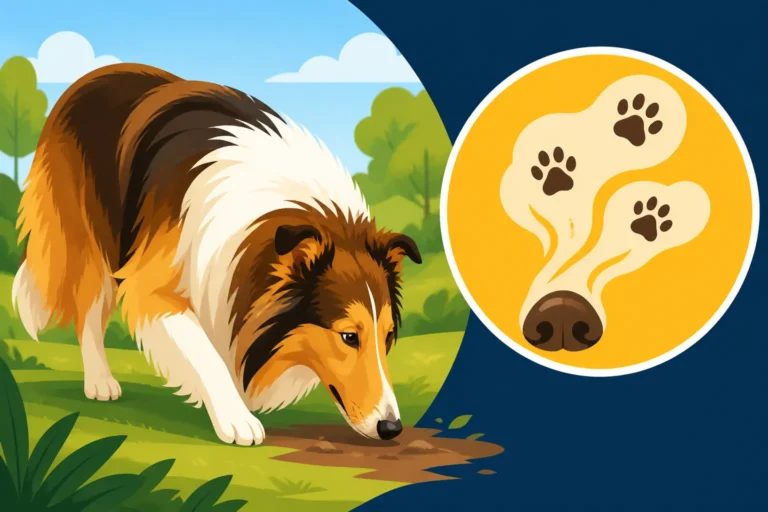
- Sniffing the ground: A way to disengage and show they mean no harm.
These signals are their polite way of saying, "I'm a little uncomfortable right now, please give me some space." Being attuned to Whether a Collie Reads Its Owner's Mood also means being attuned to their own emotional state.
More Overt Signals
If the subtle cues are missed or ignored, a Collie might escalate their communication to more overt signals. These are harder to misinterpret and are a clear indication that your dog is distressed.
- Tucking tail: A clear sign of fear or submission.
- Retreating/Hiding: Attempting to move away from the perceived threat or hiding behind furniture or you.
- Growling: This is a warning sign. It's your Collie saying, "I'm really uncomfortable, and I need this to stop." It's crucial not to punish a growl, as it's vital communication. If you punish the growl, the dog might learn to go straight to biting without warning.
- Snapping/Lunging: These are serious warning signs, indicating that the dog feels highly threatened and is close to biting.
Understanding these signals is not just about avoiding conflict; it's about understanding your dog's emotional landscape and respecting their boundaries. It's a part of the partnership that The First Year With a Collie Puppy helps you build.
What to Do When You See These Signs
When you notice your Collie displaying signs of discomfort, whether subtle or overt, the most important thing is to create space and alleviate the pressure.
- Stop what you're doing: Immediately cease whatever interaction or activity might be causing their stress.
- Increase distance: If possible, move away from your Collie or allow them to move away from you.
- Avoid direct eye contact: For a stressed dog, direct eye contact can feel like a challenge.
- Speak softly and calmly: Avoid loud noises or excited tones.
- Re-evaluate the situation: Try to identify the trigger. Was it a particular touch, a loud noise, a stranger, or a new environment?
- Offer a safe space: Guide them to a quiet area where they feel secure.
Learning to respond appropriately to these signals reinforces trust and teaches your Collie that you are a reliable source of safety and comfort. It's how you build a resilient, confident dog and strengthen your unique bond. Remember, a sensitive breed like the Collie relies on your empathy and understanding to navigate their world.
Disclaimer
This article is for general informational purposes only and does not constitute professional advice. Laws, prices and regulations vary by location and change over time. Consult a qualified professional for guidance on your specific situation.