How Far a Collie Can Hike
Bringing your Collie along on a hike sounds like a dream – fresh air, beautiful scenery, and your best four-legged friend by your side. But the truth is, figuring out how far your Collie can comfortably and safely hike isn't always straightforward. It's not just about their energy; it's about their physical limits, the trail conditions, and knowing how to read their subtle cues. This guide will help you understand all the nuances so you can plan adventures that are perfectly tailored to your beloved Collie.
Understanding Your Collie's Hiking Aptitude
Collies, with their elegant strides and generally athletic builds, often look like natural hikers. They were, after all, bred for herding in the rugged Scottish Highlands. However, it's crucial to differentiate between their historical working capacity and the reality of a modern pet Collie's fitness and disposition. They're intelligent, eager to please, and typically enjoy being out with their people, which makes them wonderful companions on the trail, but they also have specific needs and sensitivities.
Breed Traits That Influence Hiking Ability
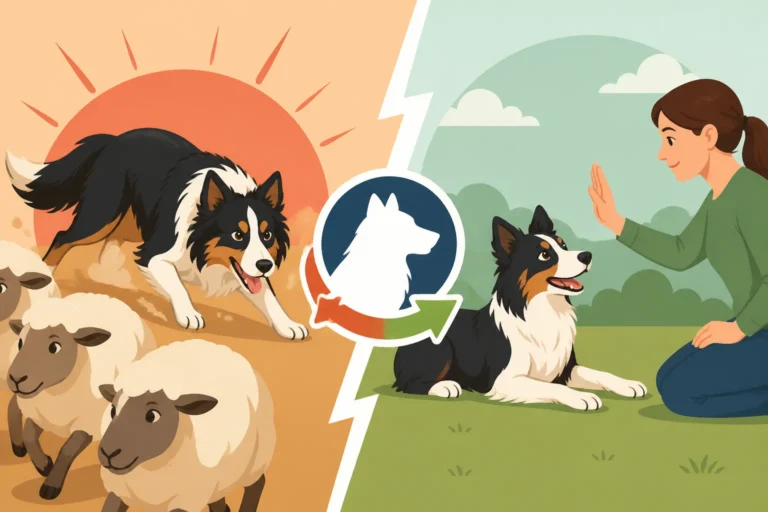
While Collies possess a good level of endurance, they aren't built like some of the more extreme endurance breeds. Their ancestry as droving dogs means they're capable of covering ground steadily, rather than in bursts of intense speed like a Border Collie might. They have a medium build, generally good bone structure, and a gait that is designed for efficiency over long distances. What truly sets them apart is their biddability and desire to stick close to their human companions, making them less likely to bolt off into the wilderness than some other breeds.
However, their beautiful double coat, especially in the rough variety, means they are particularly susceptible to overheating in warmer weather. This isn't just a minor discomfort; it can be genuinely dangerous. You might be feeling comfortable in a t-shirt, but your Collie is wearing a permanent fur coat. Their sensitive nature also means they can be easily stressed by overly busy or noisy trails, so understanding their temperament is key. They thrive on companionship and clear guidance, so a hike with their favorite person is often more about the shared experience than pushing physical boundaries. If you're looking for guidance on their daily exercise needs, you might find our post How Much Exercise a Collie Needs Daily helpful.
Individual Differences in Collies
Just like people, every Collie is an individual. You might have a Collie who lives for the trail, bounding ahead with endless enthusiasm, or one who prefers a more leisurely stroll, stopping to sniff every interesting patch of grass. Factors like genetics, early socialization, and current fitness levels all play a huge role. A Collie from working lines might have a naturally higher drive and stamina compared to one bred primarily for the show ring, even if both are perfectly healthy.
Age is another significant differentiator. A young, healthy adult Collie between the ages of two and seven years old will typically have the most stamina. Puppies and very senior Collies, on the other hand, have much shorter limits. A Collie puppy's growth plates are still developing, and over-exertion can lead to long-term joint problems. For older Collies, arthritis or other age-related conditions can severely limit their comfort and endurance. Our article Caring for a Collie Past Nine offers great insights into supporting your senior companion. Always observe your own dog's unique personality and physical condition when planning a hike, rather than assuming they fit a generic mold.
Factors Influencing a Collie's Hiking Distance
There's no single answer to "how far can a Collie hike?" because it depends on a dynamic interplay of several crucial factors. Ignoring any one of these can turn an enjoyable outing into a stressful or even dangerous situation. It’s all about being a responsible dog parent and knowing when to push a little, and when to pull back.
Age and Fitness Level
A young, fit adult Collie who is regularly exercised will naturally be able to cover more ground than a couch potato Collie or a very young or old dog. Think of it this way: a human marathon runner isn't going to have the same endurance as someone who only walks to the mailbox. The same applies to our canine companions.
- Puppies (under 18 months): Their bones and joints are still developing. Long, strenuous hikes are a definite no-go. Short, frequent walks on soft surfaces are best. A good rule of thumb is 5 minutes of exercise per month of age, twice a day. So, a 6-month-old Collie puppy should only be getting about 30 minutes of walking, broken up. Focus on socialization and short, positive experiences. The First Year With a Collie Puppy shares more about their developmental needs.
- Adults (1.5 to 7 years): This is generally their prime hiking age. A well-conditioned adult Collie might comfortably hike anywhere from 5 to 10 miles, sometimes more, on varied terrain, provided the conditions are good and they've built up their stamina. Start with shorter hikes and gradually increase duration and difficulty.
- Seniors (8+ years): As Collies age, their stamina decreases, and joint pain or other health issues can become a concern. Their hiking distance will be significantly less, perhaps 1-3 miles, and they'll benefit from more frequent breaks. Our post What Changes in an Old Collie's Coat also touches on age-related changes that can impact their comfort. Always consult your vet before embarking on new exercise routines with an older dog.
Terrain and Elevation
The ground underfoot and the vertical challenge of a trail significantly impact how far a Collie can go. A flat, well-maintained dirt path is a vastly different experience from a rocky, root-strewn ascent.
- Flat, Even Trails: These are the easiest on a Collie's joints and muscles. On such trails, your Collie can maintain a consistent pace and likely cover more distance.
- Rocky or Uneven Terrain: This requires more effort, balance, and can be harder on paws and joints. Distances will need to be shorter, and you'll need to watch for signs of discomfort or injury. Paws can get cut or bruised, and a sudden slip can cause a sprain.
- Steep Ascents/Descents: Going uphill is a cardiovascular workout, while going downhill puts more strain on the front legs and joints. Integrate breaks liberally on such trails, and remember that Collies, while agile, aren't natural climbers like some mountain breeds.
Weather Conditions
This is perhaps the single most critical factor for Collies, especially the rough-coated variety. Their thick double coat, while excellent insulation in cold weather, becomes a significant liability in heat and humidity.
- Heat and Humidity: Collies are highly prone to overheating. Their coats trap heat, and they don't sweat like humans do; they primarily cool themselves by panting. Even a seemingly mild day can be too warm for a Collie if there's high humidity or no shade. As a general rule, if the pavement is too hot for your bare hand, it's too hot for their paws. If it's over 70-75°F (around 21-24°C), especially with humidity, consider a very short walk or postponing the hike. Our article Whether a Collie Overheats in Its Coat goes into more detail on this vital topic.
- Cold Weather: Collies generally excel in cold weather, thanks to their protective double coat. They can comfortably hike in temperatures well below freezing, provided they are actively moving and you're keeping an eye on their paws for ice or salt.
- Rain and Snow: While their coats offer good protection from light rain and snow, heavy downpours can soak through to their skin, leading to chills. Wet fur can also become matted more easily. Snow can ball up in their paw pads and feathering, causing discomfort and potential injury. Always check their paws frequently in snowy conditions.
Hydration and Nutrition
Just like human hikers, Collies need proper fuel and hydration to perform their best. Don't underestimate the importance of carrying enough water for both of you.
- Water: Dehydration is a serious risk, especially on longer hikes or in warmer weather. Always carry more water than you think you'll need, along with a portable bowl. Offer water frequently, even if your Collie doesn't seem thirsty. Pack an extra bottle just for pouring over their head and belly if they start to get warm.
- Snacks: For longer hikes (over an hour or two), consider packing some high-quality, easily digestible treats or a portion of their regular kibble. These can provide a much-needed energy boost. Plan short breaks where your Collie can have a drink and a snack.
Preparing Your Collie for the Trail
A successful and enjoyable hike with your Collie starts long before you even hit the trailhead. Proper preparation, from training to gear, ensures both your safety and your dog's comfort. Don't just show up and expect your Collie to be a seasoned trail dog overnight; it takes a bit of planning and consistent effort.
Essential Training and Socialization
Before tackling serious trails, your Collie needs solid obedience and good trail manners. This isn't just about making the hike pleasant; it's about safety for your dog, other hikers, and wildlife.
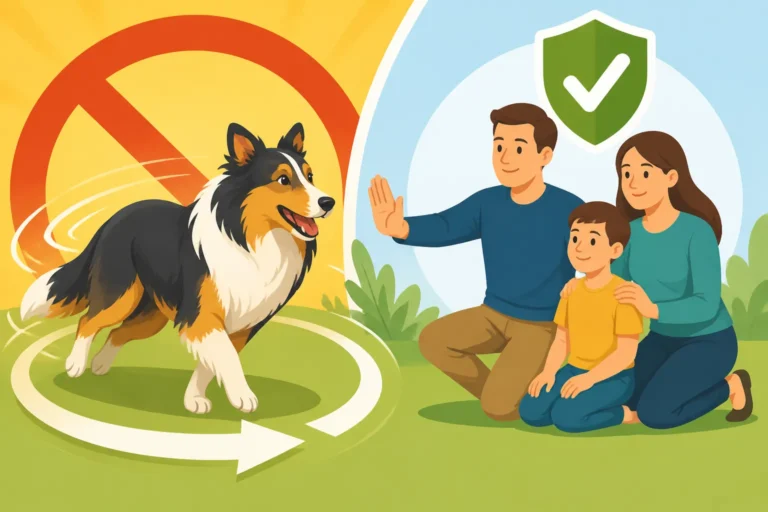
- Recall: A reliable recall is paramount, especially if you plan on hiking off-leash in permitted areas. Your Collie must come back to you every single time, even when distracted by a squirrel or another dog. Practice in increasingly distracting environments. BAXTER & Bella's online puppy school can be a great resource for building a strong foundation in recall and other essential commands from a young age, preparing your Collie for real-world scenarios.
- Leash Manners: Even on trails where off-leash is allowed, there will be times your Collie needs to be on a leash (passing other hikers, wildlife, narrow sections, etc.). They should be able to walk politely without pulling. A good, comfortable harness can help manage pulling and prevent strain on their neck.
- "Leave It" and "Drop It": These commands are vital for preventing your Collie from eating something dangerous on the trail (like toxic plants or discarded food) or picking up trash.
- Socialization: Your Collie should be comfortable encountering strangers, other dogs, and even different types of wildlife (from a distance, of course). An undersocialized dog can be a liability on a shared trail. Consistent positive experiences in various environments will build their confidence.
Choosing the Right Gear
Having the right equipment makes a world of difference for both you and your Collie. Don't skimp on these essentials.
- Leash and Harness: A sturdy, comfortable leash (6-foot is ideal) and a well-fitting harness are non-negotiable. Avoid retractable leashes, which offer poor control on trails. Harnesses that allow for a front clip can help reduce pulling. For very long hikes, some owners even use hands-free leashes that clip to a waist belt. You can find a wide range of reliable harnesses and leashes on Amazon.
- Water and Portable Bowl: As mentioned, this is crucial. Collapsible silicone bowls are lightweight and easy to carry.
- First-Aid Kit: A small, dog-specific first-aid kit is a must. Include items like antiseptic wipes, gauze, adhesive tape, paw balm, tweezers (for splinters/ticks), and vet wrap. Knowing basic canine first aid can be a lifesaver.
- Paw Protection: For rocky, hot, or icy terrain, dog boots can protect delicate paw pads from cuts, abrasions, or extreme temperatures. Even if you don't use them constantly, having them available for emergencies can be smart.
- Waste Bags: Pack plenty of bags and be prepared to pack out all waste, no matter how far into the wilderness you are.
- Reflective Gear/Lights: If you anticipate being out near dusk or dawn, reflective vests or clip-on lights for both you and your Collie increase visibility.
Building Stamina Gradually
You wouldn't run a marathon without training, and neither should your Collie. Gradually increase the duration and intensity of your walks and hikes.
- Start Small: Begin with short, easy walks in varied environments.
- Increase Gradually: Over weeks, slowly extend the distance and introduce more challenging terrain. Pay close attention to your Collie's response.
- Consistency is Key: Regular exercise, even daily walks around the neighborhood, builds a strong foundation for longer hikes. Training Sessions Count as a Collie's Exercise highlights how consistent activity can improve their overall fitness.
- Listen to Your Dog: There's no fixed schedule for building stamina. Some Collies will progress faster than others. Always prioritize their comfort and well-being.
Recognizing When Your Collie Needs a Break
One of the most important aspects of hiking with your Collie is being able to read their body language and recognize the signs that they're tired, overheated, or in pain. Collies are stoic dogs and might try to push themselves to please you, so it's up to you to be their advocate. Don't wait for obvious distress; catch the subtle cues early.
Signs of Fatigue and Overexertion
Pushing a Collie too hard can lead to muscle soreness, injuries, and even heatstroke. Watch for these indicators:
- Slowing Down: Your Collie is lagging behind you, taking more breaks, or generally moving at a slower pace than usual.
- Excessive Panting: While some panting is normal during exercise, excessive, heavy, or labored panting, especially if it doesn't subside quickly during a break, is a red flag.
- Stiff or Limping Gait: If your Collie starts to walk stiffly, holds a paw up, or is noticeably limping, stop immediately and assess the situation. Check their paws for cuts, thorns, or lodged debris.
- Dragging Paws: Scuffing their paws on the ground can be a sign of extreme fatigue or even neurological issues.
- Reluctance to Continue: If your Collie sits down, lies down, or actively tries to turn back, they're telling you they've had enough. Listen to them!
- Change in Demeanor: A usually happy, energetic Collie who becomes quiet, withdrawn, or irritable on the trail is likely over-tired or uncomfortable.
Warning Signs of Overheating
Overheating is a serious emergency for Collies, potentially leading to heatstroke, organ damage, or death. Be vigilant, especially in warmer weather.
- Excessive, Rapid Panting: This is the primary way dogs cool themselves. If it becomes frantic or doesn't slow down, it's a critical sign.
- Bright Red Gums and Tongue: This indicates increased blood flow as the body tries to dissipate heat.
- Thick, Ropy Saliva: As they dehydrate, their saliva can become thick and sticky.
- Stumbling or Disorientation: This is a late-stage sign of heatstroke and requires immediate intervention.
- Vomiting or Diarrhea: These can also be symptoms of severe heat stress.
- Warm to the Touch: If your Collie's body feels unusually hot, especially in their armpits or groin area.
If you suspect your Collie is overheating, act fast:
- Stop immediately: Get them into shade.
- Offer water: But don't force them to drink if they're disoriented.
- Cool them down: Wet their paws, belly, and head with cool (not ice-cold) water. Use your emergency water supply. You can also place cool, wet cloths on their groin and armpits.
- Seek veterinary attention: Even if they seem to recover, it's crucial to get them checked by a vet as quickly as possible. Internal organ damage may not be immediately apparent.
When to Turn Back
Knowing when to cut a hike short is a sign of a responsible owner. It's always better to err on the side of caution.
- Early Signs of Fatigue: If your Collie starts showing any of the fatigue signs, consider turning back or finding a shorter route.
- Weather Changes: A sudden increase in temperature, unexpected rain, or an approaching storm should prompt you to head back.
- Injury: Any suspected injury, no matter how minor, warrants an immediate return to safety and a check-up.
- Your Own Condition: If you're feeling unwell or overtired, it's safer for both of you to end the hike.
Ultimately, hiking with your Collie should be a joyful, shared experience. By understanding their breed characteristics, individual needs, and the environmental factors at play, you can tailor your adventures to be safe, fun, and within their comfortable limits. Always prioritize their well-being, and those miles on the trail will be memories you both cherish for years to come. Remember that A Collie Reads a Room Better Than It Reads a Command, so pay close attention to what they are telling you with their body language!
Planning Your Collie's Hiking Adventures Responsibly
Embarking on a hiking adventure with your Collie is about more than just logging miles; it's about strengthening your bond, exploring new environments, and providing valuable mental and physical stimulation. But it requires mindful planning to ensure every outing is safe and enjoyable. Rushing into a strenuous hike without considering all the variables can quickly turn a potential joy into a stressful ordeal.
Creating a Hiking Plan Tailored to Your Collie
Before you even leave the house, sit down and think through the details of your hike. This proactive approach will save you headaches on the trail.
- Choose the Right Trail: For your first few hikes, opt for trails that are well-marked, relatively flat, and offer plenty of shade and water sources. As your Collie's fitness improves, you can gradually introduce more challenging terrain or longer distances. Look for dog-friendly trails in local parks or state forests, checking regulations beforehand. Some trails might have restrictions on dogs, especially during certain seasons or in sensitive wildlife areas.
- Consider the Time of Day: During warmer months, plan your hikes for early mornings or late evenings when temperatures are cooler. In winter, midday hikes can be more comfortable, taking advantage of the sun's warmth. Avoid the midday sun during summer at all costs. Whether a Collie Should Be Walked Early in Summer offers more advice for warm weather outings.
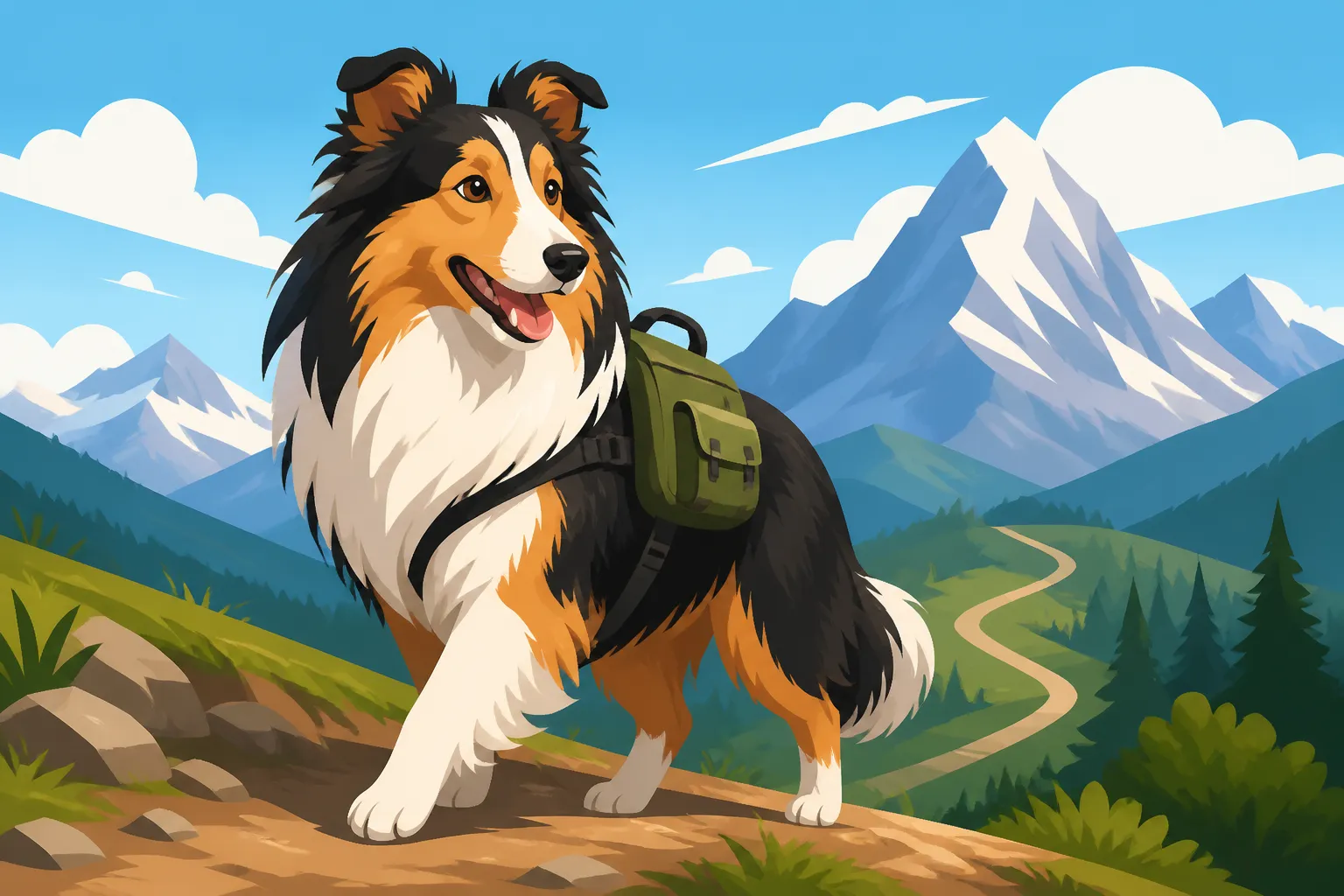
- Pack Smart: Make a checklist of all essentials: water for both of you, collapsible bowl, snacks, first-aid kit, waste bags, leash, harness, and any specific paw protection. Consider a small backpack for your Collie to carry their own supplies, but ensure it's not too heavy and fits comfortably.
- Inform Someone of Your Plans: Always let a friend or family member know your route and estimated return time, especially if you're venturing into more remote areas.
Essential Trail Etiquette for Collie Owners
Being a responsible dog owner extends to how you behave on the trail. Good etiquette ensures a positive experience for everyone—humans, dogs, and wildlife.
- Leash Laws: Always abide by local leash laws. If the trail requires dogs to be on a leash, your Collie should be on a leash, no exceptions. Even if your Collie has perfect recall, other dogs might not, and some people are genuinely afraid of dogs.
- Yield to Others: Hikers going uphill generally have the right of way. Step off to the side of the trail and keep your Collie close to you (on-leash) as others pass.
- Pick Up After Your Dog: This is non-negotiable. Carry out all waste. Leaving waste bags on the side of the trail, even if you intend to pick them up on the way back, is not acceptable.
- Respect Wildlife: Keep your Collie from chasing or disturbing wildlife. This is not only for the animals' safety but also for your dog's, as encounters can sometimes lead to injuries or exposure to diseases.
- Control Barking: Collies can be vocal. If your Collie tends to bark at everything, work on a "quiet" command before hitting busy trails. Why a Collie Barks provides more insights into managing their vocal tendencies.
- Trail Preservation: Stay on marked trails to minimize impact on the environment. Don't let your Collie dig or disturb plants.
Enjoying the Journey
Ultimately, hiking with your Collie is about quality time and shared experiences. Don't focus solely on distance or speed. Pay attention to the sights, sounds, and smells that captivate your Collie. Let them sniff and explore within safe limits. These experiences contribute to their mental enrichment and overall happiness.
Remember that Collies thrive on routine and predictability. Whether a Collie Needs a Predictable Routine is something many owners consider, and hiking can be a wonderful part of that. By being prepared, observant, and considerate, you and your Collie can enjoy countless miles of happy, healthy hiking adventures together, creating memories that last a lifetime.
| Factor | Impact on Collie's Hiking Distance | Considerations for Owners |
|---|---|---|
| Age | Young/Senior: Reduced; Adult: Higher | Puppies need short trips; seniors need frequent breaks & vet checks. Adults (1.5-7 yrs) are usually prime. |
| Fitness Level | Low: Reduced; High: Higher | Start with short, easy walks and gradually increase distance and difficulty. Consistency in exercise builds stamina. |
| Terrain | Flat: More; Rocky/Hilly: Less | Flat paths are easiest. Rocky or steep trails demand more effort and care; check paws frequently. |
| Weather (Heat/Humidity) | High heat: Significantly reduced | Avoid hot, humid weather entirely. Hike early/late in the day. Carry extra water for cooling. Monitor for overheating. |
| Weather (Cold) | Moderate cold: Less impact | Collies generally handle cold well. Watch for ice, salt, or snowballs in paws. Ensure active movement. |
| Hydration | Poor: Reduced; Good: Sustained | Always carry ample water for both. Offer frequently. Dehydration is a serious risk. |
| Temperament | Anxious: Reduced; Confident: Sustained | A nervous Collie might get overwhelmed by busy trails. Choose quiet trails initially and build confidence through positive experiences. |
| Coat Type | Rough: More prone to overheating | Rough Collies need extra vigilance in heat. Both varieties can pick up burrs and snow in their coats. |
Disclaimer
This article is for general informational purposes only and does not constitute professional advice. Laws, prices and regulations vary by location and change over time. Consult a qualified professional for guidance on your specific situation.