Whether a Collie Can Be a Running Partner
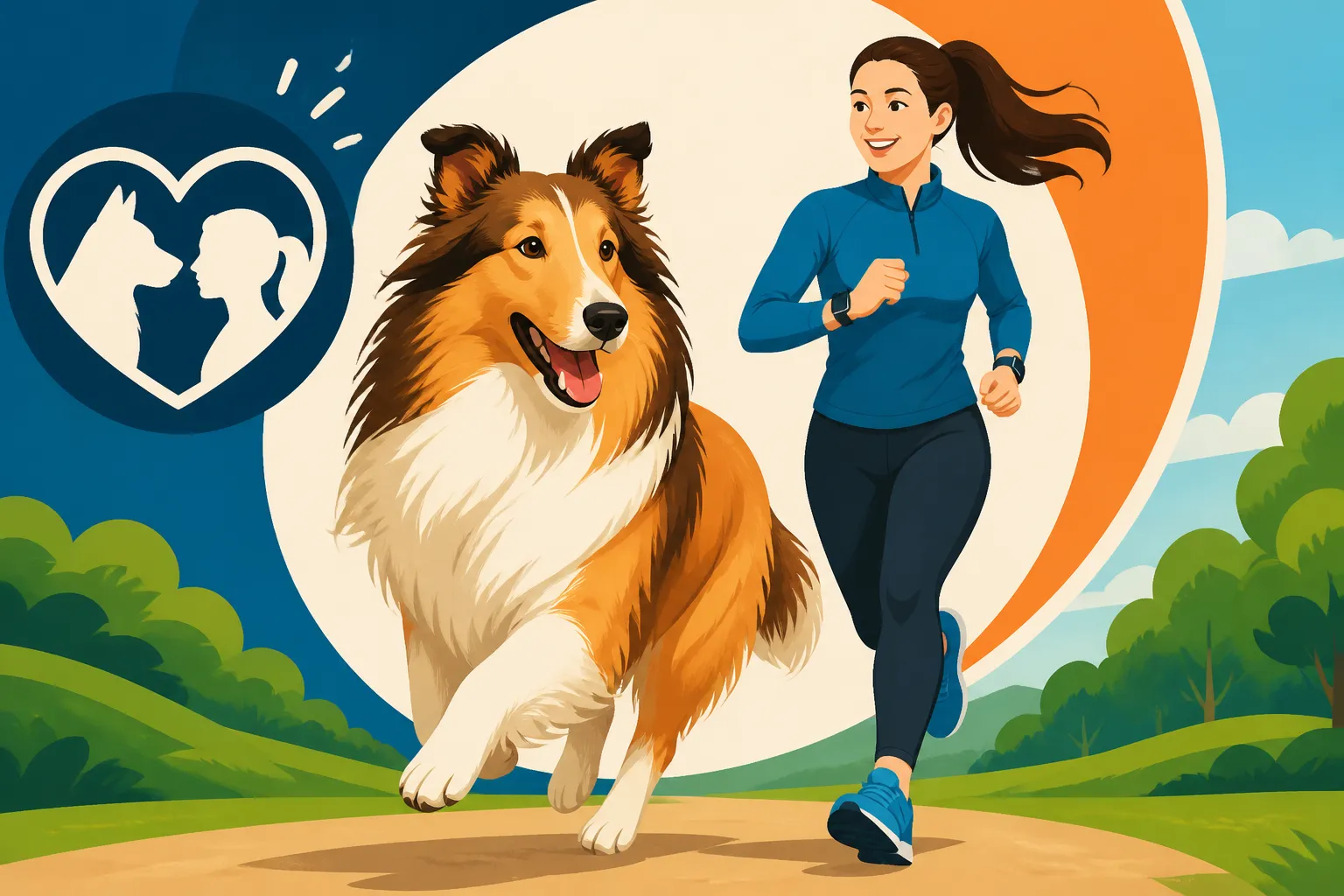
Many Collie owners dream of lacing up their running shoes and hitting the pavement or trails with their beloved, graceful companion trotting happily beside them. It's a beautiful image, isn't it? But then reality sets in: the long coat, the slightly less intense herding drive compared to a Border Collie, and the sheer elegance that doesn't always scream "marathon runner." It’s natural to wonder if your Collie is truly built for the long haul as a running partner, or if you're asking too much of their unique physique and temperament. This guide will help you understand your Collie's capabilities and limitations when it comes to being your running buddy, ensuring you both have a safe and enjoyable experience.
Understanding Your Collie's Athleticism and Physical Makeup
Collies, both Rough and Smooth, are undeniably athletic dogs. They were bred for endurance and intelligence in herding livestock over vast Scottish landscapes, often covering many miles in a day. However, their athleticism isn't always the same as, say, a high-octane Retriever or a hyper-focused Border Collie. Their build is elegant and lithe, designed for steady, controlled movement and quick directional changes, rather than sustained, flat-out sprints.
The Collie's Stamina and Energy Reserves
While a Collie might not be the fastest off the mark, their historical role demanded incredible stamina. They were expected to work all day, moving sheep with thoughtful precision, not just raw speed. This means they can sustain moderate exercise for surprisingly long periods. They typically have a good "cruise control" setting. If you're looking for a dog to join you on a gentle jog or a steady trail run, your Collie often has the heart and lungs for it. They might not be breaking any speed records, but they will likely keep a consistent pace once they get into their rhythm. It's less about explosive power and more about enduring presence. Many owners find that How Much Exercise a Collie Needs Daily often involves these types of sustained activities.
Coat Considerations and Heat Tolerance
Here's where the majestic Rough Collie faces its biggest challenge as a running partner: that glorious, thick double coat. While stunning, it's designed to protect them from cold, damp Scottish weather, not to facilitate cooling down during strenuous exercise in warmer climates. Even Smooth Collies, with their shorter coat, can struggle more than other breeds due to their double-layered protection. Running generates internal heat, and a Collie's coat can act like an insulating blanket, trapping that heat and making them prone to overheating. This is a serious concern, as overheating can quickly become life-threatening. You'll want to be especially mindful of this, as Whether a Collie Overheats in Its Coat is a common and important question.
In contrast, their long legs and relatively lean build mean they can cover ground efficiently without excessive strain on their joints, provided they are in good condition and of appropriate age. However, the deep chest, characteristic of the breed, does bring its own set of concerns, most notably the risk of bloat, which can be exacerbated by exercise too close to meal times.
Preparing Your Collie for the Pavement: Training and Conditioning
You wouldn't just jump off the couch and run a marathon, and neither should your Collie. Proper preparation is key to a successful and safe running partnership. This involves not just physical conditioning but also solid obedience and the right gear.
Building Endurance Gradually and Safely
Starting slow and building up endurance is absolutely critical. You can't take a couch-potato Collie on a five-mile run and expect them to thrive. Begin with short, brisk walks and gradually increase the distance and pace. Think in terms of weeks and months, not days. A good rule of thumb is to increase distance by no more than 10-15% per week. Pay close attention to your Collie for any signs of fatigue, lameness, or overheating. Are they lagging behind? Are they panting excessively? Do they seem reluctant to continue? These are all cues to slow down or stop. For younger Collies, ensure they are fully grown before engaging in intense running, usually around 18-24 months, to protect their developing joints. Consult your vet to confirm your dog's readiness.
Just like people, dogs can benefit from a structured fitness routine. Incorporating varied activities, such as How Far a Collie Can Hike on trails, swimming (if your Collie enjoys it), or even brisk walks on different terrains, can build overall fitness and muscle tone without overstressing specific joints.
Essential Gear and Training for a Running Collie
Having the right equipment makes a huge difference. A comfortable, well-fitting harness is often preferable to a collar when running, as it distributes pressure evenly across the chest rather than pulling on the neck. Look for harnesses designed for active dogs, often available on platforms like Amazon, that allow for a full range of shoulder motion. A hands-free leash that attaches to a belt can also be a game-changer, allowing you to maintain your stride and balance while keeping your Collie safely connected.
Beyond physical gear, good leash manners are non-negotiable. A Collie that pulls constantly will make running miserable for both of you and can lead to injuries. This is where solid obedience training comes in. Programs like BAXTER & Bella offer excellent online resources that can help establish a strong foundation in loose-leash walking and reliable recall, which are crucial for off-leash running in safe areas. Even for adult Collies, a refresher on "heel" and "leave it" commands can be incredibly beneficial. Remember, A Collie Reads a Room Better Than It Reads a Command, so positive reinforcement and clear communication are vital.
Here's a quick checklist for getting started:
| Aspect | Recommendation | Why it Matters |
|---|---|---|
| Age | Wait until 18-24 months (consult vet) | Protects developing growth plates and joints |
| Veterinary Check-up | Full physical exam, discuss running plans | Ensures underlying health conditions aren't missed |
| Start Slowly | Begin with short distances/low intensity, gradually increase over weeks/months | Builds stamina and muscle without injury |
| Proper Gear | Well-fitting harness, hands-free leash, reflective vest | Comfort, safety, prevents neck strain, increases visibility |
| Obedience Training | Master loose-leash walking, "heel," "leave it" | Safety, enjoyable experience for both, prevents distractions/pulling |
| Hydration | Carry water for both of you | Essential for preventing dehydration, especially in warmer weather |
| Surface | Start on soft surfaces (grass, trails) | Less impact on joints than pavement |
| Weather | Avoid extreme heat/humidity, opt for cool mornings/evenings | Prevents overheating, especially for Collies with thick coats |
Safety First: Health Considerations for a Running Collie
The joy of running with your Collie shouldn't come at the expense of their health. Collies have specific breed-related health concerns that need to be carefully managed, especially when engaging in strenuous activities.
Joint Health and Age Appropriateness
Collies are generally a robust breed, but like many larger dogs, they can be prone to joint issues such as hip dysplasia. While a healthy Collie with good joint structure can certainly run, it's essential to avoid over-exercising them when they are too young, as their growth plates are still fusing. As mentioned, waiting until they are at least 18-24 months old is a good rule of thumb. Regular vet check-ups can monitor joint health, and your vet might recommend supplements or specific exercises as your Collie ages. Whether a Collie Needs Joint Support From Middle Age is a conversation many owners have with their vets, and it becomes even more pertinent for active dogs. Early signs of lameness, stiffness after runs, or reluctance to jump should prompt a veterinary visit.
MDR1 Sensitivity and Medication
One of the most critical health considerations for Collies is their sensitivity to certain drugs due to the MDR1 gene mutation. This genetic quirk can cause severe neurological reactions to common medications, some of which might be used in emergencies or for routine treatments. For an active Collie, knowing their MDR1 status is non-negotiable. If your Collie is MDR1 affected (or even a carrier), every vet visit and every medication prescription needs careful consideration. Even seemingly innocuous drugs or treatments for minor running injuries could pose a risk if not managed properly. Always ensure your vet is aware of your Collie's MDR1 status, and consider carrying a laminated card with a list of contraindicated drugs. How a Collie Owner Tells the Vet About MDR1 is a crucial skill to master. This sensitivity can sometimes impact the cost of care, as What MDR1 Costs a Collie Owner in Caution and Vet Time often involves more selective choices in medication.
Bloat Risk and Meal Timing
Collies, being deep-chested dogs, are at a higher risk for Gastric Dilatation-Volvulus (GDV), commonly known as bloat. Bloat is a life-threatening emergency where the stomach twists, trapping gas and cutting off blood supply. Strenuous exercise, particularly around meal times, is considered a risk factor for bloat. To minimize this risk, always wait at least one hour (preferably two) after a meal before exercising your Collie, and allow a similar cool-down period before feeding after a run. Splitting their daily food into two or three smaller meals can also help reduce the risk. This is a very serious concern that every Collie owner should understand, as Bloat in a Deep Chested Collie can strike suddenly and requires immediate veterinary intervention.
Making it a Rewarding Experience: Tips for a Happy Running Duo
Once you've addressed the foundational training and health aspects, you can focus on making running a truly enjoyable activity for both of you.
Listen to Your Collie: Pacing and Breaks
Your Collie can't tell you in words when they're tired, hot, or uncomfortable, but they'll communicate it in other ways. Observe their body language:
- Panting: Excessive, deep panting that doesn't subside quickly after stopping is a red flag.
- Lagging: If they're falling behind or seem reluctant to move forward, it's time for a break or to head home.
- Lameness: Any limping, stiffness, or refusal to bear weight is an immediate reason to stop and assess.
- Dark gums/tongue: These, along with profuse drooling or stumbling, are signs of severe overheating.
- Refusing water: A dog that won't drink when offered water during exercise is a concern.
Always bring water for both of you, especially on longer runs or in warmer weather. Collapsible bowls, easily found on Amazon, are perfect for this. Offer water frequently, even if your Collie doesn't seem desperate. Knowing What a Collie Eats in a Month also means understanding their energy needs; ensure they are getting a balanced, high-quality diet to fuel their activity.
Choosing the Right Environment and Weather
The environment where you run plays a huge role in your Collie's comfort and safety.
- Surfaces: Softer surfaces like grassy trails, dirt paths, or even packed gravel are much kinder on your Collie's joints and paw pads than hard asphalt or concrete. These can also be cooler on their feet.
- Temperature: Avoid running in midday heat or high humidity. Early mornings or late evenings are best, especially for Rough Collies. If it's too hot for you to comfortably wear a long sleeve shirt, it's probably too hot for your Collie to run.
- Time of Year: In many regions, spring and autumn offer ideal running conditions for Collies. Winter can also be great, but be mindful of ice, snow, and extreme cold, which can also pose risks.
- Traffic and Distractions: Choose routes that are safe and minimize distractions. Busy streets with lots of traffic or other dogs can be stressful and dangerous. A calm, quiet path is always preferable.
Remember, the goal is to enhance your bond and improve both your fitness levels. If your Collie isn't enjoying it, or if you're constantly worried about their well-being, it defeats the purpose. With careful consideration of their unique needs and a gradual approach, a Collie can absolutely become a wonderful running partner, sharing many happy miles with you.
Disclaimer
This article is for general informational purposes only and does not constitute professional advice. Laws, prices and regulations vary by location and change over time. Consult a qualified professional for guidance on your specific situation.