Whether a Collie Barks at Cars Going Past
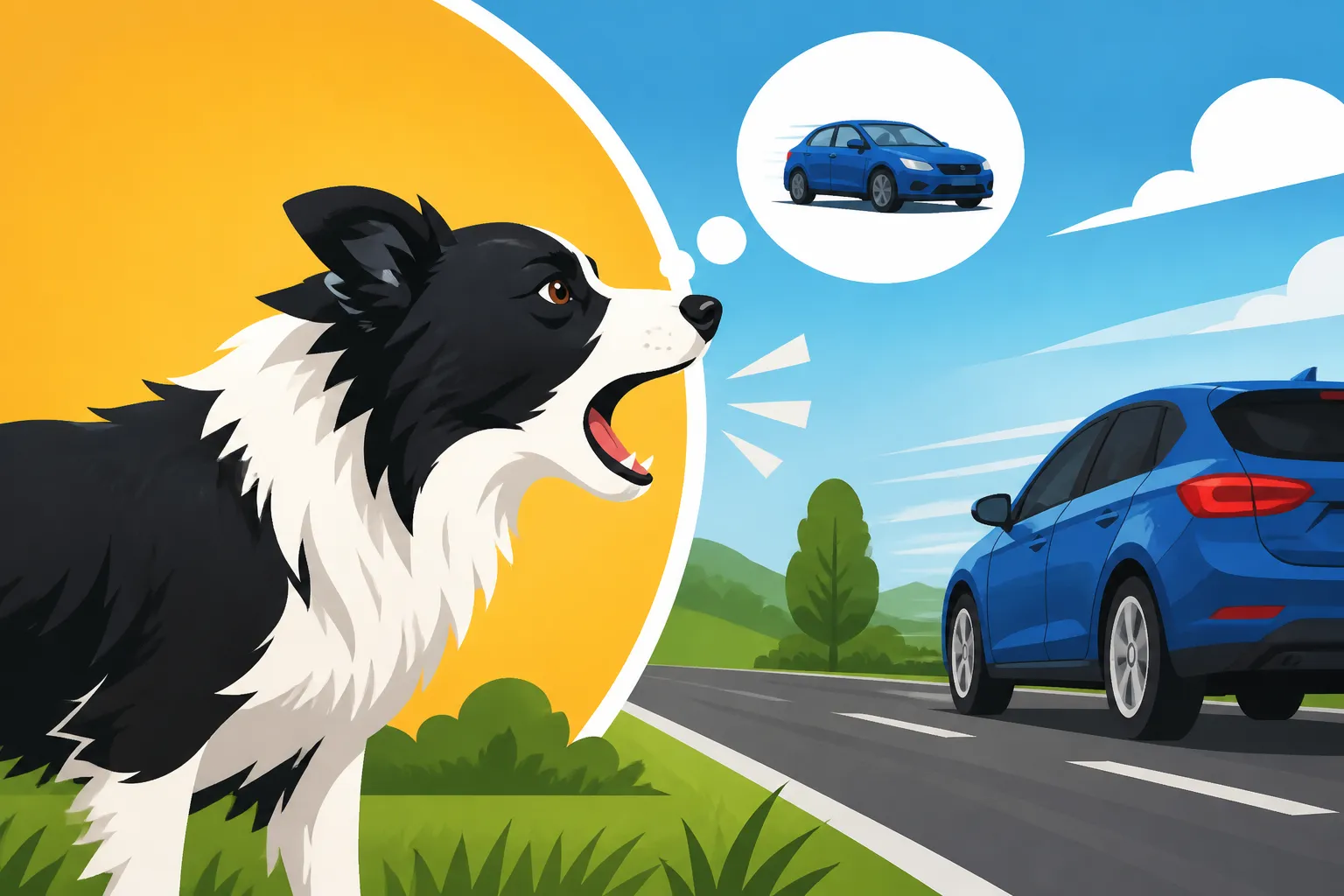
That incessant barking at every car that passes by can turn your peaceful home into a battlefield of sound, leaving you frustrated and your Collie agitated. It’s a common scenario for many Collie owners, wondering if their otherwise calm and intelligent companion has a secret vendetta against moving vehicles. This guide will delve into the various reasons why your Collie might be barking at cars and, more importantly, offer practical, empathetic strategies to help manage and reduce this behavior, bringing a bit more peace back to your household.
Why Collies Develop a Habit of Barking at Passing Cars
It’s easy to dismiss persistent barking as just a nuisance, but for your Collie, it’s always rooted in something. Understanding the why is the first step toward finding a solution that actually works. Collies are intelligent, sensitive dogs with a strong heritage, and these traits often play a significant role in their reactions to the world outside your window.
Deep-Seated Herding Instincts at Play
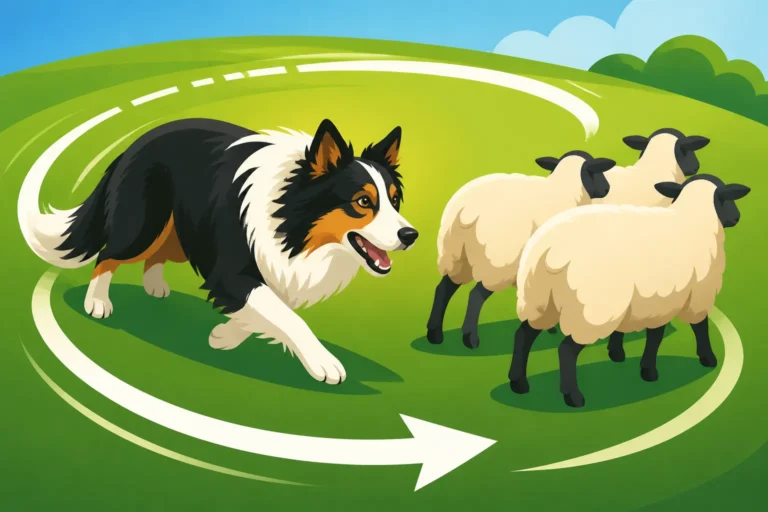
Collies, at their core, are herding dogs. Their ancestors spent generations moving and controlling livestock, which meant paying close attention to movement, assessing direction, and sometimes using their voice to guide or deter. When a car speeds past your house, to a Collie, it can look and act a lot like a large, fast-moving object that needs to be controlled or stopped. They might feel an innate urge to "gather" or "turn" this perceived runaway "flock member."
Think about it: the vehicle moves, the Collie barks. The vehicle continues to move away, seemingly "responding" to the bark. From your dog's perspective, their barking worked! They successfully moved the "thing" along. This accidental reinforcement makes it a very rewarding behavior for them. It’s not malicious; it's just their ingrained wiring trying to make sense of the modern world. This instinct is so powerful that it often manifests in various ways, sometimes even Why a Collie Herds Your Children.
Territoriality and Alert Barking
Your Collie views your home and yard as their personal domain, a secure space that they are responsible for protecting. Any passing car, especially one that slows down, stops, or even just seems too close, can be interpreted as an intrusion or a potential threat. Their bark becomes a warning signal, a declaration of their presence, and a clear message to the "intruder" to keep moving.
This type of barking is often amplified by clear sightlines. If your Collie has a perfect view of the street from a window, a low fence, or a front porch, they're constantly on alert. They might stand at attention, hackles slightly raised, giving a sharp, urgent bark that says, "Hey! Something's here!" They feel it's their duty to alert you to everything happening outside, from the mail delivery to the neighbor's cat, and yes, every single passing car. This is often part of The Bark Is the Trait Collie Owners Underestimate in the breed.
Fear, Anxiety, and Overstimulation
While many Collies are confident, some can be quite sensitive. The loud noises, sudden appearances, and sheer speed of passing vehicles can be genuinely frightening for an anxious or undersocialized Collie. They might perceive cars as looming, uncontrollable threats. In these cases, barking is often a defensive mechanism – an attempt to make the scary thing go away.
If a Collie is already prone to nervousness, say, if they are Whether a Collie Is Afraid of Thunderstorms or Whether a Collie Is Noise Sensitive, the unpredictability of traffic can push them over the edge. The barking might be accompanied by other signs of stress, such as pacing, panting, lip-licking, or retreating after the car passes. For these dogs, every car passing is a miniature stress event, and the barking offers a temporary, albeit ultimately unhelpful, release. It's a vicious cycle where the barking temporarily relieves the anxiety, reinforcing the behavior.
Simple Boredom and Lack of Mental Stimulation
Let’s be honest, sometimes a dog barks simply because they have nothing better to do. Collies are intelligent and thrive on mental engagement. If your Collie isn't getting enough physical exercise or, more critically, enough mental stimulation, they might resort to barking at cars as a form of self-entertainment. It’s an easy target, it moves, and it elicits a reaction (even if that reaction is just your frustration).
A bored Collie might pace the house, wander from window to window, and then launch into a barking fit when a car goes by. They might even try to engage you, hoping the barking will lead to attention, a game, or an outing. If you find your Collie is constantly looking for "something to do" and Whether a Collie Paces When Understimulated, then barking at cars might just be their chosen pastime. Providing engaging toys, regular training sessions, and interactive games can often redirect this energy.
Understanding the Nuances of Your Collie's Car Barking
Not all barks are created equal, and understanding the specific "language" your Collie is using can offer valuable clues about the underlying motivation for their car-related outbursts. Observing the context, the type of bark, and your Collie's body language can help you tailor your approach more effectively.
Deciphering the Different Bark "Languages"
Listen closely to your Collie's bark when a car passes. Is it:
- Sharp and Urgent? A high-pitched, rapid series of barks often indicates an alert, territorial warning. This is their way of saying, "Intruder! I see it! Pay attention!" This might be followed by a growl or a lunge towards the window.
- Deep and Resonant? A lower-pitched, sustained bark might suggest a more protective or wary stance, indicating they're holding their ground and watching carefully.
- Monotonous and Repetitive? A steady, almost rhythmic bark that doesn't change much in tone or intensity, even after several cars, could point towards boredom or a habit that's simply reinforced by the cars passing and disappearing. It's often a "look at me, I'm doing something!" bark.
- Whiny or Anxious? If the barking is interspersed with whines, panting, or subtle stress signals like lip-licking, yawning, or a tucked tail, it could be rooted in fear or anxiety. They're trying to make the scary thing go away.
Observing their body language is just as important. Are their hackles raised? Are they stiff and forward, or are they shrinking back? Do they look to you for reassurance, or are they solely focused on the street? These details paint a clearer picture than the bark alone. Understanding these signals is a huge part of learning to communicate with your Collie.
Identifying Environmental Triggers and Accidental Reinforcements
Consider the specific circumstances under which your Collie barks at cars. Does it happen:
- Only at certain windows? Perhaps a front window with an unobstructed view?
- Only at certain times of day? Rush hour might be more stimulating than quiet midday.
- Only for specific types of vehicles? Large trucks, noisy motorcycles, or even school buses might be bigger triggers.
- When you react? Do you rush to the window, scold them, or try to quiet them? Any attention, even negative attention, can accidentally reinforce the barking.
Many owners inadvertently reinforce barking without realizing it. For instance, if you yell "No!" every time your Collie barks at a car, you're still giving them attention. From their perspective, "My human just barked with me!" Or perhaps you try to soothe them, which can reinforce anxious barking. If the car always leaves after they bark, their brain makes a simple connection: "I barked, car left. My barking is effective!" This makes it incredibly difficult to break the habit, as the "reward" is built into the behavior itself.
The goal isn't just to stop the barking, but to replace it with a more desirable behavior. Instead of scolding, try to intervene before the barking starts, or redirect their attention immediately after the initial bark with a more appealing alternative.
Practical Strategies to Mitigate Car Barking in Collies
Successfully managing car barking in your Collie often requires a multi-faceted approach, combining environmental management, consistent training, and addressing their overall needs. Remember, consistency is key, and harsh methods are counterproductive for such a sensitive breed; Harsh Handling Breaks a Collie and It Does Not Come Back.
Environmental Management and Visual Barriers
One of the quickest ways to reduce car barking is to manage your Collie's access to the triggers. If they can't see the cars, they're less likely to bark at them.
- Block the View: Install window film on lower panes, close blinds or curtains, or strategically place tall furniture or plants in front of commonly used "barking windows." This simple step removes the visual stimulus that sparks the initial reaction.
- Create a Designated "Safe Zone": Encourage your Collie to relax in a different part of the house during peak traffic times, perhaps in a room away from the street-facing windows. Provide a comfortable bed, a favorite chew toy, or a puzzle feeder there to make it an inviting spot. You can find many interactive toys and puzzle feeders on Amazon that can keep your Collie engaged.
- Use White Noise: A radio, TV, or white noise machine can help muffle the sounds of passing cars, reducing auditory triggers, especially for Collies who are Whether a Collie Is Noise Sensitive.
Training, Desensitization, and Counter-Conditioning
This is where you actively teach your Collie a new, more appropriate response to passing cars. It takes patience, but it's incredibly effective for long-term change.
- "Look at That" (LAT) Game: This technique, often taught in positive reinforcement programs like those offered by BAXTER & Bella, involves rewarding your Collie for noticing a car without reacting. Sit with your Collie near a window where cars pass (but not so close that they're already barking). The moment they look at a car, before they can bark, mark the behavior (with a clicker or a verbal "Yes!") and immediately give them a high-value treat. The goal is to change their emotional response from "car = bark" to "car = treat!" Start far away, gradually moving closer as they succeed.
- "Quiet" Cue: Teach your Collie a "quiet" command. Start by intentionally getting them to bark (e.g., knocking on a door). When they bark, wait for a momentary pause, then say "Quiet" and immediately reward them. Practice this repeatedly. Once mastered, you can try applying it to cars, but only after they've barked once or twice, and you're confident they can respond. The idea is not to stop the bark but to shorten it and replace it with a calm response.
- Redirection: Keep high-value treats or a favorite toy on hand. The moment you see a car approaching, or just before your Collie barks, redirect their attention. Call their name, ask for a "sit" or "down," and reward them for focusing on you instead of the car. This breaks the habit loop.
Here's a small table illustrating how to approach redirection versus counter-conditioning:
| Strategy | Goal | When to Use | Example Application |
|---|---|---|---|
| Redirection | Interrupt existing behavior; shift focus | Early stages, or for mild, habitual barking | Call name, ask for a "sit," reward for eye contact before bark. |
| Counter-Conditioning | Change emotional response to trigger | Moderate to severe fear/anxiety, territoriality | "Look at That" game, reward calmness when cars pass. |
| Desensitization | Reduce sensitivity to trigger | When exposure is overwhelming | Gradually increase proximity/volume of car sounds, pair with treats. |
Increasing Mental and Physical Exercise
A well-exercised and mentally stimulated Collie is generally a calmer Collie. Remember the advice: Forty Five Minutes a Day, and Half of It in Its Head.
- Daily Walks and Runs: Ensure your Collie gets adequate physical exercise. This doesn't just mean a quick potty break; it means purposeful walks where they can sniff and explore, or even a good run in a secure area. A tired body often leads to a quieter mind.
- Puzzle Toys and Interactive Games: These are fantastic for mental stimulation. Fill Kongs or other puzzle toys with treats or peanut butter and freeze them for a long-lasting distraction. Engage them in games of fetch, hide-and-seek, or teach them new tricks. Mental work can be just as tiring, if not more so, than physical exercise. You can find durable and engaging puzzle toys for Collies on Amazon.
- Training Sessions: Regular, short training sessions (5-10 minutes, several times a day) not only reinforce good behavior but also provide valuable mental exercise. Teach them new commands, practice old ones in different environments, or even try dog sports like Rally, Obedience, or Scent Work. Collies often excel in these activities, as discussed in Herding, Rally and the Sports a Collie Was Made For.
When to Seek Professional Help for Car Barking
While many Collies will respond positively to consistent home management and training, there are times when persistent car barking indicates a deeper issue that requires the expertise of a professional. Recognizing these signs and knowing when to reach out can make all the difference for your Collie's well-being and your household's peace.
Recognizing Escalating or Compulsive Behavior
If your Collie's car barking seems to be getting worse, is constant and relentless, or starts to interfere with their quality of life, it's a clear signal that you might need external help.
- Compulsive Barking: If the barking is incessant, lasts for extended periods even when no cars are visible, or your Collie struggles to "turn it off" once they start, it could be becoming a compulsive behavior. This isn't just a bad habit; it suggests a deep-seated anxiety or overstimulation that they can't self-regulate.
- Excessive Stress or Anxiety: Look for other signs of stress accompanying the barking: pacing, panting excessively, drooling, destructive chewing, self-licking, loss of appetite, or an inability to settle down even after the car passes. If the barking is fueled by genuine fear, your Collie is living in a constant state of low-level panic, which is detrimental to their health and happiness. For some Collies, constant exposure to triggers without appropriate coping mechanisms can lead to a state where they are always on edge, which could manifest as Whether a Collie Gets Separation Anxiety when you leave, or just general nervousness.
- Aggressive Displays: If the barking escalates into growling, lunging, snapping, or attempts to bite at the window or even people passing by, it has moved beyond a simple nuisance and into a territory concern that requires immediate professional intervention.
Consulting a Certified Professional Dog Trainer or Veterinary Behaviorist
When your efforts at home aren't making a dent, or if you're seeing any of the escalating behaviors mentioned above, it's time to bring in the big guns.
- Certified Professional Dog Trainer (CPDT): Look for a trainer who uses positive reinforcement methods. They can assess your Collie's specific situation, identify the root cause of the barking, and help you implement a tailored training plan. They can teach you effective techniques for desensitization and counter-conditioning, and help you refine your timing and cues. A good trainer will teach you how to work with your dog, empowering you with the skills you need. Many trainers offer virtual consultations, making it easier to get help no matter where you live.
- Veterinary Behaviorist: If the barking is deeply rooted in anxiety, fear, or appears to be compulsive, a veterinary behaviorist might be the most appropriate specialist. These are veterinarians with advanced training in animal behavior, meaning they can diagnose and treat behavioral problems from both a behavioral and medical perspective. They can prescribe medication if necessary, alongside a behavioral modification plan, to help reduce your Collie's overall anxiety levels, making them more receptive to training. They can also rule out any underlying medical conditions that might be contributing to increased irritability or pain, which could exacerbate barking. For any health concerns, remember that How a Collie Owner Tells the Vet About MDR1 is crucial, especially if medication is being considered.
A professional will help you develop a comprehensive plan that addresses not just the barking itself, but the underlying emotional state and environmental factors contributing to it. Sometimes, getting an objective eye on the situation is all it takes to break through a stubborn behavior pattern.
Disclaimer
This article is for general informational purposes only and does not constitute professional advice. Laws, prices and regulations vary by location and change over time. Consult a qualified professional for guidance on your specific situation.