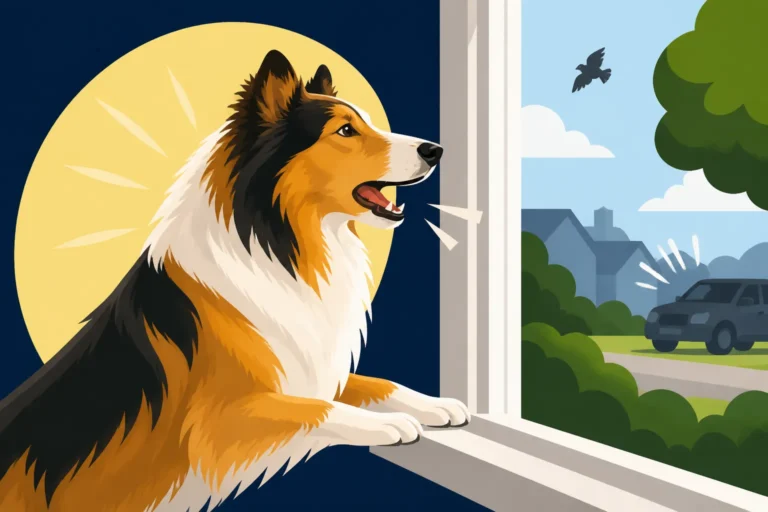
Whether a Collie Startles at Loud Noises
It's incredibly frustrating, and honestly, a little heartbreaking, when your otherwise calm and confident Collie suddenly jumps out of their skin at an unexpected bang or flash. You want them to feel safe in their own home and out in the world, but loud noises can turn even the most stoic Collie into a quivering mess. This guide will delve into why Collies can be particularly sensitive to loud noises, what signs to look for, and practical, empathetic strategies you can use to help your beloved companion cope and build their confidence.
Do Collies Startle at Loud Noises?
Absolutely, yes, many Collies do startle at loud noises, and it's a common concern among owners. While every dog is an individual, and some may be more resilient than others, Collies as a breed often possess a refined sensitivity, partly due to their genetic heritage as herding dogs. They were bred to be highly attuned to their environment, listening for the subtle sounds of livestock or changes in the weather. This heightened awareness, while beneficial in their working roles, can unfortunately translate into a stronger reaction to unexpected, sudden, or intense sounds in a domestic setting.
Think about it from their perspective: a loud bang from a dropped pan, a sudden clap of thunder, or fireworks erupting in the neighborhood are completely alien to their natural instincts. Unlike a herding command, these sounds carry no discernible meaning or pattern they can interpret, making them inherently startling and potentially frightening. It's not just a matter of being a little jumpy; for many Collies, it's a genuine fear response that can manifest in various ways, from a quick flinch to full-blown panic. This sensitivity is often linked to their overall temperament, which leans towards being observant and often quite sensitive to their handler's moods and their surroundings.
Common Triggers for Noise Sensitivity in Collies
The world is full of sounds, and for a sensitive Collie, many of them can be triggers. It's not always the obvious ones like thunderstorms or fireworks, though those are certainly high on the list. Everyday household noises can be just as jarring. Imagine being deep in a peaceful nap only to be jolted awake by the vacuum cleaner roaring to life, or the clatter of a pot lid falling in the kitchen. For a Collie, these abrupt, high-decibel sounds can be genuinely alarming.
Outside, the triggers multiply. Construction noises like jackhammers or sudden hammering can be incredibly stressful. The backfire of a car, a blaring car horn, or the unexpected shout of a child playing can all send a sensitive Collie into high alert. Even the whirring of a leaf blower or the distant rumble of a garbage truck can be enough to set off a chain reaction of anxiety. The key often isn't just the volume, but the suddenness and unpredictability of the sound. If your Collie is particularly sensitive, you might even notice them reacting to the sound of a plastic bag rustling loudly or a book dropping from a shelf. It really highlights just how finely tuned their auditory senses are, and how much we, as their human companions, need to be aware of the soundscape they live in.
Recognizing the Signs of Fear and Anxiety
When a Collie is startled or fearful of loud noises, they're not always going to howl or run away dramatically. Their reactions can be much more subtle, especially at first. You might see them tense up, their ears might flatten back, or their tail might tuck slightly between their legs. Sometimes, it's just a quick flick of the eyes, a widening of the pupils, or a sudden stillness in their posture, as if they're trying to pinpoint the source of the noise and assess the threat.
As the fear intensifies, the signs become more obvious. Excessive panting, drooling, or trembling are common. They might seek to hide under furniture, try to get closer to you for comfort, or pace restlessly. Some Collies will vocalize, barking frantically, whining, or even howling. Others might engage in destructive behaviors, chewing on furniture or scratching at doors in an attempt to escape the perceived threat. It's crucial to understand that these aren't signs of disobedience or misbehavior; they are genuine expressions of fear and anxiety. Recognizing these signs early allows you to intervene and provide comfort and reassurance before their anxiety escalates into full-blown panic. Understanding Whether a Collie Hides Pain can also help you interpret subtle cues.
Understanding a Collie's Sensitivity to Sound
A Collie's inherent traits play a huge role in their response to stimuli, including loud noises. As intelligent, sensitive, and often reserved dogs, they process the world with a certain level of intensity. They're keen observers, and this includes their auditory processing. Their ancestral job of herding meant they needed to be aware of every rustle and distant bleat, so they developed acute hearing. This isn't a flaw; it's a deeply ingrained part of their breed.
Beyond just good hearing, their temperament often includes a predisposition to being a bit more reserved or even timid if not properly socialized. This isn't to say all Collies are fearful, but they tend to be more thoughtful and less boisterous than some other breeds. This combination of acute hearing and a sensitive disposition can make them more prone to startling and developing phobias related to sound. It's a fine line between being a wonderfully attentive companion and being overwhelmed by the cacophony of modern life.
The Role of Genetics and Early Experiences
Genetics can definitely play a part in a Collie's predisposition to noise sensitivity. Just like people, some dogs are simply born with a more anxious temperament, which can make them more susceptible to developing fears. If a Collie's parents or littermates displayed strong reactions to loud noises, there's a chance your Collie might inherit a similar inclination. Responsible breeders often try to breed for stable temperaments, but nature sometimes has its own plans.
However, early experiences are often just as, if not more, impactful. A Collie puppy's critical socialization period, typically between 3 to 16 weeks, is a crucial window for exposure to various sights and sounds in a positive way. If a puppy experiences a traumatic event involving a loud noise during this period, or simply isn't exposed to a wide variety of normal household and outdoor sounds, they might grow up to be more fearful. For instance, a puppy raised in a very quiet environment might find the hustle and bustle of a busy neighborhood overwhelming later on. Conversely, positive, gentle exposure can build resilience. This is why good socialization, as discussed in Where to Socialize a Collie Puppy, is so important.
Differentiating Between Startle and Phobia
It's important to distinguish between a natural startle response and a full-blown noise phobia, as the approach to managing them differs. A "startle" is a momentary, involuntary reaction to a sudden, unexpected loud noise. Your Collie might jump, flinch, or bark once, then quickly recover and continue what they were doing. It's like when you accidentally drop a plate and jump a little – a normal, short-lived reaction. It's usually over once the sound ceases, and they don't carry lingering anxiety.
A "phobia," on the other hand, is an intense, persistent, and irrational fear response. If your Collie has a noise phobia, they will not only react strongly to the noise itself but might also show anticipatory anxiety, meaning they start panicking even before the thunderstorm hits or fireworks begin, simply because they sense it coming. Their recovery time is much longer, and their distress can be profound, leading to destructive behavior, attempts to escape, or even self-harm. This level of fear significantly impacts their quality of life. Understanding Whether a Collie Is Afraid of Thunderstorms is often about identifying this difference.
Helping Your Collie Cope with Loud Noises
Living with a Collie who startles easily or has noise phobias can be challenging for both of you, but there are many proactive steps you can take to make their world a calmer place. It's about creating a safe haven and teaching them coping mechanisms, rather than simply trying to "fix" their reactions. Patience, consistency, and a deep understanding of your Collie's needs are your most valuable tools.
One of the first and most critical things you can do is to be prepared. If you know a noisy event is coming, like a holiday with fireworks or a predicted thunderstorm, plan ahead. Create a safe space for your Collie – a den-like area in a quiet part of the house, perhaps a crate covered with a blanket, or a small room where they feel secure. This space should be equipped with comfortable bedding, their favorite toys, and perhaps a long-lasting chew or puzzle feeder to distract them. Playing calming music or white noise can help mask unsettling outdoor sounds.
Creating a Safe Haven
When it comes to loud noises, having a designated safe space is non-negotiable for many Collies. This isn't just a place they go when they're scared; it should be a positive, comfortable retreat they can access anytime. A quiet room, a large crate, or even a cozy corner under a desk can work. The key is that it's their space, where they feel secure and can decompress.
Inside this haven, make sure it's as soundproofed as possible. Close windows, draw heavy curtains, and consider using a fan, white noise machine, or calming classical music to help muffle external sounds. You can find excellent white noise machines and dog beds on platforms like Amazon that can contribute to this peaceful environment. Ensure there are soft blankets, a familiar toy, and maybe even a scent diffuser with calming pheromones or lavender (specifically formulated for pets) to enhance the sense of security. Never use this space for punishment; it must always remain a positive sanctuary. Sometimes, a safe space is also about providing a predictable routine, as explored in Whether a Collie Needs a Predictable Routine.
Desensitization and Counter-Conditioning
For Collies with significant noise sensitivity or phobias, desensitization and counter-conditioning are powerful, long-term strategies, best undertaken with the guidance of a professional trainer or veterinary behaviorist. These techniques slowly change your Collie's emotional response to the scary sound.
Desensitization involves gradually exposing your Collie to the problematic sound at a very low volume, so low that they don't react fearfully. You might start with a recording of fireworks played barely audibly, for example. As they remain calm, you gradually increase the volume over many, many sessions, often over weeks or months. Counter-conditioning happens simultaneously: every time the sound is present (at that non-fear-inducing volume), you pair it with something wonderful, like high-value treats or a favorite game. The goal is to change their association from "scary sound = danger" to "sound = yummy treats!" This consistent positive reinforcement can slowly re-wire their emotional response. A structured training program, like those offered by BAXTER & Bella, can provide guidance for these complex training protocols.
Calming Aids and Management Strategies
Beyond training, there's a whole toolbox of calming aids and management strategies that can help your Collie during noisy events. ThunderShirts, which apply gentle, constant pressure, can have a calming effect on some dogs, much like swaddling a baby. Calming supplements containing ingredients like L-theanine, tryptophan, or various herbal blends can be helpful for mild to moderate anxiety, but always consult your vet before introducing new supplements. Pheromone diffusers or collars (like DAP or Adaptil) can also contribute to a sense of well-being.
During a noisy event, distraction is your friend. Engage your Collie in a favorite game, offer a stuffed Kong, or try a puzzle feeder. These activities can help shift their focus away from the frightening sounds. If your Collie is able to tolerate it, going for a long walk or having an engaging play session before a predicted noisy event (like fireworks) can help tire them out, making them more likely to rest through the commotion. However, never force interaction if they are clearly distressed; sometimes, all they need is quiet reassurance and your presence. Remember that How Long a Collie Remembers a Bad Session emphasizes the importance of making all these interactions positive.
Long-Term Confidence Building for Your Collie
Addressing noise sensitivity isn't just about managing acute reactions; it's also about building your Collie's overall confidence and resilience to face the world. A dog who feels secure in themselves and their environment is far less likely to be overwhelmed by unexpected events, including loud noises. This is a journey, not a quick fix, and it involves consistent effort in several areas of their life.
Think about how you interact with your Collie daily. Do you reward calm behavior? Do you provide plenty of mental stimulation to keep their intelligent minds engaged? A bored Collie can often be a more anxious Collie, as they might become hypersensitive to their environment if they don't have enough to focus on. Providing them with opportunities to explore, learn, and succeed builds a strong foundation of confidence. It's about empowering them to be the best, most balanced version of themselves.
Socialization and Positive Exposure
Ongoing, positive socialization is absolutely key for Collies, even beyond puppyhood. It's not just about meeting new dogs and people; it's about experiencing the world in a positive and controlled manner. Expose your Collie to a variety of safe, everyday sounds and sights – within their comfort zone, of course. This could involve short, positive outings to different environments, like a quiet park, a bustling sidewalk (from a distance at first), or even just listening to different sounds from inside your home.
The goal is to teach them that novel experiences and sounds are often nothing to fear. Always keep these exposures positive by pairing them with treats and praise. If your Collie shows any signs of stress, you've gone too far, too fast; retreat to a comfortable distance and try again later. The mantra is "short, positive, and controlled." This kind of consistent, gentle exposure helps build a robust mental framework, making them less prone to panic when an unexpected noise does occur. For dogs with existing anxiety, it's also important to remember that Whether an Undersocialized Collie Can Be Fixed involves careful, patient work.
Enrichment and Mental Stimulation
A well-exercised and mentally stimulated Collie is generally a more settled and confident Collie. While physical exercise is important – Forty Five Minutes a Day, and Half of It in Its Head suggests a good balance – mental enrichment is often overlooked but equally vital. Collies are intelligent working dogs, and their minds need a job to do. Without it, they can become anxious, destructive, or hyper-vigilant to their surroundings, which exacerbates noise sensitivity.
Puzzle toys, snuffle mats, training sessions, and even scent work can provide incredible mental stimulation. Hide treats around the house for them to sniff out, or teach them new tricks. These activities tap into their natural problem-solving abilities and give them a sense of purpose and accomplishment. A Collie whose mind is regularly engaged is less likely to fixate on external stressors like loud noises. Regular training, especially positive reinforcement-based methods, also strengthens your bond and builds their trust in you, which is a huge asset when they're feeling insecure. You can find a wide variety of engaging puzzle feeders and toys on Amazon to keep their brains busy.
When to Seek Professional Help
Sometimes, despite your best efforts, a Collie's noise sensitivity can be so severe that it significantly impacts their quality of life, and yours. If your Collie is experiencing extreme panic, exhibiting destructive behavior, harming themselves, or if their anxiety simply isn't improving with the strategies you've tried, it's definitely time to seek professional help.
This might involve consulting with a certified professional dog trainer, particularly one specializing in fear and anxiety, or a veterinary behaviorist. A vet behaviorist is a veterinarian with specialized training in animal behavior, who can assess your Collie's situation comprehensively and may be able to prescribe medication to help manage their anxiety in conjunction with behavior modification. Medication isn't a cure, but it can significantly lower their anxiety levels, making them more receptive to training and able to cope more effectively. Don't feel like you've failed if you reach this point; you're simply giving your Collie the best chance at a calmer, happier life.
Here's a quick overview of common noise triggers and how to manage them:
| Noise Type | Common Collie Reaction | Management Strategies | Long-Term Goals |
|---|---|---|---|
| Thunderstorms | Hiding, trembling, panting, seeking comfort | Safe den, white noise, calming music, ThunderShirt | Desensitization to storm sounds, overall confidence building |
| Fireworks | Panic, escape attempts, destructive chewing | Confined safe space, heavy curtains, high-value chews, play calming sounds | Pre-emptive medication (vet advised), sound training, counter-conditioning |
| Vacuum Cleaner | Barking, retreating, jumping | Introduce slowly, reward calm presence, positive association with treats during use | Familiarization, desensitization, teach "place" during cleaning |
| Car Backfires/Horns | Sudden flinch, quick bark, nervous glance | Remain calm, redirect attention, positive reinforcement for quick recovery | Exposure to urban sounds, focus on handler during walks |
| Construction Noise | Pacing, whining, barking at source | Move away from noise, indoor enrichment, safe indoor playtime | Gradual exposure from a distance, positive reinforcement for relaxed behavior |
Remember, your Collie looks to you for guidance and reassurance. Your calm, confident demeanor can go a long way in helping them feel more secure.
Disclaimer
This article is for general informational purposes only and does not constitute professional advice. Laws, prices and regulations vary by location and change over time. Consult a qualified professional for guidance on your specific situation.