Whether a Collie Is Afraid of Thunderstorms
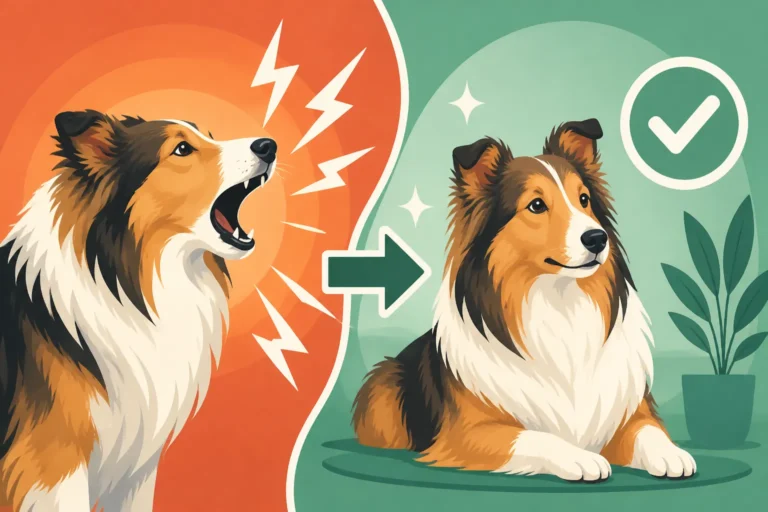
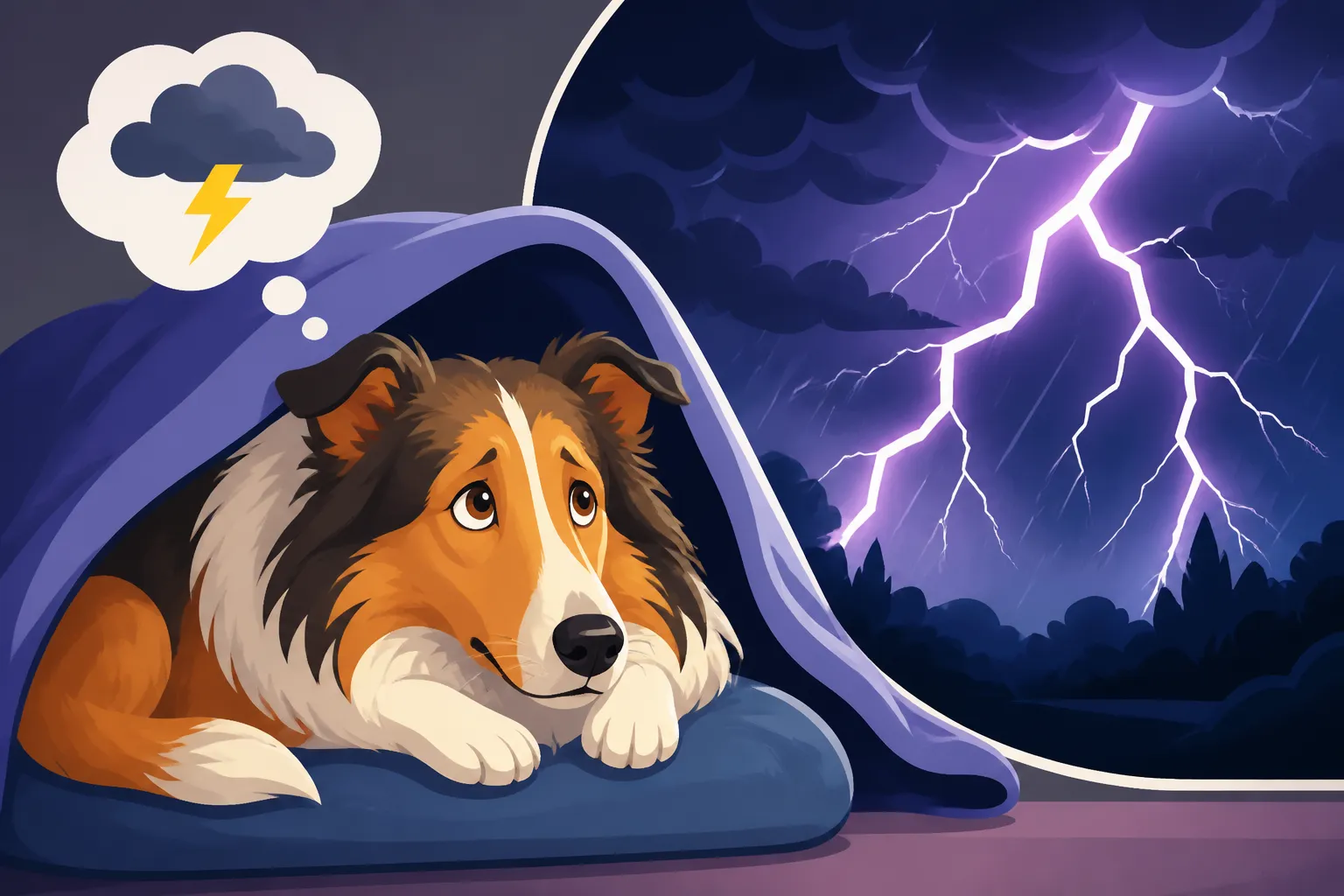
That rumble in the distance, the sudden flash of lightning cutting through the evening sky – for us humans, a thunderstorm can be a dramatic show of nature’s power. But for many Collies, it's a terrifying ordeal that sends them into a spiral of anxiety and fear. It’s absolutely heartbreaking to watch your usually calm and composed companion turn into a quivering mess, desperately seeking solace or, worse, trying to escape their own skin. This guide is here to shed some light on why your Collie might be so afraid and, more importantly, what you can do to help them through it.
Understanding Why Thunderstorms Can Be So Terrifying for Collies
It’s easy to think that a dog’s fear of a thunderstorm is simply about the loud noise. We hear the thunder and assume that’s the primary culprit. While the booming sound certainly plays a huge role, especially for a breed as sensitive as the Collie, it’s often a much more complex, multi-sensory experience that overwhelms them. Imagine being acutely aware of every subtle shift in your environment – that's often what our Collies are going through.
More Than Just the Boom: The Multi-Sensory Assault
Long before the first drop of rain, or even the initial distant rumble, a developing storm brings with it a cascade of changes that many dogs, and Collies in particular, are highly attuned to. There's a definite shift in barometric pressure, which many dogs can feel in their bodies. Think of how some people feel achy before a storm; dogs, with their heightened senses, might experience something similar, but perhaps much more intensely. It’s like an internal alarm bell ringing before the visible signs of the storm even appear.
Then there’s the static electricity. As a storm builds, the air becomes charged, and some dogs can feel this static buildup, even experiencing minor shocks, particularly if they have a thick coat. Have you ever gotten a shock from touching something metal during a dry spell? Imagine that sensation amplified and occurring all around you. This static can be uncomfortable and confusing, often leading dogs to seek out places where they might feel grounded, like bathrooms or basements. This physical discomfort adds another layer to their apprehension, often long before the lightning strikes.
Beyond the physical sensations, a storm brings subtle shifts in light – the darkening sky, the dramatic flashes – and even changes in scent. The smell of rain, ozone, and damp earth can be very distinct. While we might find these smells refreshing, to an already anxious dog, they become cues that intensify their fear. For a Collie, whose senses are naturally finely tuned, these combined elements create a truly overwhelming assault on their perception, making it nearly impossible for them to relax.
The Herding Dog's Sensitivity and Genetic Predisposition
Collies were bred to be intelligent, observant, and highly responsive working dogs. These very traits, which make them such wonderful companions and capable herders, can also contribute to their heightened sensitivity to environmental stressors like thunderstorms. Their intelligence means they are quick to pick up on patterns and predict events. If a few bad experiences with storms have happened, they can easily learn to anticipate the fear and anxiety that comes with them, often before we even notice the storm brewing.
Their inherent sensitivity means they often react more strongly to loud noises, sudden changes, or perceived threats. While not every Collie will develop storm phobia, their genetic makeup and breed characteristics can make them more prone to anxiety-related behaviors. This isn't a weakness; it's a natural consequence of their finely tuned minds and senses. Some Collies might even be generally more prone to Whether a Collie Is Noise Sensitive than others, making thunderstorms a particularly challenging event.
Think about it: a herding dog's job is to be aware of everything around them, to notice the subtle movements of livestock, and to react quickly to protect their flock. When a storm hits, it can trigger this innate alert system in a negative way. They might feel a deep, primal urge to protect their family (their "flock") from this unseen, unpredictable threat, leading to frantic pacing, barking, or desperate attempts to "control" the situation by seeking an escape route. This deep-seated instinct, when misdirected by fear, only exacerbates their distress.
Recognizing the Signs of Storm Phobia in Your Collie
One of the biggest challenges for Collie owners is recognizing when their dog is truly scared versus just a little bit unsettled. Collies, like many dogs, can be masters of subtle communication, and their early signs of anxiety might be easy to miss if you don't know what to look for. The key is to observe your Collie's behavior both before and during a storm, noting any changes from their normal demeanor.
Subtle Cues Before the Storm Hits
Often, the earliest signs of storm phobia appear long before the first thunderclap. You might notice your Collie becoming restless, pacing around the house, unable to settle in their usual comfy spots. They might start yawning excessively, lip-licking, or panting even when they haven't been exercising or it's not particularly warm. These are often early stress signals, indicating a rise in their anxiety levels.
Another common cue is seeking comfort or, conversely, trying to hide. Your Collie might become incredibly clingy, shadowing your every move, perhaps nudging you for attention or trying to climb onto your lap, even if they're a large dog. On the other hand, some Collies will retreat to a "safe" spot, like under a bed, in a closet, or in the bathroom. They might be trying to get away from the static electricity or simply seeking a dark, enclosed space. Pay attention to their body language: a tucked tail, ears pulled back, or wide, darting eyes are clear indicators of distress. Sometimes, they might even avoid eye contact, a sign they are feeling vulnerable and unsure.
These subtle shifts are your Collie's way of telling you, "Something isn't right, and I'm starting to feel scared." Catching these early signs can give you a head start in implementing calming strategies, potentially preventing the fear from escalating into full-blown panic. Recognizing these behaviors requires keen observation and understanding of your individual Collie's personality and typical responses.
Escalating Behaviors During the Storm
Once the storm is in full swing, especially if the early signs were missed or unaddressed, a Collie's storm phobia can escalate into much more obvious and distressing behaviors. This is when you might see them truly "lose it," driven by overwhelming fear and a desperate need to feel safe. It's not about being "bad"; it's a genuine panic response.
One of the most concerning escalating behaviors is destructive chewing or scratching. A fearful Collie might try to dig or chew their way out of a crate, through drywall, or even at doors and windows. This isn't mischief; it's a frantic attempt to escape a situation they perceive as life-threatening. They might hurt themselves in the process, breaking nails, damaging teeth, or scraping paws. Similarly, excessive barking, whining, or howling is a common way for Collies to express their extreme distress. This isn't just a regular Why a Collie Barks; it's a sustained cry for help, a sign of profound anxiety.
In severe cases, you might witness house soiling (urinating or defecating indoors), even in a perfectly house-trained Collie. This is an involuntary physiological response to intense fear, not a deliberate act of defiance. Self-harm, such as obsessive licking or chewing at their paws, can also occur as a coping mechanism. And, of course, the obvious trembling and shaking, sometimes so severe that their entire body is convulsing, are clear indicators that your Collie is experiencing extreme terror. Seeing these behaviors is a clear signal that your Collie needs immediate help and support.
Practical Strategies for Helping Your Collie Cope
Witnessing your beloved Collie in distress during a thunderstorm is truly agonizing. The good news is that there are many proactive steps you can take to help them manage their fear and feel more secure. It often involves a combination of creating a safe environment, managing their immediate reactions, and sometimes, a long-term approach to change their emotional response.
Creating a Safe Haven
Your first line of defense is to provide a designated "safe haven" where your Collie can retreat and feel protected. This space should ideally be a small, enclosed area that can be made dark and quiet. A bathroom, a large walk-in closet, or even a crate covered with a heavy blanket can work wonders. The goal is to minimize the sensory input from the storm. The more sound and light you can block out, the better.
Within this safe space, incorporate elements that promote calm. A white noise machine or even a radio playing classical music or talk radio can help mask the sounds of thunder and rain. Make sure it's comfortable with their favorite bed or blankets. Some Collies benefit immensely from pressure wraps like a ThunderShirt, which provides a calming, constant pressure akin to swaddling a baby. You can often find options like this on retailers like Amazon. Consider calming pheromone diffusers or sprays, such as Adaptil, which release synthetic dog appeasing pheromones that can help reduce anxiety. These are not magic bullets, but they can contribute to a more relaxed atmosphere.
The idea is to make this area a positive space, not a punishment. Encourage your Collie to go there with treats and praise when the weather is calm, so they associate it with positive experiences. When a storm approaches, gently guide them there, offering calm reassurance, but avoid overly coddling them, as this can inadvertently reinforce their fearful behavior.
Management and Environmental Adjustments
Beyond the safe haven, there are other environmental adjustments you can make throughout your home. Close all curtains and blinds to block out lightning flashes. Turn on lights inside to reduce the contrast of external flashes. Play calming music, the TV, or even a fan to create consistent background noise that can help muffle the sound of thunder. The goal is to make the environment as predictable and un-storm-like as possible.
It's natural to want to comfort your frightened Collie, and a gentle, calm presence is absolutely vital. However, be mindful not to overly "soothe" their panic with high-pitched voices or frantic petting, as this can inadvertently signal to them that there is something truly to be afraid of. Instead, aim for a calm, reassuring demeanor. You might sit quietly with them, offering gentle, firm strokes, or simply be present in their safe space. Distraction can also be a powerful tool. Offer a long-lasting chew toy, a KONG stuffed with peanut butter, or a puzzle feeder. If they are engaged in a positive activity, it can help shift their focus away from the storm.
Crucially, never, ever punish your Collie for their fear-driven behaviors during a storm. They are not being "naughty"; they are genuinely terrified. Punishment will only increase their anxiety and erode the trust they have in you. Harsh Handling Breaks a Collie and It Does Not Come Back, and this applies tenfold during moments of intense fear. Consistency in your routine, even during unsettling weather, can also provide a sense of stability for your anxious dog.
Behavioral Modification and Training
For Collies with significant storm phobia, behavioral modification techniques like desensitization and counter-conditioning can be incredibly effective, though they require patience and consistency. Desensitization involves gradually exposing your Collie to storm-related sounds at very low volumes, paired with positive, rewarding experiences. You might start by playing recordings of very faint thunder or rain sounds while your Collie is relaxed and enjoying a favorite treat or game. Over many sessions, you slowly increase the volume, always staying below the threshold that causes them to react fearfully, and always pairing it with something wonderful.
The counter-conditioning part means changing their emotional response. Instead of associating storm sounds with fear, they learn to associate them with yummy treats, engaging play, or comforting cuddles. This process takes time, often weeks or months, and it’s important not to rush it. Resources like BAXTER & Bella offer online training programs that might provide structured guidance on desensitization techniques for various fear issues, which could be a good starting point for owners looking for a detailed plan.
If your Collie’s fear is severe, or if you’re struggling to implement these techniques effectively, don't hesitate to seek professional help. A certified professional dog trainer or a veterinary behaviorist can assess your Collie’s specific triggers and develop a tailored behavior modification plan. They can guide you through the process, ensuring you’re using the right techniques and making progress without causing further stress.
When to Seek Professional Veterinary Help
Sometimes, despite all our best efforts, a Collie’s fear of thunderstorms can be so profound that it impacts their quality of life and even poses a risk to their safety. When the anxiety becomes debilitating, causing significant distress to your dog and disruption to your household, it’s a clear sign that it’s time to consult with your veterinarian. They are your best resource for addressing deeply ingrained fears and can offer options beyond home-based strategies.
Understanding When It's More Than Just a Little Jitter
It’s one thing for your Collie to be a bit restless or seek extra cuddles during a storm. It’s quite another when they are inconsolable, trembling uncontrollably, panting excessively for hours, or engaging in destructive behaviors that could lead to injury. If your Collie's reactions are severe, frequent, or prevent them from functioning normally during stormy weather, it's moved beyond mild anxiety into a clinical fear or phobia that warrants professional intervention.
Consider the frequency and intensity. Is it just during the most severe storms, or do even distant rumblings send them into a panic? Do they recover quickly once the storm passes, or does the anxiety linger for hours? If the fear is preventing you from leaving your home during storm season, or if your dog is damaging property, injuring themselves, or exhibiting house soiling, these are all strong indicators that the situation is impacting your household's harmony and your Collie's well-being significantly. Your vet can help you assess the severity and rule out any underlying medical conditions that might be exacerbating the fear.
Exploring Veterinary Interventions
When behavioral strategies alone aren't enough, your veterinarian can discuss various interventions. This might include calming supplements, which often contain ingredients like L-theanine, tryptophan, or herbal extracts, designed to promote a sense of calm without heavy sedation. Pheromone products, as mentioned before, can also be part of a comprehensive approach, and your vet can advise on the best brands and application methods.
For more severe cases, prescription medications can be a game-changer. These aren't meant to simply "knock out" your dog, but rather to reduce their anxiety to a manageable level so that behavioral modification can actually take hold. Medications can be given proactively before an anticipated storm or as-needed when a storm is unexpected. Your vet will carefully consider your Collie’s individual health profile, especially given the breed's sensitivity to certain drugs due to the MDR1 mutation. It's vital to have an open conversation with your vet about How a Collie Owner Tells the Vet About MDR1 and to review The Drug List That Can Kill a Collie to ensure any prescribed medications are safe for your specific dog.
Your vet might also suggest a referral to a veterinary behaviorist, who specializes in animal behavior and can offer advanced diagnostic and treatment plans, combining medication with in-depth behavioral modification. This holistic approach often yields the best long-term results for dogs suffering from severe storm phobia. Remember, seeking help is not a sign of failure; it’s a responsible and loving act that prioritizes your Collie’s comfort and health.
| Behavior / Sign | Mild Storm Phobia | Severe Storm Phobia |
|---|---|---|
| Panting / Restlessness | Occasional pacing, slight increase in breathing rate. | Constant, frantic pacing; heavy, uncontrolled panting. |
| Vocalization | Whining, soft whimpers, maybe a few anxious barks. | Persistent, loud barking, howling, distressed crying. |
| Seeking Comfort / Hiding | Clinginess, follows owner, seeks lap; hides under table. | Desperate attempts to get under/behind furniture; tries to escape crate/room. |
| Destructive Behavior | None or minor chewing on familiar objects. | Frantic chewing on doors, walls, furniture; self-harm (licking paws until raw). |
| House Soiling | Rare or accidental, if very prolonged storm. | Frequent urination/defecation indoors, even if recently let out. |
| Trembling / Shaking | Mild shivering or shaking, mostly during peak thunder. | Uncontrollable, whole-body tremors; can last long after storm. |
| Recovery Time | Settles within minutes of storm passing. | Remains anxious, restless, or withdrawn for hours after storm. |
Disclaimer
This article is for general informational purposes only and does not constitute professional advice. Laws, prices and regulations vary by location and change over time. Consult a qualified professional for guidance on your specific situation.