Whether a Collie Barks at the Doorbell
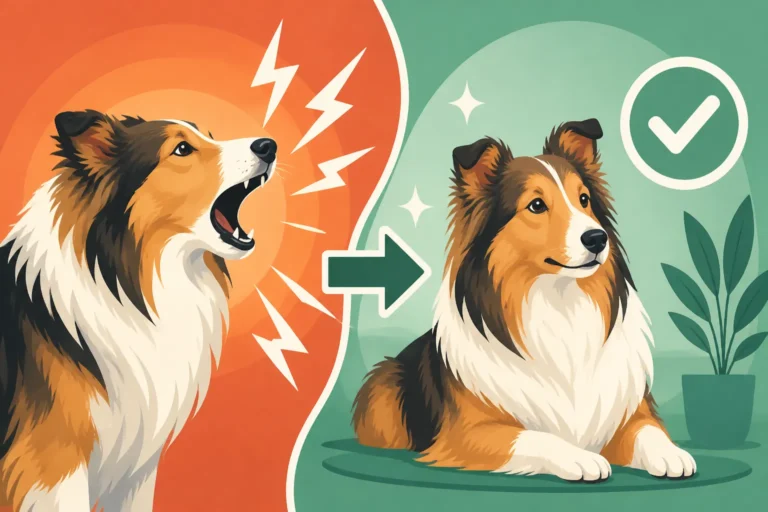
Oh, the doorbell! It’s such a tiny sound, yet for so many Collie owners, it can trigger an explosion of barking that makes you want to hide in the pantry. You’re not alone if you dread that chime, knowing it heralds a chaotic symphony from your otherwise sweet-natured dog, often leaving you flustered and your guests deafened. This guide is all about understanding why your beloved Collie turns into a furry alarm system at the sound of the doorbell and, more importantly, how we can all work towards a calmer, quieter welcome for visitors.
Understanding the Collie's Doorbell Alarm System
Collies are magnificent dogs, known for their intelligence, loyalty, and often, their vocal nature. That majestic bark that can echo across the valley on a quiet morning is also the bark that can make your ears ring when someone approaches the front door. It’s part of who they are, but understanding the roots of this behavior is the first step towards managing it.
Why Collies Bark So Much in General
Let's be honest, Collies are talkers. While perhaps not as incessant as some smaller breeds, they certainly have opinions and aren't shy about expressing them. This isn't just random noise; it's deeply ingrained in their heritage as herding dogs. Their job on the farm wasn't just to move sheep; it was also to alert the shepherd to anything unusual—a coyote lurking, a stranger approaching, or even just a sheep straying too far. That alert bark was a vital communication tool. Fast forward to living room life, and those instincts are still very much present. They're telling you, "Hey, something's up!" or "I see that squirrel, and I'm letting everyone know!" It's a fundamental part of their being, and it’s why The Bark Is the Trait Collie Owners Underestimate so often. They naturally assume a watchdog role, even if you never asked them to. It's a job they take very seriously, and for many Collies, it provides a sense of purpose.
The Instinct Behind the Doorbell Bark
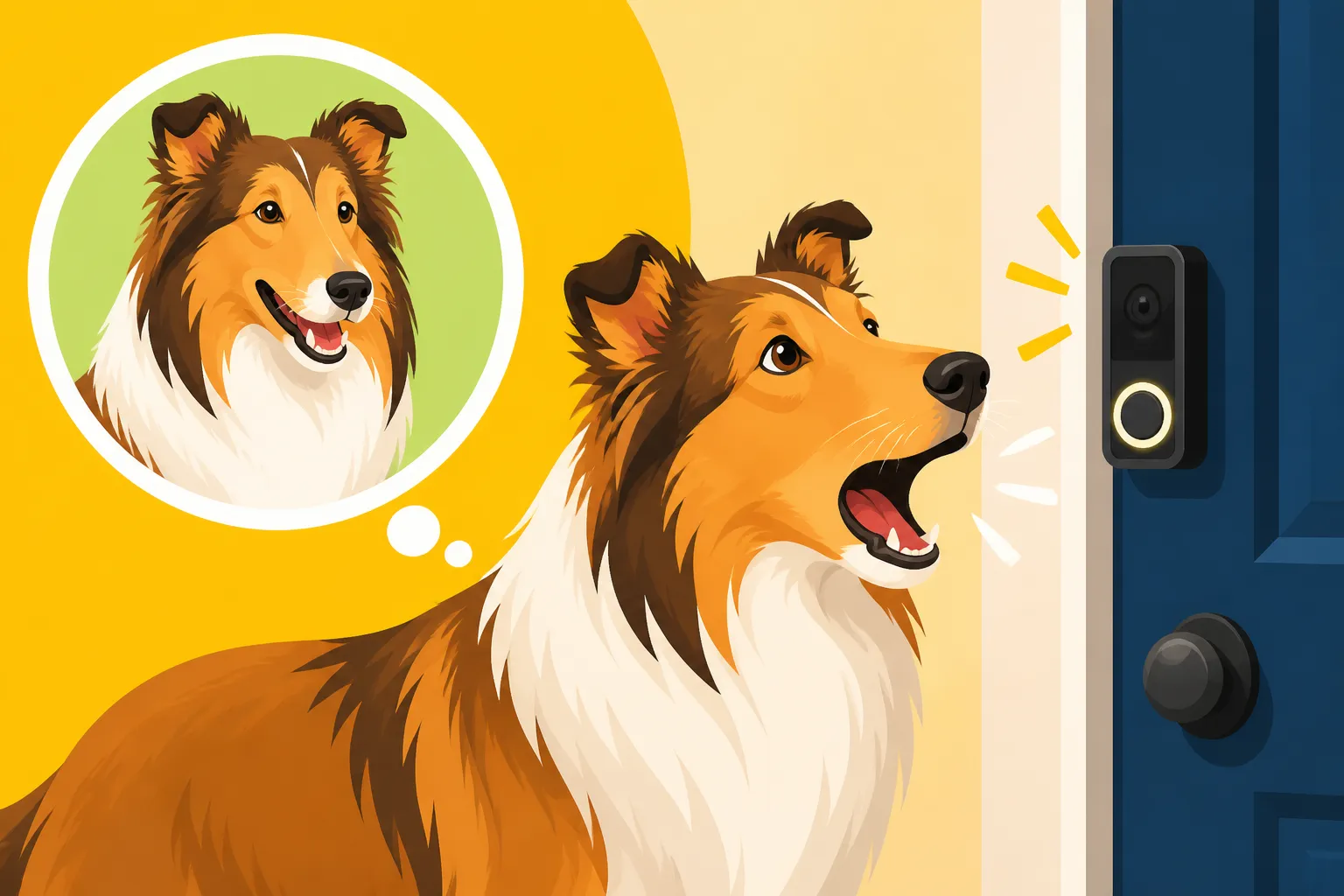
So, when that doorbell rings, it’s not just a pleasant chime to your Collie; it’s a direct trigger to those ancient herding and guarding instincts. It’s the ultimate "stranger approaching the flock" signal. Their internal alarm bells go off, and they feel a primal urge to protect their home and their human flock. They see it as their duty to announce the arrival and often to scare away the perceived intruder, even if that intruder is Aunt Carol bearing cookies. This isn't typically aggression in the malicious sense; it's a deeply ingrained territorial and alerting behavior. They're not trying to be naughty; they’re just doing what millions of years of canine evolution have taught them to do. It’s their way of communicating an important event, and often, they believe their barking is actually working because eventually, the "intruder" (your guest) does come inside. This reinforces the idea that their barking is effective, creating a tricky cycle for us to break. Many Collies will escalate their barking from a few initial "alert" barks to a full-blown "go away!" chorus, especially if they perceive that you, their leader, aren't responding quickly enough to the threat. For more on the general reasons behind their vocal habits, you might want to explore Why a Collie Barks.
Common Challenges and Owner Frustrations
Living with a vocal Collie who sees every doorbell ring as a five-alarm fire can be incredibly trying. It goes beyond mere annoyance; it can truly impact your daily life and even your relationships with friends and neighbors. It’s a challenge many Collie owners face, and it’s perfectly normal to feel overwhelmed by it.
The "Broken Record" Bark and Guest Reactions
That moment when the doorbell rings and your Collie launches into a sustained, high-volume barking fit, often accompanied by frantic pacing, jumping at the door, or even nipping at the air, can be utterly mortifying. You're trying to greet your guests, perhaps balance a plate of appetizers, and instead, you're wrestling a seventy-pound fur missile who seems convinced the visitor is an existential threat. Friends and family might laugh it off, saying "Oh, that's just Fido," but deep down, you know it's disruptive. It makes casual visits stressful, and you might even find yourself avoiding entertaining or asking guests to text you when they arrive so you can try to preempt the doorbell. It's not just the noise; it's the sheer adrenaline rush for both you and your dog, making a calm greeting almost impossible. The embarrassment factor is real, and it can leave you feeling frustrated and isolated, wondering why your usually well-behaved Collie turns into a wild beast at one simple sound.
When Does It Become Excessive?
While some alert barking is normal for a Collie, there's a point where it crosses into excessive territory. This isn't just about a few "woofs" when someone knocks; it's when the barking is sustained, difficult to interrupt, and happens not just for actual doorbells but for television doorbells, people walking past the window, or even just the mail carrier's truck turning onto the street. If your Collie continues to bark for several minutes after the guest has entered and settled, or if they transition from barking to growling or lunging at visitors, it’s definitely excessive. This kind of chronic reactivity isn't healthy for your dog, who is constantly operating in a state of high arousal, nor is it sustainable for your household. An overly stressed dog can develop other behavioral issues, and a home filled with constant noise and tension isn't good for anyone. Collies are highly attuned to their environment and pick up on human emotions, so if you're stressed by the doorbell, your dog likely senses it and amplifies their own reaction. This can create a feedback loop that's hard to break, and it's a clear sign that you need a proactive plan to regain control. As sensitive dogs, they often mirror the energy around them, and if the household feels frantic, they will too. This kind of chronic stress can impact their overall well-being. For these sensitive souls, even small changes in routine or heightened emotions can trigger an overreaction; indeed, Whether a Collie Is Sensitive to Household Tension plays a huge role in their overall reactivity.
Practical Strategies for Doorbell Peace
Alright, so we've established why your Collie barks at the doorbell. Now, let's talk about how to change that behavior. It’s not about stopping them from being a Collie; it’s about teaching them a more appropriate and less ear-splitting way to acknowledge visitors. This involves a mix of proactive management and consistent training.
Proactive Management and Environmental Changes
Sometimes, the simplest solutions involve changing the environment rather than immediately diving into complex training. These strategies can reduce the frequency and intensity of the barking while you work on more advanced training.
- Doorbell Desensitization: This might sound counter-intuitive, but one way to diminish the doorbell's power is to make it less significant. Record your doorbell chime on your phone. Play it at a very low volume throughout the day, completely ignoring your dog's reaction (or lack thereof). Gradually increase the volume over days or weeks. The goal is for the sound to become background noise, no longer a huge, surprising trigger. You can also vary the sound by having different family members ring the bell or knock at random times when you're not expecting guests.
- Managing the View: For many Collies, seeing someone approach the door amplifies the doorbell's effect. Consider using frosted window film on sidelights or lower glass panels in your door. Heavy curtains or blinds can also block the view. If your dog has a favorite "watchdog" spot, blocking the view from there can significantly reduce anticipatory barking.
- Guest Protocols: For a while, consider asking visitors to not use the doorbell. Have them text you when they arrive, and you can go to the door or meet them outside. This gives you control over the "arrival" event, allowing you to manage your Collie calmly before the guest even steps inside.
- The Power of Distraction: Keep high-value chew toys or puzzle feeders readily available. Before a known arrival, give your Collie a stuffed Kong or a long-lasting chew. The act of chewing is calming and can redirect their focus away from the door. You can find a huge variety of these types of toys on Amazon, making it easy to stock up.
Training for a Quieter Welcome
Management is great for damage control, but training is how you build a lasting solution. The goal is to teach your Collie an alternative, polite behavior when the doorbell rings.
- "Go to Mat" or "Place" Command: This is a game-changer. Teach your Collie to go to a designated mat, bed, or crate when given a cue. Practice this repeatedly throughout the day, rewarding them generously when they settle on their "place." Once they reliably go to their spot on command, start incorporating the doorbell. Ring the doorbell (or have a helper do it) and immediately cue your dog to their mat. Reward heavily for staying on the mat, even if they initially bark. Gradually increase the duration they need to stay before getting a reward. Programs like BAXTER & Bella offer excellent step-by-step guidance on teaching these foundational commands effectively, which can be invaluable.
- Counter-Conditioning the Doorbell: This involves changing your dog's emotional response to the doorbell from "threat!" to "treat!" Start by having a helper ring the doorbell softly. The instant the doorbell rings, toss a high-value treat away from the door. Your Collie will hear the doorbell, then immediately look for the treat. Repeat this many times, gradually increasing the doorbell volume. The association shifts: doorbell equals good things, not a reason to bark.
- The "Quiet" Cue: If your Collie is already barking, you need a way to stop it. First, teach a "speak" command (encourage barking, then reward it). Once they understand "speak," you can introduce "quiet." After they bark on command, put a treat to their nose, and when they stop barking to sniff it, say "Quiet!" and reward. Over time, you can apply this when they bark at the doorbell. Once they bark, say "Quiet!" and reward the silence. For more on this, check out Whether a Collie Can Be Taught a Quiet Cue. Consistency is key here; every time they bark at the doorbell, you need to be ready to implement your "quiet" cue.
- Practicing Arrivals: Once your Collie is doing well with their "place" or "quiet" command, enlist a friend or family member to help you practice. Have them ring the doorbell. Immediately direct your Collie to their "place" and reward them for staying calm. The helper should only enter after your dog is quiet and settled. If your dog starts barking again when the guest comes in, have the guest freeze until the barking stops, then resume moving. This teaches your Collie that calm behavior brings the desired outcome (the guest enters), while barking makes the "intruder" pause. This takes patience, but it truly works!
Tools and Resources to Help
Sometimes, a little extra help or expert guidance can make all the difference. Beyond the training techniques, there are specific tools and professional resources that can aid in achieving that peaceful front door experience.
Utilizing Specific Training Aids
There's a whole world of gadgets and products out there designed to assist with dog training, and some can be quite effective for managing doorbell barking. It's about finding what works for your individual Collie and your household, always prioritizing humane and positive methods.
- Smart Doorbells: Modern smart doorbells often have features that can be incredibly helpful. Some allow you to disable the indoor chime and only send alerts to your phone. This completely removes the auditory trigger for your Collie, allowing you to manage their response without the sudden shock of the chime. You can then choose when and if to let them know someone is there. Imagine the peace of mind knowing the doorbell won't ring even if a delivery driver comes to the door! You can then casually walk to the door, giving your Collie a "place" command before opening it.
- High-Value Training Treats: These are non-negotiable for counter-conditioning and rewarding calm behavior. Think small, soft, incredibly delicious treats that your Collie absolutely adores—bits of cooked chicken, cheese, or specialized training treats. Keeping a stash by the door, easily accessible, means you're always ready to reward that moment of calm or compliance. Websites like Amazon offer a vast selection, so you can experiment to find your Collie's absolute favorites. The higher the value, the stronger the motivation to perform the desired behavior.
- Enrichment Toys and Chews: As mentioned, a stuffed Kong, a durable chew, or a puzzle toy can be a powerful distraction. If you know a visitor is expected, giving your Collie one of these before the doorbell rings can preempt the barking entirely. It gives them a job to do that's incompatible with barking. These are particularly useful if your Collie struggles with The First Year With a Collie Puppy and still has a lot of energy to burn.
- Remote Training Devices (Vibration/Tone Only): If your Collie’s barking is particularly persistent, and other methods aren't quite cutting it, you might consider a remote training collar that uses vibration or a tone, never static correction. These devices can be used as a "tap" on the shoulder to interrupt unwanted behavior, allowing you to then redirect to the desired action (like going to their mat). It’s crucial to use these tools correctly and with guidance from a professional to ensure they are humane and effective, serving as communication aids, not punishment. Remember, Harsh Handling Breaks a Collie and It Does Not Come Back, so gentle, consistent guidance is always the way to go.
When to Seek Professional Help
There are times when despite your best efforts, the doorbell barking just isn't improving, or perhaps it's even getting worse. This is not a sign of failure on your part, but rather an indication that you might need a fresh perspective and specialized expertise.
- Certified Professional Dog Trainers (CPDT-KA): A good dog trainer can assess your specific situation, observe your Collie's behavior, and help you tailor a training plan that's effective for your dog. They can teach you the mechanics of the "go to mat" command, timing your rewards, and helping you troubleshoot common issues. Many trainers offer virtual consultations, making it easy to get help from the comfort of your home. They can also help identify if there are other underlying anxieties contributing to the barking.
- Veterinary Behaviorists: If your Collie’s barking is accompanied by extreme fear, aggression, or anxiety, or if it seems compulsive and resistant to standard training, a veterinary behaviorist might be the best route. These are veterinarians who specialize in animal behavior and can diagnose and treat behavioral disorders, often incorporating medication alongside behavior modification plans. They can rule out any medical reasons for the barking and provide a comprehensive approach to managing complex cases. This is especially helpful if your Collie seems to be in a constant state of panic rather than just alert.
- Online Training Programs: For those who prefer a structured, self-paced approach, platforms like BAXTER & Bella offer comprehensive online training programs that cover everything from basic obedience to more specific behavioral challenges. They often provide video tutorials, live Q&A sessions, and a supportive community, giving you access to professional guidance whenever you need it. This can be a fantastic, cost-effective way to get ongoing support. It can make a significant difference to have a clear roadmap, rather than just trying to figure it out on your own.
- Consistency and Patience: No matter which route you choose, remember that changing deeply ingrained behavior takes time, consistency, and a huge dose of patience. Your Collie isn't being stubborn; they're simply reacting based on instinct and learned associations. With understanding and a solid plan, you can guide them towards a calmer, happier doorbell experience for everyone involved. What motivates your Collie will be key to unlocking their potential in these training scenarios, so really consider What Motivates a Collie as you choose your rewards and methods.
Here's a quick overview of doorbell triggers and potential interventions:
| Trigger | Collie's Interpretation | Intervention Strategy |
|---|---|---|
| Doorbell chime | "ALERT! Stranger approaching!" | Desensitize doorbell sound, "Go to Mat" training |
| Knocking on door | "Someone is trying to get in!" | Practice polite greetings, use "Quiet" cue |
| Person visible through window | "Intruder on my territory!" | Block view with film/curtains, use distraction |
| Delivery trucks/mail carrier | "Someone is near my house!" | Counter-conditioning, provide engaging chew toy |
| Guests entering house | "Threat is now inside!" | Teach calm greeting ritual, reward settled behavior |
Disclaimer
This article is for general informational purposes only and does not constitute professional advice. Laws, prices and regulations vary by location and change over time. Consult a qualified professional for guidance on your specific situation.