Whether a Collie’s Barking Can Be Reduced
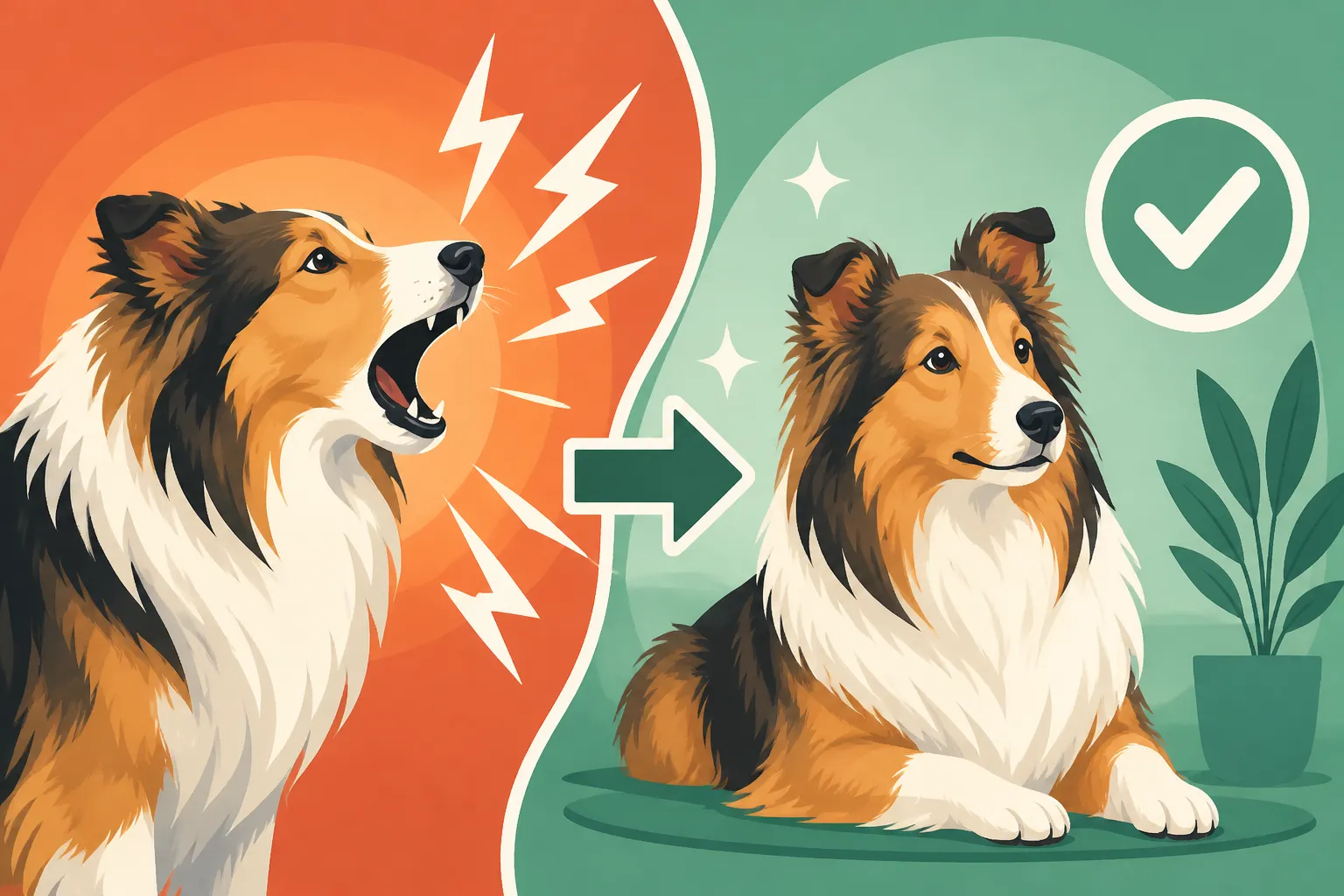
One of the most common, and frankly, most frustrating challenges for any Collie owner is persistent barking. It's not just annoying; it can strain relationships with neighbors, disrupt your peace, and leave you feeling utterly exhausted and wondering if you've done something wrong. This guide is here to help you understand why your beloved Collie might be barking excessively and, more importantly, equip you with realistic, actionable strategies to reduce that barking effectively, bringing much-needed calm back into your home.
Understanding Why Collies Bark So Much
It’s easy to feel like your Collie is just being "naughty" when they let out a string of barks, but the truth is, barking is a natural canine communication tool. For Collies, specifically, several factors play into their propensity for vocalization. Understanding these underlying reasons is the first crucial step toward addressing the behavior. Without knowing why your dog is barking, any attempt to stop it will likely be a shot in the dark, leading to more frustration for both of you.
Collie Breed Tendencies
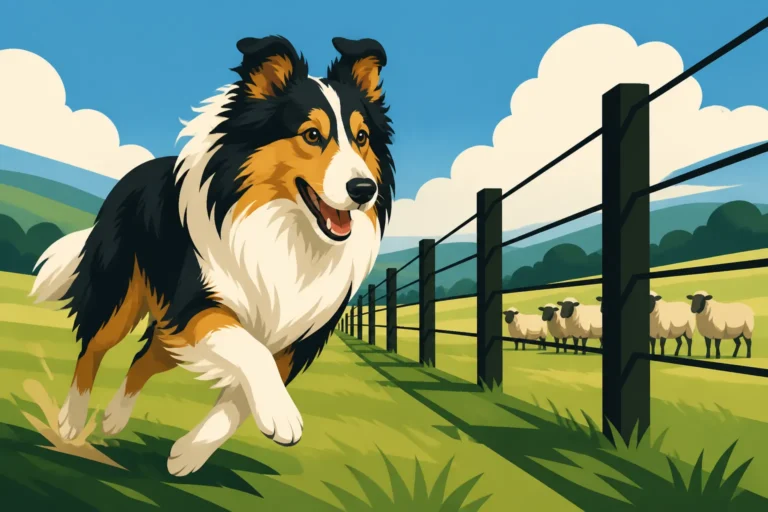
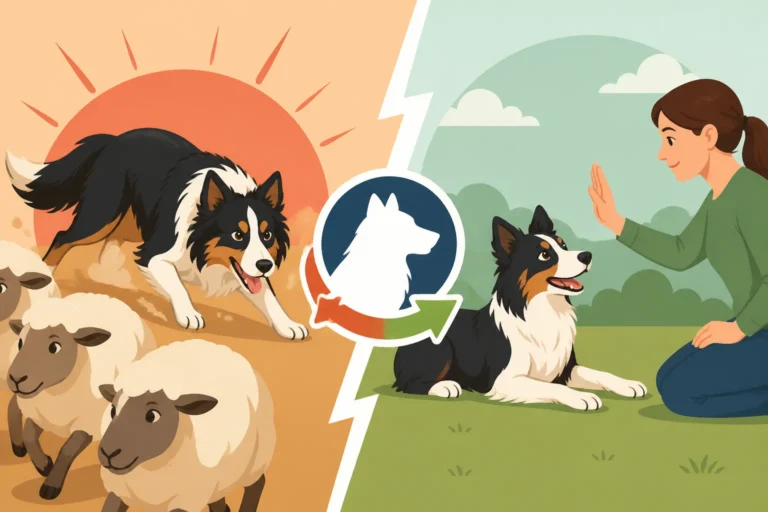
Let's be real: Collies were bred to be watchful, intelligent, and vocal herding dogs. Their job, historically, involved alerting shepherds to danger, moving livestock, and communicating across distances. This means they are inherently predisposed to using their voice. It's in their DNA. So, if you're wondering The Bark Is the Trait Collie Owners Underestimate, you're not alone. Many new Collie owners are surprised by just how much their otherwise gentle dog can voice its opinions.
This historical role means they are often highly sensitive to their environment and keen observers. A rustling leaf, a distant siren, a neighbor walking past – these are all potential "alerts" for a Collie. They feel a duty to inform you of anything out of the ordinary, and sometimes, even things that are ordinary. It's not malicious; it's instinctual. Expecting a Collie to be completely silent is like expecting a fish to walk; it goes against their fundamental nature.
Moreover, Collies are known for their strong bond with their families. This loyalty often translates into a protective instinct. They see themselves as guardians of their home and their people. When they perceive something as a threat or out of place, even if it's just the mail carrier, they will bark to warn you. It’s their way of saying, "Hey, something's happening, and I'm on duty!"
Environmental Triggers
Our modern homes, with all their sights and sounds, can be a minefield of barking triggers for a sensitive Collie. What might seem like background noise to us could be a significant event for them. This is where you might wonder How Often a Collie Barks at Nothing, but to your Collie, it's rarely "nothing." It's a squirrel in the yard, a delivery truck down the street, or the neighbor's dog barking a block away.
Window-watching is a huge culprit. Many Collies spend hours gazing out, monitoring the world. Every pedestrian, every passing car, every dog being walked suddenly becomes a reason to bark. Similarly, noises outside the house, like construction, children playing, or even distant thunder, can set them off. Even within the house, doorbells, ringing phones, or dropped items can trigger an alert bark.
Identifying these specific triggers is paramount. Grab a notebook or use your phone to jot down every time your Collie barks excessively and what seemed to cause it. Was it the mail truck? A specific person walking by? The neighbor's cat? The more data you collect, the clearer the patterns will become, and the easier it will be to implement targeted solutions.
Emotional States Leading to Barking
Barking isn't always about alerting. Often, it's a manifestation of a deeper emotional state, like boredom, frustration, or anxiety. A Collie left alone for too long without adequate physical or mental stimulation can quickly develop nuisance barking habits. They might bark out of sheer boredom, simply because there's nothing else to do and it gets some kind of reaction.
Consider a Collie who isn't getting enough exercise. While they don't always need an intense "job," they certainly need physical activity and mental engagement. A bored Collie is an unhappy, and often vocal, Collie. They might resort to barking, or even destructive chewing, as a way to burn off pent-up energy. This is why addressing their overall well-being is critical.
Anxiety is another major factor. Whether a Collie Gets Separation Anxiety is a common concern, and barking can be a primary symptom. If your Collie barks uncontrollably when you leave, or when they are otherwise separated from you, it's a cry for help rooted in stress. Fear-based barking can also occur, particularly if they are startled by unfamiliar sights or sounds, or feel threatened by strangers approaching their perceived territory.
Addressing the Root Causes of Barking
Once you have a good handle on why your Collie is barking, you can start to address those root causes directly. It’s not just about stopping the bark in the moment, but about changing the underlying reasons and emotional responses. This often requires a holistic approach, looking at your Collie's daily routine, environment, and overall mental state.
Ensuring Adequate Exercise and Mental Stimulation
Remember, Collies are intelligent working dogs. They thrive on having something to do, even if it’s not herding sheep. Physical exercise is a given – a good daily walk, or two shorter ones, is essential. But more than just physical exertion, they need their brains engaged. A Collie who isn't mentally stimulated is like a supercomputer running basic solitaire; they get bored, and that boredom often comes out as barking. If you're wondering Whether Exercise Reduces a Collie's Barking, the answer is often a resounding yes.
Think beyond just walks. Incorporate puzzle toys where they have to work for their food, like those you can find readily on Amazon. Practice obedience commands in short, fun sessions throughout the day. Teach them new tricks. Scent work is fantastic for Collies because it taps into their natural instincts and uses a lot of mental energy. Even a simple "find it" game with treats hidden around the house can be incredibly engaging. For structured online guidance on puppy training that often covers these areas, programs like BAXTER & Bella can be incredibly helpful for owners starting out.
Without sufficient physical and mental outlets, your Collie might start pacing, becoming restless, or indeed, barking at everything. If you've observed Whether a Collie Paces When Understimulated or Whether a Collie Chews When Bored, these are clear signals that more stimulation is needed. A tired, mentally satisfied Collie is much less likely to engage in nuisance barking.
Socialization and Confidence Building
Sometimes, barking stems from a lack of confidence or proper socialization. A Collie who wasn't adequately exposed to various sights, sounds, people, and other dogs as a puppy might grow up to be fearful or overly reactive. This fear can manifest as barking at anything new or unexpected. Building their confidence can significantly reduce this type of vocalization.
Continue to gently expose your Collie to new, positive experiences. Short, positive encounters with calm strangers and well-behaved dogs can help. Enroll in an advanced obedience class, not just for the commands, but for the structured exposure to new environments and people. Always keep these experiences positive and never force your Collie into a situation that truly frightens them. The goal is to build positive associations, not create more fear.
For a nervous Collie, establishing a consistent routine and providing a safe, predictable home environment can also work wonders. Their world feels more secure, reducing the need to bark out of anxiety or uncertainty. How to Build Confidence in a Nervous Collie involves patience, positive reinforcement, and often, working at their pace, not yours.
Management of Environmental Triggers
While training is crucial, managing your Collie's environment to reduce exposure to triggers is equally important, especially in the initial stages. You can't expect your dog to stop barking at the window if they spend eight hours a day staring out of it. This isn't about punishment; it's about setting them up for success.
For window barking, simple solutions can be highly effective. Use frosted window film, rearrange furniture so the prime viewing spot isn't accessible, or simply keep curtains and blinds closed during peak "trigger times" like school pick-up or the mail delivery route. If your Collie barks at every passerby, a baby gate can keep them in a back room when you know people will be walking past.
For outdoor sounds, white noise machines or quiet music can help mask external noises. If the doorbell is a major trigger, consider putting a sign on your door asking visitors to knock instead, or simply turning off the chime. When you know a delivery is coming, try to distract your Collie with a favorite chew toy or a short training session before the trigger occurs. This proactive management sets a calm tone and reduces the initial impulse to bark.
Practical Strategies to Reduce Barking
Once you've addressed the underlying causes, it's time to teach your Collie what you want them to do instead of barking, and how to control their vocalizations. This involves consistent training and changing their emotional response to triggers.
Teaching a "Quiet" Cue
This is probably what most people think of when they want to reduce barking, and it's definitely a valuable tool. The goal isn't to silence your Collie completely, but to give them an "off switch" when their barking becomes excessive or unnecessary. The trick here is to teach "quiet" after they've barked a bit, not before. This might sound counterintuitive, but it allows them to express themselves initially. You can find detailed instructions on Whether a Collie Can Be Taught a Quiet Cue to guide you.
Here’s a basic approach:
- Trigger a bark: Have someone knock on the door, or simulate a common trigger.
- Allow a few barks: Let your Collie bark two or three times. This acknowledges their initial alert.
- Say "Quiet": As they are still barking, hold a high-value treat near their nose. The moment they stop barking to sniff the treat (even for a second), say "Quiet!" and give them the treat.
- Repeat: Practice this many, many times in short sessions. Gradually increase the time they need to be silent before they get the treat.
- Fade the treat: Once they reliably respond, start delaying the treat and using praise as the primary reward.
The "speak" command can also be useful here. By teaching your Collie to bark on command, you gain more control over their vocalizations. Once they understand "speak," you can then teach "quiet" more easily by contrasting the two commands.
Desensitization and Counter-Conditioning
This technique is about changing your Collie's emotional response to a trigger. Instead of reacting with barking, you want them to associate the trigger with something positive and calm. This is especially useful for things like the doorbell, passing cars, or people walking by.
Let's use the doorbell as an example. Instead of waiting for the actual doorbell to ring (which is a high-intensity trigger), start with a very low-level sound of the doorbell, perhaps a recording played quietly from another room. The moment your Collie hears it and doesn't bark, give them a super tasty treat. Gradually increase the volume and proximity. The goal is for them to hear the doorbell and immediately look at you expectantly for a treat, rather than barking at the door.
This takes time and consistency, but it fundamentally rewires their brain to see the trigger as a predictor of something good, rather than something to bark at. For triggers like Whether a Collie Barks at the Doorbell, this can be incredibly effective. Remember, the key is to keep the trigger intensity low enough that your Collie doesn't react with barking, allowing you to reward calm behavior.
Using Tools and Aids Thoughtfully
While training is the cornerstone, certain tools can assist in managing barking, but they should always be used as aids, never as sole solutions or punishments.
One example is a head halter, like a Gentle Leader. These give you more control over your Collie's head, and thus their attention, during walks where barking at other dogs or people might be an issue. If your Collie starts to react, a gentle redirection can bring their focus back to you. However, head halters require careful introduction and positive association.
Another aid can be a white noise machine or calming music for when you leave the house. This can mask external sounds that might trigger alarm barking or provide a sense of comfort for a Collie prone to separation anxiety. You can find many options on Amazon that offer various sounds or connect to your phone for custom playlists. For those dealing with Whether a Collie Gets Separation Anxiety, these tools, combined with a comprehensive training plan, can be very beneficial.
A note on bark collars: Whether a Bark Collar Works on a Collie is a complex question with a varied answer. While some collars might temporarily reduce barking, many experts, myself included, caution against their use as they rely on aversion. They don't teach your dog what to do instead, and can sometimes increase anxiety or cause your Collie to associate the unpleasant sensation with harmless things, like a visitor, rather than the act of barking itself. They can be detrimental to a sensitive Collie's temperament and often don't address the root cause of the barking. Positive reinforcement and environmental management are always preferable.
When to Seek Professional Help
Sometimes, despite your best efforts, your Collie's barking persists, or it might be accompanied by other concerning behaviors. This is when it's absolutely okay – and often necessary – to reach out for professional guidance. A fresh pair of expert eyes can often identify issues you might have overlooked and provide tailored strategies.
Persistent Barking Issues
If you've diligently applied the strategies above for several weeks or months, and your Collie's barking hasn't significantly improved, or if it feels like you're constantly fighting an uphill battle, it's time to call in a professional. A certified professional dog trainer or a veterinary behaviorist can observe your Collie in their environment, pinpoint specific triggers, and develop a customized training plan.
They can help you refine your timing, body language, and reward system, ensuring your communication with your Collie is as clear as possible. They can also provide advanced techniques for desensitization and counter-conditioning that might be difficult to implement on your own. Remember, asking for help isn't a sign of failure; it's a sign of a responsible and loving pet owner committed to their dog's well-being.
Sometimes, the persistent barking might be rooted in something even deeper, such as undiagnosed anxiety or even a physical discomfort that makes them more reactive. A professional can help rule out these possibilities.
Aggression or Fear-Related Barking
If your Collie's barking is accompanied by signs of aggression (growling, lunging, snapping) or extreme fear (tucking tail, cowering, trying to escape), it’s crucial to seek professional help immediately. This isn't just nuisance barking; it indicates a serious underlying emotional issue that needs expert intervention to ensure both your dog's safety and the safety of others.
A veterinary behaviorist, who is a veterinarian with specialized training in animal behavior, can evaluate your Collie for any medical conditions contributing to the behavior and can discuss behavioral modification plans, which may sometimes include medication in conjunction with training. They can help you understand the nuances of the situation and guide you through a safe and effective plan.
Barking that stems from fear, even if not aggressive, can also be debilitating for your Collie. Imagine living in a constant state of alert or anxiety. A professional can help your Collie feel safer and more comfortable in their world, reducing the need to bark out of fear.
Consulting a Vet or Trainer
Before starting any significant behavioral modification, it's always a good idea to chat with your regular veterinarian. They can rule out any underlying medical issues that might be contributing to increased vocalization or reactivity, such as pain, hearing loss, or thyroid imbalances. A clean bill of health ensures you're treating the behavior, not masking a medical problem.
Once medical issues are ruled out, look for a certified professional dog trainer (CPDT-KA) or a certified dog behavior consultant (CDBC) who uses positive reinforcement methods. Avoid trainers who advocate for punitive methods, as these can be particularly damaging to a sensitive Collie and often worsen anxiety and fear-based behaviors. A good trainer will teach you to understand your Collie's body language and help you build a stronger, more trusting relationship, which is truly the ultimate solution to most behavioral challenges.
Here's a quick overview of common barking types and potential strategies:
| Bark Type | Common Triggers | Primary Emotion | Initial Response | Long-Term Strategies |
|---|---|---|---|---|
| Alert/Warning | Doorbell, passersby, unusual sounds | Guarding, vigilance | "Thank you," then redirect, reward quiet | Management (blinds), desensitization, "quiet" cue |
| Demand | You eating, ignoring them, wanting play | Frustration, desire | Ignore, reward calm attention, teach "wait" | Consistent routine, teach patience, engage with appropriate requests |
| Boredom | Lack of activity, alone time | Under-stimulation | Engage, redirect to appropriate toys | Increase exercise, mental games, puzzle feeders, daycare |
| Anxiety/Fear | Being left alone, strange people/dogs | Stress, insecurity | Reassure (if appropriate), remove from trigger | Build confidence, structured training, vet behaviorist if severe |
| Play | During games, with other dogs | Excitement | Allow within reason, monitor intensity | Teach appropriate play boundaries, "settle" cue |
This table helps illustrate that not all barks are created equal, and understanding the context is vital for choosing the right approach. With patience, consistency, and a deep understanding of your Collie's needs, you absolutely can reduce their barking to a manageable level and enjoy a more peaceful home together.
Disclaimer
This article is for general informational purposes only and does not constitute professional advice. Laws, prices and regulations vary by location and change over time. Consult a qualified professional for guidance on your specific situation.