How a Rescue Collie Learns to Trust
Bringing a rescue Collie into your home is a truly heartwarming experience, but it often comes with unique challenges. These beautiful, sensitive dogs may arrive with invisible baggage – a history of neglect, misunderstanding, or even trauma that leaves them wary of new people and environments. Figuring out how to navigate their fears and help them open up can feel like walking on eggshells, and it's completely normal to feel overwhelmed when your new companion seems distant or fearful. This guide is here to help you understand the journey of building trust with your rescue Collie, offering practical steps and a boatload of patience to help them blossom.
Understanding the Rescue Collie's Starting Point
When you welcome a rescue Collie, you're not just bringing home a dog; you're inviting an entire history into your life. Many rescue Collies have experienced situations that shake their trust in humans and the world around them. It's easy to look at their big, expressive eyes and expect an immediate connection, but for many, that connection needs to be carefully, slowly forged.
The Baggage They Might Carry
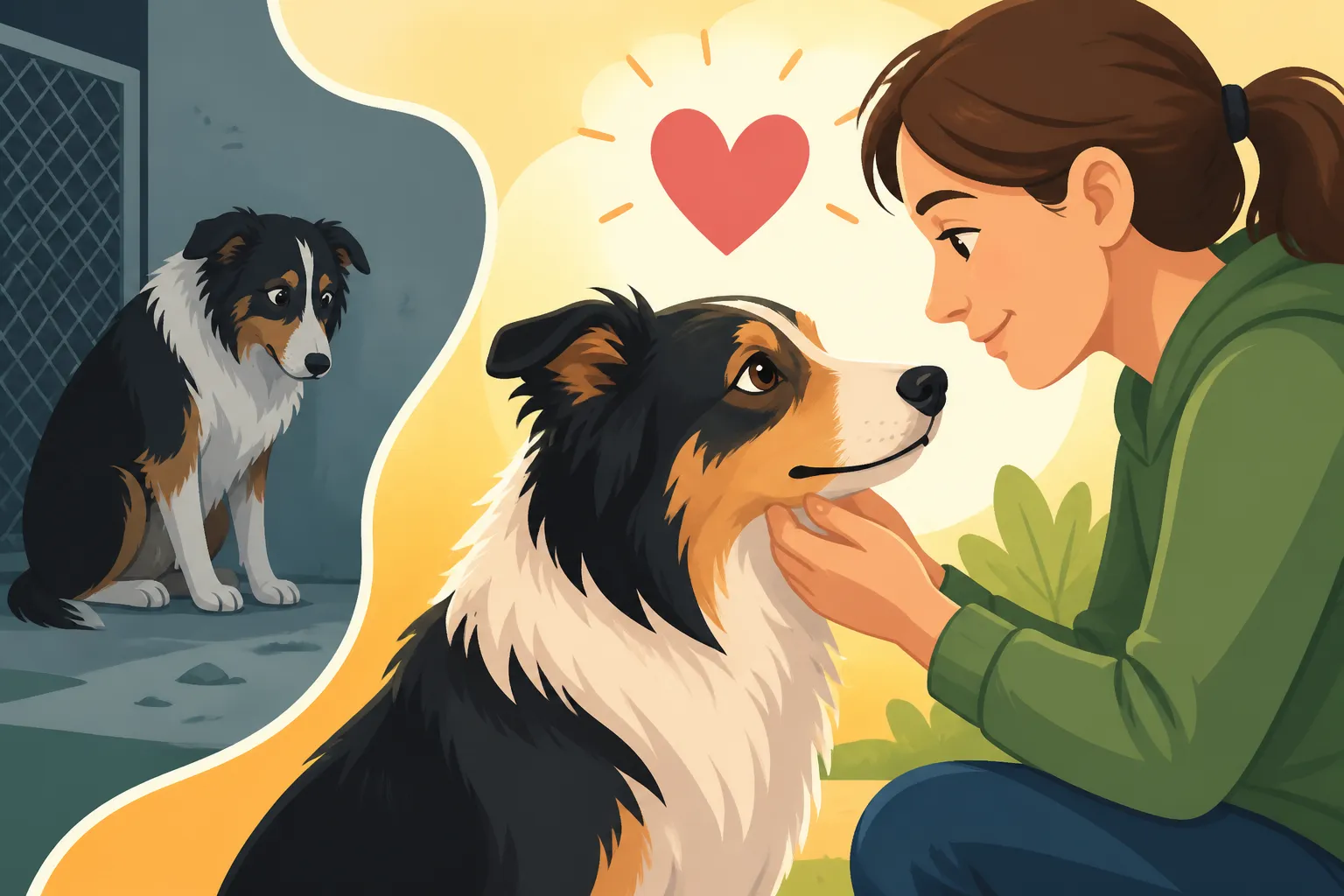
Imagine being uprooted from everything familiar, or worse, having never known true stability. That's the reality for many rescue Collies. They might have come from overcrowded shelters, been bounced between multiple foster homes, or suffered neglect or harsh treatment in a previous life. This isn't about blaming anyone; it's about acknowledging the potential impact on their psyche. A Collie who was always yelled at might flinch at sudden movements or loud voices. One who was kept isolated might be overwhelmed by the sights and sounds of a busy household. They might have learned that humans are unpredictable, or even a source of pain, and that self-preservation means keeping a careful distance. These past experiences create deep-seated anxieties and a reluctance to trust that isn't personal; it's a coping mechanism. Understanding this is the first step toward empathy and effective support. Settling a Collie That Has Changed Homes can be a slow, deliberate process, but it's incredibly rewarding.
Why Trust Is a Slow Process for Collies
Collies are renowned for their intelligence and their deeply perceptive nature. They are dogs that "read a room," observing every subtle shift in tone, body language, and energy. While this makes them wonderful, intuitive companions once trust is established, it also means they process negative or confusing experiences with great depth. They don't just forget a bad interaction; they analyze it, internalize it, and it shapes their expectations for future interactions. This isn't to say they hold grudges, but rather that their highly sensitive nervous system means they need consistent, gentle reassurance to truly believe they are safe. Rushing a Collie, forcing interactions, or being inconsistent with your responses can actually set back the trust-building process significantly. They need time to observe, to process, and to slowly, cautiously conclude that you are a benevolent and reliable presence in their life. Remember that Harsh Handling Breaks a Collie and It Does Not Come Back, making gentle approaches essential for a rescue.
Creating a Safe Haven and Predictable Routine
One of the most powerful things you can offer a rescue Collie is a sense of security and predictability. Their world has likely been anything but stable, so creating an environment where they know what to expect can be incredibly calming and foundational for building trust.
The Importance of a Calm, Consistent Environment
Think of your home as a sanctuary where your Collie can decompress and feel safe. This starts with providing them with a designated "safe space" – a cozy crate, a comfortable dog bed in a quiet corner, or even a room where they can retreat when feeling overwhelmed. This isn't a place for punishment, but a place they associate with peace and security. Keep noise levels down, especially in the initial days, and avoid sudden, startling movements or loud bursts of activity. Imagine how you'd feel if you were always on high alert; your Collie feels the same way. Consistent feeding times, regular potty breaks, and a predictable schedule for walks or quiet playtime all contribute to a sense of order. This reliability slowly teaches them that their new world isn't chaotic, but a place they can rely on. Crate Training a Collie Puppy can also be a valuable tool for creating this secure den, even for adult rescues.
Establishing a Routine They Can Count On
A predictable routine is like a roadmap for a nervous dog. When they know when they'll eat, when they'll go outside, and when they'll have quiet time, their anxiety levels naturally decrease. This allows them to relax and start paying attention to other things – like your gentle presence. For example, consistent meal times mean they aren't constantly wondering where their next meal will come from. Regular potty breaks eliminate the stress of holding it or having an accident. Even predictable times for a calm walk around the block or a quiet session of brushing can become comforting rituals. This consistency reinforces that you are a reliable caregiver and that their basic needs will always be met. It's these small, consistent actions that lay the groundwork for a deeper bond. Whether a Collie Needs a Predictable Routine is especially true for those coming from uncertain backgrounds.
Here's an example of a simple routine that can provide comfort:
| Time | Activity | Purpose |
|---|---|---|
| 7:00 AM | Potty Break & Breakfast | Basic needs, consistent start to the day |
| 7:30 AM | Short, Calm Walk | Mental and physical stimulation, exploration |
| 8:30 AM | Quiet Time / Chewing Toy | Decompression, independent relaxation |
| 12:00 PM | Potty Break | Basic needs |
| 1:00 PM | Training Session (5-10 mins) | Mental engagement, positive interaction |
| 4:00 PM | Potty Break & Interactive Play (low key) | Basic needs, gentle bonding |
| 5:30 PM | Dinner | Basic needs, consistent evening meal |
| 6:00 PM | Evening Walk (longer, if comfortable) | More exercise, exposure to environment |
| 8:00 PM | Last Potty Break | Prevents accidents, prepares for night |
| 9:00 PM | Wind Down / Cuddle Time (if invited) | Calm end to the day, optional closeness |
Gentle Interaction and Positive Reinforcement
Building trust isn't about grand gestures; it's about countless small, positive interactions that gradually chip away at their apprehension. Your Collie needs to learn that your presence brings good things, not fear or pressure.
Approaching with Patience and Respect
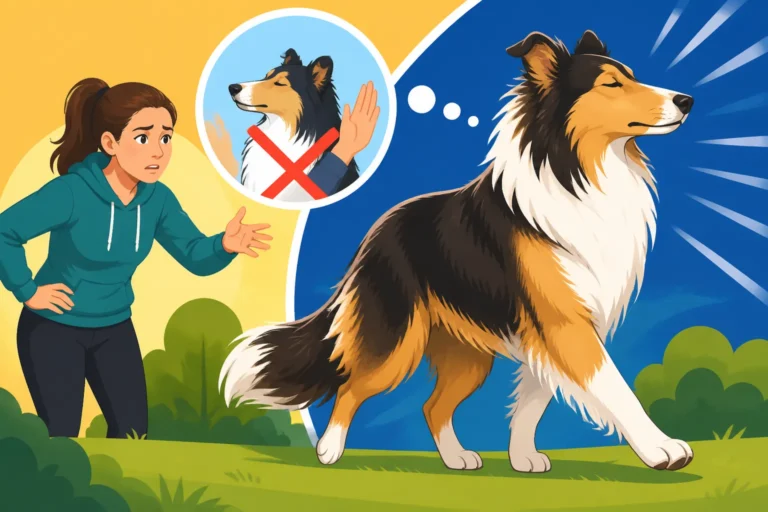
When you first bring your rescue Collie home, it’s vital to let them set the pace for interaction. Avoid immediately rushing over for cuddles or forcing them into petting if they seem hesitant. Instead, position yourself calmly in the same room, perhaps reading a book or watching TV, allowing them to observe you without feeling scrutinized. When you do approach, do so slowly, from the side, avoiding direct eye contact initially, as that can be perceived as confrontational by a nervous dog. Speak in a soft, low, reassuring tone. Offer your hand slowly, palm up, to let them sniff on their terms. If they pull back, respect that signal and try again later. The key is to convey that you are not a threat and that they always have the choice to engage or disengage. This respect for their boundaries is foundational for them to learn that you are a safe and trustworthy human. A Collie Reads a Room Better Than It Reads a Command, so your quiet, respectful demeanor will speak volumes.
The Power of Positive Associations
Every positive interaction is a brick in the wall of trust. Link your presence with things your Collie loves. Food is a powerful motivator – offer high-value treats (think cooked chicken, cheese, or specialized dog treats you can find on Amazon) when they approach you, even for a brief moment, or when they're calm in your presence. Soft praise, gentle scratches (once they initiate or accept them), and calm playtime can also become positive associations. Don't chase them around the yard; instead, sit on the ground and let them come to you. Roll a toy gently in their direction and see if they engage. The goal is for them to realize that when you are near, good things happen, and there's no pressure. This is how you gradually replace fear or apprehension with curiosity and comfort. Understanding What Motivates a Collie will greatly assist in this process.
Introducing Training as a Trust Builder
Believe it or not, structured, positive reinforcement training can be a fantastic way to build trust with a rescue Collie. It provides a common language, a clear set of expectations, and a sense of accomplishment for both of you. Start with simple cues like "sit," "stay," or "come," using delicious treats and enthusiastic praise. Keep sessions short, fun, and always end on a positive note. The structure of training can be very reassuring for a dog who has known chaos, and the success they experience builds confidence. Many online resources, like the BAXTER & Bella online puppy school (which can be adapted for adult dogs), offer step-by-step guidance on positive reinforcement methods, helping you learn to communicate effectively and kindly. This mental engagement, combined with positive rewards, strengthens your bond and helps your Collie see you as a benevolent leader and teacher. How to Build Confidence in a Nervous Collie often involves these kinds of structured, rewarding activities.
Recognizing and Respecting Boundaries
Just as crucial as providing positive interactions is recognizing when your Collie needs space and respecting their boundaries. Pushing them too far, too fast, can undo all the progress you've made.
Reading Your Collie's Cues
Collies communicate volumes with their body language, and it's your job to become fluent in their signals of comfort and discomfort. A relaxed Collie might have soft eyes, a loosely wagging tail (or a gentle tail set), and an overall soft, fluid body posture. They might approach you with a relaxed mouth and even lean into your touch. On the other hand, signs of discomfort can be subtle: lip-licking, yawning (when not tired), turning their head away, avoiding eye contact, a tense body, a low or tucked tail, or even a sudden stillness. If you see these signs, it's a clear signal to stop what you're doing, give them space, and perhaps try again later with a different approach. Never force eye contact or physical touch if they are clearly uncomfortable. Allowing them to dictate the pace of interaction empowers them and reinforces that you will listen to their signals, making them feel safer. This is vital when working with Whether an Undersocialized Collie Can Be Fixed.
Here's a quick reference for recognizing signs of comfort vs. discomfort:
| Sign Category | Comfort/Relaxation | Discomfort/Stress |
|---|---|---|
| Eyes | Soft, almond shape, blinking, relaxed gaze | Hard stare, wide eyes, averted gaze, whale eye |
| Mouth | Soft, closed, slight open pant, licking lips | Tightly closed, corners pulled back, excessive panting, yawning (not tired) |
| Ears | Relaxed, natural set, slightly back | Pinned back, stiffly forward, twitching |
| Tail | Relaxed, gentle wag (low or mid-height), natural curve | Tucked between legs, stiff, rapid high wag |
| Body | Loose, fluid movements, relaxed posture, leaning | Tense, stiff, low crouch, leaning away, trembling |
| Overall | Approaches you, solicits attention, soft breathing | Retreats, freezes, slow movements, panting, avoids touch |
Gradual Exposure to New Experiences
Your rescue Collie will eventually need to navigate the world beyond your immediate home. This includes meeting new people, encountering other dogs, and experiencing different environments. The key word here is gradual. Don't invite a dozen friends over on day one, or take them to a busy dog park. Instead, introduce new experiences one at a time, keeping them short and positive. Start with one calm, dog-savvy friend visiting for a short period. Go for walks in quieter areas before moving to bustling sidewalks. Always ensure your Collie has an escape route or a comfortable distance from new stimuli. Use a secure leash and harness for walks, and consider a long line to allow them to explore safely in a fenced area without feeling constrained. These items, along with enrichment toys, are readily available on Amazon and can make a huge difference. Each positive, non-overwhelming exposure, where they feel safe and in control, slowly expands their comfort zone and reinforces their trust in you as their protector and guide. This gentle approach is especially important during The First Year With a Collie Puppy, and equally so for an adult rescue learning to trust again.
Disclaimer
This article is for general informational purposes only and does not constitute professional advice. Laws, prices and regulations vary by location and change over time. Consult a qualified professional for guidance on your specific situation.