Settling a Collie That Has Changed Homes
Bringing a Collie who has already experienced a home change into your life is a truly compassionate act, but let's be honest, it often comes with a unique set of challenges. They’ve been through a lot already, and their world has been flipped upside down, sometimes more than once. This guide is here to walk you through the essential steps and heartfelt patience needed to help your new Collie truly settle, feel safe, and blossom into a confident member of your family.
The First Steps: Creating a Sanctuary of Predictability
When a Collie arrives in a new home, their primary emotion is often uncertainty, tinged with a dash of fear. Whether they've come from a bustling shelter, a quiet foster home, or even another family, every smell, sound, and routine is foreign. Your first job, before anything else, is to build a foundation of security and predictability.
Setting Up Their Safe Haven
Imagine being dropped into a new city where you don't speak the language and don't know anyone. You'd crave a quiet corner, right? Your new Collie feels the same way. It's crucial to prepare a dedicated safe space for them before they even walk through your door. This isn't just a bed in the living room; it's their personal sanctuary.
This space should be a quiet, low-traffic area, perhaps a corner of a spare room or a sectioned-off part of a living space where they can retreat without being constantly bothered. Equip it with a comfortable dog bed or a crate. If you opt for a crate, make it a den, not a jail. Cover it with a blanket to create a cozy, cave-like feel. Place a fresh bowl of water, a favorite chew toy, and maybe a soft blanket that smells of their previous home or foster parent, if available. The key is to make this area consistently available and never use it for punishment. It’s their safe place to decompress, observe, and feel unthreatened. For instance, if you have young children, teach them that when the Collie is in their bed or crate, they are not to be disturbed. This consistent respect for their space will quickly build trust.
The "Rule of Three" and Slow Integration
Many experienced rescue folks and behaviorists talk about the "Rule of Three" when integrating a new dog, and it's particularly pertinent for a sensitive breed like the Collie. This guideline offers a realistic timeline for what to expect from your new companion.
The rule typically breaks down like this:
- Three Days: Your Collie is likely in "survival mode." They might be shy, withdrawn, or even a little overwhelmed. They're trying to figure out if they're safe. Don't expect much interaction, just focus on providing food, water, and potty breaks. Keep human interaction low-key and non-demanding. They might not eat much or play.
- Three Weeks: Your Collie starts to feel more comfortable, venturing out, exploring their environment more, and beginning to show some personality. They're learning your routine, understanding where things are, and starting to relax a bit. You might see more eating, more tail wags, and a few tentative attempts at play or affection.
- Three Months: By now, your Collie should truly start to feel at home. They understand the routine, have bonded with you and the family, and their true personality is shining through. Any behavioral quirks or anxieties that have been suppressed might start to emerge, which is actually a good sign because it means they feel safe enough to reveal their true selves.
It's tempting to rush, to want your new companion to be the perfect, loving family dog right away. But pushing a Collie too hard too fast can actually prolong their stress and make the settling process more difficult. Think of it as allowing a quiet seed to slowly sprout and unfurl in its own time. Just like a new puppy needs a thoughtful introduction to a new home, albeit for different reasons, an adult Collie needs that same gentle approach. For more on this, you might find insight in The First Year With a Collie Puppy, as many principles of introduction are universally helpful.
Managing First Interactions
How you handle initial introductions to family members, other pets, and visitors can set the tone for your Collie's comfort level. The goal is calm, controlled, and positive experiences, not overwhelming ones.
When your Collie first arrives, let them explore their designated safe space quietly. Introduce family members one at a time, keeping interactions brief and gentle. Avoid loud noises, sudden movements, or too many hands reaching for them at once. Let the Collie approach you when they're ready. For existing pets, especially other dogs, introductions should be done on neutral territory, if possible, and always on leash. Keep initial meetings short, positive, and supervised, gradually increasing duration and freedom as they show comfort. Never force interaction. If you have another dog, a brief walk together can be a good ice-breaker. For cats, a slow, controlled introduction through a baby gate is often best, ensuring both animals have an escape route. Remember, your Collie might have had very little exposure to other animals or even children in their past, so give them grace and space.
Building Trust Through Routine and Positive Reinforcement
Collies thrive on consistency. Their herding heritage means they understand order and predictability. Establishing a solid routine and using gentle, positive methods will be your most powerful tools in building trust and helping your Collie truly relax into their new life.
The Power of a Predictable Schedule
Imagine your day having no structure, no idea when you'd eat, go outside, or even rest. That's a huge source of stress. For a newly rehomed Collie, a predictable schedule acts like a soothing balm, reducing anxiety and creating a sense of security.
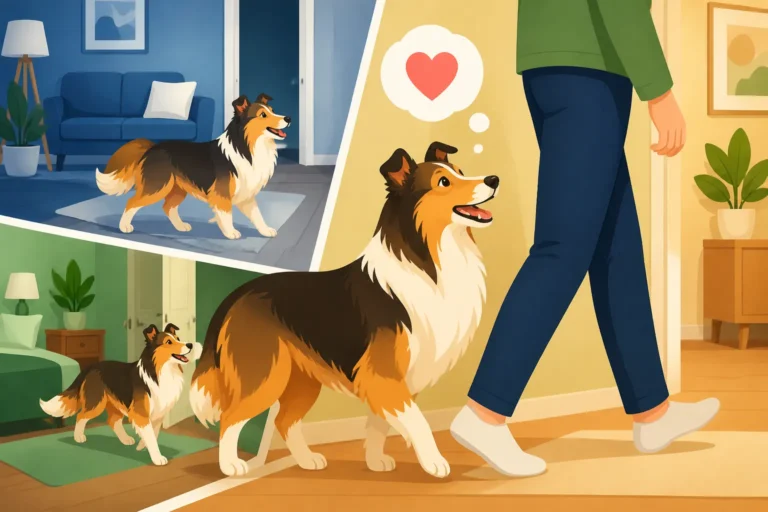
Aim for a consistent schedule for feeding, potty breaks, exercise, and quiet time. This helps your Collie understand what to expect and when. For example, feeding them at the same time each morning and evening, followed by a potty break, then a structured walk, creates a rhythm. Knowing they’ll get their meal, then go out, then have some downtime, takes away much of the uncertainty. Use meal times as opportunities for positive association; hand-feed a bit if they're nervous, or use puzzle feeders to engage their mind. You can find all sorts of interactive feeders and even simple kitchen timers on platforms like Amazon to help you maintain this consistency. A regular routine also helps with house training, as their bodies will naturally adjust to the schedule. A predictable environment is paramount for a Collie that has undergone significant life changes, as it restores their sense of control. Whether a Collie Needs a Predictable Routine can further illustrate the importance of this aspect.
Gentle Guidance and Positive Reinforcement
Collies are known for their intelligence and sensitivity. They respond incredibly well to positive reinforcement and can shut down completely with harsh corrections or loud voices. Remember, your goal is to build a partnership based on trust, not fear.
Focus on rewarding desired behaviors. Did your Collie calmly lie in their bed? Quietly offer a treat or gentle praise. Did they look at you for guidance instead of reacting to something new? Reward that engagement! Use high-value treats, gentle praise, and calm affection as motivators. Clicker training can be incredibly effective for Collies, as it's clear, precise, and non-confrontational. Many online training programs, such as those offered by BAXTER & Bella, emphasize positive, force-free methods that align perfectly with the Collie's sensitive nature. If you're ever tempted to raise your voice or be overly firm, remember that Harsh Handling Breaks a Collie and It Does Not Come Back. They are keen observers of human emotion and will remember negative interactions far longer than you might think. How Long a Collie Remembers a Bad Session emphasizes just how deeply these experiences can impact them.
Understanding Collie Communication
Collies are masters of subtle communication. They might not always bark or wag their tail overtly to tell you how they're feeling. Learning to read their body language is vital for understanding their comfort levels and anticipating their needs.
Look for cues like lip licking, yawning, averting their gaze, holding their tail low and still, or having a stiff body posture. These are often signs of stress or discomfort. A soft gaze, relaxed body, and a gently wagging tail indicate a happy, comfortable Collie. Respect their signals. If they turn their head away when you try to pet them, they're politely asking for space. If they lean into you, they're inviting affection. Never force interactions that make them uncomfortable. Collies are incredibly perceptive; they A Collie Reads a Room Better Than It Reads a Command. By paying close attention, you'll gain invaluable insight into their emotional state and be better equipped to support them.
Navigating Common Settling Challenges
Even with the best intentions and a solid routine, you're likely to encounter a few bumps in the road as your Collie adjusts. These challenges are normal and manageable with patience and the right approach.
Addressing House Training Setbacks
It's not uncommon for a newly rehomed adult Collie to have a few accidents, even if they were reportedly house-trained in their previous home. The stress of a new environment, different smells, and a new schedule can all contribute to temporary regression.
Go back to basics as if you have a puppy. Take your Collie out frequently – first thing in the morning, last thing at night, after meals, after waking from naps, and periodically throughout the day. Reward heavily with praise and a high-value treat immediately when they go potty outside. Supervise them closely indoors; if you can't actively watch them, consider having them on a leash with you or crated in their safe space. Clean any indoor accidents thoroughly with an enzymatic cleaner to eliminate odors that might encourage them to go in the same spot again. Don't punish accidents; they don't understand it, and it will only make them more anxious. Remember, for a Collie, even if they're an adult, house training in a new environment is a learning process, and methods similar to How Long House Training a Collie Puppy Takes can be very effective.
Managing Anxiety and Barking
Many Collies, especially those who have experienced upheaval, can develop separation anxiety or exhibit excessive barking. These behaviors are often rooted in insecurity and can be frustrating for owners.
Separation Anxiety: Signs include destructive chewing (especially around exits), excessive barking or howling when left alone, inappropriate urination/defecation, or frantic attempts to escape. To address this, start with very short absences. Leave for a minute, return before your Collie shows signs of distress, then gradually increase the time. Provide engaging chew toys or puzzle feeders (like a Kong stuffed with frozen peanut butter) before you leave. Avoid making a big fuss when you depart or return, as this can heighten their anxiety. Gradually desensitizing them to your departure cues (keys, coat, shoes) can also help. For more depth, consult Whether a Collie Gets Separation Anxiety.
Barking: Collies are often vocal and will alert you to anything they perceive as out of the ordinary. This can include neighbors walking by, squirrels in the yard, or the mail carrier. Why a Collie Barks covers this in detail, but in a new home, every new sound can be a trigger. Identify the triggers: is it the doorbell, people outside, other dogs? Once you know, you can work on desensitization and counter-conditioning. For example, if they bark at the mail carrier, distract them with a treat before they start barking, associating the mail carrier with something positive. Management, like closing curtains to block visual triggers, can also be helpful in the initial settling period.
Fear and Reactivity
A new home means new experiences, and some Collies can react with fear or even reactivity to sights, sounds, or people they're unfamiliar with. This is their way of saying, "I'm scared!"
If your Collie seems overwhelmed by new things, keep initial outings short and in quiet areas. Allow them to observe from a distance where they feel safe. Positive exposure is key; pair new experiences with high-value treats. For example, if they're nervous about cars, sit with them at a distance where they notice cars but aren't reacting, then offer treats. Gradually get closer as they show comfort. Never force them into situations that make them visibly uncomfortable, such as pushing them to greet a stranger if they're hiding behind your legs. If fear is severe or manifesting as aggression, don't hesitate to seek professional help from a certified behaviorist. Building confidence takes time, and you might find the article How to Build Confidence in a Nervous Collie to be a valuable resource.
Long-Term Integration: Embracing the Collie Journey
Bringing a rehomed Collie into your life is a commitment, and while the initial settling phase is crucial, the journey of integration continues long after the first few months. It's about ongoing support, understanding, and continued growth together.
Patience Is Not Just a Virtue, It's a Requirement
I can't stress this enough: patience is the single most important quality you can bring to owning a rehomed Collie. There will be good days and bad days, breakthroughs and setbacks. It's not a linear path to a perfectly settled dog.
Understand that your Collie is learning a whole new life, and some ingrained habits or fears from their past might resurface or take a long time to diminish. Celebrate the small victories: a relaxed sigh, a spontaneous tail wag, choosing to lie near you, or a successful potty break outside. Don't dwell on the regressions. Every time you respond with calm, consistent love, you're reinforcing their trust in you. Remember, a full integration and a truly confident, relaxed Collie can take anywhere from six months to a year or even longer. It's a marathon, not a sprint, but the bond you forge through this journey is incredibly rewarding.
Continuing Education and Enrichment
Collies are highly intelligent and thrive on mental stimulation as much as physical exercise. Keeping their minds engaged will help prevent boredom, reduce anxiety, and strengthen your bond.
Continue with positive reinforcement training, teaching new tricks, or exploring dog sports like obedience, rally, or even scent work. Collies were bred for thinking on their feet, and these activities tap into their natural abilities. Puzzle toys, snuffle mats, and regular training sessions, even short ones, are excellent for mental enrichment. These aren't just fun; they actually help tire out their clever brains. Even though Forty Five Minutes a Day, and Half of It in Its Head might seem like a small amount of dedicated exercise time, the "half in its head" part is crucial for these intelligent dogs. Exploring different activities can strengthen your bond and reveal hidden talents. Consider enrolling in local classes or trying out different dog sports; Herding, Rally and the Sports a Collie Was Made For offers great ideas for activities that resonate with the Collie's natural instincts.
When to Seek Professional Help
While many settling challenges can be managed with patience and consistency, there are times when professional guidance is essential. Knowing when to reach out can make a significant difference for both you and your Collie.
If you are seeing persistent aggression, severe separation anxiety that isn't improving with your efforts, unmanageable fear, or house-training issues that don't resolve despite going back to basics, it's time to consult an expert. Start with your veterinarian to rule out any underlying medical conditions that might be contributing to behavioral changes. If no medical cause is found, seek out a certified professional dog trainer or a veterinary behaviorist who uses positive, force-free methods. They can assess your Collie's specific situation, identify triggers, and develop a tailored behavior modification plan. Sometimes, a fresh, expert perspective is all it takes to unlock progress and help your Collie truly thrive. If you're dealing with a Collie who seems profoundly undersocialized, professional help is especially important, as addressing this can be complex. Whether an Undersocialized Collie Can Be Fixed discusses the nuances of this process.
| Phase | Timeframe | Collie Behavior | Owner Actions |
|---|---|---|---|
| Survival Mode | First 3 Days | Shy, withdrawn, overwhelmed, minimal eating/playing | Provide safe space, food, water, frequent potty breaks, minimal, calm interaction |
| Settling In | First 3 Weeks | Exploring more, showing glimpses of personality, learning routine | Establish consistent routine, gentle handling, positive reinforcement, short outings |
| Feeling Home | First 3 Months | True personality emerges, bonded, confident, some past issues may appear | Continue routine, mental/physical enrichment, address emerging issues, build trust |
| Long-Term | Beyond 3 Months | Fully integrated, part of family, continuous learning | Ongoing training, enrichment, monitoring for changes, professional help if needed |
Disclaimer
This article is for general informational purposes only and does not constitute professional advice. Laws, prices and regulations vary by location and change over time. Consult a qualified professional for guidance on your specific situation.