How Much Yard a Collie Actually Uses
Many Collie owners wrestle with the idea that their beautiful, active dogs need a vast expanse of land to be truly happy and well-adjusted. The truth is, while a spacious yard can certainly be a wonderful asset, the size of your outdoor space often matters less than how you utilize it. This guide will delve into what a Collie truly uses in a yard, challenging common assumptions and offering practical advice for making any space work for your beloved companion.
The Reality of Collie Yard Usage – It's Not About Acres
It's a common misconception that Collies, being herding dogs, require acres of land to run free and fulfill their instincts. You picture them galloping across vast fields, wind in their glorious mane, tirelessly rounding up imaginary sheep. While they certainly have the athleticism for such a life, the reality for many Collies in suburban or urban homes is quite different. They aren't constantly exploring every nook and cranny of a giant property. Instead, their yard usage is often quite specific and predictable, focusing on a few key activities regardless of size.
Patrolling the Perimeter and Observing the World
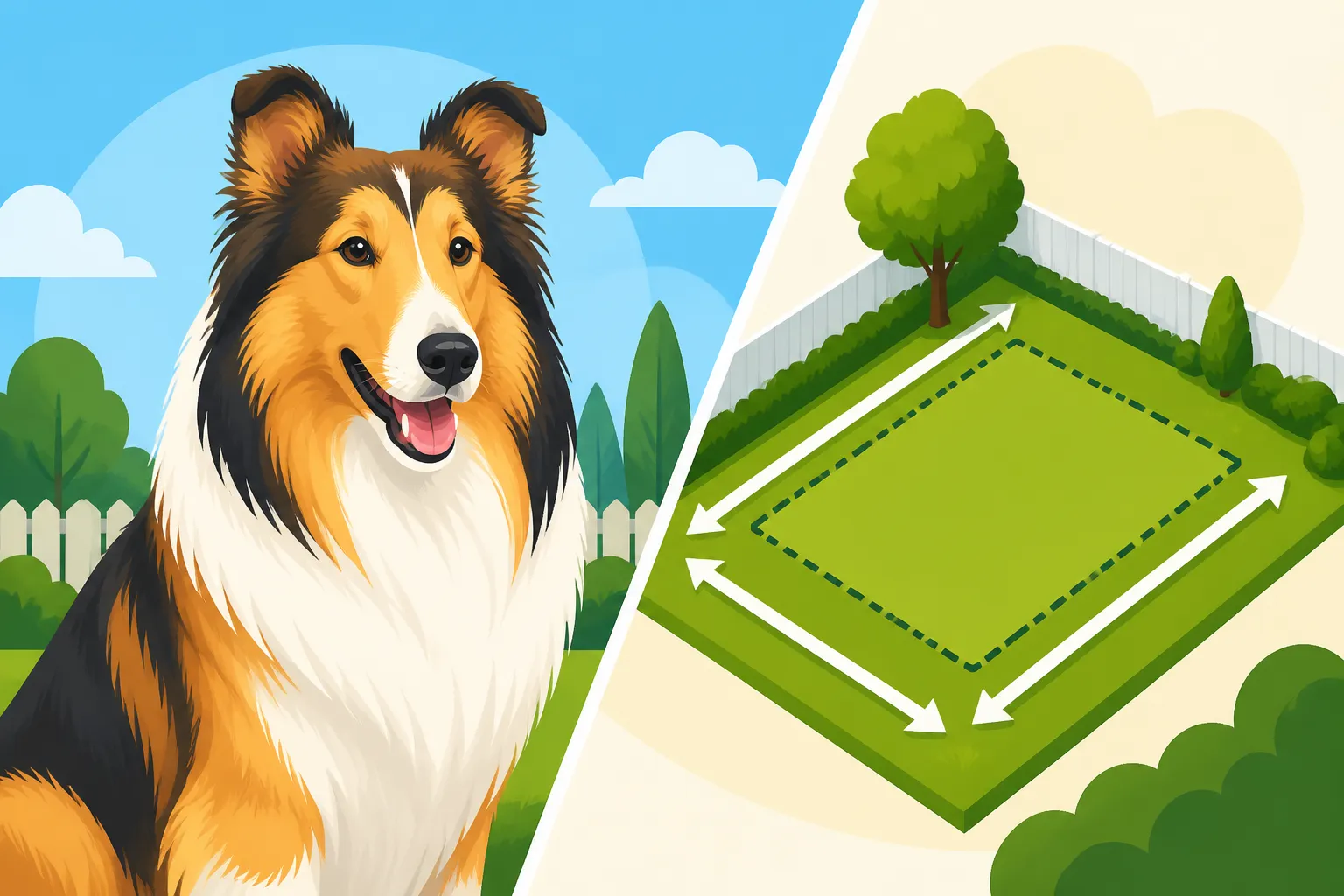
One of the most ingrained instincts in a Collie is to be a watchful guardian of their territory. Whether your yard is a modest patch of green or stretches for an acre, your Collie will likely spend a good portion of their outdoor time patrolling its edges. They'll walk the fence lines, sniff every bush, and scan the horizon for anything out of place. This isn't necessarily a high-energy activity; it's more about surveillance and gathering information. They are highly attuned to their environment, soaking in the sights, sounds, and smells. A passing squirrel, a distant dog bark, or a leaf blowing in the wind can all become focal points for their intelligent observation. This quiet patrolling helps them feel secure in their role as family protector, and it provides a surprising amount of mental stimulation. It's their way of "reading the morning newspaper" and ensuring all is well in their domain.
Even if you have a huge property, a Collie often creates a well-worn path along the fence, essentially shrinking their perceived "patrol zone" to a manageable circuit. They're not necessarily using the entire expanse for vigorous exercise, but rather for purposeful observation. Think of it as their daily neighborhood watch duty. This means that a securely fenced, smaller yard can still offer adequate space for this important behavioral outlet.
Personal Space Versus Practical Space for Play
While a Collie certainly appreciates a good stretch, their actual active play space doesn't need to be enormous. When they get the zoomies, they can cover an impressive distance quickly, even in a moderately sized yard, making sharp turns and playful lunges. The key is often a clear, unobstructed patch of grass where they can safely accelerate and decelerate. A long, narrow yard might even be preferred for a game of fetch over a wide, sprawling one filled with obstacles.
What they truly need is enough room to perform their natural movements without risk of injury. This includes running, leaping, rolling, and perhaps a bit of digging (if you allow it in a designated spot!). A 30×50 foot yard, for instance, offers plenty of space for a game of fetch or a lively romp with a family member. Anything larger tends to become more about mental stimulation (patrolling, sniffing) than continuous high-speed exercise, unless you're actively engaging them in long-distance retrieves or other structured games. The amount of "practical space" used for active play is often much smaller than the total square footage of a property.
The "Velcro" Collie Tendency
Collies are renowned for their strong bond with their families. They are often described as "Velcro" dogs, preferring to be in the same room as their human, or at least within eyesight. This tendency extends to their outdoor time as well. Even in a sprawling backyard, if you're sitting on the patio reading a book, chances are your Collie will be nearby, perhaps napping at your feet or gently observing the yard from a comfortable spot close to you. They are less likely to disappear to the far reaches of a large property for extended periods of solo play or exploration unless specifically motivated by a scent or sound.
This means that a large yard, without human interaction, can quickly become just a bigger empty space. A Collie thrives on companionship and shared activities. A smaller yard where you actively play with them, train them, or simply supervise their quiet contemplation is far more beneficial than a giant yard where they are left to their own devices for hours on end. The presence of their person transforms any yard into a richer, more stimulating environment.
Beyond Size: What Makes a Yard Functional for a Collie
It's clear that the sheer square footage of a yard isn't the sole determinant of its usefulness for a Collie. What truly makes an outdoor space functional is its ability to be secure, stimulating, and a place where you can interact with your dog safely and effectively.
Security and Containment Are Paramount
No matter the size, the most critical feature of any yard for a Collie is absolute security. These intelligent, often sensitive dogs can be easily spooked or motivated to explore, and a weak fence is an invitation for trouble. A solid, appropriately tall fence is non-negotiable. For many Collies, a minimum of a 4-foot fence is adequate, but a 5 or 6-foot fence provides an extra layer of peace of mind, especially if your Collie has a high prey drive or is a skilled jumper. Pay attention to gates, ensuring they latch securely and can't be pushed open. Also, inspect the fence line regularly for potential digging spots underneath or weak points that could be chewed through.
Without proper containment, a yard becomes a liability rather than an asset. A Collie on the loose faces numerous dangers, from traffic to getting lost, which is why topics like Whether a Collie Runs Off are so important for owners to understand. A secure perimeter ensures that their patrolling instinct can be safely exercised and that any bursts of playful energy remain within the bounds of your property. For those living in areas with coyotes or other wildlife, a robust fence is even more vital for your Collie's safety.
Mental and Physical Enrichment within the Space
A functional yard offers more than just grass; it provides opportunities for both mental and physical enrichment. This is where creative landscaping and intentional planning come into play.
- Designated Digging Area: If your Collie enjoys digging, a small sandbox or a specific patch of dirt can be a wonderful outlet. Burying dog-safe "treasures" for them to find can turn this natural behavior into a game.
- Shade and Shelter: Collies, especially Rough Collies with their thick coats, can overheat quickly. Providing ample shade, either from trees, an awning, or a designated shade structure, is crucial during warmer months. Access to fresh water at all times is also vital.
- Varying Textures: Different textures underfoot can provide sensory enrichment. A small patch of sand, a few smooth rocks, or even a raised platform can add interest to their environment.
- Interactive Toys: Stock your yard with durable, weather-resistant toys. Treat-dispensing toys can keep them mentally engaged, and a sturdy rope toy for tug can be a great way to bond. Many online retailers like Amazon offer a wide array of outdoor-appropriate dog toys that can stand up to a Collie's enthusiasm.
- Training Space: Your yard is an excellent place for short, consistent training sessions. Practicing commands like "sit," "stay," "come," or working on recall in a secure environment builds confidence and strengthens your bond. An online puppy training program, such as one from BAXTER & Bella, can provide structured activities and games you can implement right in your own yard. They often have modules specifically designed to make training fun and engaging, utilizing whatever space you have. Remember, Training Sessions Count as a Collie's Exercise too!
Human Interaction: The Undisputed King of Yard Activities
Ultimately, the most valuable "feature" of any yard for a Collie is your presence. A dog left alone in even the most elaborate yard will eventually get bored. Collies crave companionship and thrive on being part of their family's activities.
- Active Play: Engage in games of fetch, tug-of-war, or hide-and-seek. These aren't just for physical exercise; they reinforce your bond and provide immense mental stimulation.
- Supervised Exploration: If you have a larger yard, walk through it with your Collie, encouraging them to sniff and explore new areas under your guidance. This turns their patrolling instinct into a shared adventure.
- Training and Brain Games: Use your yard as an outdoor classroom. Work on new tricks, practice obedience commands, or set up a simple scent-work game by hiding treats. These activities tap into their keen intelligence and herding dog desire to "work" with you.
- Simply Being Present: Even if you're just enjoying a cup of coffee on the porch while your Collie naps nearby, your presence transforms the yard into a shared, secure space. It reiterates that they are part of the family unit, which is central to a Collie's well-being.
Small Yards and Urban Living: Adapting for Your Collie
If you live in an apartment or a home with a small patio or yard, don't despair! A Collie can absolutely thrive in these environments, provided their other needs are met. It simply requires more intentional planning and dedication from you.
Maximizing Vertical and Varied Space
Even a small yard can offer variety. Think about using raised garden beds (dog-safe, of course) or a small, sturdy dog platform for them to perch on and survey their domain. Different surfaces, like a patch of artificial turf or a small area with smooth pavers, can add sensory interest. While you won't be building agility courses in a tiny space, even a low tunnel or a soft mat for practicing 'down' stays can make the area more engaging.
The goal here isn't to replicate a vast field but to provide distinct zones and points of interest that break up monotony. This encourages investigation and makes the limited space feel more dynamic. Ensure easy access to shade and water, as small, enclosed spaces can heat up quickly.
The Importance of Structured Walks and Outings
For Collies in smaller yards, regular, structured walks become even more critical for physical exercise and mental stimulation. Your yard is for convenience and short bursts of activity, but it cannot replace the enrichment of exploring the wider world.
- Daily Adventures: Aim for at least two good walks a day, ideally in different environments. Exploring new scents at a local park, a quiet neighborhood stroll, or a visit to a dog-friendly trail all provide invaluable mental stimulation and physical exertion. You might want to refer to How Much Exercise a Collie Needs Daily for more detailed guidance on their exercise requirements.
- Leash Manners: Focus on good leash manners so walks are enjoyable for both of you. A polite Collie on a leash can navigate busy streets or crowded parks with grace.
- Dog Parks (with Caution): While some Collies enjoy dog parks, it's not a universal fit. Their sensitive nature means they can be easily overwhelmed by boisterous or rude dogs. If you do visit a dog park, choose off-peak hours and supervise closely. Always prioritize positive experiences over simply "burning energy."
- Sniffari Walks: Allow your Collie to lead sometimes, letting them follow interesting scents. This is incredibly enriching for their keen noses and can be just as tiring as a brisk walk.
Remember, the yard is an extension of your home, not a replacement for active engagement with the world outside.
Indoor Enrichment as a Supplement
When outdoor space is limited, or during inclement weather, indoor enrichment becomes paramount. Collies are intelligent and enjoy having their minds challenged.
- Puzzle Toys: These are fantastic for mental stimulation. Fill them with kibble or treats, and your Collie will spend focused time figuring out how to get the goodies out. You can find a huge variety of these toys on Amazon, from simple treat dispensers to complex interactive puzzles.
- Training Sessions: Short, frequent training sessions inside the house can be incredibly engaging. Teach new tricks, practice obedience cues, or even work on nose work games by hiding treats for them to find. How Long a Collie Takes to Learn a New Cue can give you an idea of their learning pace.
- Interactive Play: Play fetch in a hallway, engage in a game of tug, or use a flirt pole to mimic chasing prey. These activities burn energy and strengthen your bond without needing a large outdoor space.
- Chew Toys: High-quality, durable chew toys provide a healthy outlet for natural chewing instincts and can keep a Collie content for a good while. Just ensure they are appropriate for your dog's size and chewing style.
The goal is to provide a balanced routine that addresses your Collie's physical, mental, and emotional needs, regardless of yard size. It's about quality of engagement, not quantity of land.
Here's a quick look at how yard features and uses might differ based on size:
| Yard Size / Type | Primary Use for a Collie | Key Features Needed | Benefits | Potential Drawbacks (if not managed) |
|---|---|---|---|---|
| Small (e.g., patio, urban garden) | Potty breaks, sunbathing, brief supervised play, quiet observation | Secure fencing, shade, accessible water, clean surface | Convenience for quick breaks, fresh air access | Minimal exercise, potential for boredom, needs daily outings |
| Medium (e.g., suburban yard) | Patrolling perimeter, moderate play (fetch, zoomies), training, relaxation | Secure fencing (4-6ft), shade, water, varied ground (grass/patio) | Good for daily routine, some independent activity, safe play zone | Can become boring or lead to destructive habits if interaction is low |
| Large (e.g., acreage, rural property) | Extensive patrolling, longer bursts of running, exploration, training space | Secure fencing (critical), shade, water, diverse terrain, pest control | Ample space for vigorous play and natural exploration | High potential for unsupervised roaming, getting lost, encountering wildlife; still requires owner engagement |
This table illustrates that while larger yards offer more potential space, the utility of that space for a Collie is heavily dependent on how it's equipped and, most importantly, how actively you engage with your dog within it.
Disclaimer
This article is for general informational purposes only and does not constitute professional advice. Laws, prices and regulations vary by location and change over time. Consult a qualified professional for guidance on your specific situation.