Whether a Collie Suits an Apartment
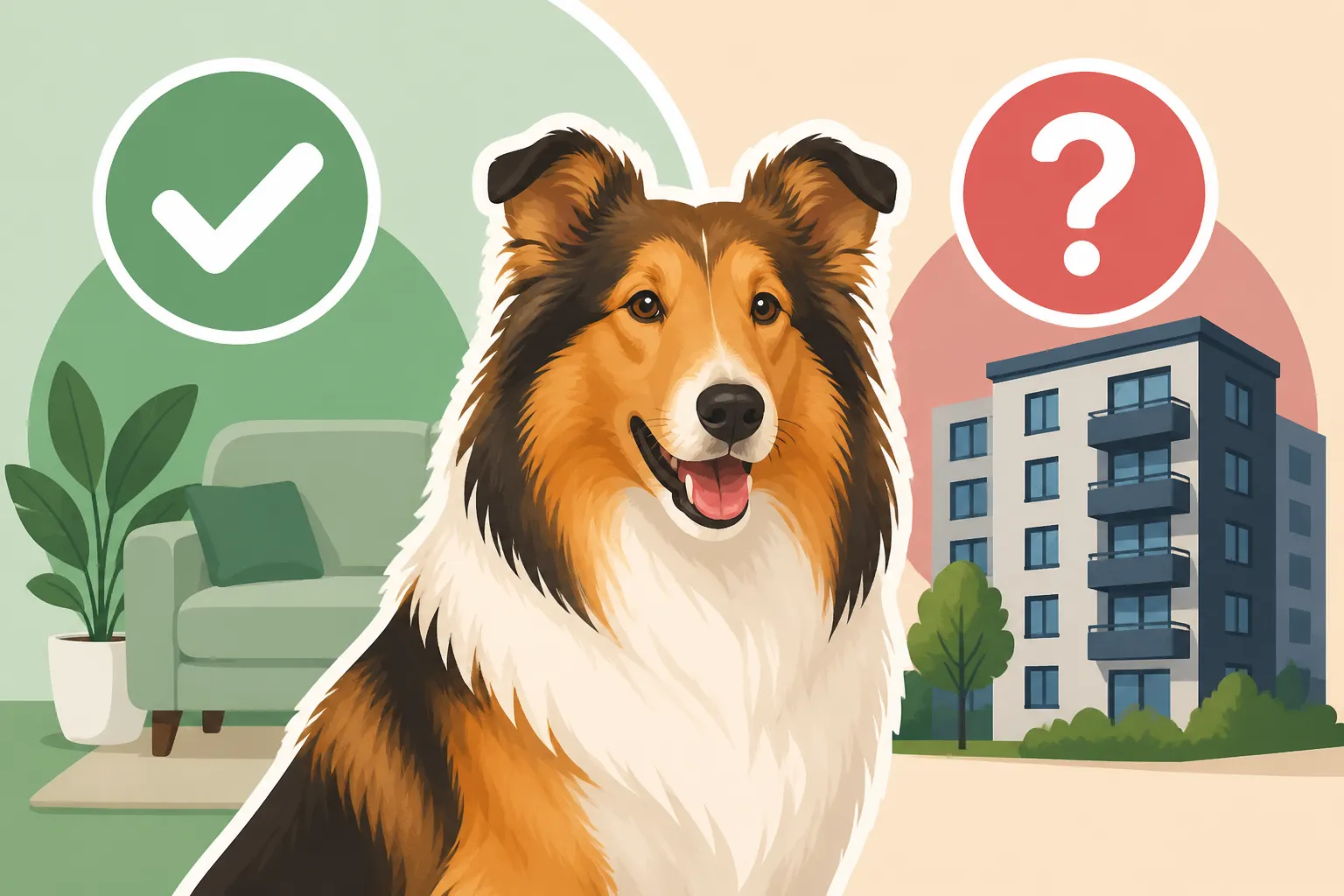
Many prospective Collie owners agonize over whether their beloved Lassie-like companion could ever truly be happy in an apartment. It's a valid concern; these are dogs known for their beautiful, flowing coats and often pictured galloping across vast, open fields. The thought of cramming all that glorious energy and intellect into a smaller living space can feel daunting, even cruel. But I’m here to tell you that with the right commitment and understanding of the breed, a Collie can absolutely thrive in an apartment setting. It’s less about the square footage and more about the lifestyle you provide.
Deconstructing the Collie's Apartment Compatibility Myth
Let's face it, the image of a Collie is often tied to sprawling estates and wide-open spaces, thanks in large part to their history as herding dogs and, of course, that famous fictional canine hero. This creates a strong perception that a Collie needs acres of land to be content. But is that truly the case? Or is it a myth that undersells the breed's adaptability and intelligence?
The "Big Dog Needs Big Yard" Fallacy
One of the biggest misconceptions we face as Collie owners, especially when considering apartment living, is the idea that a larger dog inherently needs a massive yard to be happy. While having a yard is certainly convenient for potty breaks and a quick sniff, it's rarely the sole determinant of a dog's well-being. A Collie, much like many intelligent breeds, often treats a yard as simply an extension of its indoor space, a place to patrol for a few minutes before returning to its people. A yard without owner engagement is just… a yard.
Think about it: how many dogs with huge yards spend all day out there alone, barking at squirrels or staring at the fence? That's not enrichment; that's often boredom. What truly matters for a Collie is consistent, quality interaction, exercise, and mental stimulation. Their deep bond with their family means they'd almost always prefer to be inside with you, even in a small space, than alone in a giant yard. They are people-oriented dogs through and through.
Understanding the Collie Temperament Beyond the Myth
Collies are renowned for their gentle, intelligent, and sensitive nature. They are not hyperactive whirlwinds that bounce off walls if they don't get hours of intense, physical exertion. Instead, they possess a quiet dignity and an eager-to-please attitude that makes them surprisingly adaptable. They are observant and often reserved with strangers, preferring to assess a situation before diving in. This trait actually works in their favor in an apartment, as they're less likely to be impulsively boisterous around new people in common areas if properly socialized.
Their herding heritage does mean they are alert and can be prone to barking if not managed. This is a crucial point for apartment dwellers, but it’s a trait that can be channeled and addressed with consistent training, not something that magically disappears with more space. What they truly crave is companionship and a sense of purpose, even if that purpose is just being the best apartment companion you could ask for. They want to be involved in your life, whatever that looks like.
Managing the Collie's Energy and Intellect in Limited Space
Okay, so we've established that apartment living isn't an automatic disqualifier. But how do you actually make it work? The key lies in understanding that a Collie needs quality over quantity when it comes to both physical exercise and mental engagement. They won't spontaneously entertain themselves in a small space, but they also don't need to run a marathon every day.
Tailored Exercise Routines for Apartment Life
While a Collie certainly enjoys a good run, their exercise needs are often moderate compared to some other herding breeds like the Border Collie. How Much Exercise a Collie Needs Daily is often quoted as around 45 minutes to an hour of focused activity. This can be perfectly achieved through a few well-structured walks each day.
- The Morning Stroll: Kick off the day with a brisk 20-30 minute walk. This isn't just for potty breaks; it's a chance to get some fresh air, explore the neighborhood, and burn off some initial energy. Vary your routes to keep it interesting.
- Midday Movement (If Possible): If you're home for lunch, or if you hire a dog walker, another 15-20 minute stroll can break up the day. This is especially helpful for younger Collies or those prone to anxiety.
- The Evening Adventure: Before settling down for the night, a longer walk or a trip to a nearby dog park can be invaluable. This can be your primary opportunity for off-leash play (if permitted and safe) or more vigorous exercise. Remember, city parks are often more than enough to stretch those long Collie legs and satisfy their need to sniff and explore.
For owners with less flexible schedules, considering options like a reputable dog walker or even a dedicated dog daycare a few times a week can be a lifesaver. This provides crucial socialization and activity that might otherwise be missed.
Mental Stimulation is Non-Negotiable
This is where apartment living can actually shine for a Collie. Their intelligence means they thrive on mental challenges, and these don't require vast fields. In fact, a smaller indoor space can force you to be more creative and intentional about engaging their brains. A tired mind is just as important as a tired body for a Collie. Whether a Collie Needs a Job to Be Content is a resounding yes, and that job can absolutely be found indoors.
- Puzzle Toys and Treat Dispensers: These are gold for apartment Collies. Fill them with kibble or healthy treats and let your Collie work for their meal. Brands available on platforms like Amazon offer a huge variety, from simple snuffle mats to complex interactive feeders, keeping them engaged for extended periods. This taps into their problem-solving instincts.
- Training Sessions: Short, frequent training sessions throughout the day can be incredibly stimulating. Teach new tricks, refine existing commands, or even explore scent work games like "find the treat." This strengthens your bond and gives them a sense of purpose. Online training programs, like those offered by BAXTER & Bella, can provide a structured curriculum and fresh ideas for indoor activities.
- Indoor Agility/Obstacle Courses: You don't need a full agility course. Use household items! Teach your Collie to weave through your legs, jump over a broomstick, crawl under a blanket, or navigate a "tunnel" made of chairs. It's fun, mentally engaging, and excellent for body awareness.
- Interactive Games: A good game of fetch in a hallway, hide-and-seek with you or a toy, or teaching them to "help" with chores (like bringing you the remote) can all provide valuable mental and physical exercise in a contained space.
- Chew Toys: Quality, durable chew toys can help satisfy their natural urge to chew, prevent boredom, and keep them occupied. Always choose appropriate sizes and materials for your Collie.
Navigating Noise and Neighborly Harmony with a Vocal Collie
One of the most common concerns about having any dog, let alone a potentially vocal herding breed, in an apartment is the noise factor. Collies are known to be alert and will certainly let you know if a squirrel so much as glances at your window, or if someone walks past your door. Why a Collie Barks often stems from their instinct to alert their family to anything unusual. However, this isn't an insurmountable problem; it simply requires proactive management and consistent training.
Proactive Bark Management
Ignoring a Collie's bark almost never works, as it often escalates. The key is to teach them when it's appropriate to bark and when to be quiet.
- "Quiet" Cue: This is essential. When your Collie barks, acknowledge what they're barking at (e.g., "Good alert, postal carrier!") then immediately give your "quiet" cue. Reward heavily when they stop, even for a moment. Repetition is key. Whether a Collie Can Be Taught a Quiet Cue is definitely a yes, but it takes time and consistency.
- Window Management: If your Collie barks at every passerby outside your window, consider sheer curtains, window film, or even just keeping blinds partially closed during peak activity times. Out of sight, often out of mind.
- Doorway Protocols: Teach your Collie to go to a designated "place" (their bed or mat) when someone approaches or knocks on the door. Reward them for staying there quietly until you release them. This gives them a job and prevents them from rushing the door.
- Sound Machines/White Noise: For ambient street noise or hallway activity, a white noise machine or even a quiet fan can help mask sounds that might trigger barking. This creates a calmer environment for your Collie and your neighbors.
- Manage Alone Time: A bored or anxious Collie is a barky Collie. Ensure they have adequate exercise and mental stimulation before you leave. If your Collie suffers from separation anxiety, this will need to be addressed directly, as it often manifests in excessive barking. How Long a Collie Can Be Left Alone depends heavily on their training and individual temperament.
Neighborly Considerations and Communication
Open communication with your neighbors can go a long way. If you have concerns about your Collie's barking, consider talking to your immediate neighbors. Let them know you're actively working on it. This small gesture can foster understanding and patience.
Additionally, consider dog-proofing your apartment for sound. Thick rugs, wall hangings, and even strategically placed furniture can help absorb sound within your unit. While you can't completely soundproof an apartment, reducing echoes and muffling sounds can make a significant difference for both your dog and your neighbors.
Cultivating a Fulfilling Apartment Life for Your Collie
Ultimately, the success of apartment living with a Collie boils down to your dedication as an owner. The physical space is far less important than the emotional space and opportunities for engagement you provide. A Collie in a small apartment with an attentive, engaged owner will be infinitely happier than a Collie in a mansion with an absent one.
The Power of Routine and Consistency
Collies thrive on routine. A predictable schedule for walks, meals, playtime, and training helps them feel secure and understand what's expected of them. This is especially true in an apartment where changes in the environment can be more noticeable.
| Aspect of Routine | Importance for Apartment Collie | Example for a Working Owner |
|---|---|---|
| Morning Exercise | Sets a calm tone, burns initial energy. | 6:30 AM: 30-minute brisk walk and potty break. |
| Mental Stimulation | Prevents boredom, keeps intellect sharp. | Before work: Puzzle toy filled with breakfast. |
| Midday Break | Potty break, stretch legs, social interaction. | 12:00 PM: Dog walker for 20-minute walk or doggy daycare. |
| Afternoon Activity | Helps transition from alone time, reduces evening restlessness. | 5:30 PM: Owner returns, 15-minute training session/indoor game. |
| Evening Exercise | Final energy release, last potty break. | 7:00 PM: 45-minute walk, park visit, or extended play. |
| Quiet Time | Promotes relaxation, prevents overstimulation before bed. | 9:00 PM: Settle with a long-lasting chew toy. |
Sticking to a schedule, even a flexible one, provides stability and helps your Collie understand what's coming next. This predictability can greatly reduce anxiety and unwanted behaviors like excessive barking or destructive chewing when left alone. Whether a Collie Needs a Predictable Routine is a strong yes, and it becomes even more vital in close quarters.
Socialization and Exposure
Even in an apartment, your Collie needs ample opportunities for appropriate socialization. This doesn't just mean playing with other dogs (though that's great too!), but also being comfortable with new sights, sounds, and people.
- Regular Outings: Take your Collie to pet-friendly stores, coffee shop patios, or just for walks in bustling areas. This exposes them to different environments in a controlled way, building their confidence.
- Dog Parks (with Caution): If your Collie enjoys the company of other dogs, a well-managed dog park can be a fantastic way to burn energy and socialize. Always supervise closely and ensure it's a positive experience.
- Puppy Classes/Obedience Classes: These are invaluable for socialization, training, and building your bond. They also provide a structured environment for your Collie to learn to focus around distractions. Early and ongoing training, perhaps through a platform like BAXTER & Bella, can lay a strong foundation.
- Visitor Protocol: When guests come over, manage the introduction. Have your Collie on a leash initially, give them a chance to greet calmly, and then reward good behavior. This teaches them that visitors are a positive experience.
The Human-Collie Connection
At the heart of a successful apartment life with a Collie is the deep connection you share. These dogs are incredibly attuned to their human companions. Whether a Collie Reads Its Owner's Mood is absolutely true, and they thrive on that bond. Spend quality time together, whether it's snuggled on the couch, playing an indoor game, or just having them quietly lie at your feet while you work.
Your presence, your attention, and your consistent love are the biggest determinants of their happiness, far more than the square footage of your living room. An apartment can be a cozy, secure den for a Collie, as long as it's filled with love, engagement, and the diligent care of an owner who understands their needs.
Disclaimer
This article is for general informational purposes only and does not constitute professional advice. Laws, prices and regulations vary by location and change over time. Consult a qualified professional for guidance on your specific situation.